Materia Medica: Calendula
Société Apothecary
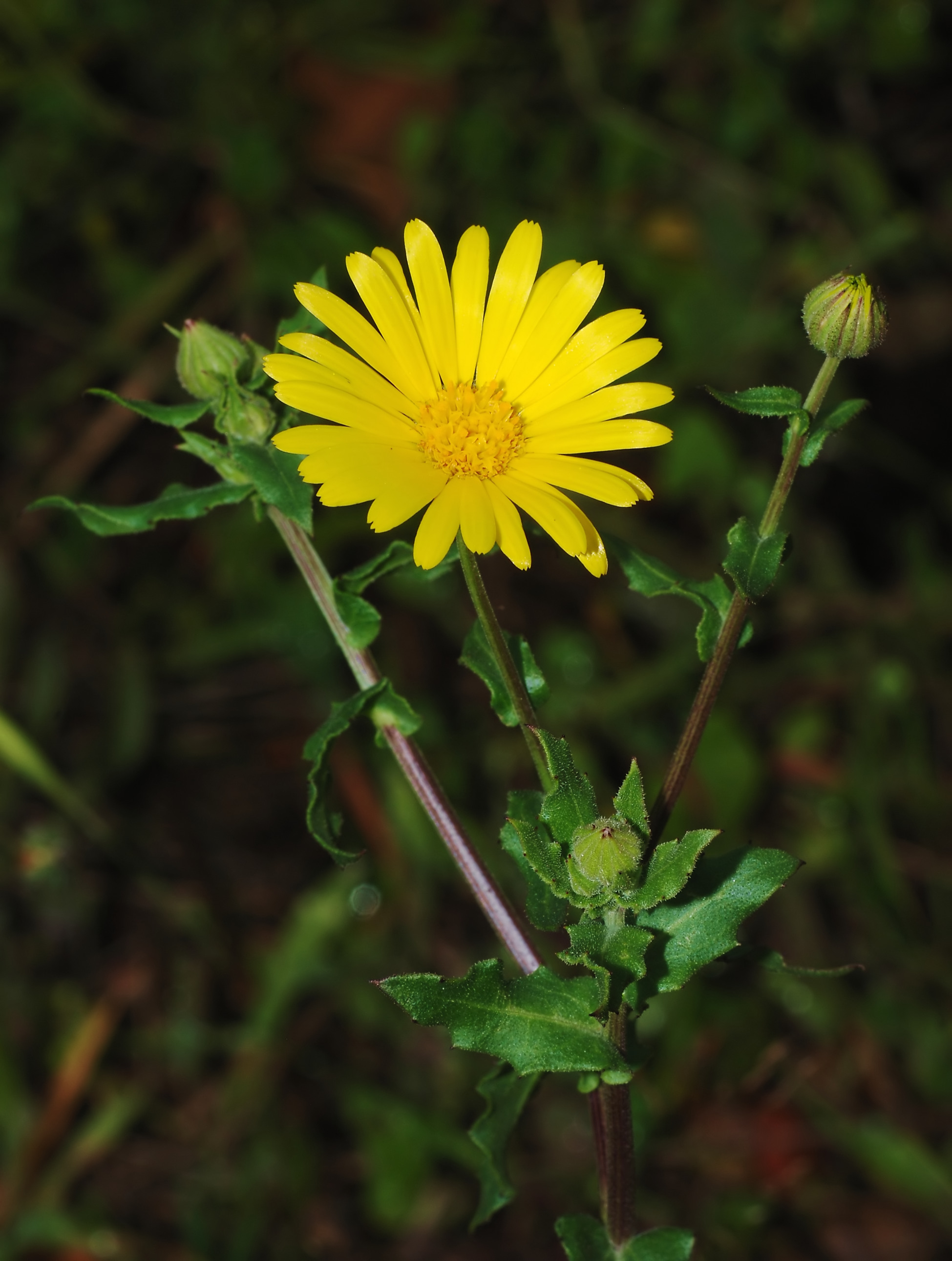
A flower of firelight and first aid, Calendula shines as both medicine and magic. Known as a vulnerary for the skin and a lymph mover for deeper currents, she walks between the worlds—sunlit and unseen. Her bright petals are sewn with healing spells, long used by herbalists, midwives, and mystics alike. “To the skin, repair. To the lymph, movement. To the heart, a soft and golden courage.” Latin Binomial: Calendula officinalis Common Name(s): Calendula, Marigold, Pot Marigold TCM Name: Jin Zhan Ju (金盏菊) – not common in classical use, but acknowledged Ayurvedic Alignment: Similar to rakta shodhana (blood purifiers), hridya (heart nourishers) Family: Asteraceae (Daisy family) Physical Description of the Plant: Calendula is a sun-kissed annual with vivid golden-to-orange ray florets, soft downy stems, and a slightly resinous scent. She blooms in a generous spiral of light, resembling small suns swaying in the garden breeze. Habitat: Native to the Mediterranean, now cultivated widely in temperate regions. Thrives in full sun with well-drained soil. Calendula easily reseeds, offering her gifts freely season after season. Harvest and Collection: Harvest flower heads in the late morning after dew has dried. Pick every few days to encourage new blooms. Dry whole flowers or pluck petals for infusions and oils. Best preserved in airtight containers away from light. Parts of the Plant Used: Petals (ray florets) – most potent and commonly used Whole flower heads – for tincture and infused oil Leaves – occasionally used topically Qualities: Slightly bitter, mildly aromatic Energetics: Warming, drying, solar Tissue States: Damp stagnation, cold/relaxed Chemical Constituents: Triterpenoid esters (anti-inflammatory) Flavonoids (antioxidant, especially quercetin) Carotenoids (lutein, zeaxanthin—brightly pigmented) Polysaccharides (immune-modulating) Saponins Volatile oils (minimal, slightly resinous scent) Actions: Vulnerary (wound-healing) Lymphagogue (stimulates lymphatic flow) Anti-inflammatory Antifungal, antimicrobial Emmenagogue (mild) Choleretic (stimulates bile flow) Antioxidant Slightly astringent Indications: Wound healing, cuts, scrapes, and skin irritation Swollen lymph nodes, sluggish detoxification Fungal infections (e.g., athlete’s foot, candidiasis) Conjunctivitis, eye inflammation (as eyewash) Menstrual stagnation or delayed menses Eczema, dermatitis, acne Gut inflammation, especially in topical compresses or gentle teas Diagnostic Picture: Ideal for individuals who are energetically “leaking” — emotionally raw, physically inflamed, or holding grief in the tissues. Calendula brings gentle closure, encourages flow without overwhelm, and helps the body remember its innate rhythm of healing. Contraindications/Cautions: Generally very safe; avoid during pregnancy in large doses due to mild emmenagogue action Possible allergy in those sensitive to the Asteraceae family (e.g., ragweed) Drug Interactions: None well documented. Theoretically synergistic with other anti-inflammatory or lymphatic herbs. Dosage: Infused Oil (Topical): Apply as needed for skin healing Tea/Infusion: 1–2 tsp dried petals per cup hot water; steep 10–15 min Tincture: 1–3 mL (approx. 20–60 drops), up to 3x daily Compress/Wash: Strong tea applied externally for wounds or irritation Combinations: With Yarrow and Plantain for wound care With Red Clover and Violet for lymphatic cleansing With Chamomile for gut inflammation With Rose for heart-centered emotional healing With Mugwort in oil for menstrual massage and womb care Folklore: Calendula has long been linked to the Sun—used in rituals of warmth, protection, and prophecy. Medieval monks planted her around monasteries to invoke divine light. In folk medicine, marigold was slipped into dream pillows for clarity and healing. In Mexican traditions, cempasúchil (Tagetes, a related species) is used on altars for Día de los Muertos—guiding spirits with color and scent. Applications: Calendula is a healer of thresholds—skin and spirit alike. She belongs in every apothecary, ready to mend, soothe, and remind us of the radiance that follows restoration. Perfect for postpartum care, long healing processes, or as a daily ally in your skincare or self-tending rituals. Recipes: Solar Skin Salve 1 cup calendula-infused olive oil 1 oz beeswax Optional: a few drops lavender essential oil Melt beeswax into warmed oil. Pour into tins and let cool. Apply to dry skin, minor wounds, or ritual anointing. Golden Glow Tea 1 tsp dried calendula petals 1 tsp lemon balm 1/2 tsp rose petals Steep 10–15 minutes. Sip warm to brighten mood, calm inflammation, and support lymph flow. Lymph Love Massage Oil Calendula-infused oil A few drops cypress or grapefruit essential oil Use in gentle upward strokes from extremities toward the heart. Ideal for morning self-care ritual. Scientific Research: Calendula has shown strong wound-healing, anti-inflammatory, and antimicrobial properties in various studies. Research confirms its efficacy in promoting epithelial regeneration and reducing inflammation in both topical and internal applications. References: Hoffmann, D. “Medical Herbalism” Wood, M. “The Earthwise Herbal” Herbal Academy Monographs PubMed clinical studies on Calendula officinalis American Herbal Pharmacopoeia Check out our products with Calendula Three Calendula Recipes to Try at Home Calendula Infused Oil 1 cup dried calendula flowers 1 cup carrier oil (such as olive or almond oil) Clean glass jar with a lid Fill the glass jar about halfway with dried calendula flowers. Pour the carrier oil over the flowers, ensuring they are completely submerged. Seal the jar tightly and place it in a warm, sunny spot for 4-6 weeks, shaking gently every few days. Strain the oil through a fine mesh sieve or cheesecloth into a clean container. Store the infused oil in a cool, dark place, and use it as a soothing topical oil for skin irritations or to promote healing. Calendula Tea 1-2 teaspoons dried calendula flowers 1 cup boiling water Honey or lemon (optional, for taste) Place the dried calendula flowers in a teapot or mug. Pour boiling water over the flowers and cover the container. Let steep for 10 minutes, then strain the tea into a cup. Add honey or lemon if desired, and enjoy this calming herbal tea. Calendula Salve 1/4 cup calendula infused oil 1 tablespoon beeswax Small tin or jar for storage Combine the calendula infused oil and beeswax in a double boiler over low heat. Stir until the beeswax is completely melted and well combined with the oil. Pour the mixture into a small tin or jar and let it cool to room temperature. Once solidified, use the salve on dry or cracked skin for gentle healing. Before starting any herbal remedy, consult a qualified herbal practitioner to ensure it’s appropriate for you.