Materia Medica: Bupleurum
Société Apothecary
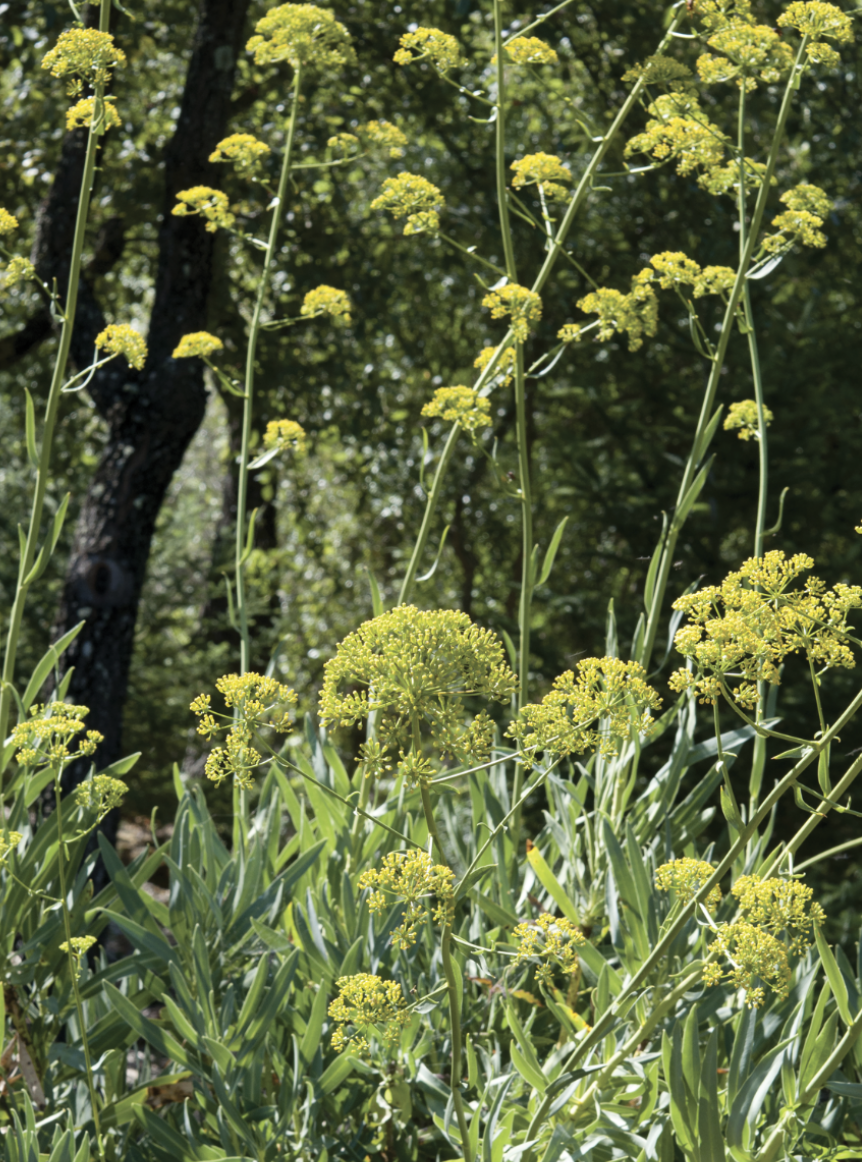
Bupleurum: Materia Medica A pillar of Traditional Chinese Medicine for harmonizing the body and resolving internal tension, Bupleurum is a powerful mover of Liver Qi. Known for its ability to relieve stress-related stagnation, smooth mood fluctuations, and support detoxification, this wiry, wind-like plant teaches flow, flexibility, and emotional equilibrium. “Bupleurum lifts the heaviness of the spirit and restores the river of life to its course.” MATERIA MEDICA Latin Binomial: Bupleurum chinense Common Name(s): Bupleurum, Chai Hu TCM Name: Chai Hu (柴胡) Ayurvedic Name: Not traditionally used Family: Apiaceae (Carrot family) Physical Description of the Plant: A slender, upright perennial herb with narrow, lance-shaped leaves and small yellow-green flowers in umbrella-like clusters. Root is thin, fibrous, and used medicinally. Habitat: Native to East Asia (China, Korea, Japan); prefers dry, sunny meadows and hillsides. Now cultivated widely for medicinal use. Harvest and Collection: Roots are harvested in the fall of the second or third year. Dried and sliced for decoction or powdered form. Parts of the Plant Used: Root (fresh or dried) Qualities: Bitter, pungent Energetics: Cooling, light, ascending; harmonizing and dispersing Chemical Constituents: Saikosaponins (a-d) Flavonoids Polysaccharides Volatile oils Sterols Triterpenes Actions: Hepatoprotective Anti-inflammatory Adaptogenic Immune-regulating Antiviral Antipyretic (reduces fever) Liver Qi regulator Mild analgesic Antioxidant Indications: Liver stagnation with emotional imbalance, PMS, or irritability Viral infections (cold, flu, hepatitis) Stress-related digestive issues or headaches Chronic inflammatory conditions Detoxification and liver support Fever or chills alternating with heat (Shaoyang pattern in TCM) Diagnostic Picture: Bupleurum is ideal for those with a “stuck” constitution—emotional repression, tension headaches, stress-related hormonal issues, and digestive discomfort. In TCM, it is key for Shaoyang disorders (alternating chills and fever, flank pain, mood swings, bitter taste in mouth). Contraindications/Cautions: Not for use during acute infections with high fever unless in specific formulas Avoid in those with Liver Yang rising, hypertension, or yin deficiency heat Caution during pregnancy or breastfeeding unless supervised by a practitioner Overuse may irritate the digestive tract in sensitive individuals Drug Interactions: May interact with immunosuppressants Use caution with anticoagulants or hepatically-metabolized medications Dosage: Decoction: 3–9 grams dried root per day, traditionally boiled for 30–45 minutes Tincture: 2–4 mL up to 3x daily (consult a practitioner) Powdered Extract: 500–1000 mg 2x daily (standardized to saikosaponin content when possible) Combinations: With Scutellaria baicalensis and Pinellia in TCM’s “Xiao Chai Hu Tang” for Shaoyang disorders With Milk Thistle or Dandelion root for liver detox formulas With Peony root and Licorice for hormonal balance and mood regulation With Eleuthero or Reishi for stress resilience Folklore: In Classical Chinese Medicine, Bupleurum is considered a guide herb that helps “rise and scatter the Qi,” making it vital in harmonizing external and internal imbalances. Chai Hu’s capacity to clear anger and frustration has long been honored by physicians who recognized emotional repression as a root of disease. Applications: Bupleurum is best used in formulas to direct its strong energy appropriately. It supports emotional resilience, liver function, and immune balance in those carrying long-term stress, hormonal tension, or internalized frustration. It’s an essential herb for modern life’s emotional-physical entanglements. Recipes: Traditional Xiao Chai Hu Tang (Minor Bupleurum Decoction) Bupleurum root (Chai Hu) Scutellaria root (Huang Qin) Pinellia root (Ban Xia) Ginseng or Codonopsis (Ren Shen) Licorice (Gan Cao) Ginger and Jujube Use under supervision for Shaoyang presentations (alternating chills and fever, chest fullness) Stress & Liver Tonic Tea 1 part Bupleurum 1 part Dandelion root 1/2 part Ginger Simmer for 20–30 minutes. Drink warm to release tension and move Qi. Scientific Research: Studies confirm Bupleurum’s hepatoprotective, anti-inflammatory, and immunomodulating effects. Saikosaponins show potential in protecting liver cells, reducing cytokine expression, and enhancing resistance to stress and infection. It is a key herb in supportive protocols for hepatitis, chronic inflammation, and stress-adapted fatigue. Three Bupleurum Recipes to Try at Home Bupleurum Tea for Daily Balance 1 tablespoon dried bupleurum root 2 cups water Honey or lemon (optional) Bring the water to a gentle boil in a small pot. Add the dried bupleurum root, reducing the heat to a simmer. Let the mixture simmer for 15 minutes. Strain the tea into a mug. Add honey or lemon to taste if desired. Enjoy warm for a soothing, balancing experience. Bupleurum Herbal Tincture 1 cup dried bupleurum root 2 cups vodka or brandy A clean glass jar with a tight-sealing lid Place the dried bupleurum root into the glass jar. Pour the vodka or brandy over the root, ensuring it is fully submerged. Seal the jar tightly and store it in a cool, dark place for 4-6 weeks, shaking gently every few days. After the infusion period, strain the liquid into a dark glass bottle. Use a dropper to take 1-2 ml up to three times daily as needed. Bupleurum and Ginger Digestive Soup 1 tablespoon dried bupleurum root 1 tablespoon grated fresh ginger 4 cups vegetable broth 1 tablespoon soy sauce 1 cup sliced mushrooms 1 cup chopped greens (e.g., spinach or kale) Combine the bupleurum root, ginger, and vegetable broth in a pot and bring to a boil. Reduce the heat and let it simmer for 20 minutes to extract the flavors. Strain out the bupleurum and ginger, returning the liquid to the pot. Add the soy sauce, mushrooms, and greens, simmering until the vegetables are tender. Serve warm for a nourishing, digestive-friendly meal. Always consult with a qualified healthcare practitioner before starting any new herbal regimen.