Materia Medica: Brahmi
Société Apothecary
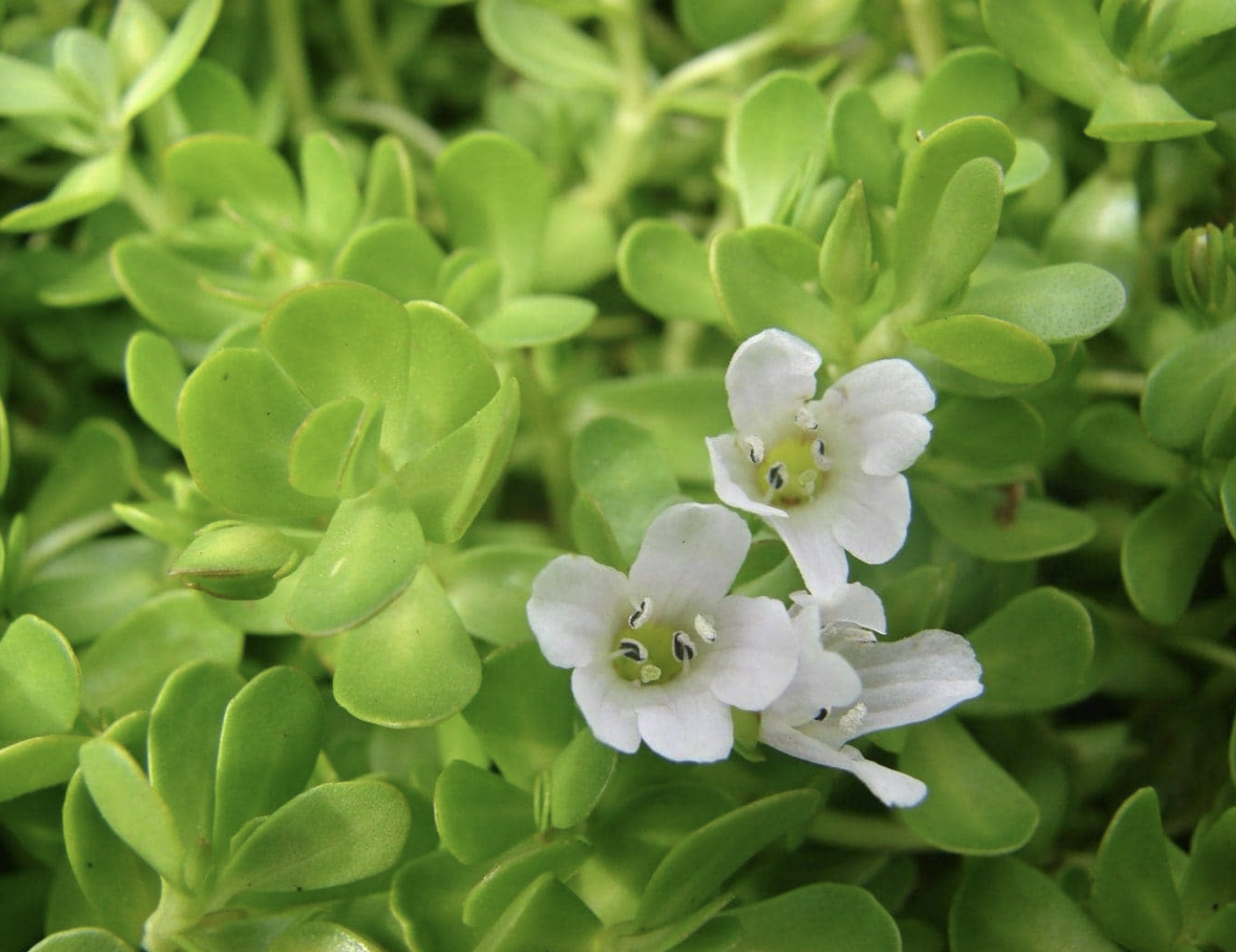
]( http://click%20here%20to%20see%20our%20societe%20products%20with%20bacopa/ ) Brahmi, also known as Bacopa, is a revered herb in Ayurvedic tradition, cherished for its ability to calm the mind, sharpen memory, and restore the nervous system. As a medhya rasayana (brain tonic), it supports cognition, mental clarity, and emotional resilience—earning its place as a treasured ally for both students and sages. “Brahmi softens the turbulence of the mind, cooling fiery thoughts and weaving peace into the fabric of awareness.” MATERIA MEDICA Latin Binomial: Bacopa monnieri Common Name(s): Brahmi (in the south of India), Water Hyssop, Bacopa TCM Name: Shui Fei Ji (not widely used) Ayurvedic Name: Brahmi (*Note: also used for Centella asiatica in some regions) Family: Plantaginaceae (formerly Scrophulariaceae) Physical Description of the Plant: A creeping, succulent perennial with small oblong leaves and pale purple or white flowers. Often found in wetlands and marshy areas. Habitat: Native to India and Southeast Asia. Grows in tropical and subtropical wetlands worldwide. Harvest and Collection: Harvested during the growing season (typically spring through fall). Aerial parts used fresh or dried. Parts of the Plant Used: Aerial parts—leaf and stem Qualities: Bitter, sweet Energetics: Cooling, calming, slightly drying Dosha: Balances Vata and Pitta; may mildly increase Kapha in excess Chemical Constituents: Bacosides A & B (saponins with neuroprotective activity) Alkaloids (brahmine, herpestine) Flavonoids (luteolin, apigenin) Polyphenols Sterols Actions: Nervine tonic Nootropic (cognitive enhancer) Anxiolytic Antioxidant Anti-inflammatory (especially neuroinflammation) Adaptogen Mild anticonvulsant Hepatoprotective Indications: Cognitive decline, poor memory, or learning difficulty Mental fatigue or lack of concentration Anxiety and nervous tension ADHD and hyperactivity Insomnia and stress-related sleep issues Recovery from head trauma or stroke (adjunctively) Epilepsy (traditional use, under supervision) Diagnostic Picture: Ideal for those with scattered thoughts, poor memory, mental restlessness, or Vata-type anxiety. Often used to soothe mental heat and tension while enhancing clarity and grounded focus. Contraindications/Cautions: May cause mild gastrointestinal upset or nausea in some individuals Use cautiously in hypothyroid individuals (some studies suggest thyroid stimulation) Avoid during pregnancy unless guided by a practitioner Drug Interactions: May potentiate effects of sedatives, thyroid medications, or acetylcholinesterase inhibitors Use caution with antiepileptic or antidepressant medications Dosage: Powder (Churna): 1–3 grams daily, often taken with ghee or warm water Tincture: 2–5 mL, 1–3x/day Capsules/Tablets: 250–500 mg standardized extract; 1–2x/day Tea/Infusion: 1–2 tsp dried herb; steep 10–15 min; drink 1–2x/day Combinations: With Gotu Kola and Shankhpushpi for brain and nerve health With Ashwagandha for stress and cognitive fatigue With Licorice and Vacha for speech and learning disorders With Tulsi or Blue Vervain for emotional clarity Folklore: In Ayurveda, Brahmi is associated with Saraswati—the goddess of wisdom and learning. Students and seekers traditionally take Brahmi to enhance their studies and meditation. It is said to open the crown chakra, connect intellect with intuition, and foster inner peace. Applications: Use for cognitive support, stress relief, and nervous system repair. Brahmi can be taken daily as a tonic herb for mental clarity, especially in periods of high cognitive demand, emotional stress, or recovery from nervous exhaustion. Recipes: Brahmi Ghee Simmer Brahmi in ghee Strain and take 1 tsp daily for mind and memory Brahmi & Tulsi Tea Equal parts Brahmi and Holy Basil Steep 10 minutes; drink to calm the mind and uplift the spirit Cognitive Tonic Formula Brahmi Gotu Kola Shankhpushpi Licorice Take as powder or capsule to support long-term brain health Scientific Research: Studies on Bacopa monnieri show improvements in memory, attention, and cognitive performance. Bacosides protect neurons, modulate neurotransmitters, and reduce oxidative stress in the brain. It is increasingly studied for its role in age-related cognitive decline and anxiety disorders. References: Ayurvedic Pharmacopoeia of India “Adaptogens” by Winston & Maimes Mills & Bone “Principles and Practice of Phytotherapy” PubMed studies on Bacopa monnieri "The Yoga of Herbs" by Frawley & Lad Click here to see our Societe products with Bacopa Three Brahmi Recipes to Try at Home Brahmi Infused Tea 1 teaspoon dried Brahmi leaves 1 cup boiling water Honey or lemon (optional) Place the dried Brahmi leaves in a teapot or infuser. Pour the boiling water over the leaves, allowing them to steep for 5-10 minutes. Strain the tea into a cup, adding honey or lemon to taste, if desired. Enjoy this calming tea as part of your daily routine. Brahmi Memory-Boosting Smoothie 1 tablespoon Brahmi powder 1 banana 1 cup almond milk 1 tablespoon almond butter 1 teaspoon honey A handful of spinach (optional) In a blender, combine the Brahmi powder, banana, almond milk, and almond butter. Add honey and spinach, if using, for added nutrients. Blend on high until smooth and creamy. Pour into a glass and savor this delightful brain-boosting beverage. Brahmi Hair Oil 1 cup coconut oil 2 tablespoons dried Brahmi leaves 1 tablespoon dried rosemary (optional) In a small saucepan, gently heat the coconut oil over low heat. Add the dried Brahmi leaves and rosemary if using, and simmer for 30 minutes, stirring occasionally. Let the oil cool, then strain it into a clean, dry bottle. Massage the oil into your scalp for nourishment and relaxation. Always consult a qualified practitioner before introducing new herbs into your wellness regimen.