Materia Medica: Black Walnut Leaf
Société Apothecary
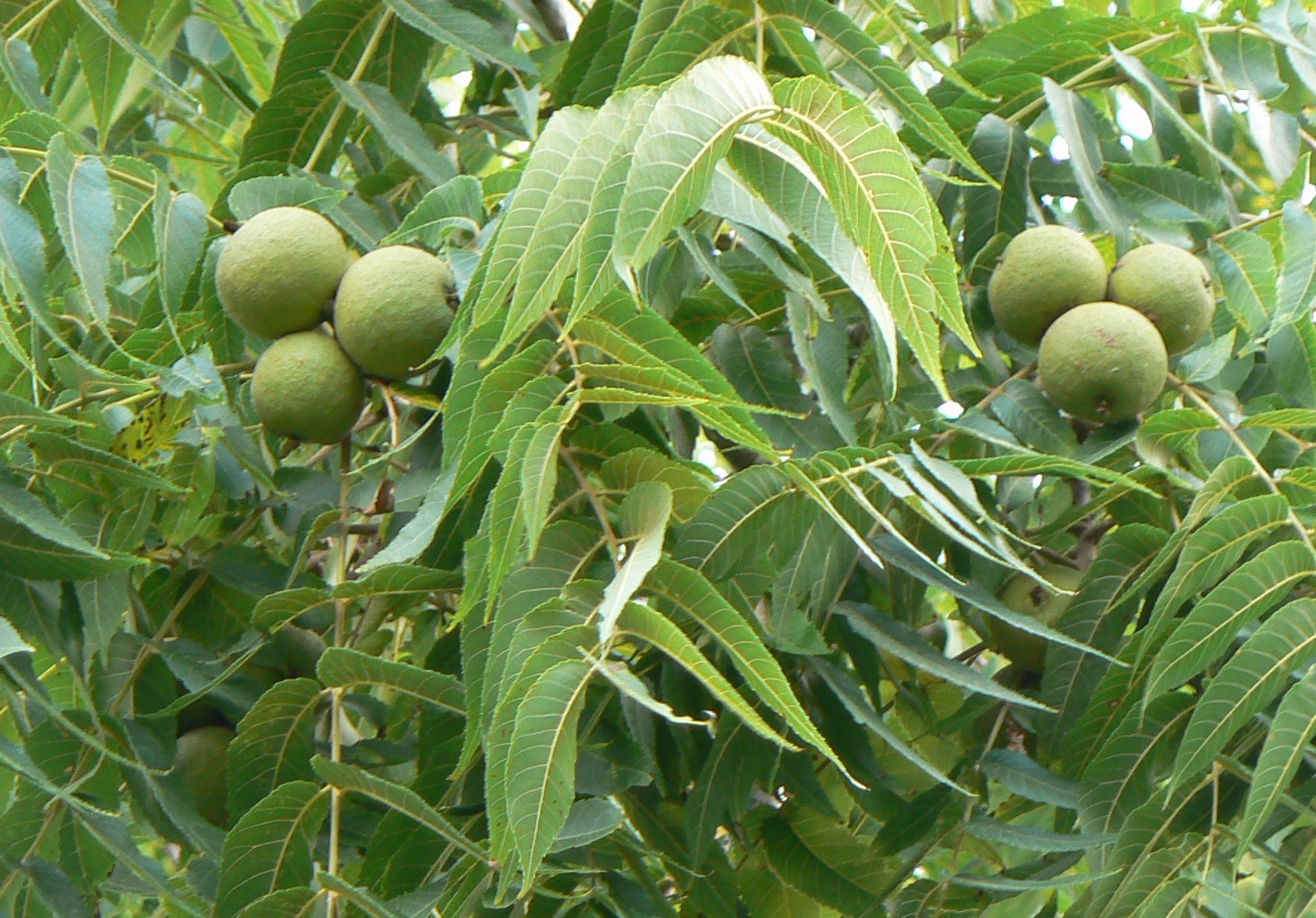
Black Walnut Leaf: Materia Medica Strong, bitter, and deeply cleansing, Black Walnut Leaf has long been valued in North American and European herbal traditions for its purifying, astringent, and antifungal properties. While the hull is better known, the leaf holds its own as a cooling, toning remedy—especially for skin, parasites, and excess heat. “Black Walnut leaf cuts through the murk—cooling, cleansing, and clarifying inside and out.” MATERIA MEDICA Latin Binomial: Juglans nigra Common Name(s): Black Walnut, Eastern Black Walnut TCM Name: Not commonly used Ayurvedic Name: Akhrot patra (related walnut leaves) Family: Juglandaceae Physical Description of the Plant: A large deciduous tree with deeply ridged bark, pinnate compound leaves with 15–23 leaflets, and round green fruit encasing a hard nut. Leaves are aromatic when crushed. Habitat: Native to eastern North America. Grows in well-drained soils, forest edges, and river valleys. Harvest and Collection: Leaves are harvested in summer before they turn yellow. Best when fresh or recently dried, as they lose potency over time. Parts of the Plant Used: Leaves (occasionally used fresh; often dried) Qualities: Bitter, astringent, slightly aromatic Energetics: Cooling, drying, purifying Chemical Constituents: Tannins Juglone (a naphthoquinone compound) Flavonoids Volatile oils Vitamin C and chlorophyll (in fresh leaves) Actions: Astringent Antimicrobial Antifungal Antiparasitic Anti-inflammatory (mild) Alterative (cleansing and blood-purifying) Lymphatic tonic (gentle) Indications: Skin conditions: eczema, acne, psoriasis Fungal infections: athlete’s foot, ringworm Intestinal parasites (as part of protocols) Diarrhea and dysentery Weepy, inflamed skin or rashes Mouth and gum inflammation (as rinse) Diagnostic Picture: Black Walnut leaf is best for hot, damp, irritated conditions—externally or internally. It cools inflamed tissues, tones mucous membranes, and helps resolve persistent skin and GI complaints with a cleansing, bitter edge. Contraindications/Cautions: Avoid in pregnancy and while breastfeeding Avoid in large doses or long-term use due to potential juglone sensitivity Use with caution in dry constitutions—can exacerbate dryness Not for open or deep wounds externally Drug Interactions: May interact with laxatives or antifungal drugs (synergistic or potentiating effects) Avoid with immune-suppressants in autoimmune cases Dosage: Infusion (Tea): 1 tsp dried leaf per cup; steep 10–15 min; up to 2–3x daily Tincture: 1–2 mL, 2x daily (short term use only) Topical Wash/Compress: Strong infusion or diluted tincture applied to affected skin Mouth Rinse: Weak infusion for gum inflammation or sore throat Combinations: With Calendula or Plantain for skin rinses With Wormwood and Clove for parasite protocols With Burdock and Yellow Dock for chronic skin detox With Yarrow for astringent skin formulas Folklore: Black Walnut was used by many Native American tribes for parasite cleansing, skin conditions, and ceremonial purification. The tree was regarded as protective and was sometimes planted near homes to guard against illness and unwanted energies. In European herbalism, the walnut tree was long associated with insight and clarity. Applications: Use internally with caution and short-term for skin and gut cleansing. Most often used externally for fungal, infected, or inflamed skin. Also effective as a bitter astringent rinse for minor mouth and throat conditions. Recipes: Fungal Foot Soak Black Walnut leaf decoction Apple cider vinegar Tea tree oil (optional) Soak affected area for 15–20 minutes daily Detox Tea (Short-Term Use) Black Walnut leaf Burdock root Red Clover Drink 1 cup daily for 1–2 weeks for skin and lymph cleansing Astringent Skin Rinse Black Walnut leaf infusion Calendula Witch hazel (optional) Apply with cloth to acne, rash, or eczema-prone skin Scientific Research: Juglone and tannins in black walnut exhibit strong antifungal and antimicrobial effects, especially against Candida and dermatophytes. Tannins provide astringency beneficial to inflamed tissues. More research is needed on clinical efficacy of leaf compared to hulls. References: Hoffmann, D. “Medical Herbalism” Mills & Bone “Principles and Practice of Phytotherapy” Earthwise Herbal, Matthew Wood PubMed and NCBI articles on Juglans nigra Eclectic and Indigenous herbal literature Check out our Tugboat tea which has black walnut leaf . Three Black Walnut Leaf Recipes to Try at Home Black Walnut Leaf Infusion 1 tablespoon dried black walnut leaves 2 cups boiling water Honey or lemon (optional) Place the dried black walnut leaves in a heat-safe jar or teapot. Pour the boiling water over the leaves, covering them completely. Steep the infusion for 10-15 minutes, allowing the rich flavors and beneficial properties to be released. Strain the leaves, sweeten with honey or add a splash of lemon, if desired, and sip slowly to enjoy. Black Walnut Leaf Facial Toner 1 cup distilled water 2 tablespoons dried black walnut leaves 1 tablespoon witch hazel 5 drops lavender essential oil (optional) Simmer the distilled water and dried black walnut leaves in a small pot for 15 minutes. Strain the mixture into a clean glass jar and allow it to cool completely. Stir in the witch hazel and add lavender essential oil if using, mixing well. Transfer to a spray bottle and apply to the face after cleansing for a refreshing, toning experience. Black Walnut Leaf Vinegar Hair Rinse 2 tablespoons dried black walnut leaves 1 cup apple cider vinegar 1 cup water Combine the dried black walnut leaves and apple cider vinegar in a glass jar, sealing it tightly. Let the mixture sit in a cool, dark place for 2 weeks, shaking it daily to infuse. Strain the vinegar and mix with water in a 1:1 ratio before use. After shampooing, pour the rinse over your hair, leaving it on for a few minutes before rinsing with water for added shine and scalp health. Consult a qualified practitioner before incorporating new herbal remedies, especially if you are pregnant, nursing, or have underlying health conditions.