Materia Medica: Birch Leaf
Société Apothecary
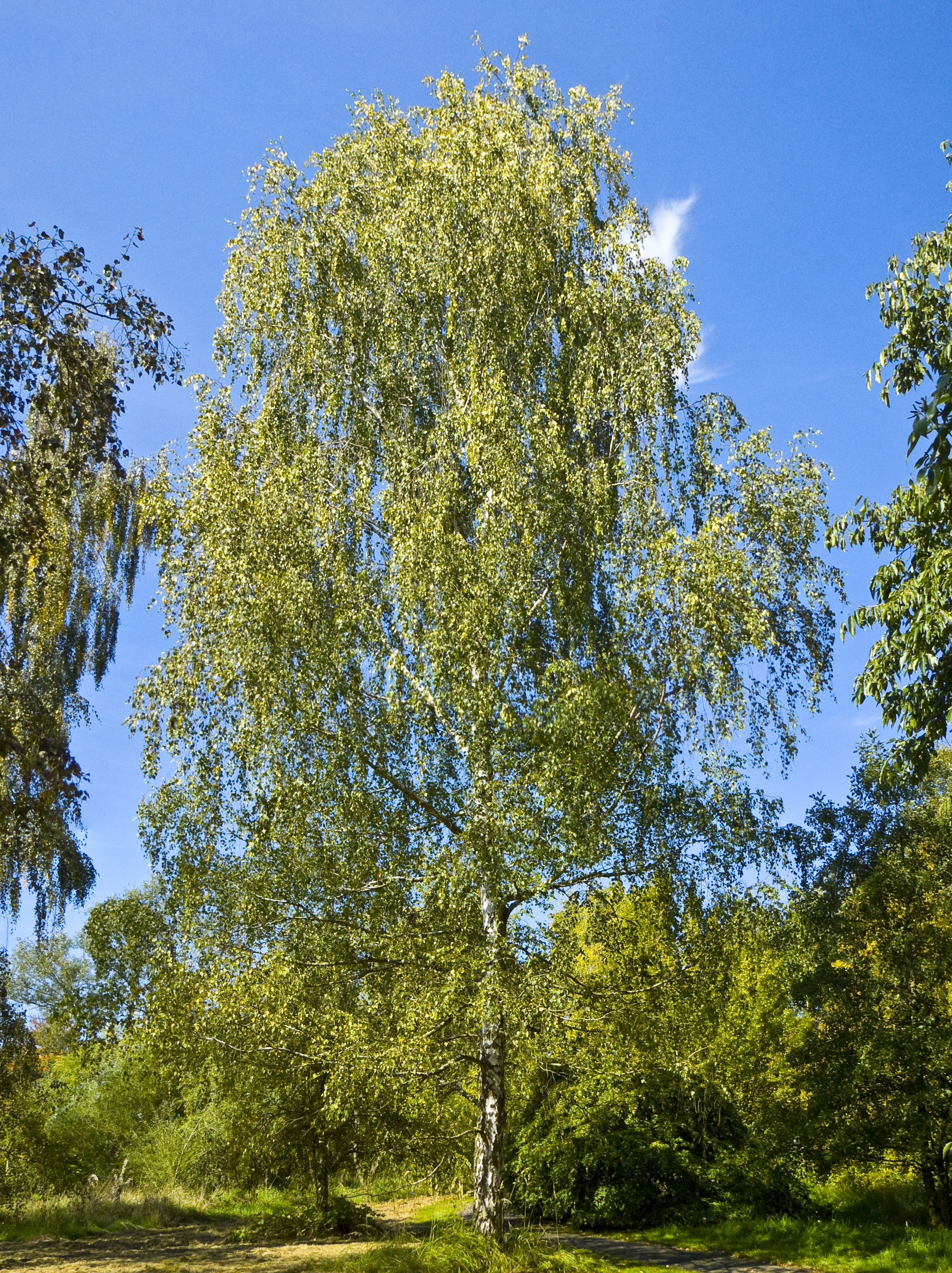
Birch Leaf: Materia Medica Birch leaves, like the first breeze of spring, stir the body into movement. Rich in minerals and gently detoxifying, they are traditional allies in cleansing protocols, joint support, and urinary tract health. Used in European and Native American herbalism, birch leaves bring lightness where there is heaviness—flushing out stagnation and revitalizing tissues. “Birch leaf awakens the waters—clearing the flow and easing the fire within.” MATERIA MEDICA Latin Binomial: Betula pendula , Betula pubescens , Betula papyrifera Common Name(s): Birch Leaf, White Birch, Silver Birch, Paper Birch TCM Name: Not commonly used in TCM Ayurvedic Name: No direct match, though energetically similar to mild diuretics and detoxifiers Family: Betulaceae Physical Description of the Plant: Tall deciduous trees with smooth white bark (often peeling) and heart- or ovate-shaped serrated leaves. Catkins appear in spring. The leaves are soft, bright green, and slightly sticky when young. Habitat: Native to temperate and boreal forests of Europe, Asia, and North America. Prefers moist, well-drained soils in cool climates. Harvest and Collection: Leaves are harvested in late spring to early summer, before becoming tough. Dry quickly in the shade to preserve color and potency. Parts of the Plant Used: Leaves (young and tender) Qualities: Bitter, astringent, slightly aromatic Energetics: Cooling, drying, moving Chemical Constituents: Flavonoids (hyperoside, quercetin, kaempferol) Triterpenes Tannins Saponins Volatile oils Vitamin C Mineral salts (notably potassium) Actions: Diuretic (aquaretic, increases urine flow without mineral loss) Anti-inflammatory Detoxifying Astringent Analgesic (mild) Antiseptic (especially urinary tract) Anti-rheumatic Indications: Water retention and edema Mild urinary tract infections Joint pain, arthritis, and gout Spring detoxification Skin eruptions linked to poor elimination Cellulite and lymphatic stagnation Diagnostic Picture: Birch leaf suits those with fluid stagnation, puffiness, sluggish lymph, or joint stiffness. It cools and clears, particularly in hot, inflamed, or damp constitutions. Contraindications/Cautions: Avoid in individuals with known allergy to salicylates Not recommended for those with kidney disease unless supervised Avoid during pregnancy unless directed by a qualified practitioner Drug Interactions: May enhance the effects of diuretics Caution with anticoagulants due to mild salicylate content Dosage: Infusion (Tea): 1–2 tsp dried leaves per cup; steep 10–15 minutes; up to 3x daily Tincture: 2–4 mL, 2–3x daily Compress or Poultice: Fresh or steeped leaves applied externally for swollen joints Bath Soak: Strong infusion added to bathwater for inflammation and skin conditions Combinations: With Dandelion Leaf and Nettle for a mineral-rich spring detox With Goldenrod and Uva-ursi for urinary tract support With Cleavers for lymphatic drainage With Willow Bark for anti-inflammatory synergy Folklore: Birch is a sacred tree in many traditions, symbolizing new beginnings and purification. In Slavic folk medicine, birch leaves were used in bathhouses and healing saunas. Birch brooms (bundles of fresh branches) were used in Nordic cultures to “sweep away illness” and refresh the skin. Applications: Ideal in spring teas and detox blends, birch leaf is a gentle eliminative that supports urinary health, clear skin, and comfortable joints. Its light bitterness and trace minerals make it a useful tonic in times of stagnation. Recipes: Spring Cleansing Tea Birch leaf Nettle leaf Dandelion leaf Steep 1 tbsp per quart of hot water; drink throughout the day for 1–2 weeks Joint Soothing Bath Birch leaf decoction (2 cups) Epsom salts Chamomile flowers (optional) Add to warm bath and soak for 20–30 minutes Lymph Support Infusion Birch leaf Cleavers Calendula Use daily in spring to support lymphatic flow and skin health Scientific Research: Birch leaf’s diuretic effects are well-documented in European herbal medicine, supporting urinary flow without disturbing electrolyte balance. Its anti-inflammatory and antioxidant properties contribute to joint and skin benefits. References: Hoffmann, D. “Medical Herbalism” Mills & Bone “Principles and Practice of Phytotherapy” British Herbal Pharmacopoeia European Medicines Agency Herbal Monographs Click here for our products with birch Three Birch Leaf Recipes to Try at Home Birch Leaf Tea Infusion 1 tablespoon dried birch leaves 1 cup boiling water Honey or lemon (optional) Place the dried birch leaves in a teapot or heatproof cup. Pour boiling water over the leaves, covering them completely. Allow the mixture to steep for 10-15 minutes. Strain the liquid into a cup, adding honey or lemon to taste if desired. Enjoy this refreshing tea up to twice daily. Birch Leaf Skin Toner 1 cup fresh or dried birch leaves 2 cups distilled water 1 tablespoon witch hazel Bring the distilled water to a boil in a small saucepan. Add the birch leaves and reduce the heat to a simmer. Simmer the leaves for 15 minutes, then remove from heat and let cool. Strain the liquid, discarding the leaves, and add the witch hazel. Pour the toner into a clean bottle and apply with a cotton pad to freshen the skin. Birch Leaf Vinegar 2 cups fresh birch leaves 2 cups apple cider vinegar Sterilized glass jar with lid Pack the fresh birch leaves into the sterilized jar. Pour the apple cider vinegar over the leaves, ensuring they are fully submerged. Seal the jar with a lid and store it in a cool, dark place for 4-6 weeks. Shake the jar gently every few days to mix the contents. Strain the infused vinegar into a clean bottle for use in salad dressings or as a tangy addition to marinades. Always consult a qualified health practitioner before introducing new herbal remedies into your routine.