Materia Medica: Bee Pollen
Société Apothecary
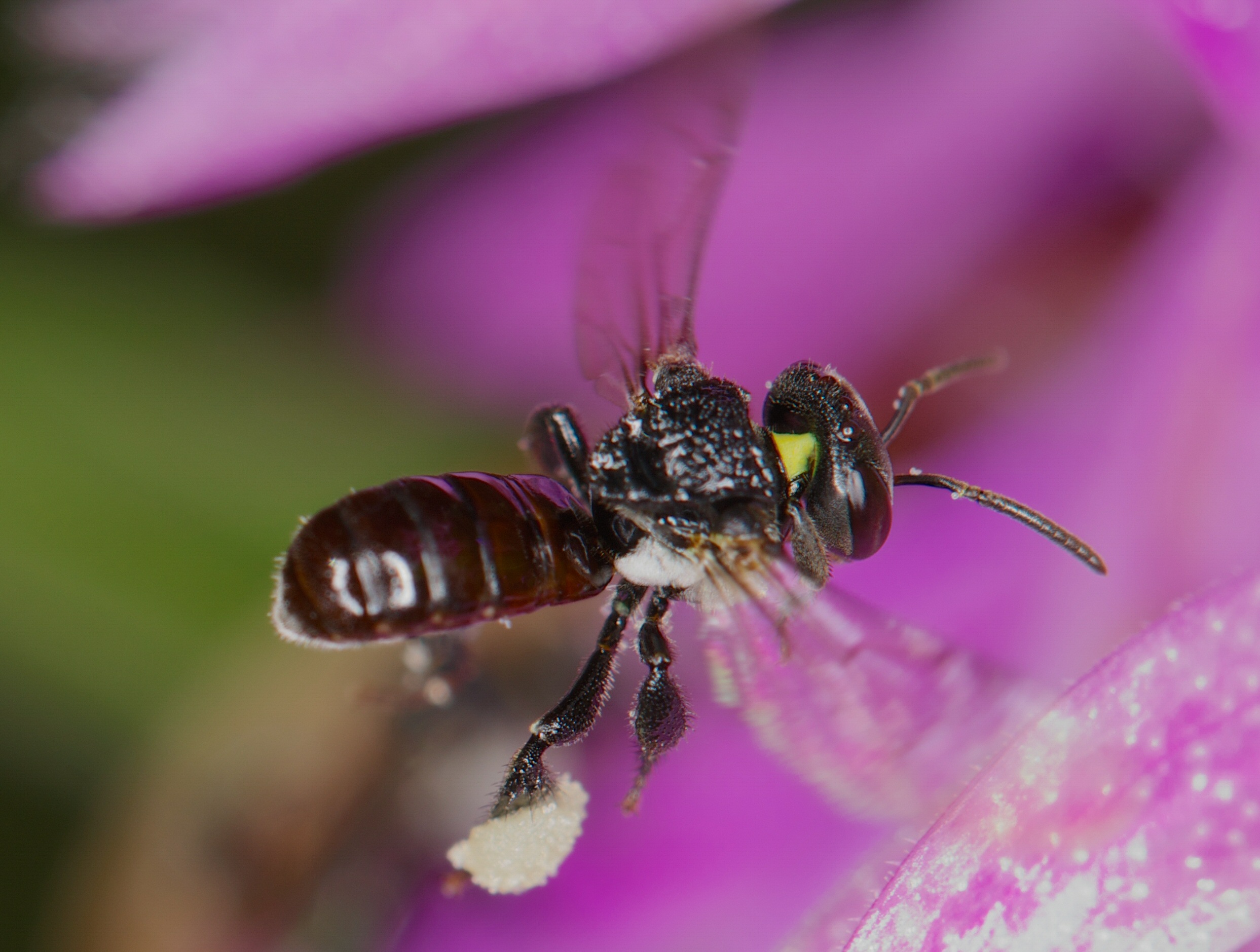
Summary Bee Pollen is a potent superfood and traditional remedy, revered for its ability to nourish the body, enhance energy, support immunity, and promote vitality . Collected by honeybees from flowering plants, bee pollen is rich in bioavailable nutrients, enzymes, amino acids, and antioxidants. It has been used in folk medicine across many cultures as a restorative tonic for fatigue, hormonal balance, and whole-body resilience. Materia Medica Latin Binomial: *Varied species, typically collected from multiple plant sources by Apis mellifera Common Names: Bee Pollen, Pollen Granules TCM Name: Feng Hua Fen Ayurvedic Name: Pushpadhuli Family: N/A (Product of multiple flowering plant species collected by bees) Physical Description Bee pollen appears as small, colorful granules ranging in color from yellow and orange to purple and brown. Each granule contains pollen from a different flower and is naturally bound together by nectar and bee enzymes. It has a slightly sweet, earthy taste with floral undertones. Habitat Bee pollen is gathered by honeybees from flowers in fields, gardens, and wild meadows. It is typically harvested from hives using a pollen trap that brushes the pollen off the bees’ legs as they enter the hive. Harvest and Collection Collected from beehives during flowering seasons (spring through late summer) Dried at low temperatures to preserve nutrients Stored in airtight containers and often refrigerated to prevent spoilage Parts Used Granules (whole pollen as collected from bees) Qualities & Benefits Key Actions: Adaptogen (supports overall vitality and stress response) Immune tonic (enhances immune system function) Anti-inflammatory (reduces systemic inflammation) Nutritive (rich in proteins, vitamins, and enzymes) Antioxidant (protects against oxidative stress) Hormone-balancing (supports endocrine health) Energetics: Taste: Sweet, slightly bitter, earthy Temperature: Neutral to warming Chemical Constituents Complete protein (including all essential amino acids) Vitamins (especially B-complex, A, C, D, E) Minerals (zinc, selenium, iron, magnesium) Flavonoids and carotenoids (antioxidants) Enzymes and coenzymes (support metabolism and digestion) Traditional Uses & Applications Western Herbalism Energy Tonic: Used to boost stamina, physical performance, and vitality. Immune Support: Strengthens the body’s resistance to infections and allergens. Hormonal Balance: Supports reproductive health and hormonal harmony. Allergy Relief: Taken regularly to reduce sensitivity to local allergens. Skin Health: Promotes tissue regeneration and a clear complexion. Eastern Herbalism Meridians: Spleen, Lung, Liver Qi Tonic: Used to build life force energy and combat fatigue. Supports Jing: Strengthens kidney essence and long-term vitality. Yin/Yang Balancing: Harmonizes endocrine system and immune responses. Indications Fatigue or burnout Immune deficiency Seasonal allergies (especially with local pollen) Nutritional deficiencies Hormonal imbalance or irregular cycles Weak digestion or sluggish metabolism Contraindications & Drug Interactions Use caution in individuals with severe pollen or bee product allergies May interact with anticoagulant medications (mild blood-thinning effect) Not recommended for those with autoimmune disorders unless advised by a practitioner Dosage & Preparations Granules (Raw Pollen) 1–2 teaspoons daily. Best taken in the morning on an empty stomach or with breakfast. Tincture Not commonly made, but when used: 1–2 mL daily in water or juice. Capsules/Powder Follow product-specific dosage guidelines; often 500–1000 mg per serving. Combinations With Local Honey for enhanced allergy support With Royal Jelly for hormonal and reproductive health With Ashwagandha for adaptogenic and stress-reducing synergy Folklore & Historical Uses Revered in ancient Chinese and Egyptian medicine as a life-extending tonic Used by Roman and Greek athletes for strength and endurance Considered a “perfect food” in traditional apothecaries for its complete nutrient profile Believed to enhance fertility and creative energy across multiple traditions Scientific Research & Studies Modern studies support bee pollen’s role in enhancing immune modulation, reducing inflammation, and protecting liver health . Research highlights its antioxidant capacity and benefits in improving fatigue, cardiovascular function, and reproductive health. Recipes Vitality Sprinkle Ingredients: 1 tsp Bee Pollen 1 cup yogurt or smoothie bowl Instructions: Sprinkle on top of breakfast or snacks for a nutrient-dense start to the day. Allergy Support Honey Blend Ingredients: 1 part Bee Pollen 3 parts Local Raw Honey Instructions: Blend and take 1 teaspoon daily before allergy season to reduce histamine sensitivity. Conclusion Bee Pollen is a golden ally for nourishment, immune resilience, and full-body vitality. With roots in ancient healing traditions and modern research, it offers a powerful way to replenish the body, calm inflammation, and harmonize the life force from within. Three Bee Pollen Recipes to Try at Home Bee Pollen Smoothie Delight 1 tablespoon bee pollen 1 banana 1/2 cup spinach 1/2 cup Greek yogurt 1 cup almond milk 1 tablespoon honey Add all ingredients to a blender. Blend on high speed until smooth and creamy. Pour into a glass and enjoy as a nourishing breakfast or snack. Bee Pollen Infused Honey 1/4 cup bee pollen 1 cup raw honey Glass jar with a lid In a small bowl, gently mix the bee pollen into the raw honey. Transfer the mixture into a clean glass jar. Seal tightly and store in a cool, dark place for one week, allowing the flavors to meld. Use it as a spread on toast or a sweetener in your tea. Bee Pollen Face Mask 1 tablespoon bee pollen 2 tablespoons plain yogurt 1 teaspoon coconut oil Grind the bee pollen into a fine powder using a mortar and pestle. In a small bowl, mix the powdered bee pollen with yogurt and coconut oil until well combined. Apply the mixture evenly to a clean face, avoiding the eye area. Leave on for 15 minutes, then rinse off with warm water, leaving your skin refreshed and glowing. Before incorporating bee pollen into your routine, consult a qualified healthcare practitioner, especially if you have allergies.