Materia Medica: Baobab
Société Apothecary
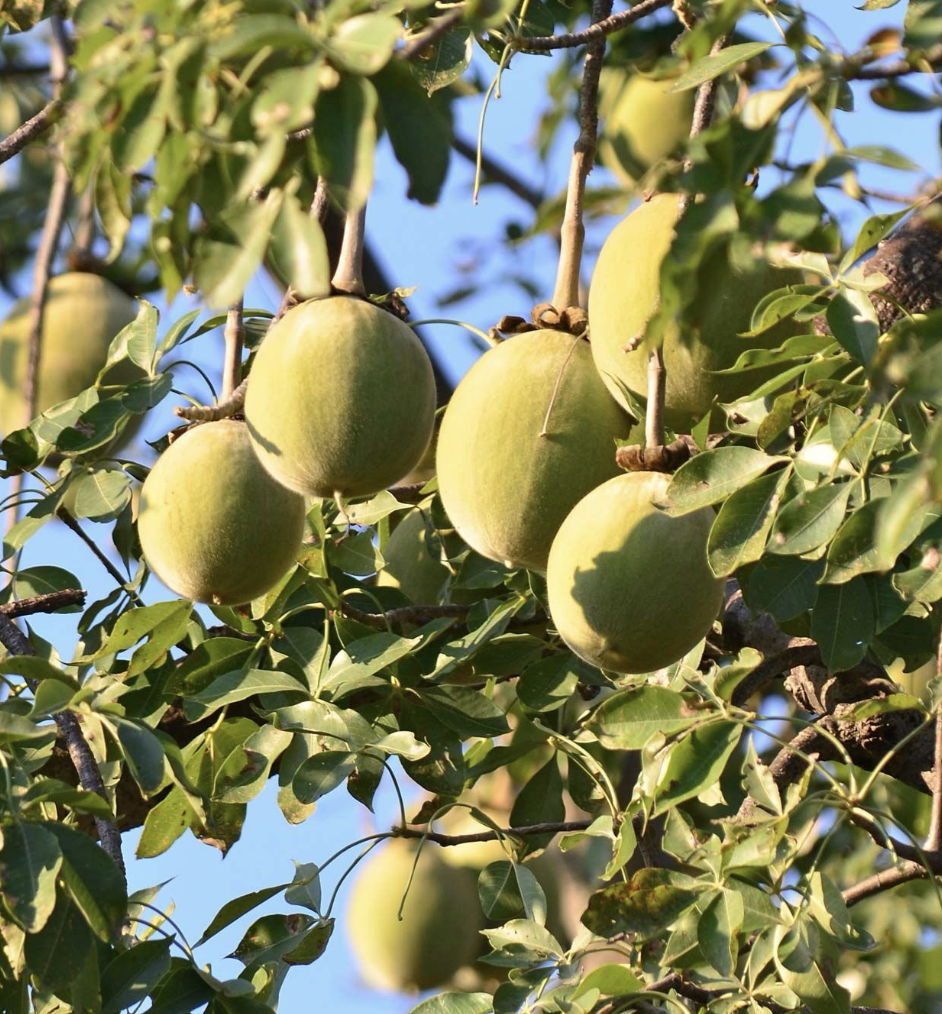
Baobab: Materia Medica Revered as the "Tree of Life," Baobab has long nourished communities across Africa with its fruit, leaves, bark, and seeds. The powdered pulp of its fruit, naturally dried on the tree, is a potent source of antioxidants, fiber, and vitamin C. With its tart, citrus-like flavor and deeply nourishing qualities, baobab powder is both food and medicine — and like all plant medicines, it's worth understanding its side effects and contraindications before working with it daily. "The Baobab is the keeper of stories, health, and strength—its fruit, a sun-dried gift from the ancestral canopy." MATERIA MEDICA Latin Binomial: Adansonia digitata Common Name(s): Baobab, Monkey Bread Tree, Cream of Tartar Tree TCM Name: Not traditionally used Ayurvedic Name: Gorakh Imli (Hindi), possibly used in regional folk medicine Family: Malvaceae Physical Description of the Plant: A massive, thick-trunked deciduous tree with a wide canopy, baobab may live for thousands of years. The fruit is gourd-like, oblong, and covered in a velvety shell. The dried pulp inside naturally dehydrates on the tree. Habitat: Native to sub-Saharan Africa, also found in parts of Madagascar, Australia, and the Arabian Peninsula. Thrives in arid and semi-arid climates. Harvest and Collection: Fruit is collected after natural drying on the tree. Pulp is separated from seeds and ground into a fine, pale powder. Sustainably wild-harvested or cultivated. Parts of the Plant Used: Fruit pulp (powder), seeds, leaves (occasionally), bark (externally or ceremonially) Qualities: Tart, citrusy, drying Energetics: Cooling, drying, nutritive Chemical Constituents: Vitamin C (high levels, especially in wild-harvested powder) Soluble and insoluble fiber Polyphenols and flavonoids (antioxidant) Potassium, calcium, magnesium, and iron Pectins and tannins Actions: Antioxidant Prebiotic Nutritional tonic Mild astringent Anti-inflammatory Blood sugar regulating Hydrating and electrolyte replenishing Indications: Digestive sluggishness, constipation, or irregularity Poor nutrient absorption or micronutrient deficiencies Immune depletion or frequent illness Blood sugar instability General fatigue or malnutrition Inflammatory skin or bowel conditions (used internally) Diagnostic Picture: Best for individuals with depleted immunity, sluggish digestion, or a need for micronutrient-rich nourishment. Especially supportive during illness recovery, fatigue, or hot climates. Contraindications/Cautions: May be too drying for those with very dry constitutions (balance with moistening herbs) Not recommended in large doses for those with sensitive stomachs due to high acidity High fiber content may cause bloating in some when first introduced Drug Interactions: May alter blood sugar response—monitor if using insulin or glucose-lowering medication Consider spacing apart from iron supplements or medications due to tannins Dosage: Powder (food-grade): 1–2 tsp daily mixed into smoothies, water, or food Capsules: 500–1000 mg up to 2x daily (less common form) Hydration Drink: 1 tsp powder, pinch of salt, squeeze of lime in water for electrolyte support Topical (Poultice): Occasionally used mixed with water for burns or inflamed skin Combinations: With Ginger or Cinnamon for digestive warming With Turmeric and Black Pepper for anti-inflammatory synergy With Hibiscus and Lemon Balm for cooling summer tonic With Slippery Elm or Marshmallow Root to balance drying effect Folklore: Baobab is often called the "upside-down tree" for its root-like branches. African traditions view it as a sacred tree, a meeting place, and a storehouse of wisdom and medicine. Its bark is used ceremonially, its fruit as sustenance, and its presence a reminder of resilience and grounded strength. In some cultures, baobab is associated with ancestral spirits and protection. Applications: Baobab is a modern superfood rooted in ancestral wisdom. Add to smoothies, herbal tonics, or energy balls for a tangy, nutritious boost. Use during recovery, detox, or as a daily source of gentle fiber and antioxidant support. Recipes: Baobab Vitality Smoothie 1 tsp Baobab powder 1 banana 1/2 cup coconut water 1/2 tsp ginger powder Blend and enjoy as a prebiotic-rich morning drink Cooling Herbal Electrolyte Tonic 1 tsp Baobab powder 1 cup water Pinch Himalayan salt Squeeze of lime Optional: splash of hibiscus tea Shake well and sip throughout the day Immunity Sprinkle 1 tsp Baobab powder 1/2 tsp turmeric Dash cinnamon Mix into oatmeal or yogurt Scientific Research: Studies confirm baobab's high antioxidant capacity, especially polyphenols that may support gut health and reduce inflammation. Research also supports its prebiotic fiber's role in improving gut flora and glucose response. Clinical data on its vitamin C bioavailability is promising, but more human studies are ongoing. References: Chivandi, E. et al. "Nutritional and medicinal value of Baobab fruit." Food Research International Coe, S. et al. "Baobab fruit and blood sugar modulation." Nutrition Journal McKenna, S. "Baobab: Africa's Superfruit" https://www.ncbi.nlm.nih.gov https://www.africanbaobab.org https://www.mountainroseherbs.com Baobab Powder Side Effects and Precautions Baobab powder is generally well tolerated and considered safe as a food-grade supplement when used in typical culinary amounts. That said, as with any plant medicine, the side effects of baobab powder are worth understanding — especially if you're new to it or working with a specific health condition. Here is what to be mindful of: Digestive adjustment period: Baobab's high fiber content — both soluble and insoluble — can cause bloating, gas, or loose stools when first introduced, particularly if your current diet is low in fiber. Start with a small amount (around ½ tsp daily) and increase gradually to allow your gut microbiome to adjust. Acidity and sensitive stomachs: The tartness of baobab comes partly from its natural acidity. Those prone to acid reflux, gastritis, or sensitive digestion may find larger doses aggravating. Take it with food and reduce the amount if any discomfort arises. Drying effect on constitution: From a traditional herbalism perspective, baobab is cooling and drying in nature. If you already tend toward dryness — dry skin, dry mucous membranes, or a Vata-dominant constitution in Ayurvedic terms — balance baobab with moistening herbs like Marshmallow Root or Slippery Elm. Blood sugar effects: Baobab has shown promising results in moderating blood glucose response, which is largely beneficial. However, those taking insulin or blood-sugar-lowering medications should monitor carefully, as baobab powder may enhance these effects. Consult your prescribing practitioner before adding it regularly to your diet. Tannin content and mineral absorption: Baobab contains tannins, which can bind to iron and other minerals and potentially reduce their absorption. If you are taking iron supplements or managing iron-deficiency anaemia, consider spacing baobab intake away from your supplements by at least two hours. Pregnancy and breastfeeding: There is insufficient clinical research on the safety of baobab powder in therapeutic doses during pregnancy or breastfeeding. Using it occasionally as a food ingredient is generally considered low risk, but always consult a qualified midwife or healthcare practitioner before supplementing. Allergic reactions: Rare, but possible. If you experience any itching, swelling, or unusual reactions after consuming baobab powder, discontinue use and seek guidance from a healthcare professional. As with all herbal and nutritional supplements, the dose makes the difference. Baobab is nourishing and gentle at everyday culinary amounts — it's high-dose, prolonged use without guidance where caution becomes most relevant. When in doubt, consult a qualified herbalist or integrative health practitioner to determine what's right for your individual constitution. Three Baobab Recipes to Try at Home Baobab Morning Smoothie 1 tablespoon baobab powder 1 cup almond milk (or milk of choice) 1 banana 1 tablespoon honey 1/2 teaspoon vanilla extract Handful of ice cubes Combine all ingredients in a blender. Blend until smooth and creamy. Pour into a glass and enjoy the refreshing start to your day. Baobab Face Mask 2 tablespoons baobab powder 1 tablespoon honey 1 tablespoon plain yogurt A few drops of rose water (optional) In a small bowl, mix the baobab powder and honey until well combined. Stir in the yogurt until you achieve a smooth paste. Add rose water for extra hydration, if desired. Apply the mask evenly to your face, avoiding the eye area. Leave on for 10-15 minutes, then rinse with warm water and pat dry. Baobab Herbal Tea 1 tablespoon baobab powder 2 cups boiling water 1-2 slices of fresh ginger 1 tablespoon lemon juice Honey or sweetener of choice, to taste Place the baobab powder and ginger slices in a teapot or heatproof jug. Pour in the boiling water and let it steep for 5-10 minutes. Strain the tea into cups, discarding the ginger. Stir in the lemon juice and sweeten with honey if desired. Sip and enjoy the soothing warmth. Always consult a qualified healthcare practitioner before starting any new herbal regimen.