Materia Medica: Astragalus Root
Société Apothecary
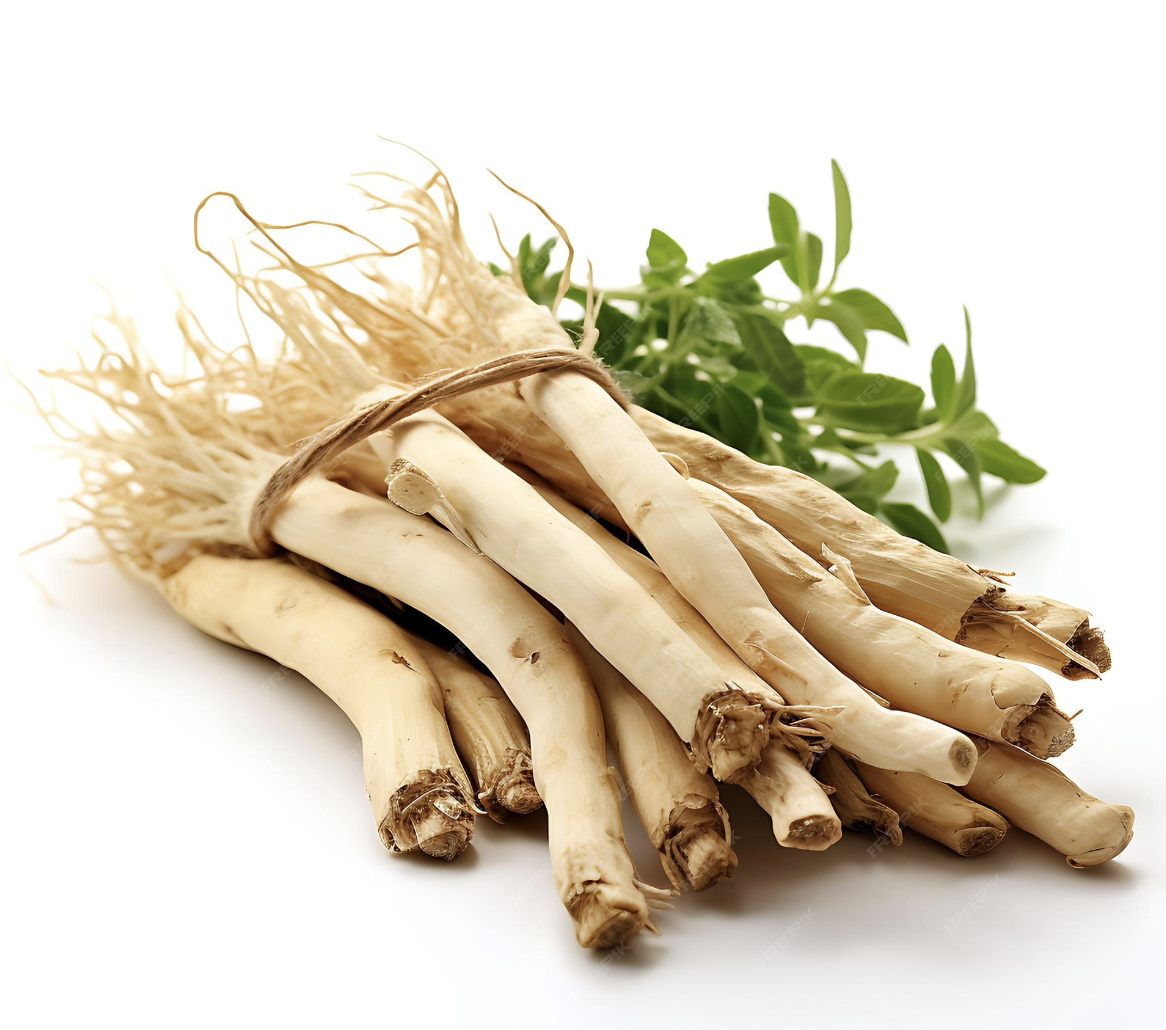
]( https://www.societeapothecary.com/s/search?q=comfrey%20root ) A foundational herb in Traditional Chinese Medicine, Astragalus has earned global recognition as a deep immune tonic and protector of vitality. It strengthens the body’s Wei Qi—our defensive energy—and nourishes the core. Gentle yet powerful, it supports resilience, recovery, and long-term health. “Astragalus roots the spirit in strength—building inner walls of defense and vitality.” MATERIA MEDICA Latin Binomial: Astragalus membranaceus Common Name(s): Astragalus, Huang Qi (黄芪) TCM Name: Huang Qi Ayurvedic Name: Not traditionally used; modern integration only Family: Fabaceae Physical Description of the Plant: A perennial herb with pinnate leaves and small yellow flowers. The roots are yellowish, fibrous, and sweet-tasting when dried. Related to peas and legumes. Habitat: Native to northern and eastern China, Mongolia, and Korea. Cultivated widely in Asia for medicinal use. Harvest and Collection: Roots are harvested from 4–7-year-old plants in late summer or fall, cleaned, sliced, and dried. Parts of the Plant Used: Root (dried) Qualities: Sweet, mild, nourishing Energetics: Slightly warm, tonifying, moistening (in context of dryness) Chemical Constituents: Polysaccharides (astragalans) Flavonoids Triterpene saponins (astragalosides I–IV) Amino acids Trace minerals Isoflavones Coumarins Actions: Immunomodulating Adaptogen Antioxidant Tonic (Qi tonic) Diuretic Hepatoprotective Cardioprotective Anti-inflammatory Mildly antiviral Indications: Frequent colds or flus (prevention) Recovery from illness, surgery, or fatigue Low immunity and general debility Allergies and autoimmune tendency (modulating) Poor appetite, fatigue, and weak digestion Heart and kidney Qi deficiency in TCM Postpartum support Radiation/chemotherapy recovery support Diagnostic Picture: Astragalus suits those who are tired, immunocompromised, and recovering from long stress or illness. It is ideal for “run down” constitutions with poor boundaries and low stamina. Not for acute illness, but excellent in prevention and recovery. Contraindications/Cautions: Not to be used during acute infection (may “trap” the pathogen by strengthening exterior too soon) Use with caution in active autoimmune flares without professional guidance Avoid during high fever or active illness Drug Interactions: May interact with immunosuppressive drugs Monitor blood sugar and blood pressure if taking related medications Dosage: Decoction: 9–15 grams dried root simmered 20–30 minutes in water Tincture: 2–5 mL up to 3x daily Powder: 500–1000 mg capsules, 1–3x daily Slices: Added to broths, soups, or teas for long-term tonic use Combinations: With Reishi and Eleuthero for immune support and stamina With Licorice and Ginger for respiratory and digestive tonics With Codonopsis and Dang Shen in TCM Qi-tonic formulas With Ashwagandha or Schisandra for adrenal and stress recovery Folklore: Astragalus has been used for over 2,000 years in TCM, often called the “Great Protector.” It was used to strengthen Wei Qi and shield the body from external pathogens. Traditional formulas often included it to support the Spleen and Lung meridians and rebuild post-illness. Applications: Astragalus is best used long-term for immune building, stress resilience, and recovery. It's ideal in daily teas, decoctions, or food-based preparations. Think of it as the “shield and builder”—restoring and protecting over time. Recipes: Immune-Building Broth Astragalus slices Shiitake mushrooms Garlic, ginger, and miso Simmer in bone broth or vegetable stock for a nourishing daily tonic Recovery Tea Blend 1 part Astragalus root 1 part Licorice root 1 part Orange peel Decoct for 30 minutes and sip warm Adaptogen Powder Mix Astragalus powder Ashwagandha powder Maca powder Blend in smoothies or warm milk drinks Scientific Research: Modern research supports Astragalus’s immunomodulatory and adaptogenic effects. It enhances macrophage function, supports bone marrow activity, and demonstrates antiviral and hepatoprotective actions. It's being studied for use in oncology, cardiology, and chronic fatigue. References: Bensky & Gamble “Chinese Herbal Medicine: Materia Medica” Hoffmann, D. “Medical Herbalism” PubMed articles on Astragalus membranaceus World Health Organization Monographs https://www.ncbi.nlm.nih.gov Check out our astragalus root products here . Three Astragalus Root Recipes to Try at Home Astragalus Root Immune-Boosting Tea 2 tablespoons dried astragalus root 4 cups water 1 tablespoon honey (optional) 1 slice of lemon (optional) Combine the dried astragalus root and water in a saucepan. Bring to a gentle boil, then reduce the heat and let it simmer for about 30 minutes. Strain the liquid into a mug, discarding the root pieces. Add honey and lemon for extra flavor if desired, and enjoy warm. Astragalus Root and Ginger Syrup 1 cup dried astragalus root 4 cups water 1/2 cup fresh ginger, sliced 1 cup honey In a pot, bring the astragalus root, ginger, and water to a boil. Reduce the heat and simmer for about 40 minutes until the liquid is reduced by half. Strain the liquid, removing the root and ginger pieces. Stir in the honey until fully dissolved, and store the syrup in a glass jar in the refrigerator. Astragalus-Infused Rice 2 cups jasmine or basmati rice 4 cups water 1/4 cup dried astragalus root 1 tablespoon olive oil Salt to taste Rinse the rice until the water runs clear and set aside. In a large saucepan, bring water and astragalus root to a boil. Remove the astragalus root, then add the rice, olive oil, and salt. Cover and reduce the heat to low, letting it simmer until the rice is tender and the water is absorbed, about 15 minutes. Fluff with a fork before serving. Always consult a qualified healthcare practitioner before incorporating new herbal remedies into your routine.