Materia Medica: Ashwagandha
Société Apothecary
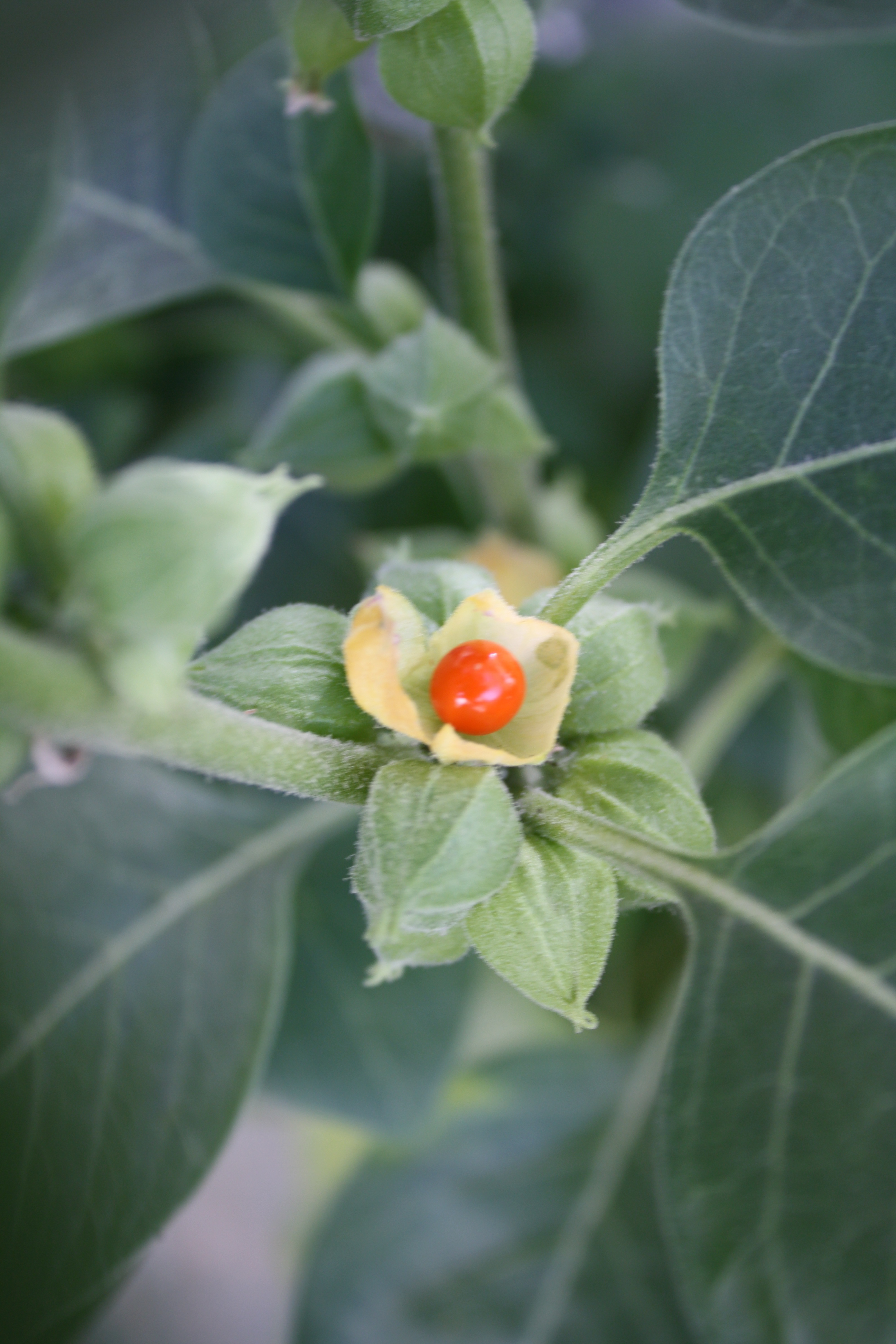
Ashwagandha: Materia Medica Deeply grounding and rejuvenating, Ashwagandha is a revered rasayana in Ayurveda—a herb that restores vitality, strengthens the nervous system, and balances mind, body, and spirit. Known as “Indian Ginseng,” it offers a steady, sustained energy, unlike stimulants, by nourishing the body at its roots. “Ashwagandha is the calm within the storm—the strength of the horse and the peace of deep sleep.” MATERIA MEDICA Latin Binomial: Withania somnifera Common Name(s): Ashwagandha, Indian Ginseng, Winter Cherry TCM Name: Not traditionally used Ayurvedic Name: Ashwagandha (अश्वगंधा) Family: Solanaceae (Nightshade family) Physical Description of the Plant: A small, woody shrub with dull green, ovate leaves and bell-shaped yellow-green flowers. The ripe fruit is small, red, and enclosed in a papery husk. Roots are long, brown, and earthy-smelling—resembling horse sweat, hence the name. Habitat: Native to India, the Middle East, and parts of Africa. Thrives in dry, warm regions. Now cultivated globally for medicinal use. Harvest and Collection: Roots are harvested after 1–2 years of growth, typically in autumn. Dried thoroughly and powdered for use. Parts of the Plant Used: Root (primary medicinal part); leaves sometimes used for topical or mild calming effects Qualities: Bitter, astringent, sweet Energetics: Warming, grounding, building, mildly drying Chemical Constituents: Withanolides (withaferin A, withanone) Alkaloids (anaferine, isopelletierine) Saponins Iron and other minerals Steroidal lactones Actions: Adaptogen Nervine tonic Anxiolytic Anti-inflammatory Immunomodulatory Mild sedative Reproductive tonic (especially male) Endocrine normalizer (thyroid, adrenals) Indications: Stress, burnout, chronic fatigue Anxiety, insomnia, or nervous tension Weakened immunity Adrenal fatigue or hypothyroidism Low libido or infertility (especially male) Brain fog, low focus Recovery from long-term illness Diagnostic Picture: Ashwagandha is ideal for those who feel exhausted but wired—depleted, overworked, anxious, and struggling to rest. It builds strength from deep within, supports endocrine balance, and restores resilience to both physical and emotional stress. Contraindications/Cautions: Avoid in pregnancy (traditionally considered contraindicated due to potential uterine stimulant effects) May be too heating for those with high pitta (fiery constitution) unless balanced Caution in individuals with hyperthyroidism or on thyroid medication Use with professional guidance in autoimmune conditions Drug Interactions: May potentiate effects of sedatives, anxiolytics, or thyroid medications Monitor blood sugar if on diabetic medications Dosage: Powder (Churna): 1–2 tsp daily in warm milk, ghee, or honey (traditional Ayurvedic method) Tincture: 2–4 mL up to 2x daily Capsules/Extracts: 500–1000 mg 1–2x daily (standardized to withanolide content) Decoction: Less common; powder preferred in traditional practice Combinations: With Shatavari or Licorice for endocrine and reproductive balance With Tulsi or Brahmi for mental clarity and spiritual calm With Rhodiola or Eleuthero for daytime adaptogenic blends With Nutmeg or Chamomile for sleep and nighttime relaxation Folklore: In Ayurveda, Ashwagandha is considered a rasayana —a rejuvenative that promotes longevity, vitality, and strength. The name translates to “smell of a horse,” reflecting both its earthy aroma and the vigor it bestows. It is associated with the deity Hanuman and is often given to men and elders to preserve virility and endurance. Applications: Ashwagandha works best with consistent, long-term use. It helps rebuild depleted adrenal and nervous systems, making it invaluable for modern life’s chronic stress, insomnia, and exhaustion. Safe for daily use in powder or capsule form when indicated. Excellent in evening tonics or daytime stress support. Recipes: Ashwagandha Moon Milk 1 tsp Ashwagandha powder 1 cup warm milk (cow, almond, or oat) Pinch cardamom and cinnamon Sweeten with honey Drink before bed to relax and restore Adaptogen Restore Blend Ashwagandha root Licorice root Tulsi Tincture formula or tea blend for stress and fatigue Golden Root Tonic 1 part Ashwagandha 1 part Turmeric Black pepper (small amount for absorption) Mix into warm milk or ghee for inflammation and adrenal support Scientific Research: Clinical studies support Ashwagandha’s role in reducing cortisol, improving stress tolerance, enhancing sleep quality, and boosting testosterone in men. Additional research supports its antioxidant and anti-inflammatory properties, especially for the nervous and endocrine systems. References: Tiwari, V., et al. "Adaptogenic effects of Withania somnifera." Journal of Ethnopharmacology Pole, S. “Ayurvedic Medicine: The Principles of Traditional Practice” Hoffmann, D. “Medical Herbalism” https://www.ncbi.nlm.nih.gov https://www.banyanbotanicals.com https://www.ayurveda.com Check out our ashwagandha products here . Three Ashwagandha Recipes to Try at Home Calming Ashwagandha Tea 1 teaspoon dried ashwagandha root powder 1 cup water 1 teaspoon honey or maple syrup (optional) A pinch of cinnamon (optional) Boil the water in a small pot. Add the ashwagandha powder to the boiling water and simmer for 10 minutes. Strain the tea into a cup. Stir in honey or maple syrup and a pinch of cinnamon if desired for added flavor. Enjoy warm, especially in the evening for a calming effect. Nourishing Ashwagandha Golden Milk 1 cup milk (dairy or plant-based) 1 teaspoon ashwagandha powder 1/2 teaspoon turmeric powder 1/4 teaspoon ginger powder 1 teaspoon coconut oil Honey to taste Heat the milk in a saucepan over medium heat until warm (do not boil). Stir in ashwagandha, turmeric, ginger, and coconut oil. Mix well until all the ingredients are combined and the milk is a rich golden color. Pour into a mug and sweeten with honey as desired. Sip slowly and enjoy as a nourishing bedtime ritual. Ashwagandha-Infused Honey 1/4 cup dried ashwagandha root 1 cup raw honey A clean jar with a lid Place the ashwagandha root in the jar. Pour the honey over the root, ensuring it's fully covered. Seal the jar and let it sit for 2-4 weeks, shaking it every few days. Strain the honey to remove the root, then transfer the infused honey back into the jar. Use a spoonful in teas, on toast, or as a sweet, adaptogenic addition to your favorite recipes. Consult a qualified practitioner before starting any herbal regimen, especially if pregnant, nursing, or on medication.