🌿 Materia Medica: Amla
Société Apothecary
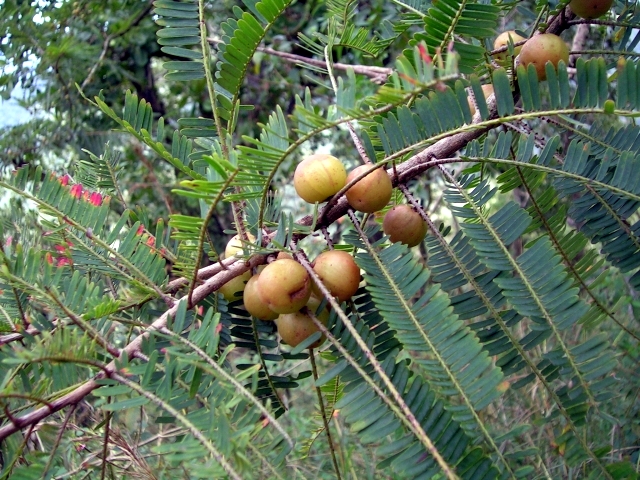
Latin Binomial: Phyllanthus emblica (syn. Emblica officinalis ) Common Names: Amla, Indian Gooseberry, Amalaka, Emblic Myrobalan Family: Phyllanthaceae 🌳 Botanical Description Amla is a small-to-medium-sized deciduous tree native to India and Southeast Asia , with light gray bark and feathery, pinnate leaves. It produces small, round, greenish-yellow fruits with six vertical stripes and a notably astringent, sour taste . These fruits are revered in Ayurveda and traditional systems of medicine. 🌍 Habitat & Cultivation Amla thrives in tropical and subtropical climates and is widely cultivated in India, Sri Lanka, and parts of Southeast Asia. The fruits are harvested in the autumn , usually after falling from the tree when ripe. It’s one of the few fruits that retains its Vitamin C content even after drying or processing . 🍃 Parts Used Fruit (fresh or dried) – the primary medicinal part Seed, leaf, and root – used occasionally in traditional practices 💊 Key Constituents Vitamin C (ascorbic acid – in highly stable natural form) Tannins (emblicanin A & B – antioxidant compounds) Gallic acid and ellagic acid (polyphenols) Flavonoids (quercetin, rutin) Alkaloids and pectins 🌿 Herbal Actions Rasayana (Ayurvedic rejuvenative) Antioxidant Adaptogen (mild) Digestive tonic Liver protective Anti-inflammatory Immunomodulator Mild laxative Astringent Hypoglycemic and hypolipidemic (balances blood sugar and cholesterol) 🌡️ Energetics Taste (Rasa) : Predominantly sour , but also sweet, bitter, pungent, and astringent – one of the only herbs to possess all five tastes except salty Virya (Energy) : Cooling Vipaka (Post-digestive effect) : Sweet Tissue State : Hot, dry, or depleted Dosha Effects : Pacifies Pitta and Vata , mildly Kapha-reducing Planetary Association : Moon (calming, cooling, nurturing) 🎯 Indications Inflammation (skin, gut, liver) Weak digestion with tissue depletion Low immunity or frequent colds Hyperacidity, gastritis, ulcers Premature aging or oxidative stress Liver toxicity or sluggish detoxification High cholesterol or blood sugar imbalance Weak hair, skin, nails (traditional use) Reproductive and adrenal depletion 🧴 Preparations & Dosage FormDosageNotesPowder (Churna) 1–3 g dailyTaken with warm water or honey; cornerstone of Ayurveda Capsules/Tablets 500–1000 mg, 1–2x dailyStandardized extracts often available Juice (Fresh or bottled) 10–30 mL/dayTraditional liver and skin tonic Tincture 2–4 mL, 2–3x dailyLess common in Western practice Infusion/Decoction Less commonCan be used for digestive or cooling support Amla oil TopicalUsed in hair care for strengthening and shine ⚠️ Contraindications & Cautions Generally very safe for long-term use High doses may cause loose stools in sensitive individuals May lower blood sugar —monitor if on antidiabetic medications Due to its cooling nature, may aggravate cold or damp conditions in excess 🌺 Traditional & Cultural Uses Ayurveda Considered a rejuvenative herb (rasayana) for all tissues (dhatus) Chief ingredient in Triphala , one of Ayurveda’s most well-known formulas Used to balance Pitta , promote longevity, enhance digestion, and cool inflammation Believed to nourish Ojas (vital essence) and build resilience to stress Unani & Siddha Medicine Used for blood purification, liver detoxification, and skin clarity 🌕 Energetic & Spiritual Aspects Revered as the “nurse of nature” in classical texts Symbol of purity, immortality, and protection Traditionally planted near temples in India for spiritual protection Believed to nourish prana and support clarity of the mind and heart 🌟 Common Combinations With Bibhitaki & Haritaki in Triphala for digestive and eliminative balance With Ashwagandha for immune and adrenal support With Guduchi or Turmeric for inflammation and liver cleansing With Shatavari or Licorice for rejuvenation and Pitta-pacifying effects 📚 Research & Modern Insights Shown to reduce LDL cholesterol and triglycerides in clinical trials Demonstrated potent antioxidant effects , comparable to vitamin E May help modulate blood sugar in type 2 diabetes Supports collagen production and skin health; often used in natural cosmetics Early evidence for neuroprotective, anti-aging, and hepatoprotective benefits ✍️ Summary Amla is one of the most revered herbs in Ayurveda , praised for its ability to cool, nourish, rejuvenate, and protect . Its impressive array of actions—spanning from digestive and liver support to immune and anti-aging effects—makes it a truly holistic herb. Whether you're using it to support graceful aging, balance fiery digestion, or build long-term vitality, Amla stands as a foundational tonic for body, mind, and spirit . Three Amla Recipes to Try at Home Amla Nourishing Hair Oil 1 cup dried amla powder 1 cup coconut oil 1 tablespoon fenugreek seeds Heat the coconut oil in a pan over low heat. Add the amla powder and fenugreek seeds to the oil. Allow the mixture to simmer for about 15 minutes, stirring occasionally. Once the oil is infused and has a pleasant aroma, remove from heat and let it cool. Strain the oil to remove the solids, and store it in a clean, dry bottle. Massage into your scalp and hair, leaving it on for at least an hour before washing out. Amla Digestive Tonic 2 tablespoons amla juice 1 tablespoon honey 1 teaspoon ginger juice 1 cup warm water Combine the amla juice, honey, and ginger juice in a cup. Stir until the honey is fully dissolved. Add the warm water and mix well. Enjoy this tonic on an empty stomach in the morning for optimal digestive benefits. Amla Skin Brightening Face Mask 2 tablespoons amla powder 1 tablespoon plain yogurt 1 teaspoon honey In a small bowl, mix the amla powder and yogurt until smooth. Add the honey and stir until well combined. Apply the mixture evenly to your face, avoiding the eye area. Leave the mask on for 15-20 minutes. Rinse off with warm water and pat your skin dry. As with any herbal remedy, it's wise to consult a qualified practitioner, especially if you have existing health conditions or concerns.