Maca Root Powder: Ancient Andean Superfood for Modern Vitality
Société Team
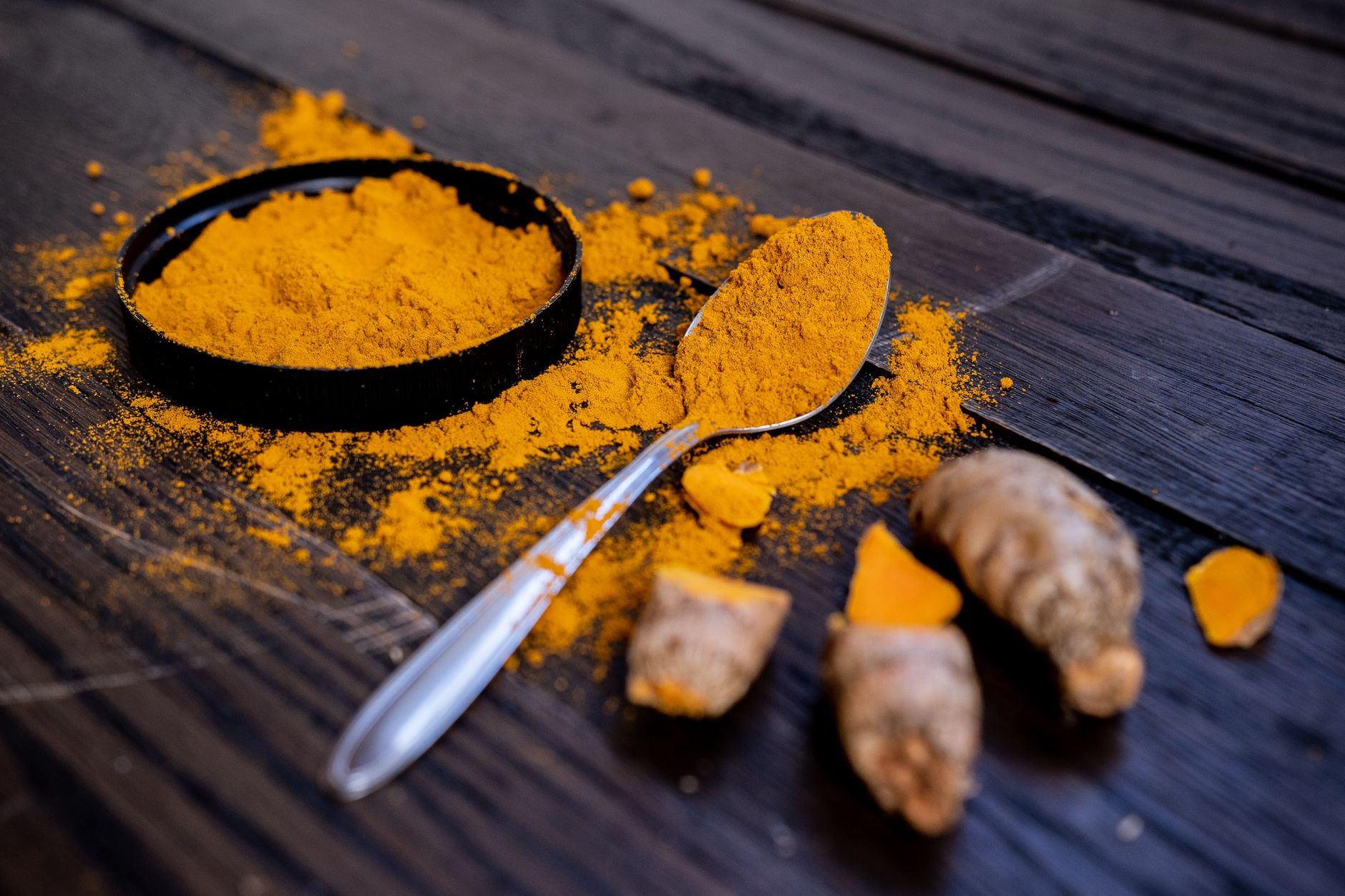
The Root That Fueled an Empire High in the Peruvian Andes, where the air is thin and the soil is unforgiving, one plant has thrived for thousands of years — and sustained the people who depended on it. Maca root powder has been a cornerstone of Andean herbal wisdom for centuries, prized as both food and medicine by indigenous communities long before the outside world took notice. Historical accounts suggest that Incan warriors consumed maca before battle to enhance strength and endurance. After conquest, Spanish colonizers reportedly demanded maca as tribute, recognizing its extraordinary value. Today, that same root — now ground into a fine powder — sits in smoothie bowls and wellness rituals around the globe. Its journey from high-altitude staple to internationally recognized adaptogen is a testament to enduring herbal wisdom and the timeless relationship between plants and human vitality. > "Maca is the gift of the mountains — a food that feeds the body, sharpens the mind, and warms the spirit. To eat maca is to carry the strength of the Andes within you." > — Traditional Andean saying --- MATERIA MEDICA Scientific Name: Lepidium meyenii (also referred to as Lepidium peruvianum ) Common Names: Maca, Peruvian Ginseng, Maca-Maca, Ayak Chichira Family: Brassicaceae (Mustard family) Plant Overview: Maca is a biennial or perennial herbaceous plant that grows low to the ground, rarely exceeding 20 cm in height. Its most significant feature is its large, fleshy hypocotyl — the swollen root-stem junction that forms the edible portion of the plant. Physical Description: The leaves of maca are basal, frilly-edged, and deeply lobed, spreading in a rosette pattern close to the soil surface. Small, self-fertilizing white flowers emerge on short stems, typical of the Brassicaceae family. The root itself — the most valued part — resembles a large radish or turnip. It ranges in color from creamy white and yellow to red, purple, and nearly black, with each color variety associated with slightly different properties in traditional use. When dried and ground, the root becomes the familiar maca root powder : a fine, cream-to-tan flour with a distinctive earthy, slightly butterscotch-like aroma. --- Habitat and Cultivation Maca grows almost exclusively in the Junín plateau of the Peruvian Andes, at elevations between 4,000 and 4,500 meters above sea level. These extreme altitudes expose the plant to intense UV radiation, dramatic temperature swings, and high winds — conditions that few crops can survive. This environmental stress is believed to be part of what makes maca so nutritionally dense and medicinally potent. The plant has adapted by concentrating a remarkable array of nutrients and bioactive compounds in its root. Small-scale cultivation has been attempted in other high-altitude regions, including parts of China and Bolivia. However, Peruvian-grown maca is still considered the benchmark for quality and potency in herbal commerce. --- Harvest, Collection, and Processing Maca roots are traditionally harvested after a growing cycle of approximately 9 to 10 months. The roots are pulled by hand, cleaned, and then sun-dried on the open plateau — a process that can take several weeks at high altitude. This slow, traditional drying method is important. It preserves key bioactive compounds and concentrates the root's natural sugars, contributing to its distinctive malty flavor. Once dried, the root can be stored for years — a critical feature in high-altitude communities where food security is seasonal. For modern maca root powder, dried roots are milled into a fine powder. Gelatinized maca is a processed form where the starch has been removed through heating, making it easier to digest — a useful option for those with sensitive stomachs. Harvest and Preparation Notes: - Roots are harvested at full maturity, typically in June–July - Traditional sun-drying is preferred to preserve bioactivity - Raw powder retains more enzymes; gelatinized is gentler on digestion - Store powder in an airtight container away from heat and moisture --- Parts Used, Qualities, and Energetics Parts Used: Root (dried and powdered hypocotyl) Taste: Sweet, starchy, malty, with a subtle peppery undertone Qualities: Warm, moist, nourishing, grounding Energetics: In the framework of traditional energetic herbalism, maca is considered a warming and building herb. It tonifies and nourishes depleted tissue states — particularly in conditions characterized by coldness, fatigue, and deficiency. Maca's energetic properties align with what many traditions call an adaptogen — a substance that helps the body resist non-specific stressors and return to balance. It is neither sharply stimulating nor sedating, but rather deeply sustaining. For both maca root powder benefits for women and maca root powder benefits for men , this grounding, warming energy is central. It supports the body's foundational reserves rather than forcing a short-term response. --- Actions and Chemical Constituents Actions: - Adaptogenic - Nutritive tonic - Endocrine supportive - Libido enhancing - Mood supportive - Mild energizing (non-stimulant) - Bone-nourishing - Fertility supportive Chemical Constituents: - Macamides and macaenes — unique to maca; believed to be responsible for its libido and energy-enhancing effects - Glucosinolates — sulfur-containing compounds with hormone-modulating potential - Alkaloids (including lepidiline A and B) — contribute to endocrine interactions - Sterols — including beta-sitosterol, campesterol, and stigmasterol - Amino acids — arginine, serine, histidine, glutamic acid, and others - Minerals — iron, zinc, copper, calcium, potassium, iodine - Vitamins — B1, B2, B6, C, and niacin - Polysaccharides — supportive of immune function and sustained energy - Flavonoids — antioxidant and anti-inflammatory activity The macamides , in particular, are a class of fatty acid amides found nowhere else in the plant kingdom. They are considered the primary bioactive compounds responsible for many of maca's most studied effects on libido, stamina, and mood. --- Indications and Traditional Uses Maca root powder's traditional uses span a broad range of conditions, many of which are now supported by emerging clinical research: Fatigue and low energy — one of the most well-established uses; maca provides sustained energy without the crash associated with stimulants Low libido — used traditionally for both men and women; modern research supports its role in sexual function and desire Hormonal balance — particularly relevant for maca root powder for women navigating perimenopause, menopause, and menstrual irregularity Fertility support — traditionally given to both men and women to support reproductive health; research shows improvements in sperm motility and quality in men Mood and mental clarity — users frequently report improved focus and reduced anxiety with consistent use Bone density — the mineral-rich profile supports skeletal health, especially relevant for post-menopausal women Athletic endurance — consistent with its historical use by Incan warriors; maca root powder benefits for men in fitness contexts are widely reported Regarding maca root powder side effects : maca is generally well tolerated. Some individuals report mild digestive upset when beginning, particularly with raw powder — gelatinized maca is often better tolerated. Those with thyroid conditions should consult a practitioner, as glucosinolates can interact with iodine metabolism at very high doses. --- How to Use Maca Root Powder: Three Practical Recipes Maca root powder how to use is a common question, and the good news is that this root is wonderfully versatile. Below are three practical, home-friendly preparations. Recipe 1: Warm Maca and Cacao Morning Tonic This warming drink is an ideal daily tonic — grounding, nourishing, and far gentler on the nervous system than coffee. Ingredients: - 1 tsp maca root powder - 1 tsp raw cacao powder - 1 cup warm (not boiling) oat milk or almond milk - 1 tsp honey or maple syrup - Pinch of cinnamon - Pinch of sea salt Preparation: 1. Warm your milk of choice over low heat until steaming but not boiling. 2. Add maca powder, cacao, cinnamon, and sea salt. 3. Whisk vigorously or use a milk frother until well combined and frothy. 4. Sweeten with honey or maple syrup to taste. 5. Sip slowly in the morning as a nourishing daily ritual. Start with ½ tsp of maca and gradually increase to allow your body to adjust. --- Recipe 2: Maca Adaptogen Honey (Infused Electuary) An electuary is a traditional herbal preparation that combines powdered herbs with honey for easy dosing and long shelf life. This is one of the oldest forms of herbal medicine. Ingredients: - 3 tbsp maca root powder - ½ cup raw local honey - ½ tsp vanilla extract (optional) - Small glass jar with lid Preparation: 1. Gently warm honey in a small saucepan over very low heat until liquid but not hot. 2. Remove from heat and stir in maca root powder until fully incorporated and smooth. 3. Add vanilla extract if using and stir again. 4. Pour into a clean glass jar and allow to cool completely before sealing. 5. Take 1 teaspoon daily, stirred into warm water, tea, or eaten directly from the spoon. Store at room temperature for up to 3 months. Stir before each use as settling may occur. --- Recipe 3: Maca Energy Balls (No-Bake Culinary Preparation) These nourishing bites make maca easy to incorporate into a busy routine and are especially popular for those exploring maca root powder benefits through food rather than supplements. Ingredients: - 2 tbsp maca root powder - 1 cup rolled oats - ½ cup almond or peanut butter - 3 tbsp honey or agave - 2 tbsp dark chocolate chips - 1 tbsp chia seeds - 1 tsp cinnamon - Pinch of sea salt Preparation: 1. Combine all ingredients in a large mixing bowl. 2. Stir thoroughly until the mixture holds together when pressed. If too dry, add a small drizzle of honey; if too wet, add a tablespoon of oats. 3. Refrigerate the mixture for 20 minutes to firm up. 4. Roll into 12–15 small balls using your hands. 5. Store in an airtight container in the refrigerator for up to one week. Each ball delivers a small, consistent dose of maca alongside healthy fats and fiber — an ideal pre-workout or afternoon pick-me-up. --- Bringing Maca Into Your Wellness Practice Maca root powder is one of those rare herbs that bridges the ancient and the modern with ease. Whether you're exploring it for energy, hormonal support, fertility, or simply as a deeply nourishing daily food, its long history of safe, sustained use speaks for itself. The key is consistency. Maca's benefits accumulate over weeks of regular use rather than delivering immediate dramatic results. Begin with a small dose — ½ to 1 teaspoon per day — and work up gradually as your body adapts. Honoring the traditional uses and energetic properties of plants like maca is at the heart of thoughtful herbal practice. And with so many delicious ways to incorporate it into daily life, building that consistent ritual is genuinely enjoyable. If you're ready to experience the time-honored power of this Andean root, explore Societe's high-quality Maca Root Powder at societeapothecary.com/product/maca-root-powder/ . Sourced with care and ground to a smooth, versatile powder, it's the perfect starting point for your maca journey — we'd love to be part of it.