Linden Leaf: The Gentle Giant of Herbal Wisdom
Société Team
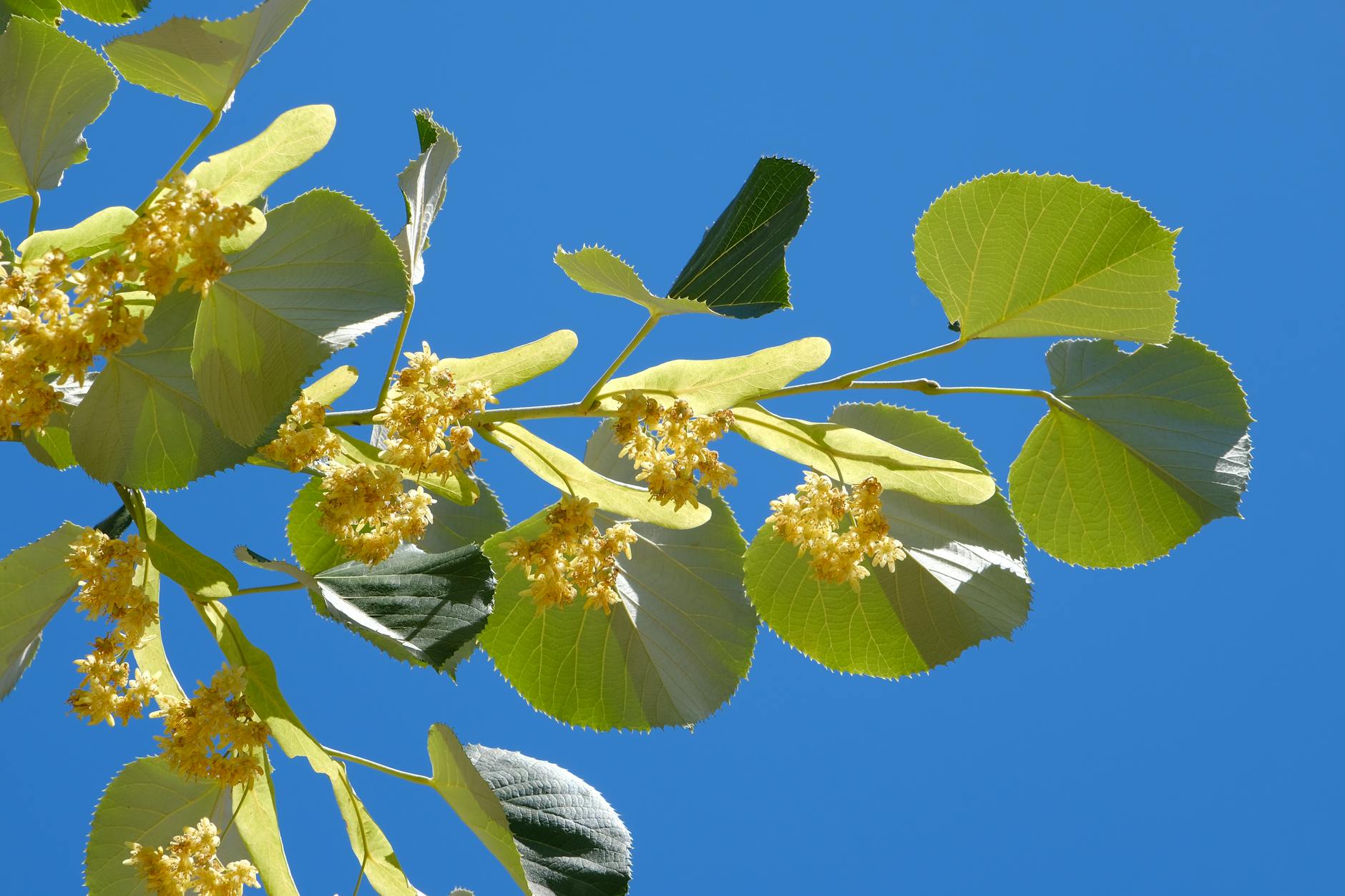
A Tree That Heals: The Legacy of Linden Few plants carry as much warmth and quiet reverence in the world of herbal medicine as the linden tree. For centuries, its broad heart-shaped leaves and fragrant blossoms have been gathered by healers, midwives, and grandmothers alike, valued for their ability to calm the nervous system, ease tension headaches, and gently support the heart. Linden Leaf has long occupied a central place in European folk medicine, planted in town squares and monastery gardens not only for its beauty but for its profound medicinal value. Its traditional uses stretch from soothing anxious children to supporting cardiovascular health in elders — a true herb for all stages of life. To explore Linden Leaf is to step into a living tradition of herbal wisdom that spans continents and centuries, one cup of golden tea at a time. --- > "The linden tree stands in the center of the village, and in its shade, all troubles are eased." > — Traditional European folk saying --- MATERIA MEDICA Scientific Name: Tilia cordata (small-leaved linden), Tilia platyphyllos (large-leaved linden), Tilia × europaea (common linden) Common Names: Linden, Lime Tree, Basswood, Tilleul, Linden Flower Family: Malvaceae (formerly Tiliaceae) Parts Used: Leaves, flowers (bracts), and occasionally the inner bark Taste: Sweet, slightly mucilaginous Energetics: Cooling, moistening Actions: Nervine, antispasmodic, diaphoretic, hypotensive, anti-inflammatory, mild sedative, demulcent --- Physical Description and Botanical Characteristics The botanical characteristics of linden are distinctive and, once known, unmistakable. The linden is a large, deciduous tree that can grow up to 40 meters tall, with a gracefully rounded canopy and deeply furrowed, grayish bark that softens with age. The leaves are the plant's most iconic feature — broadly heart-shaped with an asymmetrical base, finely toothed along the margins, and a soft, slightly fuzzy texture on the underside. They emerge a fresh, vivid green in spring and turn a warm golden yellow in autumn. The flowers are small, pale yellow, and intensely fragrant — appearing in clusters attached to a distinctive strap-like bract that acts as a sail, helping seeds disperse on the wind. The fragrance of linden in full bloom is one of the most evocative scents in the botanical world, sweet and honeyed, drawing bees from miles around. --- Habitat and Growing Conditions Linden trees are native to temperate regions of Europe and North America, thriving in rich, moist, well-drained soils. They prefer partial to full sun and are commonly found growing along riverbanks, in mixed deciduous forests, and lining the streets of older European cities. In North America, the native relative Tilia americana — commonly called basswood — grows abundantly in the eastern and midwestern regions. Both the European and North American species share similar medicinal properties and have been used by their respective indigenous and folk traditions. Linden trees are remarkably long-lived, with some specimens in Europe estimated to be over 1,000 years old. This longevity speaks to the tree's resilience and its enduring relationship with human communities. --- Harvest and Collection Practices The timing of the linden harvest is everything. Both leaves and flowers are best collected just as the blossoms open — typically in late spring to early summer — when the aromatic compounds and medicinal constituents are at their peak. Harvest tips to follow: Collect on a dry morning after the dew has lifted Choose branches where flowers are freshly open and fragrant, not yet browning Gather the leaf-bract combination along with flowers for a fuller medicinal preparation Avoid harvesting from roadside trees or areas treated with pesticides Dry immediately in a single layer in a warm, well-ventilated space out of direct sunlight Properly dried linden retains its pale golden color and sweet fragrance. Store in airtight glass jars away from heat and light, and use within one year for best potency. --- Qualities and Energetics In traditional herbal frameworks, understanding the energetic properties of a plant helps practitioners match it to the right person and condition. Linden Leaf is considered cooling and moistening — qualities that make it especially suited to conditions of heat and tension. When someone presents with a hot, anxious, tight, or inflamed state — racing thoughts, flushed cheeks, a tense jaw, or a rapid heartbeat — linden works gently to diffuse that heat and soften the edges of agitation. It is a deeply nourishing nervine, not a sedating one, which means it calms without dulling. This energetic profile makes linden a particularly valuable herb for the summer months, for high-stress periods, and for individuals who tend to run warm or carry stress in their cardiovascular system. --- Actions and Chemical Constituents Linden Leaf's wide range of therapeutic actions is supported by a rich blend of naturally occurring compounds. Its primary actions include: Nervine — calms the nervous system without causing sedation Antispasmodic — relaxes smooth muscle tension Diaphoretic — gently promotes perspiration, supporting fever management Hypotensive — mildly lowers blood pressure Anti-inflammatory — reduces systemic and local inflammation Demulcent — soothes mucous membranes Mild sedative — promotes restful sleep when taken in larger doses The chemical constituents responsible for these effects include: Flavonoids (quercetin, kaempferol, tiliroside) — antioxidant and anti-inflammatory Mucilaginous polysaccharides — responsible for the demulcent, soothing quality Volatile oils — including farnesol, which contributes to the characteristic fragrance Tannins — mild astringent properties Phenolic acids — chlorogenic acid and caffeic acid derivatives Tocopherols — antioxidant vitamin E compounds --- Indications and Traditional Uses The traditional uses of Linden Leaf are as broad as the tree's canopy itself. It has long been prescribed — formally and informally — for an impressive range of conditions. In European folk medicine, linden tea was a household staple for managing fevers, especially in children, where its gentle diaphoretic action encourages a productive fever response. Mothers across France, Germany, and Eastern Europe relied on it the way others relied on chicken soup — warming, comforting, and genuinely effective. Key indications include: Anxiety, nervous tension, and restlessness Stress-related headaches and migraines High blood pressure with a nervous or emotional component Childhood fevers and colds Insomnia related to an overactive mind Palpitations associated with anxiety Sore throat and upper respiratory inflammation Digestive upset linked to stress or nervous system dysregulation Modern herbalism continues to validate these traditional uses , with contemporary practitioners recommending linden as a cornerstone nervine for anyone navigating chronic stress, cardiovascular tension, or sleep difficulties. --- 3 Practical Recipes Featuring Linden Leaf Recipe 1: Classic Linden Leaf Infusion (Simple Tea) This is the most traditional preparation — gentle, accessible, and deeply soothing after a long day. Ingredients: - 2 teaspoons dried linden leaf and flower (or 1 tablespoon fresh) - 8 ounces of just-boiled water - Optional: a small slice of fresh ginger or a pinch of chamomile - Optional: raw honey to sweeten Preparation: 1. Place the dried linden in a tea strainer or infuser inside your favorite mug. 2. Pour just-boiled water (around 200°F — not a full rolling boil) over the herb. 3. Cover the cup with a small plate or saucer to keep volatile oils from escaping with the steam. 4. Steep for 10–15 minutes. 5. Remove the strainer, sweeten with honey if desired, and sip slowly. 6. Drink 1–3 cups daily for ongoing nervous system support, or as needed during stressful moments. --- Recipe 2: Linden Leaf Honey Syrup This syrup is a wonderful way to preserve linden's calming properties and can be stirred into warm water, drizzled over oatmeal, or taken by the spoonful at bedtime. Ingredients: - 1 cup dried linden leaf and flower - 2 cups water - 1 cup raw honey - Optional: a small cinnamon stick or a few dried rose petals Preparation: 1. Combine linden leaf, water, and any optional additions in a small saucepan. 2. Bring to a gentle simmer over medium-low heat. Do not boil. 3. Simmer uncovered for 20 minutes, until the liquid reduces by about half. 4. Remove from heat and let cool to a warm (not hot) temperature — around 110°F. 5. Strain out the plant material through a fine mesh sieve or cheesecloth, pressing gently to extract all the liquid. 6. Stir in the raw honey until fully dissolved. (Adding honey while too hot destroys its beneficial enzymes.) 7. Pour into a clean glass jar and refrigerate. Use within 4–6 weeks. 8. Take 1–2 teaspoons as needed, or stir into warm water for a soothing evening drink. --- Recipe 3: Linden Leaf Facial Steam for Skin Calm Linden's anti-inflammatory and demulcent qualities translate beautifully to a topical preparation. This facial steam is ideal for irritated, sensitive, or stress-reactive skin. Ingredients: - 3 tablespoons dried linden leaf and flower - 1 tablespoon dried chamomile (optional, enhances anti-inflammatory effect) - 4–6 cups of hot, just-boiled water - A large heat-safe bowl - A clean towel Preparation: 1. Place the dried herbs in the bottom of a large heat-safe bowl. 2. Pour 4–6 cups of just-boiled water over the herbs. 3. Allow to steep for 2 minutes so the steam becomes richly infused. 4. Position your face approximately 10–12 inches above the bowl — far enough to avoid discomfort. 5. Drape the towel over your head and the bowl to create a steam tent. 6. Steam your face gently for 5–10 minutes, pausing whenever needed. 7. Follow with your regular moisturizer or a drop of facial oil while skin is still warm and receptive. 8. Use 1–2 times weekly, especially during periods of stress or seasonal skin sensitivity. --- Bringing Linden Leaf Into Your Wellness Practice Linden Leaf is one of those rare herbs that offers profound medicine in the gentlest possible way. Whether you are drawn to it for its cardiovascular support, its ability to quiet an anxious mind, or simply its exquisite fragrance and taste, this is a plant worth knowing deeply. Its long legacy of herbal wisdom reminds us that healing does not always need to be forceful or complex. Sometimes, the most powerful medicine is a cup of golden tea steeped with intention and care. If you're ready to experience the calming beauty of this remarkable herb, you can find high-quality dried Linden Leaf at societeapothecary.com/product/linden-leaf/ . Societe is here to help you build a meaningful, grounded herbal practice — one beautiful herb at a time.