Licorice Root Slices: Ancient Sweetness, Modern Wellness
Société Team
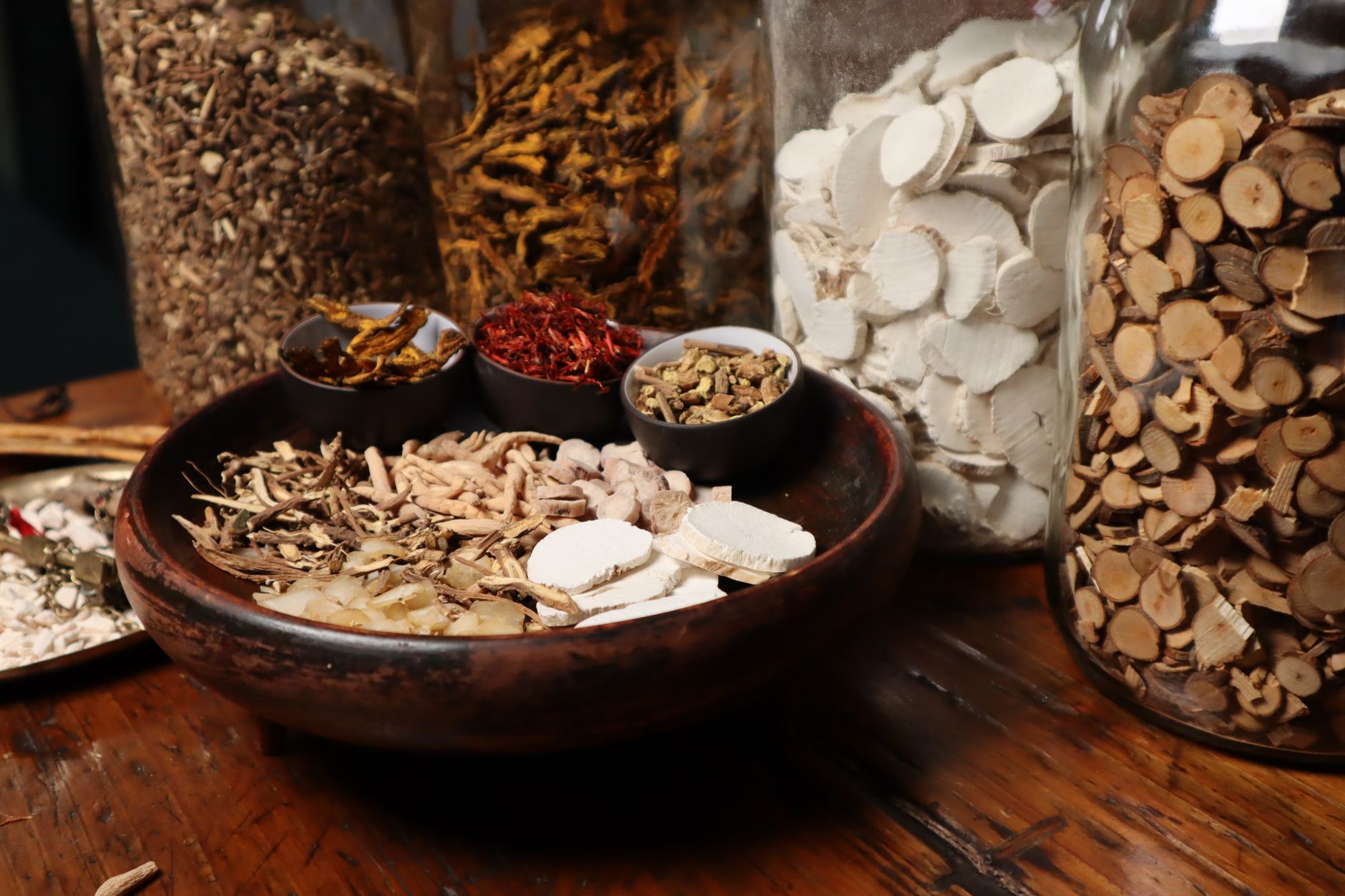
A Root Steeped in Centuries of Herbal Wisdom Few herbs carry the weight of history quite like licorice root. Used for thousands of years across ancient Egypt, China, Greece, and the Middle East, this humble root has earned its place as one of the most widely researched and revered plants in the entire herbal canon. Its presence spans continents and cultures — from Ayurvedic formulas to Traditional Chinese Medicine (TCM) to European folk remedies. Today, dried licorice root slices are experiencing a well-deserved renaissance among herbalists, wellness enthusiasts, and curious home practitioners alike. What makes licorice root so enduringly compelling is its remarkable duality: it is simultaneously a functional medicinal herb and a naturally delicious ingredient. Understanding both dimensions is the key to appreciating its true depth. > "Licorice is the grandfather of the herb world — sweet on the surface, deeply rooted in strength, and generous enough to carry every formula it enters." > — Traditional herbalist saying --- MATERIA MEDICA Scientific Name: Glycyrrhiza glabra (Western); Glycyrrhiza uralensis (Chinese licorice root) Common Names: Licorice Root, Sweet Root, Liquorice, Chinese Licorice Root Slices, Gan Cao (in TCM) Family: Fabaceae (Legume family) Parts Used: Root and rhizome (dried, typically sliced) Energetics: Sweet, slightly warm Taste: Distinctly sweet, mild, slightly earthy Actions: Adaptogen, demulcent, expectorant, anti-inflammatory, adrenal tonic, antispasmodic, mild laxative, harmonizer --- Physical Description and Botanical Characteristics Glycyrrhiza glabra is a perennial herbaceous plant that grows to about three to five feet in height. Its pinnate leaves are composed of small, oval leaflets with a slightly sticky surface, and it produces soft violet to pale blue flower clusters in summer. The real story, however, lies underground. The root system is expansive — the taproot can grow several feet deep, with long horizontal runners spreading outward. When harvested and sliced, the cross-section reveals a pale yellow to cream-colored interior with a fibrous, wood-like texture. Glycyrrhiza uralensis , the variety prized in Chinese licorice root traditions, shares similar characteristics but tends to produce roots that are slightly denser and more intensely sweet. Both varieties are used medicinally and interchangeably in many traditions. Key botanical characteristics include: - Pinnate compound leaves with 9–17 leaflets per stem - Pale purple, pea-like flowers typical of the Fabaceae family - Woody, fibrous root with a distinctly golden-yellow cross-section - Persistent sweetness that intensifies upon drying --- Habitat, Harvest, and Collection Licorice root thrives in temperate climates with well-drained, deep, fertile soils and full sun exposure. It is native to the Mediterranean region, parts of central Asia, and northern China — areas with relatively dry summers and mild winters. The plant is highly adaptable but grows best where roots can extend deep without obstruction. It is cultivated commercially across Spain, Turkey, Iran, China, and parts of Central Asia. Harvest and Collection Practices: - Roots are typically harvested in autumn , when the plant is 3–5 years old and glycyrrhizin content is at its peak - Roots are carefully dug, cleaned, and sliced into rounds or oblique cuts for drying - Dried licorice root slices are then air-dried or gently kiln-dried to preserve active constituents - Quality dried slices should be firm, pale yellow inside, and carry a distinctly sweet aroma When sourcing licorice root slices for tea or home use, look for organically grown, minimally processed roots without added flavorings or sweeteners. --- Qualities and Energetics In the language of traditional herbal energetics, licorice root is considered sweet and slightly warm — qualities that make it a remarkable harmonizer in herbal formulas. Its sweet taste corresponds, in both TCM and Ayurvedic frameworks, with nourishing, moistening, and tonifying actions. Licorice root is naturally sweet — and this is not a minor detail. The sweetness comes from glycyrrhizin, a compound approximately 50 times sweeter than sugar. This is what makes licorice root naturally sweet without any processing, additives, or enhancement. In TCM, Gan Cao (licorice root) is one of the most commonly prescribed herbs precisely because of its ability to harmonize other herbs in a formula , moderate harsh actions, and guide therapeutic effects to where they are needed. It is the great mediator of the plant world. Energetically, licorice root supports the lungs, spleen, stomach, and heart meridians. In Western herbalism, its demulcent and adaptogenic qualities are prized for supporting the adrenal glands, soothing mucosal membranes, and reducing systemic inflammation. --- Chemical Constituents The depth of licorice root's medicinal action is reflected in its rich phytochemical profile: Glycyrrhizin (glycyrrhizinic acid) — the primary sweet compound and key anti-inflammatory agent Glycyrrhetic acid — the metabolite of glycyrrhizin; potently anti-inflammatory Flavonoids (liquiritin, isoliquiritin, formononetin) — antioxidant and anti-inflammatory Polysaccharides — immune-modulating and demulcent Coumarins — antispasmodic Triterpenoid saponins — expectorant and adaptogenic Phytosterols — supportive of hormonal balance Amino acids and minerals — nutritive support This complex matrix of constituents explains why licorice root is healthy in moderate, intentional use and why it has been a cornerstone of so many traditional healing systems worldwide. --- Traditional Uses and Indications Is licorice root healthy? The historical record makes a compelling case. Across traditions, licorice root has been indicated for: Respiratory support: Licorice root's expectorant and demulcent properties make it a time-honored ally for coughs, bronchial irritation, and dry or inflamed airways. It soothes the mucous membranes of the respiratory tract while helping to thin and clear congestion. Digestive wellness: As a classic demulcent, licorice root coats and soothes the digestive lining. It has been used traditionally to support conditions involving stomach discomfort, gastric inflammation, and irritable or inflamed intestinal tissue. Adrenal and stress support: Licorice root's adaptogenic qualities make it particularly relevant in today's high-stress world. Glycyrrhizin helps modulate cortisol metabolism, offering gentle support to fatigued adrenal glands. Hormonal harmony: Phytoestrogenic compounds in licorice root have been used in women's health traditions to support hormonal balance, particularly during times of transition. Anti-inflammatory action: The glycyrrhizin and glycyrrhetic acid in licorice root are among the most studied natural anti-inflammatory agents, with applications ranging from skin conditions to systemic inflammation. A note of caution: Licorice root should be used in moderation and with awareness . Long-term or excessive use — particularly of concentrated extracts — can affect blood pressure and potassium levels due to the mineralocorticoid activity of glycyrrhizin. Those with hypertension, kidney disease, or who are pregnant should consult a qualified practitioner before use. Deglycyrrhizinated licorice (DGL) is available for those who need a gentler option. --- How to Use Licorice Root Slices: 3 Practical Recipes Knowing how to use licorice roots at home opens up a world of wellness possibilities. Dried licorice root slices are versatile — they can be brewed, simmered, infused into syrups, or even incorporated into culinary creations. Recipe 1: Classic Licorice Root Tea (Simple Decoction) This is the most traditional and approachable way to enjoy licorice root slices for tea. A slow simmer extracts the full sweetness and medicinal depth of the root. Ingredients: - 3–4 dried licorice root slices - 2 cups filtered water - Optional: a cinnamon stick, a few cardamom pods, or fresh ginger slices for complexity Preparation: 1. Combine licorice root slices and water in a small saucepan. 2. Bring to a gentle boil, then reduce heat and simmer for 15–20 minutes. 3. If using optional spices, add them during the last 5 minutes of simmering. 4. Strain into a mug and enjoy as-is — the natural sweetness of licorice root means no added sweetener is needed. 5. Drink 1 cup up to twice daily. Store leftover tea in the refrigerator for up to 2 days. --- Recipe 2: Licorice Root and Thyme Respiratory Syrup This warming syrup is a wonderful home preparation for the colder months, combining licorice root's demulcent and expectorant properties with the well-known respiratory support of thyme. Ingredients: - 6–8 dried licorice root slices - 2 tablespoons dried thyme - 3 cups filtered water - 1 cup raw honey (added off heat) - 1 teaspoon fresh lemon juice Preparation: 1. Combine licorice root slices, thyme, and water in a saucepan. 2. Bring to a boil, then reduce to a low simmer. Allow the liquid to reduce by approximately half (to about 1.5 cups), which takes roughly 30–40 minutes. 3. Remove from heat and strain through a fine mesh strainer or cheesecloth. 4. Allow the liquid to cool until warm (not hot) — approximately 100–110°F. 5. Stir in honey until fully dissolved, then add lemon juice. 6. Pour into a clean glass jar and store in the refrigerator for up to 3 weeks. 7. Take 1 teaspoon as needed (up to 3 times daily) for throat and respiratory comfort. Not suitable for children under 1 year due to honey content. --- Recipe 3: Licorice Root Culinary Broth Enhancer Wondering how to make the most of licorice root beyond the teacup? This culinary application draws on the Chinese licorice root tradition of using Gan Cao in broths and soups. The result is a subtly sweet, deeply savory broth perfect as a base for soups, grain dishes, or warm winter meals. Ingredients: - 4–5 dried licorice root slices - 1 tablespoon dried shiitake mushroom pieces - 2 slices fresh ginger - 4 cups vegetable or chicken broth - 1 star anise - Sea salt to taste Preparation: 1. Combine all ingredients except salt in a medium saucepan. 2. Bring to a gentle simmer over medium heat. 3. Simmer uncovered for 25–30 minutes, allowing flavors to meld and the broth to develop depth. 4. Taste and adjust salt as needed. 5. Strain out all solids before using as a base for soups, rice, or noodle dishes. 6. This broth can be stored in the refrigerator for up to 4 days or frozen for longer storage. This preparation beautifully illustrates how licorice root is naturally sweet in a way that enhances savory dishes without overwhelming them — a true testament to its versatility. --- Bringing Licorice Root into Your Wellness Practice Licorice root slices benefits extend far beyond their remarkable sweetness. Whether you are drawn to their respiratory support, digestive soothing, adaptogenic depth, or simply their naturally sweet flavor in a daily cup of tea, these golden root slices deserve a place in every thoughtful herbal pantry. If you are ready to explore the quiet power of this ancient root, Societe offers high-quality dried licorice root slices sourced with care. Visit societeapothecary.com/product/licorice-root-slices/ to bring this timeless herb into your home practice. We invite you to steep slowly, sip mindfully, and let centuries of herbal wisdom work its gentle magic.