Kelp Strips & Kombu Flakes: The Ocean's Most Powerful Medicinal Food
Société Team
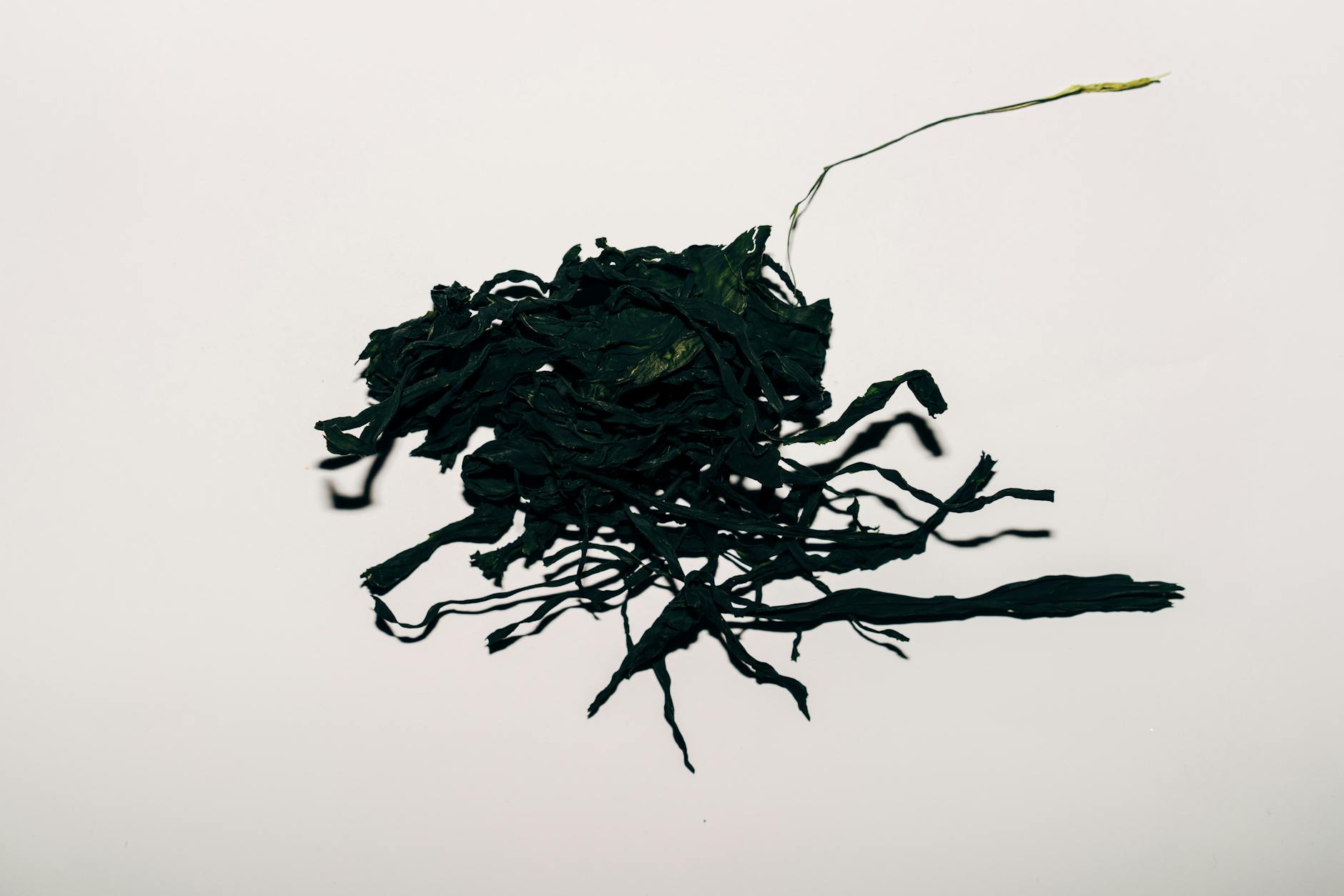
The Ocean's Ancient Gift to Herbal Wellness Long before modern nutritional science gave us the vocabulary to describe it, coastal cultures around the world were reaching into the sea for one of nature's most mineral-dense, therapeutically rich foods: kelp. Kelp strips and kombu flakes have anchored traditional food and medicine practices for thousands of years — from the coastlines of Japan and Korea to the rocky shores of Ireland and coastal Maine. This remarkable seaweed is not merely a culinary ingredient; it is a living pharmacy drawn from the ocean floor, steeped in herbal wisdom passed down across generations. Today, as interest in whole-food nutrition and traditional plant medicine continues to grow, kelp and kombu are experiencing a well-deserved renaissance. Whether simmered into broths, taken as a mineral supplement, or used in restorative preparations, this ancient sea vegetable is proving itself profoundly relevant to modern wellness. > "The sea does not reward those who are too anxious, too greedy, or too impatient. To dig for treasures shows not only impatience and greed, but lack of faith. Patience, patience, patience, is what the sea teaches." > — Traditional coastal proverb --- MATERIA MEDICA Scientific Name: Saccharina japonica (kombu/kelp) | Laminaria digitata (oarweed kelp) Common Names: Kelp, Kombu, Sea Vegetable, Devil's Apron, Oarweed, Tangle Family: Laminariaceae Parts Used: Whole fronds (dried as strips), powdered thallus (flakes) Taste: Salty, umami, subtly sweet Energetics: Cooling, moistening, softening --- Physical Description and Botanical Characteristics The botanical characteristics of kelp are unlike anything found in the terrestrial plant kingdom. Kelp is not technically a plant — it is a brown macroalgae, a member of the Phaeophyceae class, and one of the fastest-growing organisms on Earth. Its long, strap-like fronds can stretch from two to twelve feet in length, anchored to the rocky seafloor by a root-like holdfast. The thallus (body) is thick, leathery, and dark olive-brown or greenish-black when fresh, deepening to a rich mahogany when dried into strips. When processed into kombu flakes , the dried fronds are finely milled, creating a delicate powder that carries the full mineral spectrum of the sea. A characteristic white powdery bloom often appears on dried kelp — this is mannitol, a naturally occurring sugar alcohol and a marker of quality. --- Habitat and Natural Range Kelp thrives in cold, nutrient-rich, well-oxygenated coastal waters. It forms vast underwater forests along the Atlantic coasts of Europe and North America, the Pacific coastlines of Japan, Korea, and China, and the subantarctic islands of the Southern Ocean. Saccharina japonica dominates East Asian kombu traditions and is cultivated extensively in Japanese and Korean aquaculture. Laminaria digitata is the species most commonly wild-harvested along the North Atlantic coast, including the shores of Maine, Iceland, and the British Isles. Kelp forests are critical marine ecosystems, providing habitat for hundreds of species and serving as significant carbon sinks. --- Harvest and Collection Practices Responsible harvesting of kelp is central to both its ecological sustainability and its therapeutic quality. Traditional uses of kelp have always been tied to seasonal and mindful gathering practices. Kelp is typically harvested in late spring through early summer, when fronds are at peak mineral density Wild-harvesting involves cutting fronds several inches above the holdfast, allowing regeneration Farmed kombu is harvested after one to two years of growth, generally in cleaner, monitored waters Drying is done slowly in open air or at low temperatures to preserve enzymatic activity and nutrients Certified organic and sustainably sourced products ensure freedom from heavy metal contamination When purchasing kelp strips or kombu flakes, sourcing matters enormously. Choose products tested for purity and harvested from certified clean waters. --- Qualities and Energetic Properties In traditional East Asian medicine, the energetic properties of kombu are understood as cooling and descending — qualities that make it particularly suited to conditions of heat, stagnation, and accumulation. Ayurvedic traditions that have incorporated sea vegetables describe kelp as tridoshic in moderate amounts, with a particular affinity for pacifying Pitta and Kapha. Its softening and dissolving qualities are used to address hardness and consolidation in the body. In Western herbal energetics: Taste: Salty, umami Temperature: Cool Moisture: Moistening Tissue state: Softening, relaxing Affinity: Thyroid, lymphatic system, kidneys, digestive tract The salty taste in herbal medicine is traditionally associated with the kidneys, fluid regulation, and the capacity to soften and dissolve accumulations — all properties that align closely with kelp's documented physiological effects. --- Actions and Chemical Constituents Herbal Actions Nutritive — extraordinarily rich in bioavailable minerals and trace elements Thyroid trophorestorative — supports healthy thyroid function through iodine and tyrosine Lymphatic — supports lymphatic drainage and addresses glandular swellings Demulcent — soothes and coats mucosal membranes Prebiotic — feeds beneficial gut microbiota via fucoidans and alginates Antioxidant — neutralizes free radical damage Anti-inflammatory — reduces systemic inflammatory burden Alterative — supports gradual detoxification and metabolic restoration Chemical Constituents Iodine — essential for thyroid hormone synthesis (T3 and T4) Fucoidan — sulfated polysaccharide with antiviral, anti-inflammatory, and immunomodulatory activity Alginate — soluble fiber that supports gut health and binds heavy metals for excretion Mannitol — naturally occurring sugar alcohol; diuretic and prebiotic Laminarin — beta-glucan polysaccharide supporting immune function Glutamic acid — amino acid responsible for deep umami flavor; supports gut lining integrity Minerals: iodine, calcium, magnesium, potassium, iron, zinc, selenium, boron Vitamins: B1, B2, B3, B12 (trace), C, E, K Phlorotannins — marine polyphenols with antioxidant and anti-diabetic properties --- Traditional Uses and Indications The traditional uses of kelp and kombu span an extraordinary range of therapeutic applications. In Japanese culinary medicine, kombu is the foundation of dashi — a mineral-rich stock considered deeply restorative for digestion, energy, and longevity. In Irish coastal tradition, kelp was consumed during times of scarcity and illness, valued as much for its medicinal density as its caloric contribution. Traditional herbalists on both sides of the Atlantic used kelp to address: Thyroid insufficiency and goiter (iodine deficiency) Lymphatic congestion and swollen glands Sluggish metabolism and fatigue Constipation and poor digestive motility Joint stiffness and arthritic conditions Skin conditions associated with nutritional deficiency Weight management and metabolic support Modern research continues to validate many of these traditional uses , with clinical interest growing around fucoidan's role in immune health, cancer biology, and antiviral defense. --- Recipes: Bringing Kelp and Kombu Into Your Daily Practice Recipe 1: Restorative Mineral Broth with Kombu This warming, deeply nourishing broth is one of the simplest and most traditional ways to access the full mineral spectrum of kombu. It forms an excellent base for soups, grains, or simply drinking as a daily tonic. Ingredients: - 2 strips dried kelp (approximately 6 inches each) - 1 cup dried shiitake mushrooms - 4 cloves garlic, halved - 1 tablespoon apple cider vinegar (helps extract minerals) - 8 cups cold filtered water - Optional: a few sprigs of fresh thyme, bay leaf, black pepper Preparation: 1. Combine all ingredients in a large pot and let soak for 20 minutes before heating. 2. Bring slowly to a gentle simmer over medium-low heat — do not boil aggressively. 3. Simmer uncovered for 45 to 60 minutes. 4. Remove the kelp strips after 10 minutes of simmering to prevent bitterness; return them toward the end if desired. 5. Strain the broth through a fine mesh strainer. 6. Drink 1–2 cups daily as a mineral tonic, or use as a base for soups and stews. --- Recipe 2: Kombu Flake and Nettle Infusion (Mineral-Rich Herbal Tea) This nutrient-dense herbal tea combines the mineral wealth of kombu flakes with the iron-rich, deeply nutritive qualities of nettle leaf. It is an ideal daily infusion for those addressing fatigue, thyroid support, or nutritional depletion. Ingredients: - 1 teaspoon kombu flakes - 2 teaspoons dried nettle leaf - 1 teaspoon dried oat straw (optional, for added mineral depth) - 1/2 teaspoon dried red clover blossoms (optional) - 2 cups just-boiled filtered water - Lemon juice and raw honey to taste Preparation: 1. Combine kombu flakes and dried herbs in a heatproof jar or French press. 2. Pour just-boiled water over the herbs and cover tightly. 3. Steep for a minimum of 20 minutes — for a true nourishing infusion, steep 4 to 8 hours or overnight. 4. Strain well, pressing the herbs to extract all liquid. 5. Add a squeeze of fresh lemon (enhances mineral absorption) and honey if desired. 6. Drink 1–2 cups daily. Store remaining infusion in the refrigerator for up to 48 hours. --- Recipe 3: Kelp and Sesame Seasoning Salt (Culinary Mineral Sprinkle) This simple, versatile seasoning blend brings the herbal wisdom of sea vegetables into everyday cooking. Sprinkle it over eggs, roasted vegetables, grains, soups, or avocado toast for a daily mineral boost that requires almost no effort. Ingredients: - 3 tablespoons kombu flakes - 2 tablespoons toasted sesame seeds - 1 tablespoon fine sea salt (or reduce to taste) - 1 teaspoon garlic powder - 1/2 teaspoon ground ginger - 1/2 teaspoon black sesame seeds (optional) - Pinch of cayenne (optional) Preparation: 1. Toast sesame seeds lightly in a dry skillet over medium heat until golden and fragrant, about 2–3 minutes. Allow to cool. 2. Combine all ingredients in a small bowl and stir well to combine. 3. For a finer texture, pulse briefly in a spice grinder or mortar and pestle — leave slightly coarse for texture. 4. Transfer to a small glass jar with a tight-fitting lid. 5. Use as a finishing seasoning sprinkled over meals. Store in a cool, dry place for up to 3 months. 6. Use 1/2 to 1 teaspoon per serving as a flavorful, mineral-rich condiment. --- Cautions and Considerations Kelp and kombu are exceptionally safe foods for most people when used in culinary and moderate supplemental amounts. However, a few important considerations apply. Thyroid conditions: Because kelp is naturally high in iodine, individuals with hyperthyroidism, Hashimoto's thyroiditis, or those on thyroid medication should consult a qualified healthcare provider before using kelp therapeutically. Iodine excess can be as disruptive as iodine deficiency for certain thyroid conditions. Heavy metal awareness: Always choose kelp products sourced from certified clean, tested waters. Quality matters significantly with any sea vegetable. Pregnancy and breastfeeding: Culinary use of kombu in broth and cooking is generally considered safe; high-dose supplemental use should be discussed with a midwife or healthcare provider. --- Discover Quality Kelp at Societe If you're ready to bring the restorative power of kelp strips and kombu flakes into your daily wellness practice, Societe is here to support your journey with thoughtfully sourced, high-quality sea vegetables. Explore our premium Kelp Strips and Kombu Flakes — sustainably harvested and ready for your kitchen and apothecary — at societeapothecary.com/product/kelp-strips-kombu-flakes/ . We'd love to be part of how you nourish yourself, one mineral-rich preparation at a time.