Kelp (Kombu): The Ocean's Most Powerful Wellness Herb
Société Team
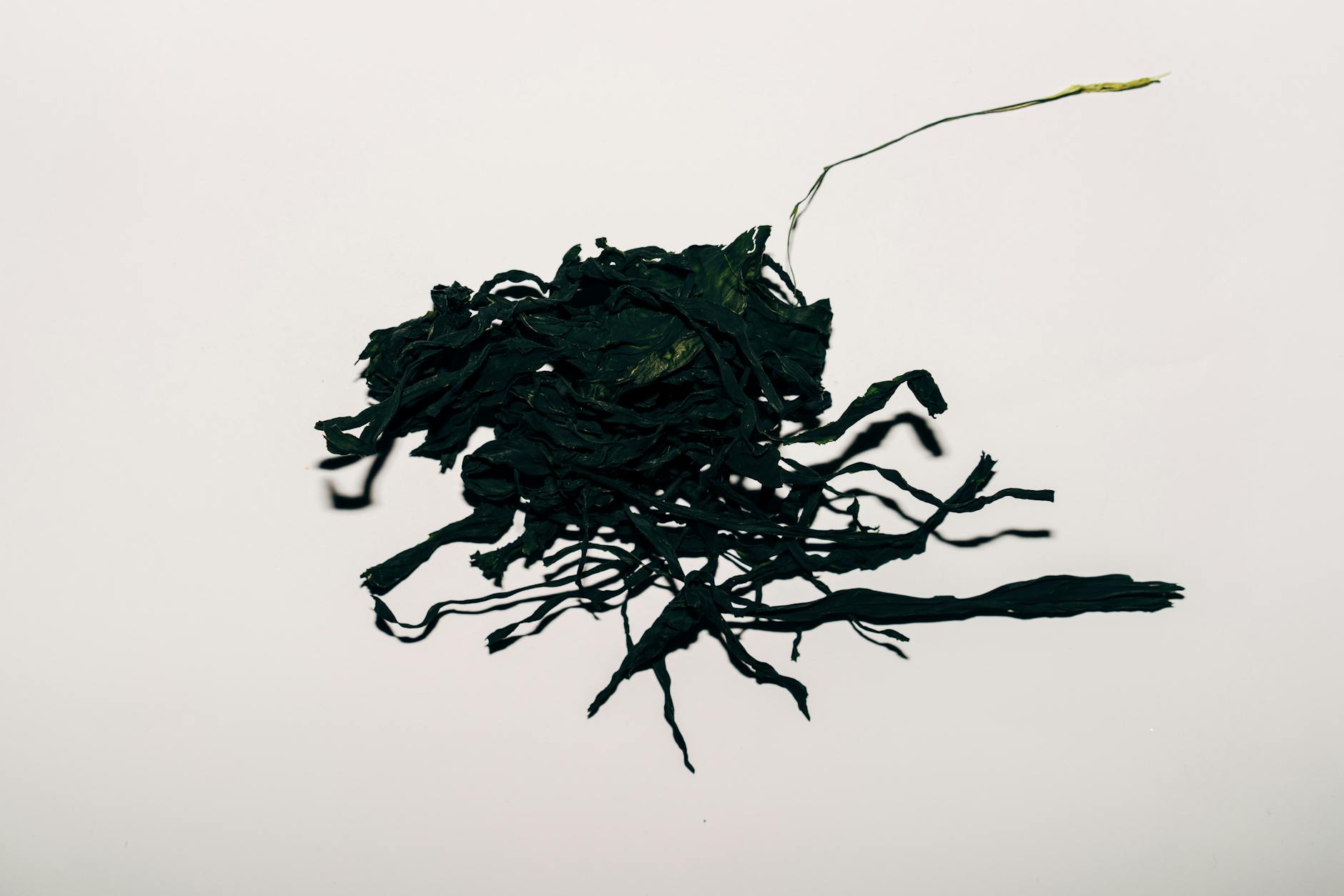
What Is Kelp Kombu, and Why Is Everyone Talking About It? If you have ever sipped a deeply savory bowl of Japanese broth or noticed an earthy richness in a traditional Korean stew, you have already experienced the quiet magic of kelp kombu. Kombu is a large, thick species of brown seaweed harvested primarily from the cold, nutrient-rich waters of the North Pacific. It belongs to the kelp family — specifically the genus Laminaria — and has been a cornerstone of East Asian culinary and wellness traditions for well over a thousand years. Today, kombu kelp is having a well-deserved moment in the global wellness spotlight. As more people seek whole-food sources of minerals and gut-supportive ingredients, this ancient sea vegetable is finding its way into modern kitchens, herbal apothecaries, and daily health routines worldwide. A Rich History: From Ancient Coasts to Modern Wellness The story of kelp kombu begins in Japan, where it has been cultivated and consumed since at least the Heian period (794–1185 CE). Historical records show that kombu was used as an offering to shrines and traded as a valuable commodity along ancient coastal routes. In Traditional Chinese Medicine, seaweeds including kombu were valued for their ability to soften hardness, resolve phlegm, and support the thyroid and lymphatic systems. Coastal communities throughout Korea and China have similarly integrated kombu into their healing traditions for centuries. In Japan, kombu became the backbone of dashi — the foundational broth that underpins much of Japanese cuisine. It was recognized not just as a flavoring agent but as a deeply medicinal food. The concept of umami , the fifth taste now celebrated by chefs worldwide, was actually first scientifically identified in 1908 by Japanese chemist Kikunae Ikeda, who isolated glutamic acid directly from kombu. Kelp vs. Kombu: Understanding the Difference One of the most common questions people ask is about the kelp kombu difference — are they actually the same thing? The short answer: kombu is a type of kelp, but not all kelp is kombu. Here is a helpful breakdown: Kelp is a broad term for large brown seaweeds in the order Laminariales, encompassing dozens of species found in cold ocean waters globally. Kombu refers specifically to several species of Laminaria and Saccharina seaweeds harvested and dried for culinary and medicinal use, predominantly in East Asia. Wakame is a different, softer seaweed often used in miso soup and salads — distinct from both kombu and nori. Nori is the thin, dark green seaweed used to wrap sushi — a completely different genus ( Pyropia ) with a different flavor and nutritional profile. When people search for kelp kombu vs. wakame or kelp kombu vs. nori, they are often surprised to learn how different these sea vegetables truly are in texture, flavor, and application. Each has its own unique strengths, but kombu stands apart for its exceptional mineral density and gut-supportive compounds . The Remarkable Health Benefits of Kombu Kelp Combu kelp is arguably one of the most nutrient-dense foods on the planet. The cold ocean waters it grows in are rich in trace minerals that are increasingly depleted from land-grown produce — and kombu absorbs and concentrates them beautifully. Here are some of the most celebrated health benefits: Iodine richness: Kombu is one of the single highest dietary sources of iodine, a mineral essential for healthy thyroid function, metabolism regulation, and hormonal balance. Glutamic acid and digestive support: The natural glutamic acid in kombu does more than create umami flavor — it has been shown to help soften and break down legumes when cooked together, reducing gas and improving digestibility. Fucoidan content: This unique sulfated polysaccharide found in brown seaweeds like kombu has been studied for its potential anti-inflammatory, immune-modulating, and antioxidant properties. Mineral abundance: Calcium, magnesium, potassium, iron, and zinc are all present in meaningful quantities, supporting bone health, cardiovascular function, and cellular energy. Prebiotic fiber: Kombu contains alginate and other soluble fibers that feed beneficial gut bacteria, making it a wonderful ally for digestive wellness. Because kombu is also naturally low in calories and rich in bioavailable nutrients , it fits beautifully into a wide range of dietary approaches — from plant-based and macrobiotic diets to ancestral and whole-food eating patterns. Kombu Kelp Broth: The Liquid Gold of Wellness Kitchens If you are new to working with kombu, kombu kelp broth — also known as kombu dashi — is the perfect place to begin. This gentle, mineral-rich broth is made by simply soaking a piece of dried kombu in cold water for anywhere from 30 minutes to several hours, then slowly warming it without boiling. The result is a subtly savory, golden liquid that serves as a magnificent base for soups, stews, sauces, and grain-cooking liquid. The process is incredibly simple: Wipe the kombu gently with a damp cloth (the white powder on the surface is beneficial glutamates — do not rinse it away). Soak one 4–6 inch piece in about 4 cups of cold, filtered water for 30 minutes to overnight. Warm slowly over low heat until just below a simmer, then remove the kombu. Use your broth immediately or refrigerate for up to five days. This broth is deeply nourishing on its own, especially during times of illness, fatigue, or digestive sensitivity. Many wellness practitioners recommend kombu kelp broth as a mineral-replenishing alternative to plain water or conventional stock, particularly during periods of cleansing or recovery. Creative Ways to Use Kelp Kombu in Everyday Cooking Beyond broth, kelp kombu is a wonderfully versatile ingredient that deserves a permanent place in your pantry. One beloved application is kombu kelp noodles — translucent, gelatinous noodles made from kombu's natural sodium alginate. They are naturally low in calories and carbohydrates, have a satisfying texture, and absorb whatever flavors surround them beautifully. Toss them in sesame dressing, stir-fry them with vegetables, or add them to a warming broth bowl. Kelp kombu onigiri is another wonderful tradition worth exploring. In Japan, strips of simmered, seasoned kombu ( tsukudani ) are used as a filling or wrapping for rice balls, adding a savory, mineral-rich element to this beloved portable meal. Here are a few more creative ways to bring kombu into your daily life: Add a strip to any pot of dried beans, lentils, or chickpeas while cooking to improve digestibility and add minerals. Simmer a piece in your morning porridge liquid for a subtle mineral boost without altering the flavor significantly. Use kombu kelp powder — dried, ground kombu — as a natural seasoning and umami enhancer in place of salt or MSG. Layer it into vegetable soups and stews for depth of flavor and nutritional richness. Combu kelp powder, in particular, is a fantastically accessible way to incorporate the benefits of kombu into everyday cooking without needing whole pieces. It dissolves easily into liquids and can be sprinkled over roasted vegetables, blended into smoothies, or stirred into salad dressings. Kelp Kombu and Fermentation: A Note on Kombucha A quick note for those who have searched for kelp kombucha — it is worth clarifying that kombucha and kombu are not related, despite the similar-sounding names. Kombucha is a fermented tea beverage made with a SCOBY (symbiotic culture of bacteria and yeast). The name's origin is debated, but it does not contain kombu seaweed in its traditional recipe. That said, some adventurous fermenters and wellness creators have begun experimenting with adding kombu to kombucha recipes or brewing kombu-based ferments separately. These are exciting, creative developments — but they are distinct from traditional kombu use. If you are searching for kelp kombucha recipes, know that you are entering delightful experimental territory rather than ancient tradition. What is traditional and well-established is the role of kombu in fermentation across East Asia — particularly in tsukemono (Japanese pickles), where kombu strips add flavor, umami, and a slippery, probiotic-friendly environment for fermenting vegetables. How to Source Quality Kombu Kelp When searching for kombu kelp near me , quality matters enormously. Because kelp absorbs everything from its surrounding water, sourcing from clean, tested, pristine waters is essential for safety and potency. Look for kombu that is: Harvested from certified clean, cold ocean waters (Japan's Hokkaido region and the North Atlantic coast of Maine are considered premium sources). Dried and processed without additives, preservatives, or artificial colorings. Stored in airtight packaging to protect its delicate mineral content and flavor compounds. Ideally third-party tested for heavy metals, especially if you plan to consume it regularly. Kombu kelp powder should be a rich, deep green color with a clean, oceanic scent — not musty or overly fishy. Whole dried kombu should be firm, dark, and free of moisture. Whether you discover a local health food store stocking whole kombu or choose to order from a trusted herbal supplier, taking a moment to research your source is always worthwhile when it comes to sea vegetables. Bringing Kelp Kombu Into Your Wellness Routine Kelp kombu is not just a culinary curiosity — it is a genuinely powerful wellness herb that has stood the test of centuries. From its role in nourishing coastal communities to its place in modern integrative nutrition, this humble seaweed offers something rare: deep, whole-food nourishment that is as delicious as it is beneficial. Whether you begin with a simple pot of kombu broth, experiment with kombu kelp noodles, or sprinkle a little kombu kelp powder into your daily cooking, you are tapping into one of nature's most generous offerings from the sea. Start small, stay curious, and let this ancient plant guide you toward a little more mineral richness and umami magic in your everyday life. Explore Kelp Kombu with Societe If you are ready to experience the nourishing benefits of kelp kombu for yourself, we warmly invite you to explore what Societe has to offer. Visit societeapothecary.com/product/kelp-kombu/ to discover our thoughtfully sourced kelp kombu and learn more about how it can support your wellness journey. We would love to be a part of how you bring a little more of the ocean's goodness into your life. Three Kelp Kombu Recipes to Try at Home Kombu Mineral Broth 1 large strip of kombu 8 cups of water 1 onion, quartered 2 carrots, chopped 2 stalks of celery, chopped 3 cloves of garlic, crushed Salt to taste Place the kombu and water in a large pot and let it soak for 20 minutes. Add the onion, carrots, celery, and garlic to the pot. Bring the mixture to a gentle boil, then reduce the heat and simmer for 45 minutes. Remove the kombu and strain the broth through a fine-mesh sieve. Season with salt to taste and enjoy as a nourishing drink or use as a base for soups and stews. Kombu Infused Oil 1 strip of kombu, cut into pieces 1 cup of olive oil 1 small clove of garlic, peeled (optional) Place the kombu pieces and garlic in a small saucepan. Pour the olive oil over them and heat gently over low heat for about 20 minutes, ensuring the oil does not reach a simmer. Remove from heat and let the mixture cool completely. Strain the oil into a clean glass bottle, discarding the solids. Use this infused oil as a flavorful addition to salads, drizzled over vegetables, or as a cooking oil. Kombu and Sesame Rice 1 cup of short-grain rice 1 strip of kombu 1 ½ cups of water 2 tablespoons of sesame seeds, toasted 1 tablespoon of soy sauce 1 teaspoon of sesame oil Rinse the rice under cold water until the water runs clear; drain well. Place the rice, kombu, and water in a saucepan. Let it soak for 30 minutes. Bring the mixture to a boil, then reduce the heat to low, cover, and co