Kalm Kalm Root: The Ancient Herb of Stillness and Restoration
Société Team
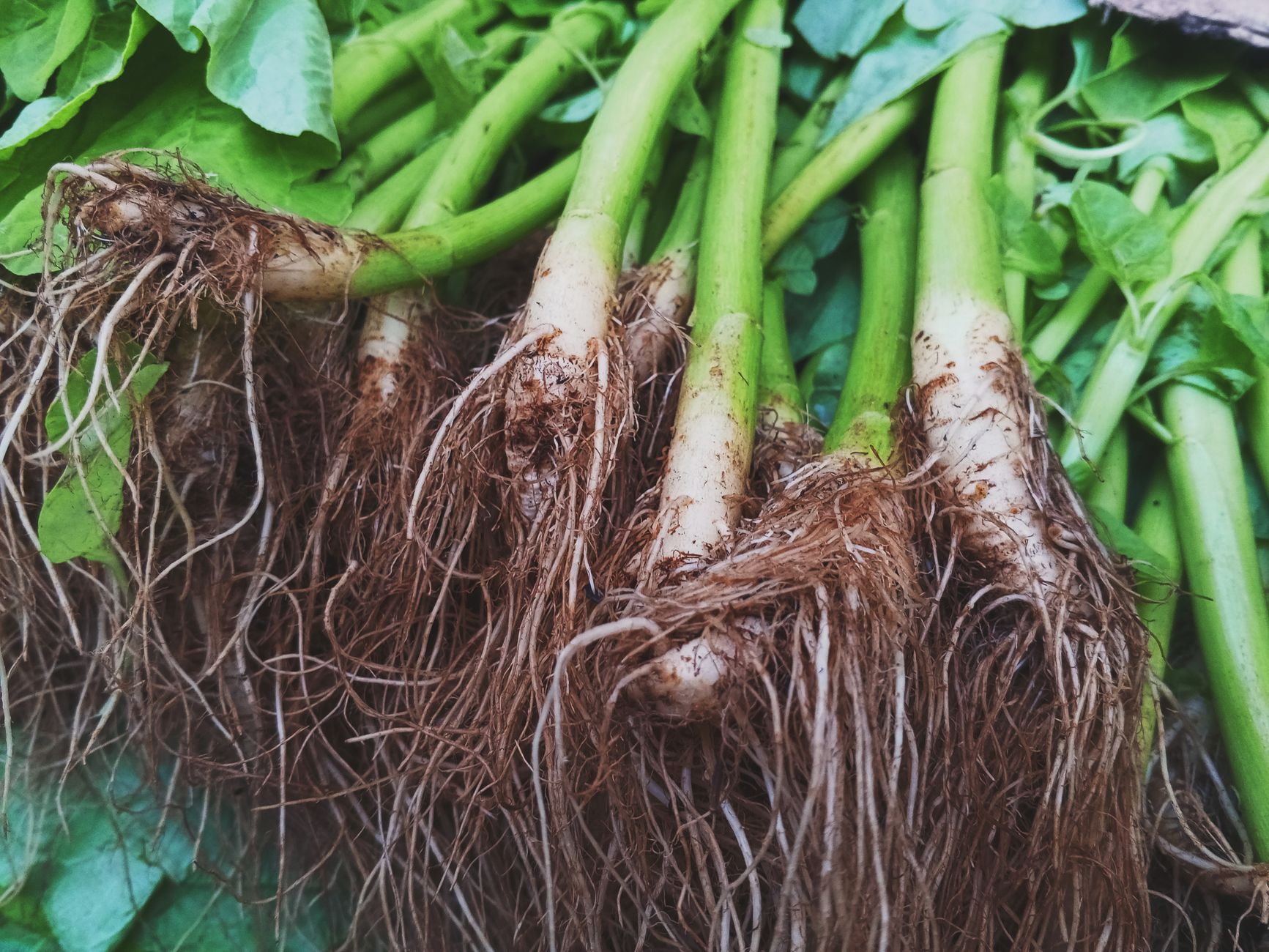
An Herb Rooted in Stillness In the vast treasury of herbal wisdom, few plants speak as quietly — yet as powerfully — as Kalm Kalm Root. This remarkable root has been honored across cultures for its profound ability to ease tension, calm the nervous system, and restore a sense of grounded peace to those who are overwhelmed, scattered, or simply worn thin by the demands of modern life. Unlike some of the flashier herbs that have captured mainstream wellness attention, Kalm Kalm Root works with a kind of steady, unhurried grace. It doesn't shout — it settles. And for those who seek a deeper relationship with plant medicine, that subtlety is exactly what makes it so compelling. Its traditional uses span generations of plant healers who recognized in this root a rare gift: the ability to quiet the mind without dulling it, and to soften the body without weakening it. > "The root that asks nothing of you but your presence — drink it slowly, breathe deeply, and let the stillness find you." — Traditional plant healer's teaching MATERIA MEDICA Scientific Name: Piper methysticum var. kalm (colloquially known as Kalm Kalm Root in traditional herbal trade) Common Names: Kalm Kalm Root, Root of Calm, Still Root, Peace Root Family: Piperaceae Parts Used: Root, rhizome Kalm Kalm Root is a perennial plant that grows from a thick, woody rhizome system. The above-ground portions are lush and shrubby, but it is the root that holds the plant's most concentrated medicine. The botanical characteristics of this plant are distinct and worth studying. Its stems are jointed, hollow between nodes, and covered with smooth, slightly waxy bark. Leaves are broad, heart-shaped, and deeply veined — a vivid green that darkens as the plant matures. The root system itself is dense and fibrous, often with a complex branching pattern that mirrors the plant's complexity as a medicinal ally. When dried, the root takes on a pale tan to light brown color, with a slightly resinous, earthy aroma that is unmistakably its own. Habitat and Growing Conditions Kalm Kalm Root thrives in warm, humid environments with rich, well-draining soil. It prefers partial shade, finding its most vigorous growth beneath the dappled canopy of tropical and subtropical forests. Naturally found in regions with consistent warmth and moisture, it has also been cultivated in intentional herbal gardens across the world as knowledge of its properties has spread. It does not tolerate frost and requires careful attention to soil moisture — too dry, and the roots become fibrous and less potent; too wet, and the plant risks root rot. Those who grow it traditionally often say that the plant reflects its environment — thriving beautifully when tended with consistency, patience, and care. Harvest and Collection The timing of harvest significantly affects the quality and potency of Kalm Kalm Root. Traditional harvesters generally wait until the plant is at least three to five years old before collecting the root, as younger plants have not yet developed the full spectrum of active constituents. Harvest typically takes place in the cooler, drier months of the plant's growing cycle. Best practices include: Harvesting in the morning after dew has cleared Selecting roots that are firm, pale, and free of mold or soft spots Cutting, not pulling, the root sections to preserve the rhizome structure Cleaning gently with cool water and allowing to air-dry before further processing Drying at low temperatures to preserve delicate active compounds Proper drying and storage are essential. The dried root should be kept in an airtight container away from heat and light to maintain its potency. Parts Used The root and rhizome are the primary medicinal parts of the plant. These contain the highest concentration of active phytochemicals and are used across a wide variety of preparations — teas, tinctures, and topical applications alike. Leaves and stems are not traditionally used medicinally and are generally set aside during processing. Qualities and Energetics In the language of traditional herbal energetics, Kalm Kalm Root is considered cool, slightly moistening, and grounding . It is associated with the element of water and is often described as moving energy downward and inward — drawing scattered mental energy back to center and encouraging the body to release held tension. The energetic properties of this root are often described in plant medicine traditions as: Deeply calming without being sedating Gently clarifying for an overactive or anxious mind Supportive of the nervous system in states of chronic stress Grounding for those who feel unmoored, restless, or emotionally overwhelmed It pairs energetically well with warming herbs like ginger or cinnamon, which help balance its cooling nature for those who run cold or who need additional circulation support. Actions Kalm Kalm Root's therapeutic actions are broad and well-documented in traditional use. Its primary actions include: Nervine relaxant — calms an overactivated nervous system Anxiolytic — reduces feelings of anxiety and worry Antispasmodic — eases muscular tension and cramping Mild analgesic — provides gentle relief from tension-related discomfort Sedative (mild) — supports restful sleep without heavy sedation Adaptogenic (supportive) — helps the body respond more resiliently to ongoing stress Diuretic (gentle) — supports kidney function and fluid metabolism Chemical Constituents The bioactivity of Kalm Kalm Root is attributed to a complex matrix of phytochemicals, including: Kavalactones (including kavain, dihydrokavain, methysticin) — responsible for nervine and anxiolytic effects Flavokavains — compounds with antioxidant and anti-inflammatory properties Pipermethystine — an alkaloid unique to this plant family Starch and fiber — structural components of the root Glutathione — a naturally occurring antioxidant compound Mineral compounds including potassium and calcium The kavalactones are particularly significant. These fat-soluble compounds interact with the brain's GABA receptors in ways that produce calming effects without the dependency risks associated with pharmaceutical alternatives. Indications Based on its traditional uses and recognized actions, Kalm Kalm Root is indicated for: Generalized anxiety and nervous tension Stress-related insomnia and difficulty unwinding at night Muscular tension, particularly in the neck, shoulders, and jaw Mild depression with anxiety features Tension headaches Urinary tract discomfort with a nervous or stress-related component Emotional overwhelm and difficulty transitioning between mental states States of burnout or adrenal fatigue (as a complementary support) Three Ways to Work with Kalm Kalm Root at Home One of the most beautiful aspects of this plant's herbal wisdom tradition is how accessible it is for home use. Below are three practical, time-honored preparations to explore. --- Recipe 1: Kalm Kalm Root Evening Tea This simple tea is the most traditional way to experience the root's calming properties. Best enjoyed 30–60 minutes before bed. Ingredients: - 1 teaspoon dried Kalm Kalm Root (coarsely ground or cut) - 8 oz filtered water - Optional: ½ teaspoon dried chamomile flowers - Optional: a thin slice of fresh ginger - Raw honey to taste Preparation: 1. Bring water to just below a boil (around 190°F). 2. Add Kalm Kalm Root directly to the pot or a heat-safe strainer. 3. Simmer gently for 10–12 minutes — do not boil aggressively. 4. Add chamomile and ginger in the final 3 minutes if using. 5. Strain and pour into your favorite mug. 6. Sweeten with honey if desired and sip slowly and mindfully. --- Recipe 2: Kalm Kalm Root Tincture A tincture concentrates the root's active constituents and offers a shelf-stable, convenient way to use this herb throughout the day. Ingredients: - ½ cup dried Kalm Kalm Root (finely chopped) - 1 cup 80-proof vodka or food-grade vegetable glycerin (for alcohol-free version) - A clean glass jar with a tight-fitting lid - Cheesecloth or fine strainer - Amber dropper bottles for storage Preparation: 1. Place the dried root into your clean glass jar. 2. Pour the vodka or glycerin over the root, ensuring it is fully submerged by at least one inch of liquid. 3. Seal the jar tightly and shake well. 4. Store in a cool, dark location for 4–6 weeks, shaking the jar every 2–3 days. 5. After the steeping period, strain through cheesecloth, pressing the root firmly to extract all liquid. 6. Pour the finished tincture into amber dropper bottles and label with the date. 7. Use 20–30 drops in a small amount of water up to three times daily, or as guided by a qualified herbalist. --- Recipe 3: Kalm Kalm Root Tension-Relief Bath Soak For days when tension has settled deep into the muscles and mind, this topical preparation draws on the root's antispasmodic and calming properties through the skin. Ingredients: - ¼ cup dried Kalm Kalm Root - 2 cups water (for a strong decoction) - 1 cup Epsom salts - 10 drops lavender essential oil - Muslin bag or cheesecloth Preparation: 1. Simmer the Kalm Kalm Root in 2 cups of water for 20 minutes to create a concentrated decoction. 2. Strain and allow to cool slightly. 3. Draw a warm (not scalding) bath and add the Epsom salts, stirring to dissolve. 4. Pour the strained decoction directly into the bathwater. 5. Add lavender essential oil and gently swirl the water. 6. Soak for 20–30 minutes, breathing slowly and deeply. 7. Pat dry gently and rest afterward for maximum benefit. --- A Final Note on Mindful Use As with all plant allies, working with Kalm Kalm Root calls for both respect and attentiveness. It is generally considered safe for most healthy adults when used appropriately and in moderate amounts. Those who are pregnant, nursing, managing liver conditions, or taking pharmaceutical medications — particularly those with sedative or anxiolytic properties — should consult a qualified healthcare practitioner before incorporating this or any new herb into their routine. The most meaningful outcomes with this plant tend to come not from using it casually, but from building a consistent, intentional relationship with it over time. Start with lower doses, observe how your body responds, and let the plant's quiet wisdom guide the pace. Bring Kalm Kalm Root Into Your Practice If you feel called to explore this gentle, grounding root for yourself, Societe is here to support your journey. You can find high-quality Kalm Kalm Root ready for your home preparations at societeapothecary.com/product/kalm-kalm-root/ . We'd love to be part of your path toward deeper rest, calm, and well-being.