Jewelweed: Materia Medica
Société Apothecary
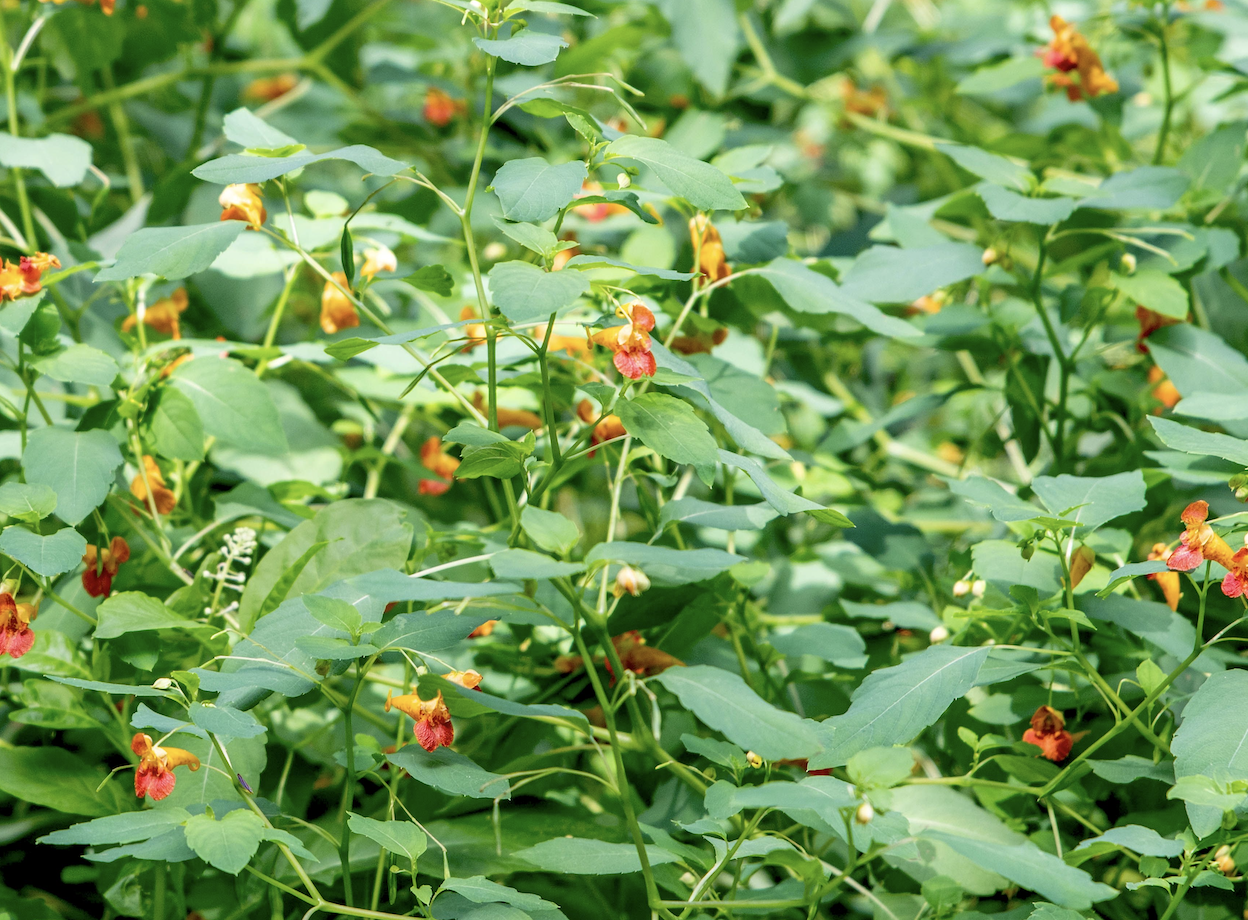
Jewelweed ( Impatiens capensis or Impatiens pallida ) is one of nature's most quietly generous plants — and once you know what it's good for, you'll never walk past it the same way again. With a rich history of jewelweed medicinal uses spanning Indigenous plant medicine and contemporary herbalism alike, this bright, moisture-loving wildflower is a true staple of the skin-care herb cabinet. Whether you're reaching for it to address a run-in with poison ivy or looking to calm a reactive complexion, jewelweed benefits are worth understanding deeply. What Is Jewelweed Good For? An Introduction to the Plant Jewelweed grows prolifically in damp, shaded woodlands across North America — and perhaps most helpfully, it often grows right alongside poison ivy. This is no coincidence to the observant herbalist. The plant's succulent stems are filled with a cooling, mucilaginous juice that has long been applied topically to relieve itching, inflammation, and irritation. Jewel weed medicinal traditions go back centuries, with many Native American nations using the fresh plant as a first-response remedy for rashes, insect stings, and fungal skin conditions. Today, its popularity in natural skincare continues to grow as research begins to catch up with traditional knowledge. Jewelweed Benefits for the Skin When we talk about jewel weed benefits, the skin is where this herb truly shines. Here's what makes it so valuable in a topical herbal practice: Itch relief: The fresh juice and preparations made from jewelweed are widely used to calm the itch and inflammation associated with poison ivy ( Toxicodendron radicans ) and poison oak exposure. The plant contains compounds including lawsone (2-hydroxy-1,4-naphthoquinone) that may interfere with the inflammatory response triggered by urushiol — the irritant oil in poison ivy. Insect bite and sting comfort: One of the most popular uses for jewelweed is applying it to bug bites to reduce swelling and itching quickly. The cooling quality of the stem juice makes it a wonderful immediate remedy in the field. Antifungal action: Preliminary research and longstanding traditional use suggest that jewelweed may have antifungal properties, making it a useful ally for conditions like athlete's foot or ringworm when applied topically. General skin soothing: Thanks to its anti-inflammatory and emollient qualities, jewelweed is well-suited to sensitive, reactive, or easily irritated skin. Infused into oil or incorporated into a salve, it offers gentle, sustained relief. It's worth noting that while traditional and anecdotal evidence for jewelweed benefits is robust, formal clinical research is still emerging. As with all herbal remedies, individual results can vary. Jewelweed Medicinal Uses: A Closer Look Beyond the skin, jewel weed medicinal uses have historically included internal applications — though these are far less common in modern practice and are not something we'd recommend without the guidance of a qualified herbalist. Topically, however, jewelweed remains one of the most versatile and accessible wild plants for the home herbalist. Common uses for jewelweed include: Fresh stem juice applied directly to poison ivy or nettle rashes Infused oils used in salves, balms, and lotions for itchy or inflamed skin Ice cubes made from jewelweed tea, frozen and rubbed over affected areas for cooling itch relief Soap-making, as in the recipe below, to create a gentle cleansing bar for sensitive skin Diluted preparations used to address minor fungal skin complaints If you're foraging your own jewelweed, harvest the above-ground parts (leaves, stems, and flowers) during the growing season — ideally before the plant goes to seed. Use fresh where possible for maximum potency, or preserve quickly by infusing into oil or making a concentrated tea to freeze. Jewelweed Safety, Side Effects & Precautions Jewelweed is generally considered safe for topical use by most people. However, as with any herb, there are a few things to keep in mind: Patch test first: Although rare, some individuals may experience sensitivity to jewelweed. Always do a small patch test on the inner arm before applying widely, especially if your skin is already compromised or broken. Avoid internal use without professional guidance: Internal use of jewelweed is not well studied, and the plant contains compounds that may cause digestive upset in larger amounts. We recommend sticking to topical applications unless working with a qualified herbalist. Pregnancy and breastfeeding: There is insufficient evidence to confirm the safety of jewelweed during pregnancy or breastfeeding. Please consult your healthcare provider or a qualified herbalist before use during these times. Severe reactions: If you've had a significant exposure to poison ivy, poison oak, or another irritant and are experiencing widespread rash, swelling, or difficulty breathing, please seek medical attention promptly. Jewelweed is a wonderful supportive remedy but is not a substitute for emergency care. Research is still emerging: Many of the traditional claims around jewelweed medicinal uses are supported by ethnobotanical records and preliminary science, but large-scale clinical trials are limited. We encourage an informed, curious approach. Three Jewelweed Recipes to Try at Home Jewelweed Infused Oil 1 cup fresh jewelweed leaves and stems 1 cup carrier oil (such as olive or sweet almond oil) A clean, dry glass jar with a lid Chop the jewelweed into small pieces and place them in the glass jar. Pour the carrier oil over the jewelweed, ensuring the plant material is fully submerged. Seal the jar with the lid and place it in a sunny spot for 2-3 weeks, shaking gently every day. After the infusion period, strain the oil through a fine sieve or cheesecloth into a clean bottle. Store the infused oil in a cool, dark place and use it topically to soothe skin irritations. Jewelweed & Oatmeal Soap 1 cup jewelweed infused oil (see above) 1 cup oatmeal, finely ground 1 pound melt-and-pour soap base (glycerin or goat milk base) Optional: 10-15 drops lavender essential oil Melt the soap base in a double boiler over low heat, stirring occasionally. Once melted, remove from heat and stir in the jewelweed oil and ground oatmeal. Add the lavender essential oil, if using, and mix well. Pour the mixture into soap molds and let it cool and harden completely, about 1-2 hours. Pop the soaps out of the molds and store them in a dry place. Use to cleanse and calm sensitive skin. Jewelweed Salve 1/2 cup jewelweed infused oil (see above) 2 tablespoons beeswax pellets 1 teaspoon vitamin E oil Optional: 10 drops tea tree oil or lavender essential oil In a small saucepan, gently heat the jewelweed oil and beeswax over low heat until the beeswax melts completely. Remove from heat and stir in the vitamin E oil and essential oils, if using. Pour the mixture into small tins or jars and allow it to cool and solidify. Use the salve as needed to help relieve itchiness and irritation from bug bites or minor skin irritations. Always consult a qualified practitioner before using new herbal remedies, especially if you have existing health conditions or are pregnant.