Is Rose Water Good for Your Skin? A Timeless Elixir for Radiance
Société Apothecary
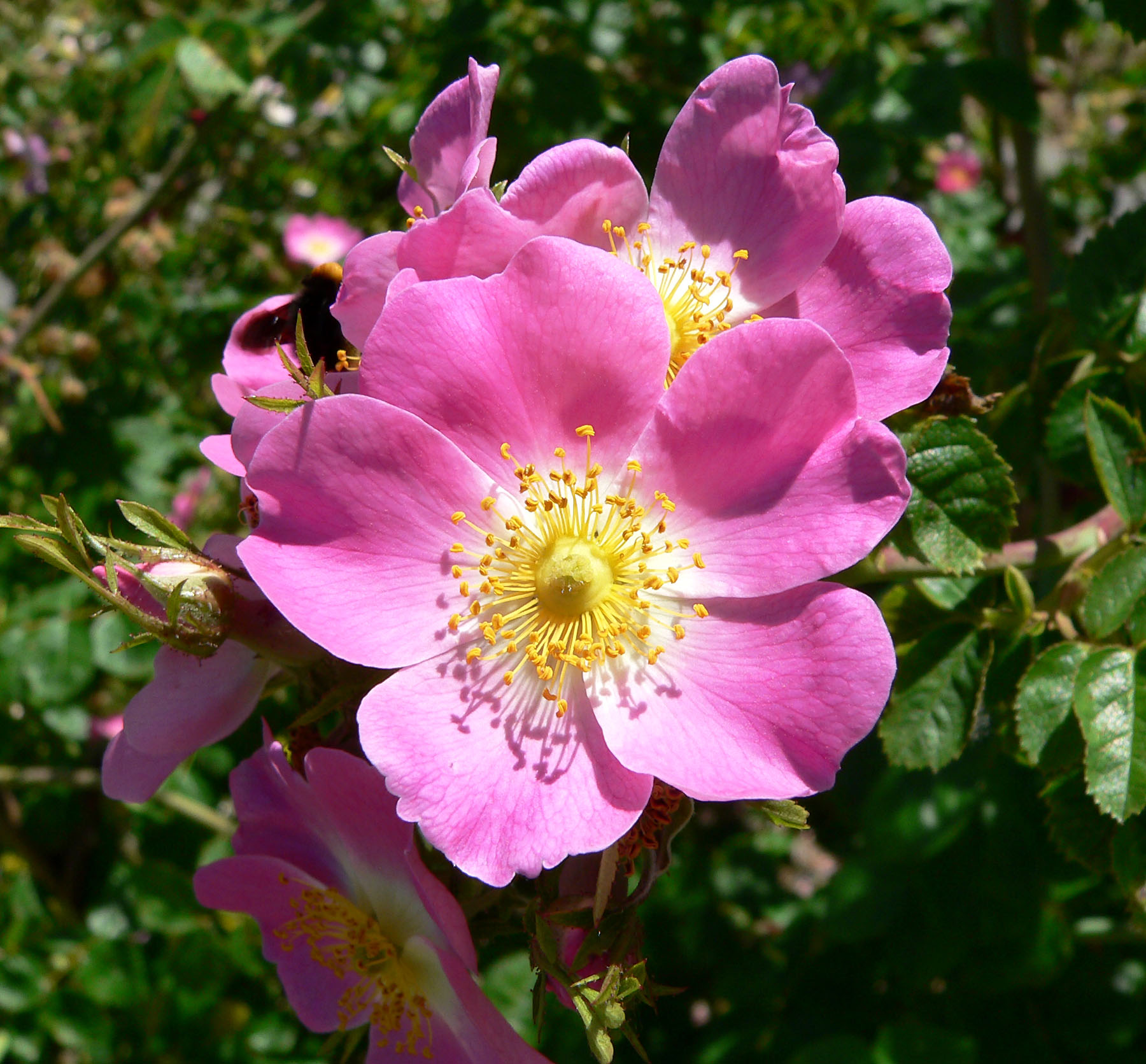
For centuries, rose water has been revered as a beauty essential—cherished by ancient civilizations, passed down through generations, and now, embraced in modern skincare rituals. Distilled from the delicate petals of the Rosa damascena or Rosa centifolia , this floral water is far more than a fragrant mist. It is a powerhouse of hydration, antioxidants, and healing properties that restore balance, calm inflammation, and enhance the skin’s natural glow . But is rose water truly good for your skin? Let’s dive deep into its science, history, and powerful skin benefits , and how you can incorporate this botanical elixir into your daily ritual for lasting radiance. The History & Legacy of Rose Water in Skincare Rose water has adorned the beauty rituals of Egyptian queens, Persian empresses, and Ayurvedic healers . Cleopatra was said to bathe in rose-infused water, while the Mughal Empire used it for both skincare and culinary elegance. Traditional medicine systems, from Ayurveda to Traditional Chinese Medicine (TCM) , have long praised rose water for its cooling, hydrating, and mood-enhancing properties. Extracted through steam distillation, pure rose water captures the essence of fresh petals , preserving their therapeutic compounds in a gentle, water-soluble form. Unlike synthetic toners or artificial floral mists, true rose water is a holistic remedy that works in harmony with the skin’s natural processes . The Science Behind Rose Water’s Skin Benefits Beyond its ethereal scent, rose water is packed with bioactive compounds that support skin health. It contains: ✅ Flavonoids & Polyphenols – Potent antioxidants that protect against environmental stressors. ✅ Natural Astringents – Gently tightens pores and refines texture without drying the skin. ✅ Vitamin C & E – Promotes collagen production and enhances skin elasticity. ✅ Anti-Inflammatory Properties – Soothes irritation, reduces redness, and calms sensitive skin. These elements make rose water a universal skincare ally , suitable for all skin types, from dry and sensitive to oily and acne-prone . Why Your Skin Loves Rose Water 1. Deep Hydration & Moisture Balance Hydration is the foundation of healthy, plump, and radiant skin . Rose water acts as a natural humectant , drawing moisture into the skin while preventing transepidermal water loss. How to Use: Mist rose water onto clean skin as a refreshing, lightweight hydrator. Mix with hyaluronic acid for a deeply moisturizing serum. Use it as a makeup-setting spray to keep skin dewy all day. 2. Soothing Inflammation & Redness Sensitive and reactive skin thrives on the cooling, anti-inflammatory benefits of rose water. Whether dealing with rosacea, eczema, or post-sun irritation, this floral tonic reduces redness and promotes healing. How to Use: Store rose water in the fridge for an ultra-cooling facial mist. Soak cotton pads in rose water and apply to inflamed areas. Use after shaving or waxing to calm irritation and prevent ingrown hairs. 3. Balancing Oil Production & Clearing Acne Rose water’s natural astringent properties help regulate sebum production, making it an excellent choice for oily and acne-prone skin . Unlike alcohol-based toners that strip the skin, rose water cleanses while maintaining hydration . How to Use: Use rose water as a toner after cleansing to minimize pores. Mix with clay masks to detoxify and balance the skin. Apply with a cotton pad to remove excess oil throughout the day. 4. Powerful Antioxidant Protection & Anti-Aging Support Free radicals from pollution, UV rays, and stress can accelerate skin aging. Rose water is rich in antioxidants that neutralize oxidative damage, boost collagen production, and keep skin firm, elastic, and youthful . How to Use: Layer rose water under facial oils to enhance absorption. Mist over serums with vitamin C to maximize their antioxidant effects. Blend with rosehip seed oil for a regenerating night ritual. 5. Brightening & Even-Toning for a Radiant Glow Hyperpigmentation, dullness, and uneven skin tone fade with the consistent use of rose water. Its mild exfoliating properties refresh tired skin and encourage a luminous complexion. How to Use: Use daily as a toner to maintain brightness and clarity. Mix with raw honey for a weekly brightening face mask. Combine with turmeric for an Ayurvedic spot treatment. How to Incorporate Rose Water Into Your Daily Ritual 1. Morning Dew Mist Wake up your skin with a cooling burst of hydration . Mist rose water generously onto your face to refresh and prepare the skin for the day ahead. 2. Midday Skin Revival Harsh environments can sap moisture from the skin. A few spritzes of rose water instantly revitalizes and protects against dryness . 3. Nighttime Skin Repair Before bed, use rose water as a final cleanse to remove impurities and prep the skin for deep nourishment . 4. DIY Beauty Enhancers Hydrating Face Mask: Blend rose water with yogurt and oatmeal for a skin-plumping treatment. Scalp & Hair Tonic: Massage into the scalp to soothe irritation and promote shine . Linen & Sleep Mist: Spritz onto pillows for a calming aromatherapy experience before sleep. Choosing the Right Rose Water Not all rose waters are created equal. To receive the full skin benefits, opt for pure, organic, and steam-distilled rose water . Look for: ✅ 100% pure rose water with no alcohol, preservatives, or synthetic fragrance. ✅ Dark glass bottles to preserve freshness and potency. ✅ Sustainably sourced and ethically produced options for the highest quality. Avoid “rose-scented waters” that contain artificial ingredients, as they can irritate the skin rather than heal it. Final Thoughts: The Timeless Beauty of Rose Water More than just a skincare staple, rose water is a sacred botanical ally that has stood the test of time. From hydration and healing to balancing and brightening , this gentle elixir is a true gift from nature. It is a ritual, a connection to plant medicine, and a way to honor the beauty within . Incorporate rose water into your self-care practices and experience its transformative power . Let every mist remind you of the ancient wisdom woven into nature’s remedies, whispering the secret to glowing, nourished skin. Spiritual Benefits of Rose Water Beyond skincare, the spiritual benefits of rose water have been honored for centuries. Across many traditions, rose water has been used in rituals associated with love, compassion, emotional healing, purification, and meditation. Many people mist rose water before meditation or intention-setting as part of a calming daily ritual — a gentle way to clear the energy of a space, soften the heart, and invite a moment of stillness into the day. Discover the magic of a pure rose water facial spritz at Societe Apothecary . Three Rose Water Recipes to Try at Home Refreshing Rose Water Facial Mist 1 cup distilled water 2 tablespoons rose water 1 teaspoon witch hazel (optional) Small spray bottle Combine the distilled water and rose water in a clean bowl. Add a teaspoon of witch hazel for extra astringency, if desired. Pour the mixture into a small spray bottle. Shake gently before each use and spritz onto your face for a refreshing boost. Soothing Rose Water and Aloe Vera Gel 1/4 cup rose water 1/4 cup pure aloe vera gel 1 teaspoon vitamin E oil Small jar for storage In a mixing bowl, blend the rose water and aloe vera gel until smooth. Stir in the vitamin E oil to enhance skin nourishment. Transfer the mixture into a small jar with a lid. Apply a small amount to your skin as a calming moisturizer. Homemade Rose Water and Honey Toner 1/2 cup rose water 1 tablespoon raw honey 1 tablespoon apple cider vinegar Cotton pads Mix the rose water and raw honey in a bowl until the honey dissolves. Stir in the apple cider vinegar for added toning benefits. Soak a cotton pad with the solution and gently sweep over your skin. Use daily after cleansing your face for best results. As with all herbal preparations, consult with a qualified practitioner to ensure these remedies are right for your skin type.