Intuition tea
Société Apothecary
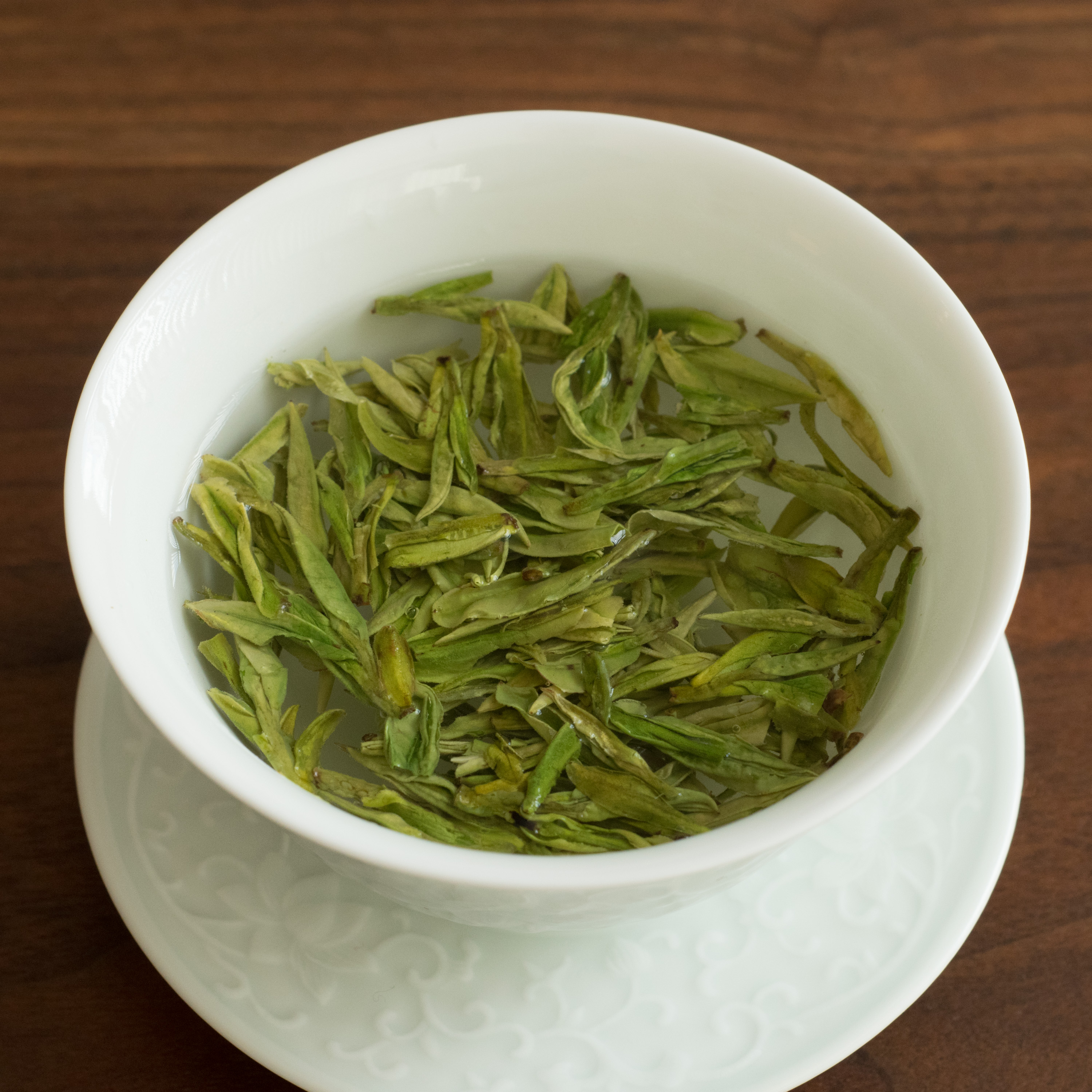
The Third Eye Chakra (Ajna) is located in the center of the forehead and is symbolized by the two-petal lotus flower and the color indigo. It is in this sight center that we find the home of the part of our consciousness that absorbs the knowledge of the outer world and externalizes the thoughts of our inner world. It is our source of beloved wisdom. French philosopher Rene Descartes (1596-1650) referred to this gland as the “seat of the soul” and believed it is where the soul and the body interacted. The third eye is the chakra of wisdom—enough to see, and the intellect to understand both sides of every event or story. This is the place of our mystical self—intuition, inner vision, a deeper perception of life than before. This is the place of shamans and wisdom keepers, those whose introspection open the doors of past lives, subconscious pattern recognition, astral travel, and extrasensory perception. An open and balanced Third Eye Chakra will allow us to trust our intuition, help us to focus and allow us to see an unobstructed view of reality. Connect to this energy center through meditation or guided visualization. This insightful healing tea is a magical, intuitive blend; a perfect pairing to a yin yoga class. It will enhance your relaxing, meditative state. Like a mood ring, you will see this tea change from a royal blue to a majestic purple right before your eyes, representative of your transformation, from just one yin class and/or cup of tea. You might also experience lucid visions or dreams, connecting deeper to your inner intuitive self. You will feel refreshed when you the time to honor your intuitive yourself. As Shakespeaere said, to thine ownself be true. Healing Herbs: Cornflower Butterfly Pea Chyrsantheantheum Mugwort Sage Rosemary Lavender Three Mugwort Recipes to Try at Home Soothing Mugwort Tea 1 tablespoon dried mugwort leaves 2 cups boiling water Honey or lemon (optional) Place the dried mugwort leaves in a teapot or heatproof container. Pour the boiling water over the mugwort leaves, covering them completely. Let the infusion steep for 5 to 10 minutes, depending on your taste preference. Strain the tea into a cup and add honey or lemon if desired for sweetness or zest. Sip slowly and enjoy the calming effects as you wind down your day. Mugwort Dream Pillow 1 cup dried mugwort leaves 1 cup dried lavender flowers Small cotton or muslin pouch Mix the dried mugwort leaves and lavender flowers in a bowl. Fill the small cotton or muslin pouch with the herbal mixture, leaving some room to allow the herbs to move around. Sew or tie the pouch securely to prevent any herbs from spilling out. Place the dream pillow under your pillowcase or beside your pillow before bedtime. Breathe deeply as the soothing aromas encourage restful sleep and vivid dreams. Mugwort Vinegar Tonic 1 cup fresh mugwort leaves 2 cups apple cider vinegar Glass jar with a non-metallic lid Rinse the fresh mugwort leaves thoroughly and pat them dry with a clean towel. Place the leaves in a clean glass jar, filling it about halfway. Pour the apple cider vinegar over the mugwort leaves until they are fully submerged. Seal the jar with a non-metallic lid and store it in a cool, dark place for 4 to 6 weeks, shaking gently every few days. After the infusion period, strain the vinegar through a fine mesh sieve or cheesecloth into a clean bottle. Use the mugwort vinegar as a zesty salad dressing or a tonic to support digestion. As with all herbal remedies, consult a qualified healthcare practitioner before incorporating mugwort into your routine, especially if you are pregnant or nursing.