How to Make Oatstraw Tea: A Simple Nourishing Infusion
Société Team
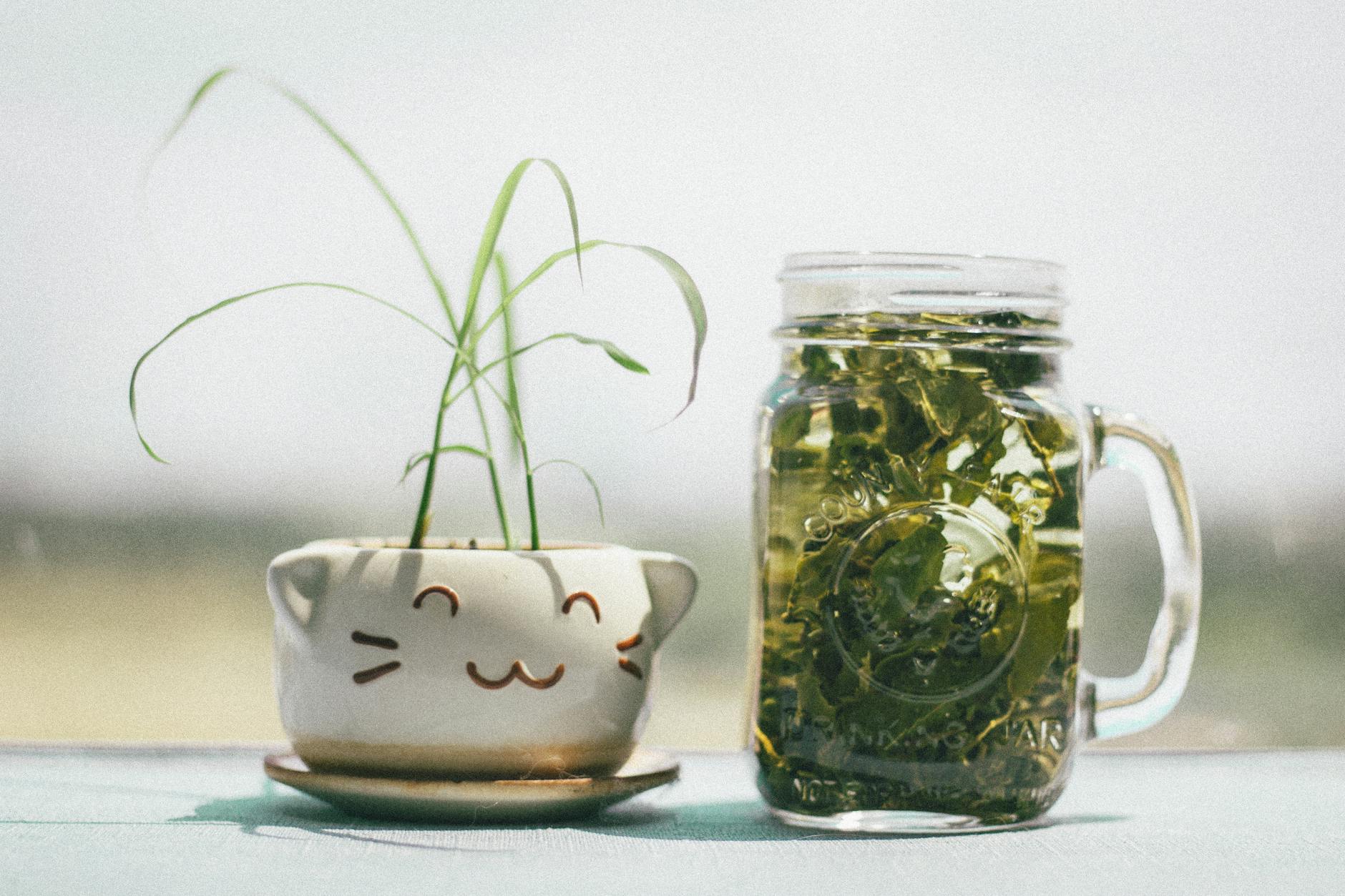
A Gentle Green Introduction to Oatstraw If you've been exploring the world of herbal teas, you may have come across a soft, grassy herb called oatstraw. Made from the green aerial parts of the oat plant ( Avena sativa ) harvested before the grain matures, oatstraw has been treasured in traditional herbalism for centuries. Learning how to make oatstraw tea is one of the most rewarding steps you can take on your herbal journey. It's simple, affordable, deeply nourishing, and the resulting brew has a quietly comforting quality that makes it easy to love. In this post, we'll walk you through everything you need to know — from choosing quality oatstraw to steeping it to perfection using a long, slow overnight infusion method. What Is Oatstraw and Why Brew It? Oatstraw is the green stalk and leaf of the oat plant, cut while still young and vibrant. It's distinct from oat bran or rolled oats — this is the living green plant, dried and ready to infuse. Herbalists have long turned to oatstraw as a nourishing tonic herb , meaning it's meant to be consumed regularly over time rather than in a single therapeutic dose. It's rich in minerals like calcium, magnesium, and silica, and it's prized for its gentle, restorative character. Unlike many medicinal herbs that have a sharp or bitter taste, oatstraw is mild and subtly sweet — making it one of the most approachable herbs for beginners and a pleasant daily ritual for seasoned herbalists alike. Understanding the Overnight Infusion Method When most people think of herbal tea, they think of a quick steep — a bag in hot water for five minutes. But for mineral-rich nourishing herbs like oatstraw, that approach simply doesn't do the job. The oat straw infusion method involves steeping the herb in hot water for an extended period — typically four to eight hours, or even overnight. This long steep is what sets a nourishing infusion apart from a standard tea. Here's why it matters: Minerals are slow to extract and require prolonged contact with hot water to fully release into the liquid. A longer steep produces a richer, more deeply colored brew with a fuller flavor profile. You end up with a much more potent and nutritionally dense preparation than a quick steep could ever yield. The overnight method is especially convenient — you set it up before bed and wake up to a ready-to-drink infusion waiting for you in the morning. It fits beautifully into a daily self-care routine. How to Make Oatstraw Tea: Ingredients and Ratios Let's get into the practical details of the oatstraw tea recipe. The beauty of this preparation is that you need very few supplies. What you'll need: 1 ounce (approximately 28–30 grams) of dried loose oatstraw 1 quart (4 cups / 950 ml) of filtered water, freshly boiled A quart-sized mason jar with a lid A fine mesh strainer or cheesecloth This is the classic 1 ounce to 1 quart ratio recommended by many herbalists for nourishing infusions. It might seem like a lot of herb for the amount of water, but trust the process — the resulting brew is full-bodied without being overwhelming. If you're new to oatstraw or prefer a lighter infusion, you can start with half an ounce (about 14 grams) per quart and work your way up as you develop a feel for the flavor and how your body responds. Step-by-Step: How to Brew Oat Straw Tea Now let's walk through the full process of how to make oat straw tea from start to finish. It truly couldn't be simpler. Step 1 — Measure your oatstraw. Add one ounce of dried loose oatstraw to a clean quart-sized mason jar. The herb will look like a generous handful of dried green grass — that's exactly right. Step 2 — Boil your water. Bring a full quart of filtered water to a rolling boil. Water quality matters here; filtered water produces a cleaner, purer-tasting infusion. Step 3 — Pour and cover. Pour the freshly boiled water over the oatstraw in the jar. Fill it right to the top, then screw the lid on tightly. This keeps the volatile plant compounds from escaping as steam. Step 4 — Steep overnight (or for at least four hours). Set the jar on your counter and let it steep for a minimum of four hours. For the most nourishing result, steep it overnight — eight hours is the sweet spot that most herbalists recommend for how long to steep oatstraw tea. Step 5 — Strain and enjoy. In the morning, strain out all the plant material using a fine mesh strainer or cheesecloth. Press or squeeze gently to extract as much liquid as possible. Your oatstraw infusion is ready to drink. Step 6 — Store the remainder. Transfer any leftover infusion to a clean jar and refrigerate. Drink it within 24–48 hours for the best flavor and potency. Some people gently warm it on the stovetop before drinking; others enjoy it cool straight from the fridge. What Does Oatstraw Tea Taste Like? This is a question many first-timers ask, and it's a fair one. After eight hours of steeping, you might expect something intense or grassy — but oatstraw is full of pleasant surprises. The color of the finished infusion is a warm golden-green, similar to a light green tea. The flavor is mild, slightly earthy, and gently sweet with a faint hint of grain — almost like a distant cousin of oatmeal in liquid form. It doesn't taste medicinal or sharp. There's a soft, hay-like quality to it that feels comforting and nourishing, not unlike sipping on liquid calm. If you'd like to enhance the flavor, a few simple additions work beautifully: A small drizzle of raw honey for sweetness A splash of oat milk or your favorite plant milk for creaminess A cinnamon stick added to the jar before steeping for a warm, spiced note A squeeze of fresh lemon for brightness Experiment and find the version that makes you genuinely look forward to drinking it every day. How to Use Oatstraw: Making It a Daily Ritual One of the most important things to understand about how to use oatstraw is that it works best as a consistent practice. This isn't an herb you take once and expect to feel dramatically different — it's a tonic. Most herbalists suggest drinking one to four cups per day as part of an ongoing wellness routine. Many people find that preparing a full quart each evening means they have their daily supply ready and waiting each morning — no effort required. Here are a few simple ways to integrate it: Morning ritual: Drink a warm mug first thing in place of or alongside your usual morning beverage. Afternoon reset: Keep the refrigerated infusion on hand and sip it cool in the afternoon as a gentle pick-me-up. Wind-down drink: Reheat a cup in the evening to support relaxation before bed. Building a daily herbal ritual like this is one of the most grounding and centering things you can do for your overall well-being. It's a small, intentional act of care for yourself. Tips for Getting the Best Oat Straw Infusion A few practical tips will make your oat straw tea recipe even better every time you brew it. Start with quality herb. The most important factor in a good infusion is the quality of the oatstraw itself. Look for herb that is bright green in color and has a fresh, pleasant aroma. Dull, brown, or odorless oatstraw has likely lost much of its nutritional value. Use freshly boiled water. Don't use water that has been sitting in the kettle for a while. Fresh, just-boiled water gives the infusion the best start. Keep the lid on. Always seal your jar during steeping. This is not optional — it traps the steam and keeps beneficial volatile compounds in the brew where they belong. Strain thoroughly. Small bits of oatstraw left in the infusion can make it taste bitter over time. Take an extra moment to strain it well. Be consistent. The benefits of nourishing herbal infusions build over time. Aim for daily use and give it at least a few weeks before drawing any conclusions. A Brief Note on Safety Oatstraw is widely considered a gentle, food-like herb that is safe for most adults when consumed as a nourishing infusion. That said, a few points are worth keeping in mind. If you have a known sensitivity to oats or gluten , consult with your healthcare provider before using oatstraw, as it is a related plant. As with any herb, it's always wise to speak with a qualified healthcare practitioner before adding new herbs to your routine — particularly if you are pregnant, nursing, or managing a health condition. This post is for informational and educational purposes only and does not constitute medical advice. Please consult a qualified practitioner for personalized guidance. Ready to Start Brewing? Visit Societe Now that you know exactly how to make oatstraw tea — from the overnight infusion method to the perfect ratios and steeping times — all you need is a beautiful, high-quality herb to get started. We'd love to invite you to explore our collection at societeapothecary.com , where you'll find carefully sourced loose oatstraw and other nourishing herbal allies waiting for you. At Societe, we believe that the right herbs — simply and intentionally prepared — can become some of the most meaningful rituals in your day. Come take a look, and let your daily infusion practice begin. Three Oatstraw Recipes to Try at Home Oatstraw and Lemon Balm Calming Infusion 1 tablespoon dried oatstraw 1 tablespoon dried lemon balm 2 cups boiling water Honey or lemon, to taste Combine the oatstraw and lemon balm in a teapot or heatproof jar. Pour the boiling water over the herbs, ensuring they are fully submerged. Cover and let steep for at least 30 minutes, or overnight for a stronger infusion. Strain the herbs, sweeten with honey or a splash of lemon if desired, and enjoy a calming moment. Nourishing Oatstraw Hair Rinse 2 tablespoons dried oatstraw 4 cups boiling water 1 tablespoon apple cider vinegar (optional) Place the oatstraw in a large bowl or jar and pour boiling water over it. Cover and let it steep for 4-8 hours, or overnight for a rich infusion. Strain the liquid into a bottle or jug and stir in apple cider vinegar if using. After shampooing, pour the rinse over your hair, massage gently, and leave for a few minutes before rinsing with cool water. Oatstraw and Lavender Relaxing Bath Soak 1 cup dried oatstraw 1/2 cup dried lavender flowers 4 cups water Combine oatstraw and lavender in a large pot. Add water and bring to a gentle simmer for 20 minutes. Strain the liquid into your bathtub filled with warm water. Soak for at least 20 minutes to allow the soothing properties to envelop you. As always, consult with a qualified healthcare practitioner before starting new herbal regimens, especially if you have existing health conditions or concerns.