Horsetail: The Ancient Reed Plant With Remarkable Modern Benefits
Société Team
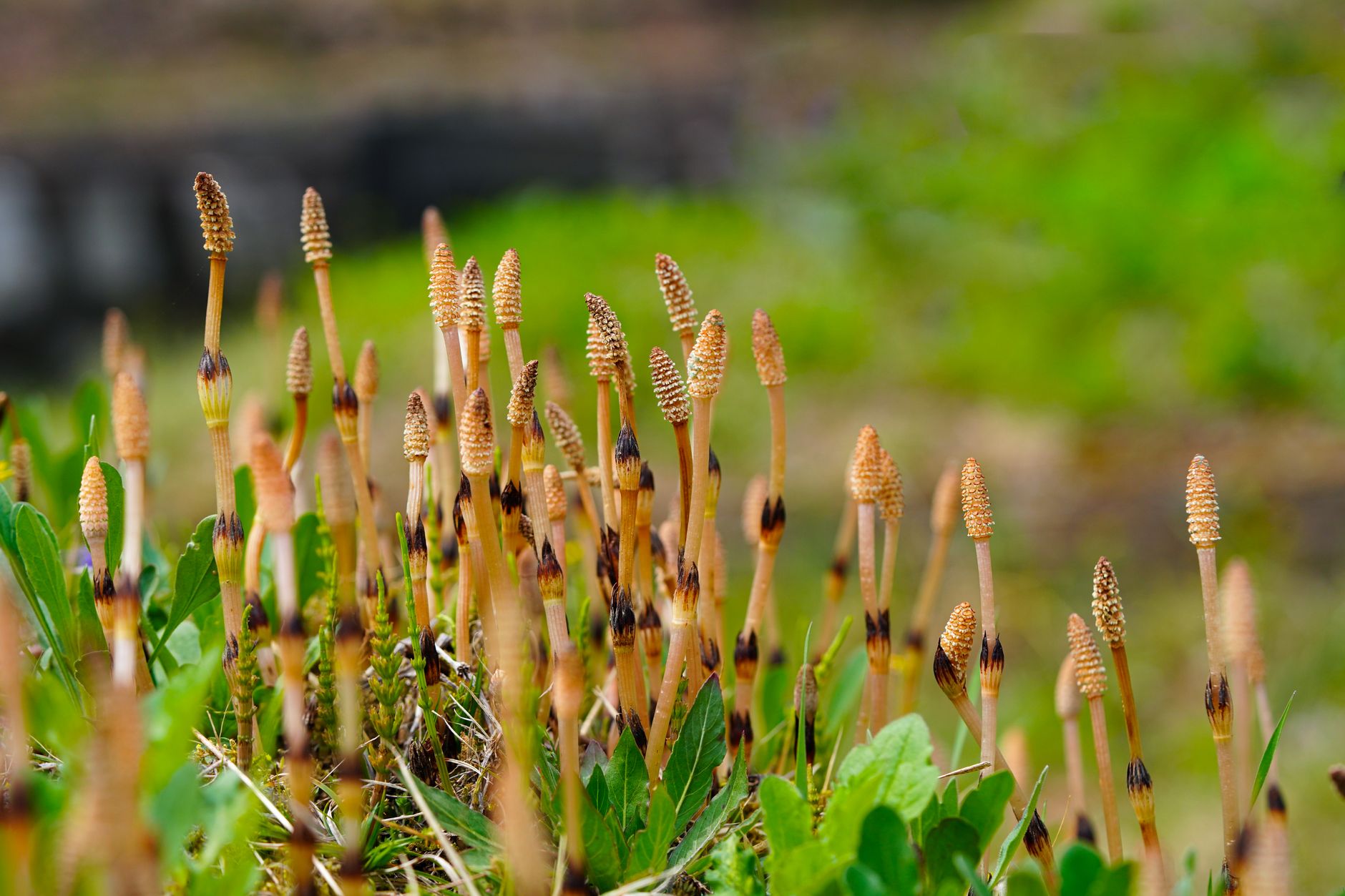
What Is the Horsetail Plant? If you've ever spotted those tall, slender, bamboo-like stalks growing near a stream or marshy area, you may have already crossed paths with the horsetail plant without realizing it. Botanically known as Equisetum arvense , this striking plant is one of the oldest on Earth — a true living fossil that has survived for over 300 million years. The horsetail reed plant gets its evocative name from the feathery, brush-like whorls of green shoots that radiate from its jointed stems, resembling — you guessed it — a horse's tail. It's a plant that looks ancient because it is ancient, and that deep lineage is a big part of what makes it so fascinating. Sometimes called horsetail reed grass or even horsetail weed (because of how vigorously it grows in the wild), this humble plant has quietly supported human health for thousands of years across multiple continents. Today, it's earning renewed attention in the wellness world, and for very good reason. A Rich History of Traditional Use Long before herbal supplements lined the shelves of natural health stores, traditional healers were reaching for the horsetail reed as a trusted remedy. Ancient Greek and Roman physicians, including Galen and Dioscorides, documented its use for wounds, kidney complaints, and tuberculosis. In Traditional Chinese Medicine , horsetail has been used for centuries to clear heat and reduce inflammation. Native American tribes also recognized its value, using it to treat kidney and bladder conditions, as well as to strengthen bones and heal wounds. Medieval European herbalists prized the plant for its astringent properties, often prescribing it to stop bleeding and encourage tissue repair. The famous 16th-century herbalist John Gerard wrote enthusiastically about its ability to heal ulcers and sores. It's remarkable how consistently, across cultures and centuries, this ancient reed plant kept finding its way into the healer's toolkit. The Science Behind Horsetail's Properties What makes horsetail so potent? The answer lies in its extraordinary biochemical makeup. The horsetail plant is one of the richest plant sources of silica (silicon dioxide) in the natural world — a mineral that plays a critical role in the health of connective tissue, bone, skin, hair, and nails. Beyond silica, horsetail contains an impressive lineup of active compounds: Flavonoids such as quercetin and kaempferol, which provide antioxidant and anti-inflammatory effects Saponins , which support the immune system and have mild cleansing properties Alkaloids including nicotine and palustrine in small quantities Potassium and manganese , important trace minerals for overall vitality Phenolic acids , which contribute to the plant's protective, antimicrobial qualities This rich combination of nutrients and phytochemicals gives horsetail extract a broad spectrum of therapeutic properties — including diuretic, anti-inflammatory, antioxidant, and antimicrobial actions. It's not a one-trick plant; it's a whole wellness system in a single stem. Horsetail Benefits for Hair, Skin, and Nails Perhaps the most celebrated of all horsetail benefits in modern wellness circles is its remarkable effect on hair health. Thanks to that exceptional silica content, horsetail is widely used to support stronger, shinier, and faster-growing hair — and the science backs this up. Silica is essential for the synthesis of collagen, the structural protein that forms the scaffolding of your hair follicles, skin, and nails. Without adequate silica, these structures become brittle, thin, and fragile. Regular use of horsetail extract has been associated with noticeable improvements in hair thickness and reduction in hair loss, making it a popular ingredient in natural hair care formulas. Horsetail benefits for hair extend beyond just growth. The plant's antioxidant flavonoids help protect the scalp from oxidative stress, which is one of the lesser-discussed contributors to premature hair thinning. A healthier scalp environment means healthier, more resilient hair over the long term. For skin, horsetail's silica and collagen-supporting properties translate into improved elasticity and a more youthful appearance. Its mild astringent quality also makes it useful for managing oily skin and reducing the appearance of pores. And for nails? Brittle, peeling nails often respond beautifully to consistent horsetail supplementation. Supporting Bone Health and Joint Comfort One of the less glamorous but genuinely important horsetail benefits is its role in supporting bone density and joint health . Silica is a key mineral in the formation and maintenance of bone tissue — it aids in calcium absorption and is involved in the mineralization process that keeps bones strong. Research has suggested that silica supplementation can improve bone mineral density, and since horsetail is one of the most bioavailable plant sources of this mineral, it's a natural choice for anyone looking to support skeletal health as they age. This is especially meaningful for women post-menopause, a population particularly vulnerable to bone loss. For joints, horsetail's anti-inflammatory properties come into play. The flavonoids in the plant help calm inflammatory pathways that contribute to joint discomfort and stiffness. Traditional herbalists have long recommended horsetail tea for conditions like arthritis and rheumatism — advice that is increasingly supported by modern phytochemical research. Kidney, Bladder, and Urinary Tract Support Across nearly every herbal tradition that has used horsetail, its diuretic properties have been a cornerstone of its reputation. Horsetail gently encourages the kidneys to produce more urine, which helps flush out excess fluids, waste products, and potentially harmful compounds from the urinary tract. This natural diuretic action makes horsetail a time-honored remedy for: Mild urinary tract infections and bladder irritation Fluid retention and mild edema Kidney stone prevention (by promoting regular flushing of the urinary system) General kidney and bladder toning and support Unlike pharmaceutical diuretics, which can strip important minerals from the body, horsetail's mineral-rich profile means it gives back while it flushes — a gentle, nourishing approach to urinary health. This is one reason herbalists have long preferred it as a first-line option for mild urinary complaints. How to Prepare and Use Horsetail One of the most accessible and traditional ways to enjoy this plant is as horsetail tea . Brewing a simple infusion is easy, and it allows you to tap into the plant's water-soluble minerals and phytochemicals in a gentle, time-honored way. To prepare horsetail tea: 1. Add 1–2 teaspoons of dried horsetail herb to a cup of freshly boiled water. 2. Allow it to steep for 10–15 minutes to fully extract the silica and flavonoids. 3. Strain well and enjoy — you can add a little honey or lemon to balance the mild, earthy, slightly grassy flavor. 4. Drink 1–2 cups daily for general wellness support. For those who prefer convenience, horsetail extract in tincture or capsule form is widely available and offers a more concentrated dose of the plant's active compounds. Tinctures are particularly popular for targeted therapeutic use, while capsules are ideal for those who want a simple, no-fuss daily supplement. Topically, horsetail can be infused into oils or added to hair rinses. A strong horsetail tea used as a final hair rinse after washing is a beloved traditional beauty practice — one that many people swear by for adding shine and strength to their locks. Horsetail in Your Wellness Routine Integrating the horsetail reed plant into a holistic wellness routine is wonderfully straightforward. Because it works in such a broad and gentle way — nourishing connective tissue, supporting detoxification, reducing inflammation — it complements nearly any wellness approach. For those focused on beauty from within , combining horsetail with other silica-rich foods and collagen-supporting nutrients creates a powerful synergy. Think of it as building a foundation: strong from the inside out, visible from the roots of your hair to the tips of your nails. For those working on bone or joint support , pairing horsetail with calcium, vitamin D, and magnesium provides a comprehensive approach to skeletal health. And for those interested in gentle detoxification , combining horsetail tea with adequate hydration and a clean diet creates a simple, effective cleansing protocol. It's worth noting that while horsetail is generally considered safe for most adults in recommended amounts, it is not recommended for pregnant or breastfeeding women, and long-term high-dose use should be discussed with a qualified healthcare provider. The plant contains an enzyme called thiaminase that can deplete vitamin B1, though this is typically only a concern with very high or prolonged intake. As with any herb, mindful, intentional use is always the wisest approach. Horsetail's Place in the Natural World There's something quietly awe-inspiring about the horsetail plant's story. While other ancient plant species faded into extinction, the horsetail reed endured — adapting, persisting, and continuing to grow in wetlands, roadsides, and riverbanks around the world. You might even spot its striking form near waterfalls (the famous Horsetail Falls in Oregon's Columbia River Gorge is named for how the water cascades over the rocks in a shape reminiscent of the plant's graceful form). That resilience feels fitting for a plant that has so much to offer in terms of human resilience — strengthening our tissues, supporting our natural detox pathways, and nourishing the structures that keep us moving through life with vitality and grace. Whether you're drawn to the horsetail plant for its long cultural history, its impressive nutrient profile, or its practical benefits for hair, bones, and urinary health, it's a herb that rewards attention. It asks very little — a simple cup of tea, a daily capsule, a mindful moment of self-care — and gives back a great deal in return. Explore Horsetail With Societe If you're ready to bring the nourishing power of this ancient reed into your daily wellness practice, we'd love to support you on that journey. Explore our thoughtfully sourced horsetail herb at societeapothecary.com/product/horsetail/ and discover how Societe makes it easy to embrace the wisdom of the plant world. We believe wellness should feel warm, intentional, and deeply rooted — just like the herbs we love. Three Horsetail Recipes to Try at Home Horsetail Strengthening Hair Rinse 1 cup dried horsetail herb 4 cups water 1 tablespoon apple cider vinegar In a pot, combine the dried horsetail with water and bring to a gentle boil. Reduce heat and let it simmer for 20 minutes to extract the beneficial minerals. Strain the liquid and let it cool to room temperature. Mix in the apple cider vinegar. After shampooing, use this rinse as a final step, massaging it into your scalp and hair, then rinse with cool water. Horsetail Joint-Relief Tea 1 teaspoon dried horsetail 1 cup boiling water Honey or lemon (optional) Place the dried horsetail in a tea infuser or directly in a cup. Pour boiling water over the herb and let it steep for 10 minutes. Strain the tea if necessary and sweeten with honey or a squeeze of lemon to taste. Enjoy warm to soothe your joints and promote overall wellness. Horsetail Skin-Soothing Poultice 2 tablespoons dried horsetail 1/4 cup hot water Clean cloth or gauze In a small bowl, mix the dried horsetail with hot water to create a thick paste. Allow the mixture to cool until warm to the touch. Apply the paste onto a clean cloth or gauze. Place the poultice on the affected skin area for 15-20 minutes to help reduce irritation and promote healing. Rinse the skin with lukewarm water and pat dry. Always consult a qualified healthcare practitioner before starting any new herbal regimen, especiall