Hops Flowers: The Ancient Herb of Calm, Sleep, and Herbal Wisdom
Société Team
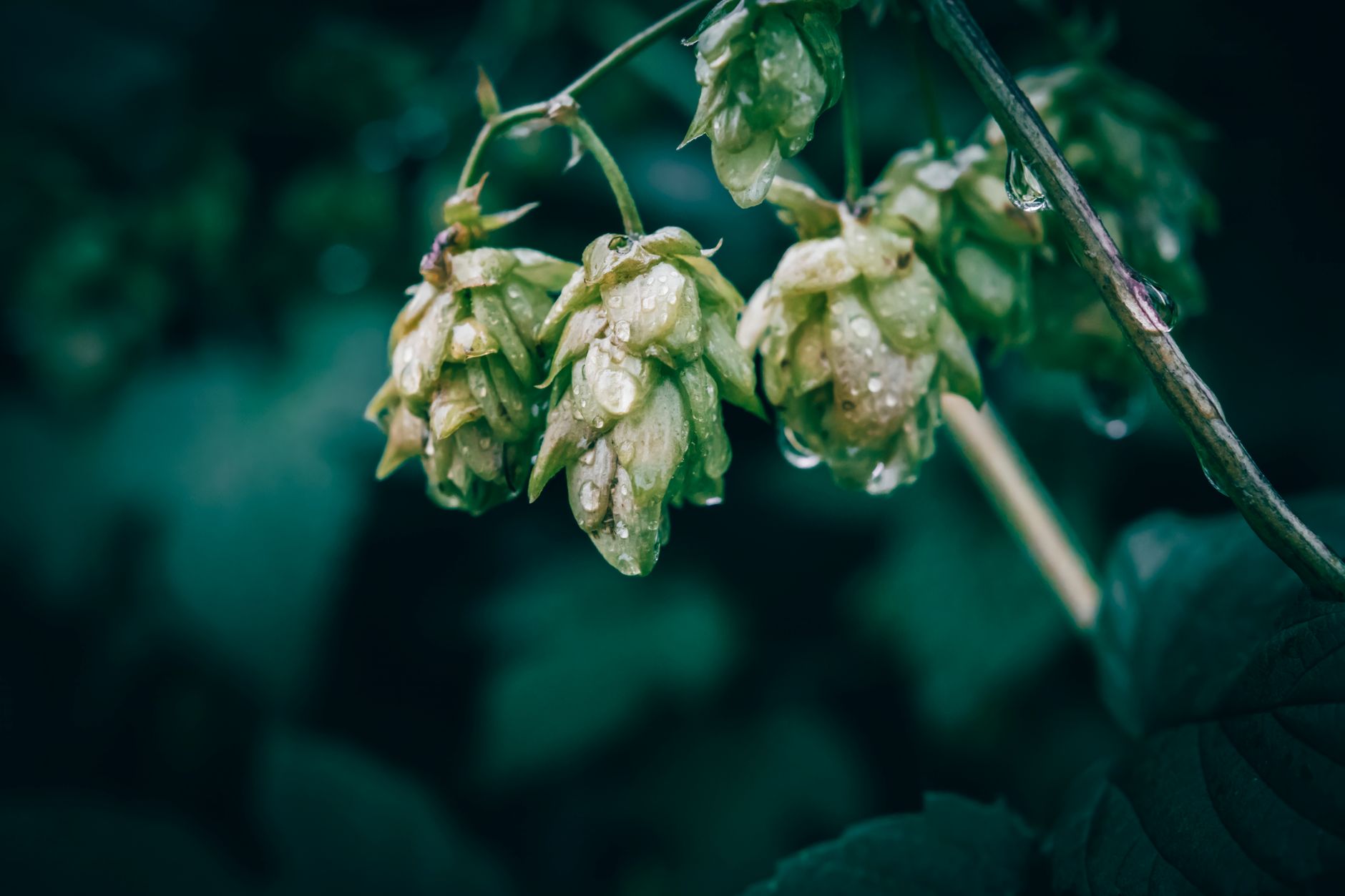
Few herbs carry the kind of dual legacy that hops flowers do. Known the world over as an ingredient in brewing, this remarkable botanical has quietly held a place of deep respect in herbal medicine for centuries. Long before hops flowers were associated with craft ales and amber lagers, herbalists across Europe and North America recognized their profound value as a nervine, a bitter digestive tonic, and a gentle sleep aid. The pale green, papery cones of Humulus lupulus represent one of the more fascinating intersections of culinary tradition and medicinal herbal wisdom — a plant that nourishes both body and spirit. Today, interest in dried hops flowers is experiencing a genuine renaissance. As more people seek plant-based approaches to stress, restless nights, and digestive discomfort, hops flowers uses are coming back into focus — not as a novelty, but as a well-researched, time-tested herbal ally. > "The hop is not only a preservative for beer, but a great preserver of health." > — Traditional European herbalist saying MATERIA MEDICA Scientific Name: Humulus lupulus L. Common Names: Hops, Hop Flowers, Common Hop, European Hop Family: Cannabaceae Parts Used: Strobiles (the dried female flower cones) Taste: Bitter, slightly aromatic Energy: Cooling, drying Physical Description Hops is a vigorous, twining perennial vine capable of climbing 20 feet or more in a single growing season. The leaves are deeply lobed with serrated margins, resembling those of their botanical cousin, cannabis. The most medicinally significant part of the plant is the strobile — the soft, papery, cone-shaped female flower. These cones are composed of overlapping bracts and bracteoles dusted with golden, resinous glands called lupulin, which contain the plant's most potent active compounds. Fresh hops flowers are a soft yellow-green. When properly dried, they retain much of their color and release a distinctly earthy, slightly spicy, and resinous aroma that is immediately recognizable. Habitat and Cultivation Originally native to Europe, western Asia, and parts of North America, hops now grow widely across temperate regions of the world. The plant thrives in rich, well-drained soils with full sun exposure and something sturdy to climb. Major commercial cultivation exists in the Pacific Northwest of the United States, Germany, the Czech Republic, and the United Kingdom. Organic hops flowers are increasingly sought after by both home brewers and herbalists who want to avoid synthetic pesticide residues on this resinous, highly absorbent plant. Hops prefer long summer days and cool nights, conditions that encourage the development of the lupulin glands responsible for both bitterness and medicinal activity. The plant is dioecious, meaning male and female flowers grow on separate plants — only the unfertilized female strobiles are harvested for herbal use. Harvest and Collection Timing the harvest of hops flowers is an art. The strobiles are ready when they feel light, papery, and springy to the touch, and when they emit a strong aromatic fragrance. Harvesting typically occurs in late summer, from mid-August through September in the Northern Hemisphere. If picked too early, the lupulin content is underdeveloped. If harvested too late, the cones begin to brown and lose potency. Harvest strobiles by hand or with clippers, selecting cones that are firm and fully formed Dry immediately after harvest in a single layer at low heat (no more than 95°F) to preserve volatile compounds Store dried hops in airtight containers away from heat and light — they degrade faster than many dried herbs Organic hops flowers, properly dried and stored, retain quality for up to one year Qualities and Energetics Qualities: Bitter, aromatic, cooling, drying, relaxing Energetics: In traditional Western herbal medicine, hops are considered cooling and drying — making them particularly suited to conditions of excess heat, tension, or agitation. Practitioners historically cautioned against their use in individuals who were already cold, depressed, or depleted. The cooling energetic properties of hops flowers make them a classic pairing with warming nervines like valerian or passionflower, balancing the overall formula without pushing someone further into coldness. From an Ayurvedic perspective, hops have a pitta-pacifying quality, helping to cool inflammatory heat and restless mental energy. Their bitter taste also supports liver and digestive function by stimulating bile flow. Actions and Chemical Constituents Actions Nervine sedative — calms nervous system excitability Hypnotic — promotes sleep onset and depth Bitter tonic — stimulates digestive secretions Anodyne — mild pain-relieving properties Antimicrobial — active against certain bacteria and fungi Antispasmodic — eases smooth muscle tension Estrogenic (mild) — contains phytoestrogens of note for hormonal considerations Chemical Constituents Alpha acids (humulones): Primary bitter compounds; antimicrobial and sedative activity Beta acids (lupulones): Bitter resins with antimicrobial properties Lupulin: The yellow resinous powder concentrated in the glands of the strobiles; primary site of medicinal compounds 2-Methyl-3-buten-2-ol: A degradation product of humulone linked directly to sedative and hypnotic effects Myrcene, linalool, geraniol: Volatile terpenes contributing to aroma and mild relaxant activity Xanthohumol: A prenylated chalcone with antioxidant and potentially anti-inflammatory properties Isoxanthohumol / 8-prenylnaringenin: Phytoestrogenic compounds of interest in women's health research Tannins: Astringent compounds supporting antimicrobial and tissue-toning actions Indications and Traditional Uses The traditional uses of hops flowers span digestive, nervous, and even topical applications. European herbalists used hop poultices to soothe painful joints. Pillows stuffed with dried hops flowers — sometimes combined with lavender — were a folk remedy for insomnia long before pharmaceutical sleep aids existed. Hops flowers for sleep remain one of the herb's best-supported applications. Research suggests that the compound 2-methyl-3-buten-2-ol, formed as alpha acids degrade, interacts with GABA receptors in the brain — the same pathway targeted by many pharmaceutical sedatives, though far more gently. Hops flower benefits for men have gained attention in wellness circles, particularly regarding stress resilience and sleep quality. Chronic stress and poor sleep are among the leading contributors to hormonal imbalance and reduced vitality in men, and hops' nervine-sedative action addresses both directly. Key indications include: Insomnia and difficulty staying asleep Nervous tension, anxiety, and restlessness Digestive sluggishness, bloating, and poor appetite Mild pain associated with tension or spasm Menopausal restlessness (with appropriate professional guidance) Irritable gut conditions with nervous overlay Three Practical Recipes with Hops Flowers Recipe 1: Hops Flowers Sleep Tea This classic hops flowers tea is one of the simplest and most effective ways to experience the herb's calming benefits. The addition of chamomile and lemon balm rounds out the bitter edge beautifully. Ingredients: - 1 teaspoon dried hops flower strobiles - 1 teaspoon dried chamomile flowers - 1 teaspoon dried lemon balm leaf - 8 oz freshly boiled water - Raw honey to taste (optional) Preparation: 1. Combine dried herbs in a tea infuser or muslin bag. 2. Pour freshly boiled water (not quite a rolling boil — about 200°F) over the herbs. 3. Cover and steep for 10–15 minutes to ensure full extraction of the bitter resinous compounds. 4. Remove herbs, sweeten lightly with honey if desired, and sip 30–45 minutes before bed. 5. Repeat nightly for at least two weeks to assess full benefit. Note: Hops flowers tea benefits are best experienced as part of a consistent bedtime routine, not as a one-time remedy. --- Recipe 2: Hops Flower Tincture A tincture extracts hops' active resins far more efficiently than water alone, making it an excellent option for those who prefer a concentrated, convenient form. This is particularly useful for hops flowers uses related to acute stress or insomnia. Ingredients: - 1 oz (28g) dried hops flower strobiles - 8 oz (240ml) 80-proof vodka or vegetable glycerin (for an alcohol-free version) - A clean glass jar with a tight-fitting lid - Fine mesh strainer and cheesecloth - Amber dropper bottles for storage Preparation: 1. Place dried hops flowers loosely into a clean glass jar. 2. Pour vodka or glycerin over the herbs, ensuring plant material is fully submerged with at least an inch of liquid above. 3. Seal the jar tightly and label it with the date and herb name. 4. Store in a cool, dark place for 4–6 weeks, shaking the jar daily when you remember. 5. After the maceration period, strain the liquid through a fine mesh strainer lined with cheesecloth, pressing the plant material firmly to extract all liquid. 6. Pour the finished tincture into amber dropper bottles and store away from light. Suggested use: 20–30 drops in a small amount of water, 30 minutes before bed or during periods of acute stress. Always consult a qualified herbalist for personalized guidance. --- Recipe 3: Hops and Lavender Dream Pillow One of the oldest folk uses of dried hops flowers is the dream pillow — a sachet placed inside your pillowcase that releases calming volatile compounds as you rest. The warmth of your body gently activates the aromatic compounds throughout the night. Ingredients: - ½ cup dried hops flower strobiles - ½ cup dried lavender buds - ¼ cup dried chamomile flowers - 2 tablespoons dried rose petals (optional, for sweetness) - A small breathable fabric pouch (muslin or linen, approximately 6" x 4") Preparation: 1. Combine all dried herbs in a bowl and gently toss to mix. 2. Fill the fabric pouch with the herbal mixture, packing it loosely to allow airflow. 3. Tie or sew the pouch closed securely. 4. Place the dream pillow inside your pillowcase or directly on your pillow before sleep. 5. Gently squeeze the pillow between your hands for a few seconds before lying down to release fresh aromatic compounds. 6. Refresh the pillow every 4–6 weeks by replacing the herb mixture, or add a few drops of lavender essential oil to revive the scent. This topical aromatic application is completely safe for most individuals and makes a beautiful, handcrafted gift. Safety, Cautions, and Considerations Hops flowers are generally well-tolerated when used as directed in herbal traditions. However, a few important considerations apply. Avoid during depression. Because of their pronounced cooling and sedating energetics, hops are contraindicated in individuals experiencing depression or low mood. Deepening sedation in already depleted nervous systems is not appropriate. Pregnancy and nursing. Due to the mild phytoestrogenic activity of hops compounds, use during pregnancy is not recommended without professional guidance. Medication interactions. Hops flowers can potentiate the effects of pharmaceutical sedatives, sleep medications, and anti-anxiety drugs. If you take any of these medications, consult your healthcare provider before adding hops to your routine. Freshness matters. The sedative and aromatic qualities of dried hops flowers degrade relatively quickly. Always source organic hops flowers from a reputable supplier to ensure potency and purity — and check that your dried hops have been stored properly before purchase. Bringing Hops Flowers Into Your Wellness Practice Hops flowers represent a wonderful example of how herbal wisdom and modern science can speak the same language. Whether you are seeking better sleep, a calmer nervous system, or simply the pleasure of a beautifully bitter digestive tea, this underappreciated botanical has much to offer. Starting with quality dried herb is everything. The resinous lupulin glands that carry hops' most valuable compounds are sensitive