Holy Basil (Tulsi): The Sacred Herb That Belongs in Your Wellness Routine
Société Team
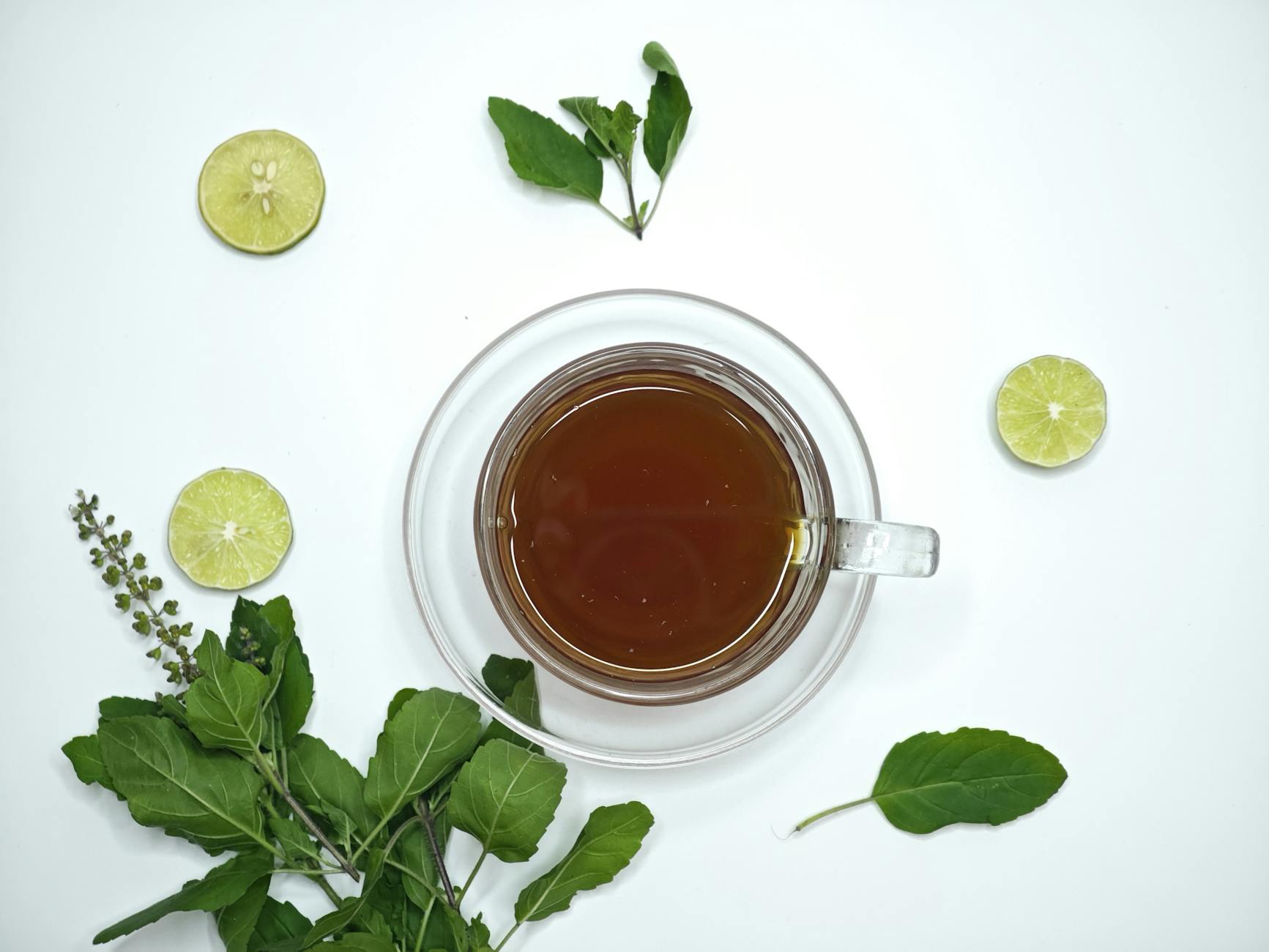
What Is Holy Basil (Tulsi) and Why Is Everyone Talking About It? If you've wandered into a health food store lately or scrolled through wellness communities online, you've probably noticed holy basil — also known as tulsi — popping up everywhere. And for good reason. Tulsi ( Ocimum tenuiflorum ) is a flowering herb native to the Indian subcontinent, where it has been cherished for more than 3,000 years. It belongs to the same family as culinary basil, but holy basil is in a class entirely its own when it comes to medicinal and spiritual significance. Today, modern science is catching up with ancient wisdom, and the research surrounding holy basil tulsi health benefits is genuinely exciting. Whether you're discovering it for the first time or deepening an existing practice, this herb has something profound to offer. A Rich Tradition: Tulsi in Ayurveda and Sacred Culture In Hinduism, the holy basil tulsi plant is considered sacred — so sacred, in fact, that it is worshipped as a goddess in her own right. Traditionally known as "The Queen of Herbs" and "Mother Medicine of Nature," tulsi has been central to daily spiritual rituals in Hindu households for millennia. Ayurvedic texts describe tulsi as a rasayana — a category of herbs believed to promote longevity, vitality, and overall well-being. Ancient healers used every part of the plant: the tulsi leaves, seeds, roots, and even the essential oil extracted from the stems. Tulsi was traditionally prepared and used for a wide range of concerns, including: Respiratory ailments like coughs, colds, and congestion Digestive discomfort and bloating Fever and inflammation Stress, anxiety, and mental fatigue Skin and wound healing This deep cultural reverence is not mere superstition — it reflects thousands of years of careful, cumulative observation of what this plant actually does for the human body and mind. The Holy Basil Tulsi Plant: Getting to Know the Herb Itself The holy basil tulsi plant is a small, aromatic shrub that grows readily in warm, tropical climates. It produces delicate purple or white flowers and small, oval-shaped leaves that release a complex, clove-like fragrance when crushed. There are several varieties of tulsi, each with slightly different aromatic profiles and phytochemical compositions: Rama Tulsi — the most common variety, with green leaves and a mild, cooling flavor Krishna (Shyama) Tulsi — recognizable by its purplish leaves and a more peppery, intense aroma Vana Tulsi — a wild variety, particularly rich and robust in its medicinal constituents Many wellness enthusiasts grow their own holy basil tulsi plant at home or search for a holy basil tulsi plant near me at local nurseries. It's a relatively easy herb to cultivate, thriving in sunny windowsills and garden beds alike — and growing it yourself means you always have fresh tulsi leaves at hand. If you want to grow from scratch, holy basil tulsi seeds are widely available and germinate readily in warm conditions. Starting your own plant is a rewarding way to connect more deeply with this sacred herb. Holy Basil Tulsi Health Benefits: What the Science Says One of the most exciting aspects of tulsi is that its traditional reputation is increasingly supported by modern research. Scientists have identified a rich array of bioactive compounds in the herb — including eugenol, rosmarinic acid, ursolic acid, and various flavonoids — that help explain its wide-ranging effects. Adaptogenic Support for Stress and Anxiety Tulsi is perhaps best known as an adaptogen — a substance that helps the body resist and adapt to physical, chemical, and emotional stressors. Studies suggest that holy basil can help normalize cortisol levels, reduce anxiety, and promote a calm, focused mental state without causing drowsiness. This makes it a genuinely useful ally for anyone navigating the demands of modern life. Anti-Inflammatory and Antioxidant Properties Chronic inflammation is at the root of many modern health challenges. Compounds found in holy basil tulsi leaves — particularly eugenol and ursolic acid — have demonstrated significant anti-inflammatory activity in laboratory studies. The herb is also rich in antioxidants, helping to neutralize free radicals and protect cells from oxidative stress. This combination makes holy basil tulsi health benefits especially relevant for long-term wellness support. Immune System Modulation Tulsi has long been used in Ayurveda to support the immune system, and research suggests it may help enhance the activity of natural killer cells and other immune defenders. Regular use of holy basil — whether as tulsi tea or a supplement — may help the body mount a more effective response to seasonal threats. Blood Sugar Balance Several clinical studies have found that holy basil tulsi supplementation may help support healthy blood sugar levels. While it is not a replacement for medical treatment, these findings are promising and have contributed to growing interest in holy basil tulsi extract and supplement formulations. Respiratory Health Tulsi's traditional use for respiratory support has solid scientific backing. Its antimicrobial, anti-inflammatory, and expectorant properties make holy basil tulsi tea a go-to remedy during cold and flu season. It can help soothe irritated airways and support clearer breathing. Cognitive Function and Mental Clarity Emerging research suggests tulsi may have neuroprotective properties, helping to protect brain cells from oxidative damage and supporting cognitive performance. Many people report that regular use of tulsi — particularly in the form of tulsi tea — helps them feel more mentally clear and focused. How to Prepare and Enjoy Holy Basil Tulsi Tea One of the most accessible and enjoyable ways to experience the benefits of this herb is through holy basil tulsi tea. It's simple to make, delicious to drink, and gentle enough to enjoy every day. Making Fresh Tulsi Tea If you have access to fresh holy basil tulsi leaves, simply steep a small handful (about 10–15 leaves) in hot water for 5–7 minutes. You can add honey, ginger, or a squeeze of lemon to complement the herb's naturally complex, slightly spicy flavor. Using Dried Tulsi Dried tulsi is equally effective and much more convenient. Use about one to two teaspoons of dried herb per cup of hot water and allow it to steep, covered, for 5–10 minutes. Covering the cup while steeping helps preserve the volatile aromatic compounds responsible for many of tulsi's benefits. Many people enjoy tulsi tea in the morning as a grounding alternative to coffee, or in the evening as part of a winding-down ritual. The herb's adaptogenic quality means it supports calm focus without the jitteriness or crash associated with caffeine. Holy Basil Tulsi Extract and Supplements For those looking for a more concentrated approach, holy basil tulsi extract is available in liquid tincture and capsule forms. A high-quality holy basil tulsi supplement can be particularly useful when you want consistent, measured dosing — for example, if you're using it specifically to support stress resilience or blood sugar balance. When choosing a holy basil tulsi supplement, look for products made from organic, whole-herb material with transparent sourcing and quality testing. Tulsi in Modern Wellness Practices Beyond its direct health benefits, tulsi has found a natural home in the broader landscape of modern wellness. Its role as a mindfulness herb — one used intentionally, often accompanied by ritual — resonates strongly with the growing interest in slow, conscious self-care. Many yoga practitioners and meditation teachers incorporate tulsi tea into their pre- or post-practice routines, finding that it supports the kind of present, grounded awareness they cultivate on the mat. There's something about the act of brewing a warm cup of tulsi tea — inhaling its complex, sacred aroma — that invites a moment of stillness in an otherwise busy day. Herbalists often pair tulsi with other adaptogens and nervines, such as ashwagandha, lemon balm, or passionflower, to create blended formulas that address stress, sleep, and nervous system support from multiple angles. These combinations can amplify the individual benefits of each herb in a beautifully complementary way. Tulsi is also gaining popularity in the skincare world. Its antibacterial and anti-inflammatory properties make tulsi-infused products effective for supporting clear, healthy skin — continuing a tradition that Ayurvedic practitioners have known about for centuries. Safety, Dosage, and Who Should Use Caution For most healthy adults, holy basil is considered very safe for regular use. It has been consumed as both a food and a medicine for thousands of years, and modern research has not identified significant adverse effects at typical doses. That said, a few considerations are worth noting: Because tulsi may have mild blood-thinning properties, individuals taking anticoagulant medications should consult their healthcare provider before using it regularly. Pregnant women are generally advised to use tulsi in culinary amounts only, as some studies suggest higher doses could affect fertility or uterine contractions. If you are managing a specific health condition or taking prescription medications, it's always wise to discuss new herbal supplements with a qualified healthcare professional. For most people, drinking one to three cups of holy basil tulsi tea per day or taking a standardized supplement as directed is a perfectly safe and sustainable practice. Bring Tulsi Into Your Life: A Warm Invitation Whether you're new to herbal wellness or a seasoned plant lover, holy basil is one herb that genuinely earns its place on your shelf. From its remarkable adaptogenic properties to its centuries-deep roots in sacred tradition, tulsi offers something rare: a herb that nourishes the body, calms the mind, and feeds the spirit all at once. If you're ready to experience the magic of this extraordinary herb for yourself, we warmly invite you to explore Societe's thoughtfully sourced offering at societeapothecary.com/product/holy-basil-tulsi/ . At Societe, we believe that quality herbs deserve to be handled with care and intention — and we'd love to be part of your wellness journey. Three Holy Basil Recipes to Try at Home Soothing Holy Basil Tea 1 tablespoon dried holy basil leaves 2 cups of water Honey or lemon (optional) Bring the water to a gentle boil in a small saucepan. Add the dried holy basil leaves to the boiling water. Reduce the heat and let it simmer for about 5-7 minutes. Strain the tea into a cup and add honey or lemon if desired. Sip slowly and enjoy the calming effects. Holy Basil Infused Honey 1 cup raw honey 1/2 cup fresh holy basil leaves Gently wash and pat dry the holy basil leaves. Place the leaves in a clean, dry jar. Pour the raw honey over the leaves, ensuring they are fully submerged. Seal the jar and let it sit in a cool, dark place for 1-2 weeks, shaking gently every few days. Strain the honey to remove the leaves and store it in a jar for use in teas or as a sweetener. Holy Basil and Lemon Balm Face Mist 1/4 cup fresh holy basil leaves 1/4 cup fresh lemon balm leaves 1 cup distilled water 1 teaspoon witch hazel (optional) Boil 1 cup of distilled water and remove from heat. Add the holy basil and lemon balm leaves to the hot water, allowing them to steep for 15-20 minutes. Strain the mixture and let it cool completely. Add witch hazel if desired for extra skin-soothing properties. Pour the mixture into a spray bottle and mist onto your face for a refreshing herbal treat. As with any herbal remedy, consult a qualified healthcare practitioner before incorporating new herbs into your routine.