Hibiscus (Hibiscus sabdariffa): Materia Medica
Société Apothecary
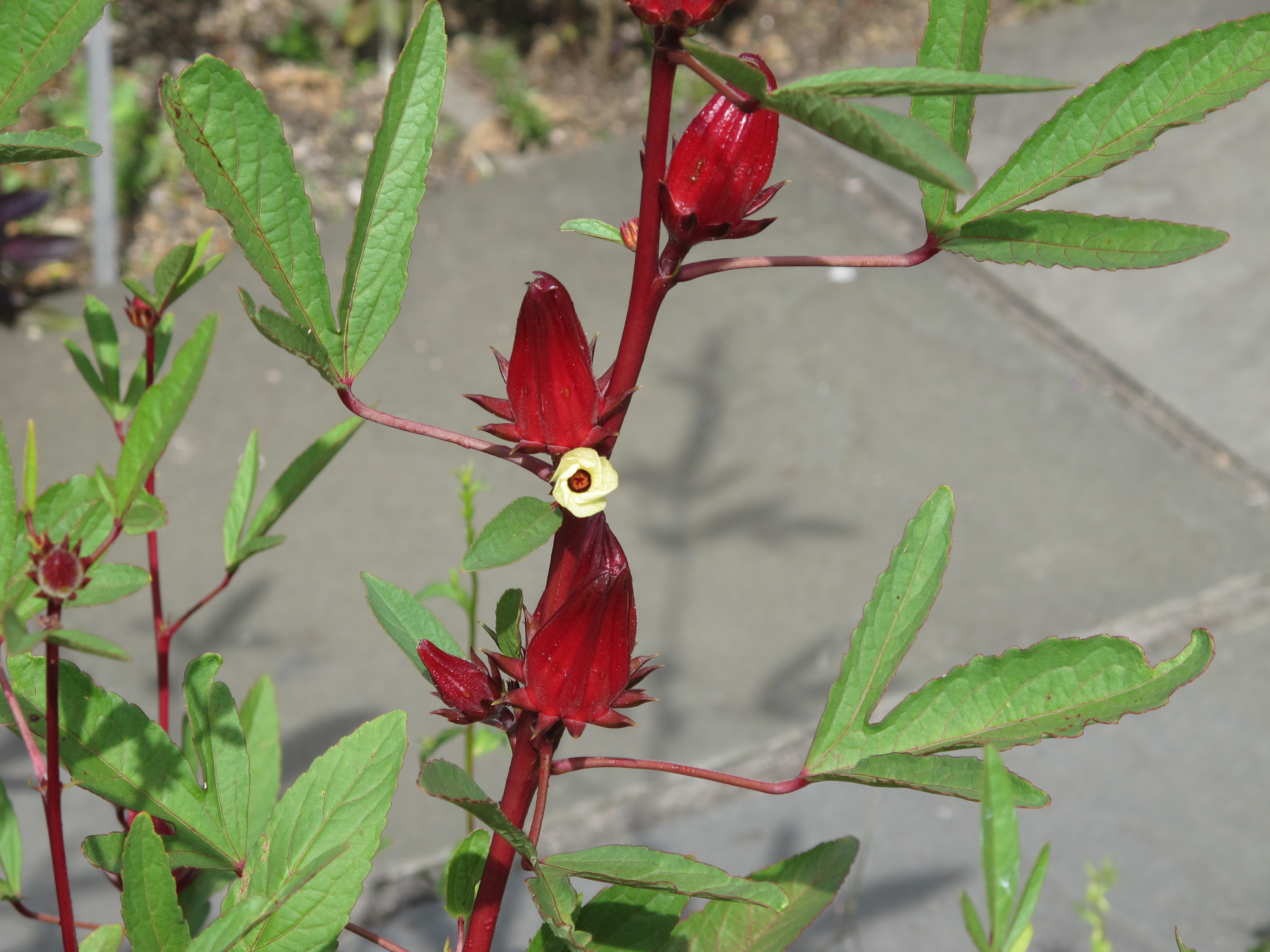
Summary Hibiscus ( Hibiscus sabdariffa ) is a vibrant, tart-flavored herb widely used for its cardiovascular, antioxidant, and blood pressure-lowering properties. Rich in vitamin C and polyphenols , hibiscus is a refreshing herbal remedy known for its ability to support heart health, improve digestion, and enhance immune function . Materia Medica Latin Binomial: Hibiscus sabdariffa Common Names: Hibiscus, Roselle, Red Sorrel, Jamaican Sorrel TCM Name: Luo Shen Hua Ayurvedic Name: Japa Family: Malvaceae (Mallow family) Physical Description of the Plant Hibiscus is a perennial shrub that grows up to 8 feet tall , with deep green leaves , striking red or pink trumpet-shaped flowers , and thick, fleshy calyces that are commonly used in herbal preparations. Habitat Native to tropical and subtropical regions , hibiscus thrives in warm climates across Africa, Asia, the Caribbean, and Central America . It prefers well-drained, sandy soils and requires full sun for optimal growth. Harvest and Collection Calyces are harvested once the flowers have bloomed and withered . Leaves and flowers can also be collected for medicinal use. Dried and stored in a cool, airtight container to preserve potency. Parts of the Plant Used Calyces (most commonly used for tea and medicine) Leaves and Flowers (used occasionally for culinary and herbal applications) Qualities & Benefits Key Actions: Lowers blood pressure naturally Supports cardiovascular health Rich in antioxidants (fights oxidative stress) Aids digestion and liver detoxification Boosts immune function with vitamin C Promotes healthy cholesterol levels Energetics: Taste: Tart, slightly sour Temperature: Cooling Chemical Constituents Anthocyanins (powerful antioxidants for heart health) Flavonoids (anti-inflammatory, immune-boosting effects) Polyphenols (protects against oxidative stress) Vitamin C (supports immune system and skin health) Organic acids (malic, citric, tartaric acids aid digestion) Traditional Uses & Applications Western Herbalism Blood Pressure Support : Used to naturally lower hypertension and improve circulation. Heart Health : Reduces cholesterol levels and enhances vascular function . Immune Boosting : High in antioxidants and vitamin C , hibiscus helps fight infections and inflammation . Digestive Aid : Supports liver function, bile production, and gut health . Cooling Herb : Used to reduce body heat and inflammation . Eastern Herbalism Meridians: Liver, Heart, Stomach Clears Heat & Detoxifies: Ideal for inflammatory conditions and fevers . Moves Qi & Blood: Supports circulation and digestion . Indications High blood pressure and heart disease High cholesterol and poor circulation Weakened immune system or frequent colds Liver sluggishness or digestive issues Heat-related conditions (inflammation, fever, irritability) Contraindications & Drug Interactions May lower blood pressure too much when taken with antihypertensive medications. Use cautiously with blood sugar medications to avoid hypoglycemia. Not recommended during pregnancy due to potential uterine stimulation. Dosage & Preparations Tincture 2-4 mL up to twice daily in water or juice. Infusion (Tea) 1-2 teaspoons dried hibiscus calyces per cup of boiling water. Steep for 10-15 minutes , strain, and drink once or twice daily . Capsules 250-500 mg daily , standardized extract. Combinations With Hawthorn for heart health. With Ginger for digestion and circulation. With Lemon Balm for stress relief. Folklore & Historical Uses Ancient Egyptian medicine revered hibiscus as a cooling tonic for fevers and heart health . In Caribbean and West African traditions , hibiscus tea is a celebratory and medicinal drink . Ayurvedic and Chinese medicine use hibiscus for detoxification, digestion, and circulation . Scientific Research & Studies Studies confirm hibiscus' ability to reduce blood pressure, improve lipid profiles, and support liver function . Research also highlights its antioxidant and anti-inflammatory effects for cardiovascular and metabolic health . Recipes Hibiscus Heart Health Tea Ingredients: 1 teaspoon dried hibiscus calyces 1 teaspoon dried hawthorn berries 1 cup hot water Instructions: Steep ingredients in hot water for 15 minutes . Strain and drink daily for cardiovascular support . Hibiscus Cooling Summer Drink Ingredients: 1 cup dried hibiscus calyces 4 cups water 1 tablespoon honey or agave Juice of 1 lime Instructions: Simmer hibiscus in water for 10 minutes , then let cool. Strain, add honey and lime juice. Serve iced for a refreshing drink . Conclusion Hibiscus is a delicious and potent herbal remedy that supports heart health, digestion, and immune function . Whether used in teas, tinctures, or capsules , this herb remains a staple in natural medicine for its cooling, antioxidant-rich properties .