Hibiscus Flower Powder: Herbal Wisdom from Petal to Practice
Société Team
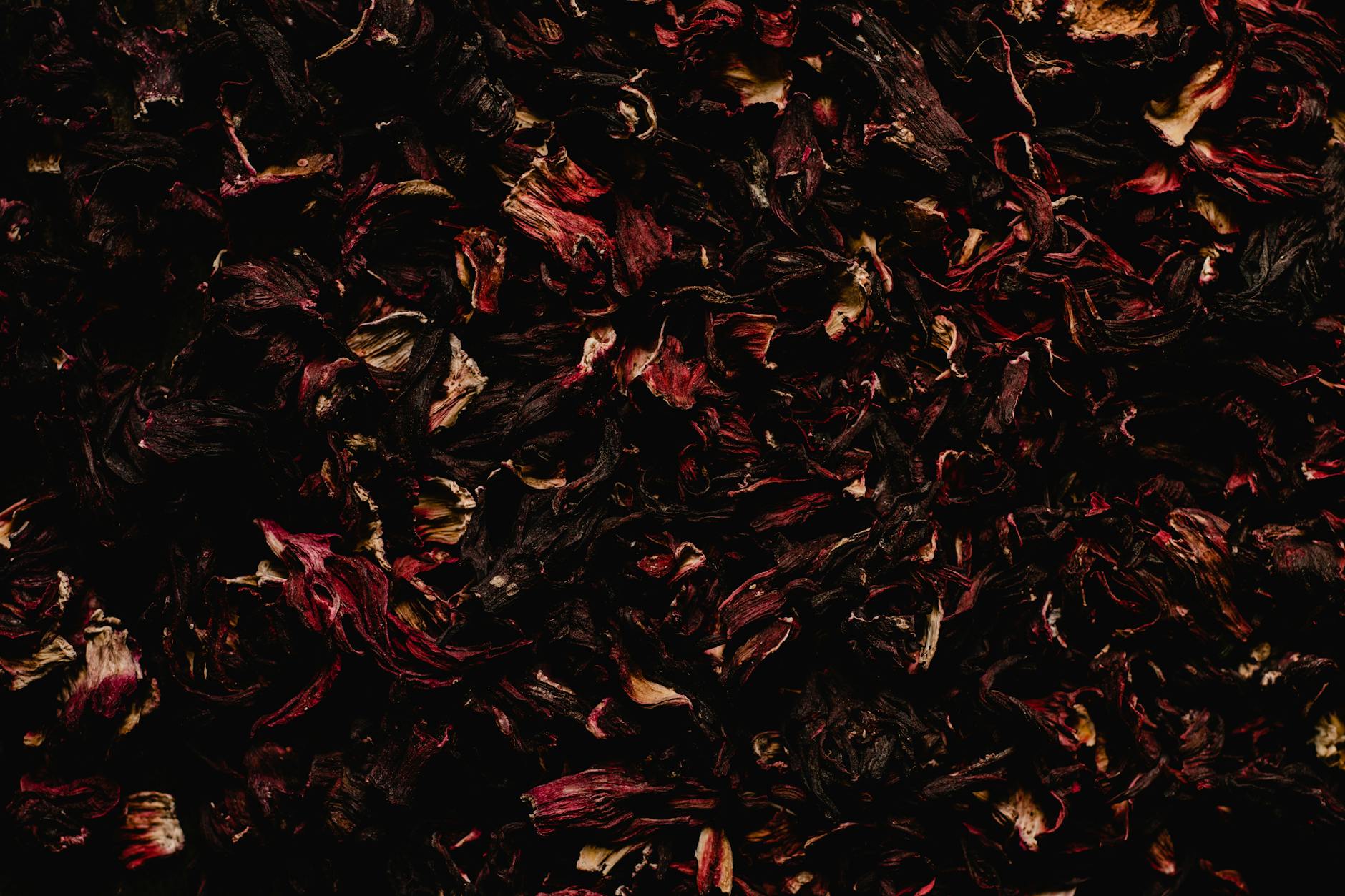
Few plants carry the kind of cross-cultural reverence that hibiscus does. From the sun-drenched markets of West Africa to the ceremonial kitchens of ancient Egypt and the Ayurvedic traditions of South Asia, this crimson bloom has long been regarded as both medicine and magic. Today, hibiscus flower powder brings that same ancient potency into a convenient, concentrated form — ready for teas, topical preparations, culinary creations, and more. Understanding its full profile means unlocking one of herbal wisdom's most versatile and vibrant gifts. > "The hibiscus is not merely a flower — it is a pharmacy in bloom, offering its gifts to the skin, the blood, and the spirit alike." — Traditional herbalist saying MATERIA MEDICA Scientific Name: Hibiscus sabdariffa Common Names: Hibiscus, Roselle, Sorrel, Flor de Jamaica, Karkadé, Bissap Family: Malvaceae Parts Used: Dried calyces (commonly called "flowers"), ground into powder Physical Description: Hibiscus sabdariffa is a robust annual or perennial shrub growing up to 2–3 meters tall. Its stems are reddish-purple and slightly woody at the base. The leaves are variable — lower leaves are broadly oval while upper leaves are deeply lobed. Flowers are pale yellow with a deep crimson center, lasting only a single day. The most medicinally prized part is the fleshy red calyx that swells dramatically after the flower falls. These calyces are harvested, dried, and ground into the brilliant ruby-red powder we know today. Habitat and Traditional Origins Hibiscus sabdariffa is native to West Africa but has spread enthusiastically across tropical and subtropical regions worldwide. It thrives in warm climates with well-drained soil and full sun exposure. It is cultivated extensively across Nigeria, Sudan, Egypt, Thailand, Mexico, and India. Each culture has woven hibiscus into its food traditions, healing systems, and ritual practices in distinct and fascinating ways. In West Africa, bissap — a cold hibiscus drink — is a celebratory staple. In Egypt, karkadé tea has been consumed for cardiovascular wellness for generations. In Ayurveda, hibiscus has long supported women's health, hair vitality, and cooling excess heat in the body. Harvest and Collection The calyces are harvested approximately 3–4 weeks after the flowers bloom, once they are fully swollen, fleshy, and deeply red. Sustainable harvest involves hand-picking ripe calyces, separating them from the seed capsule, and drying them at low temperatures to preserve their rich anthocyanin content. Once dried, they are carefully ground into a fine, vibrant powder. Quality indicators for hibiscus flower powder: - Deep ruby or magenta color (pale powder signals poor drying or old stock) - Intensely tart, cranberry-like aroma - Fine, consistent texture without clumping - No additives, fillers, or artificial colorants Qualities and Energetics Taste: Sour, slightly astringent Temperature: Cooling Moisture: Slightly drying In traditional energetic frameworks, hibiscus is considered a cooling, decongesting herb — particularly valuable for those experiencing excess heat, inflammation, or stagnant circulation. Ayurvedic practice associates it with balancing pitta dosha, while traditional Egyptian and Arabic medicine have long used it to cool fevers and calm an overheated cardiovascular system. Its sour taste speaks directly to its affinity for the liver and blood — two territories where hibiscus flower powder benefits are most profoundly expressed. Actions Hibiscus flower powder is a multi-action herb with a well-documented therapeutic range: Antioxidant — exceptionally high in anthocyanins and flavonoids Hypotensive — supports healthy blood pressure levels Hepatoprotective — supports liver health and detoxification Diuretic — promotes healthy fluid metabolism Antimicrobial — active against certain bacterial strains Anti-inflammatory — reduces systemic and topical inflammation Emollient — softens and conditions skin and hair Astringent — tones tissues mildly Nutritive — rich in vitamin C and minerals Chemical Constituents The therapeutic depth of hibiscus flower powder comes from a rich and well-studied phytochemical profile: Anthocyanins (delphinidin-3-sambubioside, cyanidin-3-sambubioside) — primary antioxidants responsible for the deep red pigment Organic acids (citric, malic, tartaric, hibiscus acid) — contribute the characteristic sour taste and support metabolic function Polyphenols and flavonoids (quercetin, kaempferol, luteolin) Vitamin C (ascorbic acid) — supports immune function and collagen synthesis Mucilaginous polysaccharides — provide emollient and soothing properties Protocatechuic acid — supports liver function Minerals: calcium, iron, magnesium, phosphorus Hibiscus Flower Powder Benefits for Skin and Hair Among its most celebrated modern applications are hibiscus flower powder benefits for skin and hibiscus flower powder benefits for hair — areas where its phytochemistry translates beautifully into topical use. For the skin, hibiscus powder acts as a gentle natural exfoliant , its organic acids encouraging cellular turnover without harsh abrasion. Its rich antioxidant content combats oxidative stress, while its mucilaginous compounds soothe and hydrate — making it a prized ingredient for face masks targeting dullness, uneven tone, or early signs of aging. For hair, hibiscus has been used in South Asian traditions for generations to condition the scalp, reduce breakage, and encourage growth. The amino acids and vitamin C content support keratin structure, while anti-inflammatory properties help calm scalp irritation and dandruff. Indications Hibiscus flower powder uses span a wide therapeutic range: Elevated blood pressure and cardiovascular support Liver congestion and sluggish detoxification Urinary tract health and fluid retention Immune deficiency or frequent illness (vitamin C support) Skin dullness, hyperpigmentation, and oxidative aging Dry, brittle, or slow-growing hair Inflammatory conditions with heat presentation Digestive sluggishness (mild bitter-sour stimulation) Menopausal heat, hot flashes, and irritability As with any herb, pay attention to hibiscus flower powder side effects — its hypotensive properties mean those on blood pressure medication should consult a healthcare provider. Its diuretic action warrants adequate hydration. It may also affect estrogen metabolism, so individuals with hormone-sensitive conditions should use it mindfully. --- Recipe 1: Classic Hibiscus Wellness Tea A simple, nourishing daily infusion that showcases hibiscus flower powder uses for cardiovascular and immune support. Ingredients: - 1 teaspoon hibiscus flower powder - 1½ cups hot water (not boiling — around 190°F) - 1 teaspoon raw honey or maple syrup - Squeeze of fresh lemon juice - Optional: pinch of cinnamon or ginger powder Preparation: 1. Place hibiscus flower powder in a small bowl or mug. 2. Add 2 tablespoons of warm water and stir into a smooth paste to prevent clumping. 3. Pour remaining hot water over the paste and stir well. 4. Let steep for 3–5 minutes, then strain through a fine mesh strainer if desired. 5. Sweeten with honey, add lemon juice, and enjoy warm or over ice. Serve daily for best results. This tea pairs beautifully with Societe's Maine Blueberry tea or Rosememory tea for a layered antioxidant experience. --- Recipe 2: Hibiscus Honey Syrup This vibrant syrup captures concentrated hibiscus flower powder benefits in a shelf-stable, versatile form — perfect for adding to sparkling water, cocktails, yogurt, or herbal preparations. Ingredients: - 2 tablespoons hibiscus flower powder - 1 cup filtered water - 1 cup raw honey (or cane sugar for a vegan version) - Zest of 1 orange (optional) - 2 cardamom pods, lightly crushed (optional) Preparation: 1. Combine hibiscus flower powder, water, and optional aromatics in a small saucepan. 2. Warm over medium-low heat, stirring constantly, until the powder is fully dissolved — do not boil. 3. Reduce heat to low and stir in honey until completely incorporated. 4. Remove from heat and allow to cool for 15 minutes. 5. Strain through a fine mesh strainer into a clean glass jar. 6. Seal and refrigerate; use within 3–4 weeks. Use 1–2 tablespoons per cup of sparkling water, or drizzle over oatmeal and pancakes for a ruby-red antioxidant boost. --- Recipe 3: Hibiscus Powder Face Mask for Glowing Skin Drawing on the long tradition of hibiscus flower powder for face care, this mask gently exfoliates, brightens, and hydrates — ideal for normal, dry, and combination skin types. Ingredients: - 1 teaspoon hibiscus flower powder - 1 teaspoon raw honey - 1 teaspoon plain full-fat yogurt (or coconut milk for vegan option) - ½ teaspoon rose water (optional, for extra soothing) Preparation: 1. Combine all ingredients in a small bowl and stir until a smooth, spreadable paste forms. 2. Cleanse your face gently before applying. 3. Apply an even layer across your face, avoiding the eye area. 4. Leave on for 10–15 minutes — the mask will dry slightly and you'll feel a gentle tightening sensation. 5. Rinse thoroughly with lukewarm water, pat dry, and follow with your usual moisturizer. 6. Use 2–3 times per week for noticeable hibiscus flower powder benefits for skin over time. Patch test first if you have sensitive skin. The natural acids may cause mild tingling — this is normal, but discontinue use if irritation occurs. --- Recipe 4: Hibiscus Hair Conditioning Mask For those exploring hibiscus flower powder for hair, this deeply conditioning mask targets dryness, breakage, and scalp inflammation — a time-honored treatment rooted in South Asian herbal tradition. Ingredients: - 2 teaspoons hibiscus flower powder - 3 tablespoons coconut oil (melted) or plain yogurt - 1 teaspoon amla powder (optional, for extra scalp nourishment) - 5 drops rosemary essential oil (optional) Preparation: 1. Combine hibiscus powder with coconut oil in a small bowl; mix until smooth and uniform in color. 2. Stir in amla powder and rosemary essential oil if using. 3. Apply generously to damp hair and scalp, working from roots to ends. 4. Massage into the scalp for 2–3 minutes to stimulate circulation. 5. Cover with a shower cap and leave on for 30–45 minutes. 6. Rinse thoroughly and shampoo as usual. Use weekly for 4–6 weeks to assess hibiscus flower powder benefits for hair, particularly for reduced breakage and improved shine. --- A Living Tradition in Powder Form Hibiscus flower powder is one of those rare herbal preparations that genuinely bridges ancient wisdom and modern convenience. Whether you are steeping it into a daily tea, folding it into a face mask, or working it through your hair, you are participating in a tradition that spans continents and centuries. Its vibrant color is not merely aesthetic — it is a direct signal of anthocyanin richness, of antioxidant power, of biological vitality carefully preserved from petal to powder. That depth of color is your assurance that the herbal wisdom embedded in this plant has made it all the way to your hands. Explore high-quality hibiscus flower powder sourced with care at societeapothecary.com/product/hibiscus-flower-powder/ — Societe is committed to bringing you pure, vibrant botanicals that honor the integrity of the plant and the traditions behind it. We'd love to be part of your herbal practice.