How to Describe Essential Oil and Herbal Scents
Société Apothecary
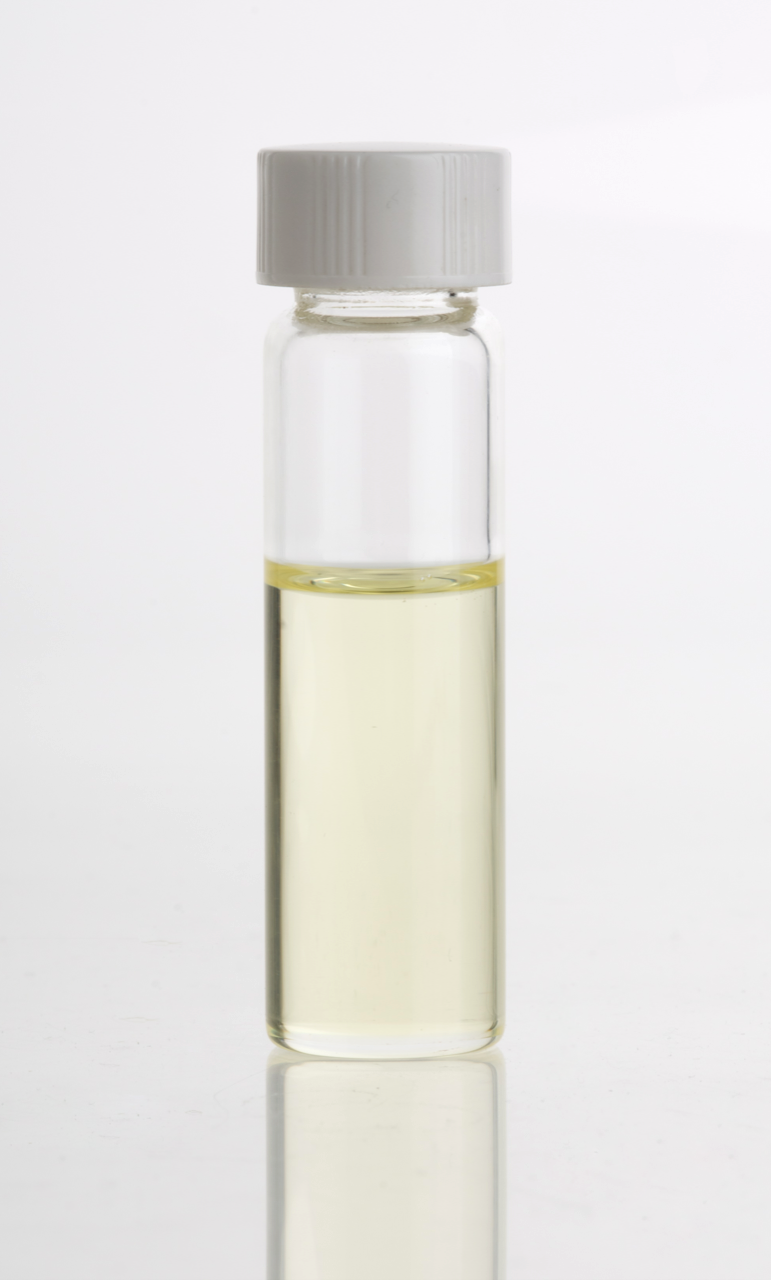
Essential Oil Smells Have you ever felt like you lack the descriptors to capture a herbal smell or aromatherapy scent? Whether you're smelling herbs fresh from the garden, blending essential oils, or simply trying to articulate what draws you to a particular botanical, the right language makes all the difference. Here is a list of 17 ways to help describe that herb smell — a little sensory vocabulary for your apothecary journey. Cheers! Anisic – odor of fennel/anise seed Balsamic – sweet, soft, warm odor resins Camphoraceous – a clean, fresh medicinal smell Citrus – fresh, tangy smell of lemons, limes, oranges Floral – smells like flowers Forest – resembling the odor of wood Fruity – having the odor of pears, apples, etc Green – grassy like odor Herbaceous – having an odor of herbs, garden plants Leather – somewhat musky odor with distinct tobacco phenolic like notes Metallic – having a cool, clear effect Minty – strong smell like peppermint Refreshing – light and fresh smelling Spicy – having the odor of cinnamon, clove, etc. Woody – somewhat more leaf like than forest Sharp/pungent – having a strong, sharp odor Sweet – having the odor reminiscent of vanilla or strawberry Why Smelling Herbs Matters in Herbal Practice Smelling herbs is far more than a pleasurable ritual — it is one of the oldest and most intuitive tools in a herbalist's toolkit. Long before laboratory analysis, practitioners relied on their noses to assess the quality, freshness, and potency of plant material. A vibrant herbal smell indicates the presence of volatile oils, which carry much of a plant's aromatic and therapeutic character. When you take a moment to truly inhale a herb — whether it's the sharp, almost medicinal camphor of fresh rosemary, the warm anisic sweetness of fennel, or the green brightness of freshly bruised lemon balm — you begin to build what herbalists call an "aromatic memory." This embodied knowledge deepens your relationship with each plant and helps you choose the right herbs intuitively over time. Here are a few ways to develop your herb smells vocabulary and sensory awareness: Smell dried herbs before and after crushing them — breaking the plant material releases more volatile oils and often reveals a richer, more complex herbal smell. Compare fresh and dried versions of the same herb side by side. Chamomile, for instance, shifts from a light apple-like freshness when dried to something deeper and more hay-like. Keep a scent journal — jot down the descriptors from the list above that resonate each time you encounter a new botanical. Over time, your aromatic vocabulary will grow naturally. Smell herbs at different times of day , as warmth and humidity can intensify or soften a plant's scent profile considerably. Think of smelling herbs as a form of slow, sensory literacy — one that connects you more deeply to the living world of plants and to your own body's responses. Three Fennel Recipes to Try at Home Fennel and Anise Herbal Tea 1 teaspoon fennel seeds 1 teaspoon anise seeds 2 cups of water Honey or lemon (optional) Bring 2 cups of water to a boil in a small saucepan. Add the fennel and anise seeds to the boiling water. Reduce the heat and let the mixture simmer for 5 minutes. Strain the tea into a cup and add honey or lemon if desired. Enjoy your calming herbal tea, perfect for soothing digestion. Fennel-Infused Olive Oil 1 cup olive oil 2 tablespoons fennel seeds Pour the olive oil into a small saucepan and add the fennel seeds. Heat the mixture on low for about 10 minutes, stirring occasionally. Remove from heat and let it cool completely. Strain the oil into a clean glass bottle, discarding the seeds. Use this aromatic oil in your cooking or as a delightful salad dressing. Fennel Seed Sugar Scrub 1 cup granulated sugar 1/4 cup coconut oil, melted 1 tablespoon fennel seeds 10 drops of fennel essential oil In a bowl, combine the sugar and melted coconut oil. Stir in the fennel seeds and fennel essential oil until well mixed. Transfer the scrub to a clean, airtight jar. Use the scrub to exfoliate your skin in the shower, enjoying its sweet-spicy herbal smell. Rinse thoroughly for soft, rejuvenated skin. Always consult a qualified healthcare practitioner before using herbal remedies, especially if you have underlying health conditions or are pregnant.