Guava Berry: The Tropical Gem of Herbal Wisdom
Société Team
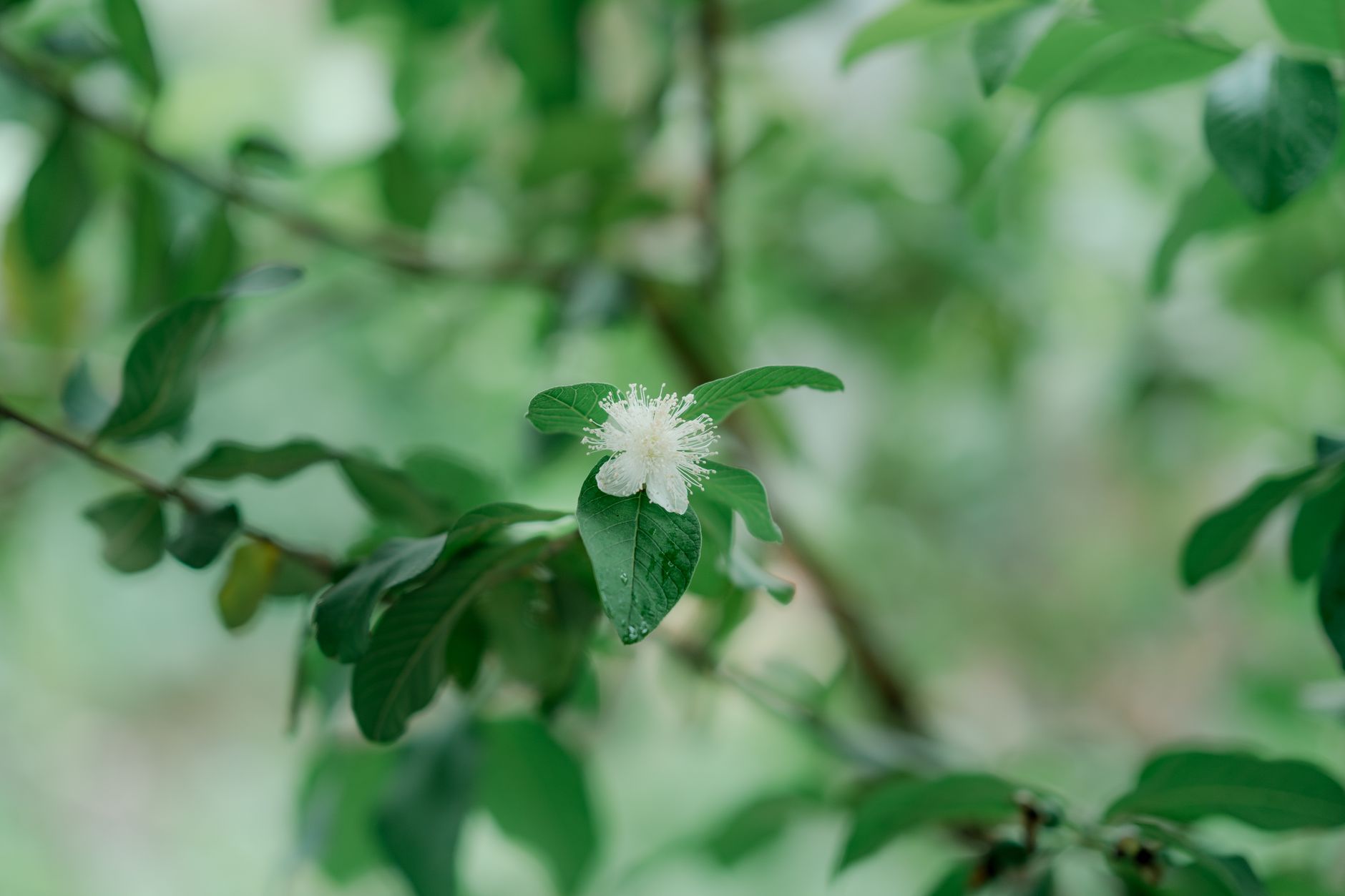
Few plants carry the kind of quiet, sun-warmed magic that the guava berry does. Tucked into tropical and subtropical landscapes, this small but mighty fruit has been cherished for centuries by indigenous healers, coastal communities, and home herbalists alike. Its story is one of resilience and richness — a plant that thrives where others struggle, offering nourishment, medicine, and flavor in equal measure. Understanding guava berry through the lens of herbal wisdom means appreciating both its delicate botanical characteristics and its bold, layered depth of action on the body. > "The guava berry is the people's medicine — available to all, gentle enough for daily use, and powerful enough to be remembered across generations." — Traditional Caribbean herbal saying MATERIA MEDICA Scientific Name: Myrciaria floribunda (also known regionally as Eugenia floribunda ) Common Names: Guava Berry, Rumberry, Camu-Camu's cousin (distinct plant), Waterloo Berry (in some Caribbean regions, giving rise to the local phrase "guava berry Waterloo" as a geographic identifier) Plant Family: Myrtaceae Parts Used: Fruit (fresh and dried), leaves, bark Native Region: Caribbean islands, Central America, northern South America Physical Description The guava berry tree is a graceful, slow-growing evergreen that typically reaches 10 to 20 feet in height. Its bark is smooth and reddish-brown, peeling in attractive papery layers — a hallmark trait of the Myrtaceae family. The leaves are small, lance-shaped, and a deep, waxy green, releasing a faintly resinous scent when crushed. Tiny white or cream-colored blossoms appear in clusters, filling the air around the guava berry tree with a delicate, honeyed fragrance during flowering season. The fruit itself is the star — round, roughly the size of a large blueberry, and ripening through a spectrum of yellow, orange, and deep burgundy-red. The flesh is tart, aromatic, and juicy, with a complex flavor profile that has inspired everything from guava berry rum to guava berry liqueur, sparkling water infusions, and even the beloved guava berry colada. Habitat and Growing Conditions Guava berry thrives in the warm, humid climates of the Caribbean basin, where it grows naturally along forest edges, hillsides, and coastal scrublands. It tolerates a range of soil conditions but prefers well-drained, slightly acidic earth with good sun exposure. The tree is notably drought-tolerant once established, making it a symbol of quiet endurance in challenging environments. In the Virgin Islands, Puerto Rico, and parts of Dominica, guava berry trees are semi-wild and semi-cultivated — loved too much to be left entirely to chance. Seasonally, the fruit ripens from November through January, making guava berry harvest a festive and culturally significant time. Communities gather to collect the fruit for traditional preparations, and the scent of simmering guava berry fills households across the islands during the holiday season. Harvest and Collection Harvesting guava berry is a sensory experience guided by color, scent, and touch. Ripe fruit ranges from deep red to almost purple-black and should yield slightly under gentle pressure. Pick fruit by hand or with a gentle shaking of branches over a cloth or basket. Harvest in the early morning when the fruit is cool and essential oils are most concentrated. Use fruit within 2–3 days fresh, or dry at low temperatures (under 115°F) to preserve nutritional integrity. Leaves may be harvested year-round; select mature, undamaged leaves from healthy branches. Bark should only be harvested sustainably from pruned branches — never stripped from living trunks. Preserving guava berry through drying, fermenting, or infusing into alcohol has been practiced for generations, and these methods remain foundational to both folk medicine and traditional culinary arts. Qualities and Energetics Taste: Sour, astringent, mildly sweet Temperature: Cooling Moisture: Slightly drying Tissue State Affinity: Lax, damp, hot conditions In traditional energetic frameworks, guava berry is considered a cooling and toning herb — ideal for conditions marked by excess heat, inflammation, or tissue laxity. Its sour taste signals a high organic acid content that tightens and tones mucous membranes, while its cooling nature makes it useful during febrile states and inflammatory flares. The energetic properties of guava berry align it with the cardiovascular and digestive systems, where its astringency and antioxidant depth offer meaningful support. Actions Guava berry's actions on the body are broad and well-supported by both traditional use and emerging phytochemical research: Antioxidant — high polyphenol content neutralizes free radicals Astringent — tones and tightens mucous membranes and tissues Anti-inflammatory — reduces systemic and local inflammatory response Antimicrobial — active against a range of common pathogens Digestive tonic — supports healthy gut motility and microbial balance Immunomodulatory — gently supports immune system regulation Cardioprotective — supports healthy circulation and vascular integrity Mild febrifuge — traditionally used to ease fever and heat conditions Chemical Constituents The guava berry's impressive range of actions is rooted in a rich phytochemical profile: Anthocyanins — pigment compounds responsible for deep red-purple color; potent antioxidants Ellagic acid — polyphenol with anti-inflammatory and potential chemoprotective properties Quercetin and kaempferol — flavonoids supporting cardiovascular and immune health Vitamin C (ascorbic acid) — present in significant quantities; immune-supportive Tannins — responsible for astringent action; support gut and mucosal health Essential oils (terpenes) — found in leaves and skin; contribute antimicrobial properties Pectin — soluble fiber supporting digestive health and glycemic balance Iron, calcium, and magnesium — trace minerals supporting overall wellness The synergy of these compounds makes guava berry far more than a flavorful fruit — it is a functional botanical with genuine therapeutic range. Indications and Traditional Uses Across the Caribbean, guava berry has a long history as a household remedy. Its traditional uses reflect the guava berry health benefits that modern herbalists continue to explore and validate. Digestive support: The tannins and pectin in guava berry have long been used to ease diarrhea, soothe irritated gut lining, and restore healthy digestive rhythm. Respiratory wellness: Leaf infusions are traditionally used to soothe sore throats, ease coughs, and reduce mucous membrane inflammation — a direct application of the fruit's cooling, astringent energetics. Immune resilience: Rich in Vitamin C and anthocyanins, guava berry was used seasonally to strengthen immunity — a practice that aligns beautifully with its natural harvest window during the colder months. Skin and wound care: Leaf decoctions have been applied topically to minor wounds, skin irritations, and rashes, leveraging the antimicrobial and astringent properties of the plant. Cardiovascular support: Ellagic acid and flavonoids in guava berry support healthy blood vessel tone and may offer protective benefits for heart health over time. The fruit's vibrant flavor has also made it a beloved ingredient in guava berry rum, guava berry liqueur, guava berry sparkling water, and the iconic guava berry colada — beloved cultural traditions that double as celebrations of the plant's vitality. Recipes for Home Use Recipe 1: Guava Berry Wellness Tea A simple, soothing infusion that captures the cooling and immune-supportive properties of guava berry. This tea is especially comforting during cold season or whenever you need a moment of warm, antioxidant-rich nourishment. Ingredients: - 2 tablespoons dried guava berry (fruit, lightly crushed) - 1 teaspoon dried guava berry leaves (optional, adds astringency) - 1 small cinnamon stick - 3 whole cloves - 2 cups filtered water - Raw honey or coconut sugar to taste Preparation: 1. Combine dried guava berry, leaves, cinnamon, and cloves in a small saucepan. 2. Add water and bring to a gentle simmer over medium-low heat. 3. Simmer (do not boil) for 12–15 minutes, allowing the fruit to soften and release its color. 4. Strain through a fine mesh strainer into a mug. 5. Sweeten to taste and enjoy warm. Drink 1–2 cups daily during immune support season. Recipe 2: Guava Berry Honey Syrup This slow-simmered syrup is a versatile wellness preparation — add it to sparkling water for a homemade guava berry sparkling water, stir it into warm teas, or use it as a base for a non-alcoholic guava berry colada mocktail. Ingredients: - 1 cup fresh or dried guava berry - 1 cup raw honey - ½ cup water - Juice of 1 lime - 1 teaspoon fresh ginger, grated Preparation: 1. Combine guava berry, water, and ginger in a saucepan over medium heat. 2. Bring to a gentle simmer and cook for 20 minutes, pressing the berries occasionally to release their juice. 3. Strain the liquid through a fine mesh strainer, discarding solids. 4. Allow the liquid to cool slightly, then stir in raw honey and lime juice until fully incorporated. 5. Pour into a sterilized glass jar. Store in the refrigerator for up to 3 weeks. 6. Use 1–2 tablespoons per serving in drinks, yogurt, or drizzled over oatmeal. Recipe 3: Guava Berry Leaf Skin Toner This topical preparation draws on the antimicrobial and astringent properties of guava berry leaves. It makes an excellent natural toner for oily or blemish-prone skin and can soothe minor irritations. Ingredients: - 1 cup fresh guava berry leaves (or ½ cup dried) - 2 cups distilled water - 1 tablespoon raw apple cider vinegar - 5 drops tea tree essential oil (optional) Preparation: 1. Bring distilled water to a boil and pour over guava berry leaves in a heat-safe bowl. 2. Cover and steep for 30–45 minutes, then strain and allow to cool completely. 3. Stir in apple cider vinegar and tea tree oil if using. 4. Transfer to a clean spray bottle or glass jar with a cotton pad applicator. 5. Apply to clean skin morning and evening, avoiding the eye area. 6. Store in the refrigerator for up to 1 week for maximum freshness. Note: Always patch-test new topical preparations on a small area of skin before full use. A Living Tradition Worth Honoring Guava berry is more than a botanical curiosity — it is a living thread connecting generations of healers, cooks, and community members across the tropical world. Its guava berry health benefits span immune support, digestive wellness, skin care, and cardiovascular vitality, all rooted in a plant that asks very little but gives generously. Whether you are drawn to it through its striking flavor, its rich history, or its impressive chemical constituents, guava berry invites you into a deeper relationship with the plant world. Herbal wisdom, at its best, is exactly this — learning to listen to what the earth already knows. Explore guava berry for yourself, experiment with these recipes, and let this vibrant little fruit earn its place in your wellness practice. --- Ready to bring guava berry into your daily ritual? Visit societeapothecary.com/product/guava-berry/ to explore Societe's thoughtfully sourced guava berry offerings. We'd love to be part of your herbal journey.