Goldenseal Root Powder: Ancient Herbal Wisdom for Modern Wellness
Société Team
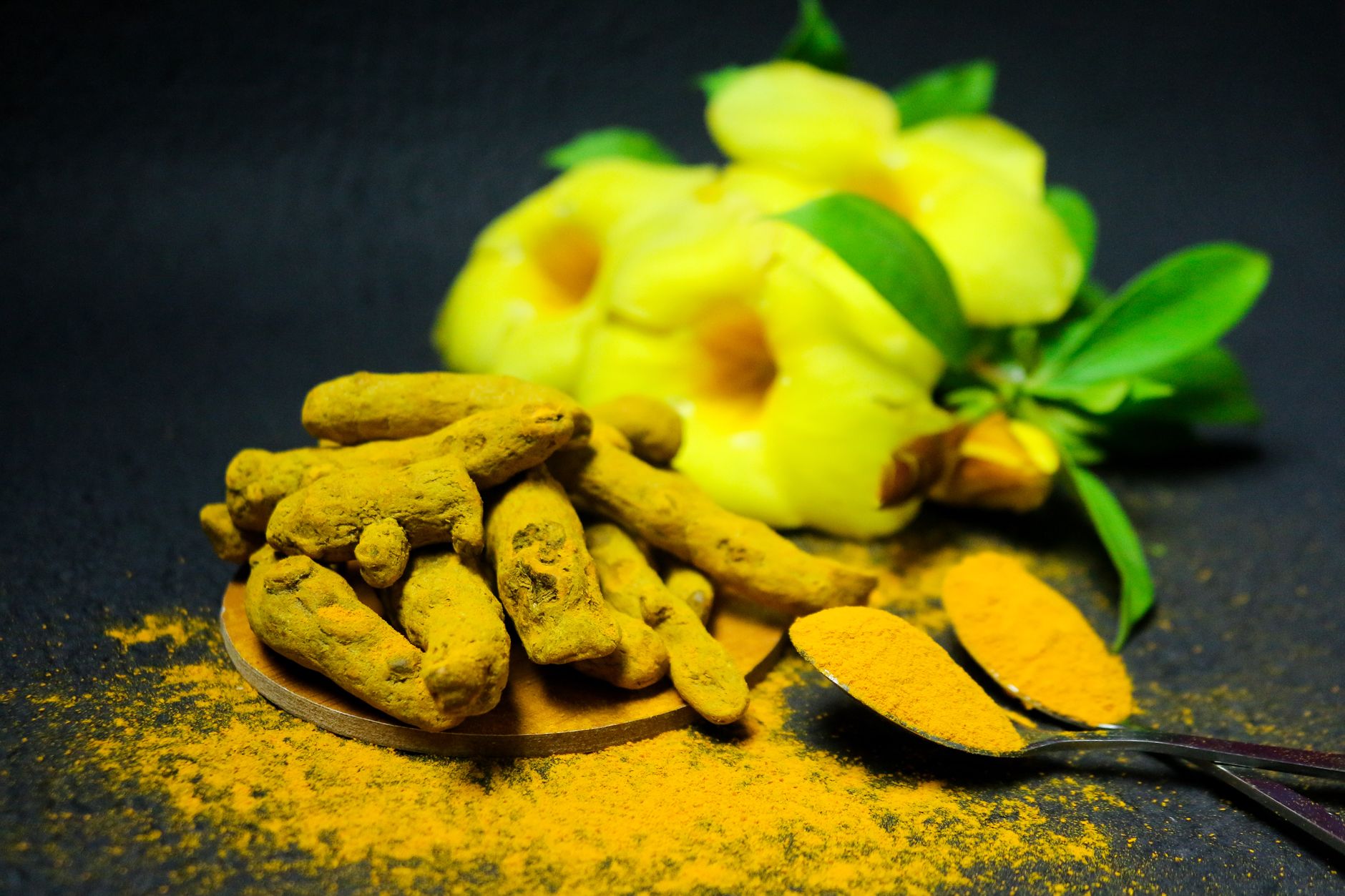
The Golden Root That Shaped North American Herbal Medicine Few herbs carry the weight of tradition quite like goldenseal. For centuries, this small woodland plant has stood at the center of North American herbal wisdom, valued by Indigenous peoples long before it became a staple in apothecaries across the continent. Its vivid yellow root powder is unmistakable — intensely pigmented, faintly bitter, and rich with plant compounds that have fascinated healers and researchers alike. Whether applied topically, brewed as a tea, or used in a tincture, goldenseal root powder benefits span a remarkable range of wellness applications. Today, interest in this botanical treasure is surging. Searches for goldenseal root powder uses , organic sourcing options, and home preparation methods reflect a growing desire to reconnect with plant-based traditions. This post explores everything you need to know about this extraordinary herb — from its forest origins to your home remedy cabinet. > "Goldenseal is one of the most valuable medicinal plants known to the herbal tradition of North America — a true gift from the woodlands, worthy of deep respect and careful stewardship." > — Traditional Herbalist Teaching --- MATERIA MEDICA Scientific Name: Hydrastis canadensis Common Names: Goldenseal, Yellow Root, Ground Raspberry, Eye Balm, Indian Turmeric, Orange Root Family: Ranunculaceae (Buttercup family) Parts Used: Root and rhizome (dried and powdered) Origin: Eastern North America, particularly the Appalachian region Physical Description Goldenseal is a low-growing perennial herb, typically reaching 6–12 inches in height. Its distinctive knotted, bright yellow rhizome is the most recognizable part of the plant, staining anything it touches a deep golden hue. The plant produces one to three deeply lobed, palmate leaves with a slightly wrinkled texture. A single small white flower emerges in spring, eventually giving way to a red berry cluster that resembles a raspberry — hence the folk name "ground raspberry." When the root is dried and ground into powder, it becomes a vivid yellow-orange pigment with a strongly bitter, slightly earthy aroma. This distinctive coloring is one of the easiest identifiers of authentic, quality goldenseal root powder organic sources. --- Habitat and Ecological Roots Goldenseal thrives in the rich, moist, shaded soils of deciduous forests. It is native to eastern North America, growing naturally from Vermont down through the Appalachian Mountains and into parts of the Midwest. Wild populations have been significantly reduced due to overharvesting and habitat loss, making sustainably cultivated or organic goldenseal root powder sources especially important. When purchasing this herb, always look for responsibly sourced product to help protect wild populations. The plant prefers company — it often grows alongside black cohosh, bloodroot, and trillium in mature hardwood forests. Its preference for undisturbed habitat makes it an ecological indicator of forest health. --- Harvest and Collection Goldenseal root is typically harvested in autumn , once the aerial parts have died back and the plant's energy has concentrated fully in the rhizome. Sustainable wildcrafters follow careful protocols to avoid stripping an area entirely. For cultivated plants, the root is generally ready to harvest after three to five years of growth. After harvest, the rhizomes are: Washed gently to remove soil Dried slowly at low temperatures to preserve alkaloid content Ground into a fine, vivid yellow powder Stored in airtight containers away from light and heat Quality goldenseal root powder should have a strong, bitter scent and a bold yellow-orange color. Pale or odorless powder may indicate age or poor processing. --- Qualities and Energetics Understanding the energetic properties of goldenseal is central to using it wisely in an herbal practice. Traditional systems describe this plant through the following lens: Taste: Bitter, slightly acrid Temperature: Cool to cold Moisture: Drying Tissue State: Suited to conditions of excess dampness, heat, and laxity in mucous membranes From an energetics perspective, goldenseal's cooling and drying nature makes it a powerful ally for hot, damp, and boggy conditions — particularly in the mucous membranes of the respiratory, digestive, and urogenital systems. It is not a gentle tonic herb; it is a targeted, acute-use plant best employed in shorter courses. This is why traditional herbalists rarely recommended goldenseal for extended daily use. Its energetic profile is best matched to acute states rather than chronic, deficient conditions. --- Actions and Chemical Constituents Actions Goldenseal root powder is classified with the following herbal actions: Antimicrobial — active against a broad spectrum of pathogens Anti-inflammatory — reduces inflammation in mucous membranes Astringent — tones and tightens lax tissue Bitter tonic — stimulates digestive secretions and liver function Vulnerary — supports wound healing when applied topically Alterative — gradually shifts tissue health over time Cholagogue — stimulates bile flow Hemostatic — helps slow minor bleeding Chemical Constituents The remarkable range of goldenseal root extract benefits is largely attributed to its rich alkaloid profile: Berberine — the primary active alkaloid; extensively studied for antimicrobial, anti-inflammatory, and blood-sugar-modulating effects Hydrastine — vasoconstricting and astringent alkaloid specific to Hydrastis canadensis Canadine (tetrahydroberberine) — supports relaxation of smooth muscle and has mild sedative properties Chlorogenic acid — antioxidant polyphenol Phytosterols — support general membrane integrity Volatile oils — contribute to the plant's characteristic aroma Resin — contributes to the drying, astringent action Berberine is the most widely researched of these compounds and is largely responsible for goldenseal's reputation as a potent antimicrobial herb. --- Traditional Uses and Indications The traditional uses of goldenseal are broad and well-documented across Indigenous and early American herbal traditions. Cherokee, Iroquois, and other Nations used the root as a dye, a wound treatment, and a digestive remedy long before European settlers arrived. Key goldenseal root powder uses include: Sinus and respiratory infections — a primary modern use; goldenseal root powder for sinus infection support is one of the most commonly searched applications, and for good reason. The antimicrobial and anti-inflammatory actions of berberine directly address the mucous membrane congestion and pathogenic load involved in sinus complaints. Digestive complaints — used for gastritis, intestinal dysbiosis, and sluggish digestion due to its bitter and antimicrobial properties Eye and ear infections — traditionally prepared as a gentle wash for conjunctivitis and ear complaints Wound care and skin infections — the powder applied topically or as a poultice for minor wounds, cuts, and skin infections Umbilical cord care — goldenseal root powder for umbilical cord use has deep roots in traditional midwifery practice, where the powder was dusted on the cord stump as an antimicrobial and drying agent Oral health — used in tooth powders and gum-soothing preparations Urinary tract support — berberine's antimicrobial activity makes it useful in mild urinary infections It is worth noting that goldenseal root powder sniffing — the practice of insufflating the powder directly into the nasal passages — is sometimes mentioned in folk traditions for sinus relief. This practice is not recommended for home use, as direct mucosal contact with concentrated powder can cause irritation. Safer preparations for goldenseal root powder for sinus support are described in the recipes below. --- Three Home Recipes Featuring Goldenseal Root Powder Recipe 1: Goldenseal Sinus Relief Tea This warming, bitter tea is designed to support the mucous membranes of the respiratory tract during seasonal sinus challenges. It pairs goldenseal with complementary herbs for a balanced, effective preparation. Ingredients: - ½ teaspoon goldenseal root powder - 1 teaspoon dried elderflower - 1 teaspoon dried peppermint leaf - ½ teaspoon dried ginger root - 2 cups filtered water - Raw honey to taste Preparation: 1. Bring water to a gentle simmer (not a rolling boil). 2. Add all herbs and goldenseal root powder to the water. 3. Cover and simmer on low for 10 minutes. 4. Strain through a fine-mesh strainer or cheesecloth. 5. Add honey to taste and sip slowly while warm. 6. Use up to twice daily for no more than 7–10 days consecutively. Note: This tea is quite bitter — the honey helps balance the flavor significantly. --- Recipe 2: Goldenseal Root Tincture A simple alcohol-based tincture preserves and concentrates goldenseal's active alkaloids for longer shelf life and easy dosing. This is one of the most effective ways to harness goldenseal root extract benefits at home. Ingredients: - 1 ounce (28g) goldenseal root powder - 5 ounces 80-proof vodka or food-grade vegetable glycerin (for alcohol-free version) - A clean glass jar with a tight-fitting lid - Fine cheesecloth or muslin for straining Preparation: 1. Place goldenseal root powder into a clean, dry glass jar. 2. Pour your chosen menstruum (vodka or glycerin) over the powder, ensuring the powder is fully submerged with at least 1–2 inches of liquid above it. 3. Seal the jar tightly and label it with the date. 4. Store in a cool, dark location and shake the jar once daily. 5. After 4–6 weeks, strain the liquid through cheesecloth, squeezing thoroughly to extract all liquid. 6. Transfer the finished tincture to dark dropper bottles and store away from light. 7. Standard use is 20–30 drops in water, up to three times daily for acute conditions. Shelf life: Up to 5 years for alcohol-based tincture; 1–2 years for glycerin tincture. --- Recipe 3: Goldenseal Wound-Care Salve This topical salve combines the antimicrobial and vulnerary properties of goldenseal with soothing beeswax and calendula-infused oil for minor cuts, scrapes, and skin infections. Ingredients: - 1 teaspoon goldenseal root powder - ½ cup calendula-infused olive oil (or plain olive oil) - 1 tablespoon beeswax pellets - 5 drops tea tree essential oil (optional) - Small glass salve tins or jars Preparation: 1. Gently warm the olive oil in a double boiler over low heat — do not overheat. 2. Whisk the goldenseal root powder into the warm oil until fully dispersed. 3. Add beeswax pellets and stir continuously until fully melted. 4. Remove from heat and allow to cool slightly before adding tea tree essential oil, if using. 5. Carefully pour into small tins or jars. 6. Allow to set completely at room temperature for 1–2 hours before sealing. 7. Apply a thin layer to clean, minor wounds or irritated skin up to three times daily. Store in a cool, dry place. Use within 6–12 months. Do not apply to deep wounds without professional guidance. --- Safety, Sustainability, and Mindful Use Goldenseal is a powerful herb, and like all powerful tools, it calls for informed, respectful use. A few important considerations: Avoid use during pregnancy — goldenseal stimulates uterine contractions and is contraindicated throughout pregnancy. Short-term use is key — this is not a daily tonic herb. Most traditional and modern herbal practitioners recommend courses of 1–2 weeks for acute situations, with breaks in between. Drug interactions — berberine may interact with certain medications including blood thinners and diabetes medications. Consult a qualified practitioner if you are on prescription medications. Sustainability matters — always source organic goldenseal root powder from reputable suppliers who can confirm responsible cultivation practices. Wild-harvested goldenseal is under significant ecological pressure; cultivated sources are the more ethical choice. Goldenseal is a plant that rewards thoughtful use. Its concent