Materia Medica: Gotu Kola
Société Apothecary
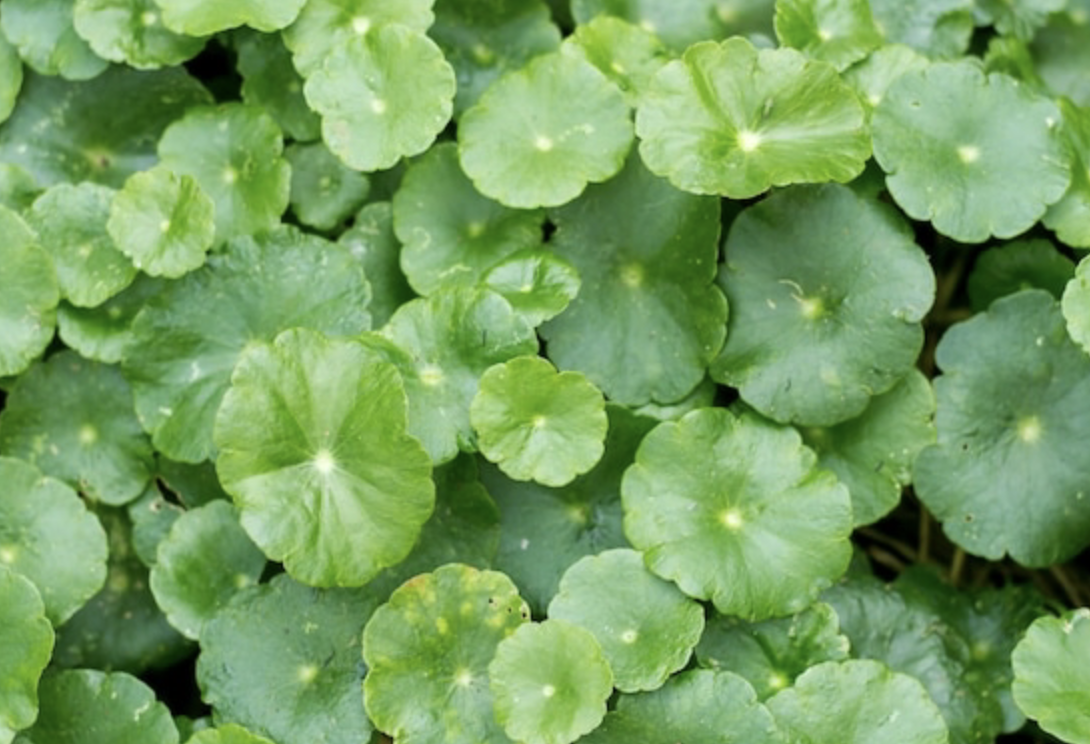
]( https://www.societeapothecary.com/s/search?q=gotu%20kola ) Gotu Kola: Materia Medica Known as a “herb of longevity” and revered in Ayurvedic and traditional Chinese medicine, Gotu Kola nourishes the mind, heals the skin, and restores the nervous system. With its small, humble leaves and deep rejuvenating properties, this plant bridges intellect and intuition—bringing clarity, calm, and renewal. “Gotu Kola calms the currents of the mind—building bridges between body and spirit.” MATERIA MEDICA Latin Binomial: Centella asiatica Common Name(s): Gotu Kola, Brahmi (in southern India), Indian Pennywort, Mandukaparni TCM Name: Ji Xue Cao Ayurvedic Name: Mandukaparni, Brahmi (note: often confused with Bacopa monnieri ) Family: Apiaceae (formerly Umbelliferae) Physical Description of the Plant: A low-growing, creeping perennial with rounded, fan-shaped leaves and tiny pink-to-purple flowers. Thrives in moist, tropical, and subtropical environments. Habitat: Native to India, Sri Lanka, China, Southeast Asia, and parts of Africa. Also found in Florida and the southern U.S. in swampy areas. Harvest and Collection: Leaves and stems are harvested before flowering, generally in spring and summer. Fresh use preferred; can also be dried for teas and powders. Parts of the Plant Used: Leaves and stems (aerial parts) Qualities: Slightly bitter, sweet, astringent Energetics: Cooling, moistening, calming, rejuvenating Chemical Constituents: Triterpenoid saponins (asiaticoside, madecassoside) Flavonoids Sterols Tannins Essential oils Polyacetylenes Actions: Adaptogen Nervine (tonic and calming) Nootropic (cognitive support) Anti-inflammatory Vulnerary (wound-healing) Circulatory tonic Mild diuretic Anxiolytic Antioxidant Indications: Cognitive decline, memory issues, poor concentration Nervous exhaustion, anxiety, stress Insomnia (especially from mental overactivity) Chronic skin conditions and wound healing Varicose veins, poor circulation Connective tissue weakness or slow injury recovery Support in meditation and spiritual practice Diagnostic Picture: Gotu Kola is ideal for individuals who feel mentally overworked, anxious, or scattered—especially when accompanied by poor circulation or slow tissue repair. It soothes the nervous system while promoting mental clarity and healing. Contraindications/Cautions: Rare cases of skin sensitivity or contact dermatitis Use with caution during pregnancy (especially in high doses) May cause mild headaches or dizziness in very high doses Avoid with sedative medications unless supervised Drug Interactions: May potentiate the effects of sedatives or anxiolytics May affect liver enzyme pathways—use caution with hepatically metabolized drugs Dosage: Infusion (Tea): 1 tsp dried herb per cup; steep 10–15 minutes, up to 3x daily Tincture: 2–4 mL, 2–3x daily Powder: 1–3 grams daily, mixed in warm water, juice, or milk Capsules: Standardized extracts often used at 300–500 mg/day Topical: Infused oil or creams for wounds, scars, varicose veins Combinations: With Ashwagandha or Tulsi for nervous exhaustion With Ginkgo for cognitive enhancement With Calendula or Aloe for skin-healing creams With Bacopa for enhanced memory and meditative focus Folklore: In Ayurvedic tradition, Gotu Kola is considered one of the supreme rejuvenative herbs, often used to enhance meditation and spiritual insight. It is said to balance all three doshas (Vata, Pitta, and Kapha) and support the crown chakra (Sahasrara), aiding in mental clarity and spiritual openness. In Sri Lankan lore, elephants—symbols of memory and longevity—were observed eating Gotu Kola, inspiring its use as a brain tonic. Applications: Used internally as a tea, tincture, or powder for cognition, calm, and tissue repair. Externally, it’s found in creams and oils for varicose veins, scars, and chronic wounds. It supports both mind and body recovery, especially after burnout or injury. Recipes: Calming Mind Tonic Tea Gotu Kola Tulsi (Holy Basil) Rose petals Steep for 10 minutes; sip throughout the day for clarity and calm Skin-Repair Infused Oil Gotu Kola Calendula Jojoba or Olive Oil Infuse for 2–3 weeks and strain; use for scars, stretch marks, or dry skin Brain Boost Smoothie Add-In 1/2 tsp Gotu Kola powder Almond milk, banana, cinnamon Blend and enjoy for daily memory support Scientific Research: Clinical and experimental research supports Gotu Kola’s effects on wound healing, cognitive function, anxiety reduction, and venous insufficiency. Asiaticoside and madecassoside contribute to enhanced collagen synthesis and anti-inflammatory effects. References: Frawley & Lad “Ayurvedic Healing” Hoffmann, D. “Medical Herbalism” Mills & Bone “Principles and Practice of Phytotherapy” PubMed articles on Centella asiatica https://www.ncbi.nlm.nih.gov Click here for our Gotu Kola products Three Gotu Kola Recipes to Try at Home Gotu Kola Herbal Tea 1 teaspoon dried gotu kola leaves 1 cup boiling water Optional: honey or lemon for taste Place the dried gotu kola leaves in a teapot or cup. Pour boiling water over the leaves and cover. Let steep for 10 minutes, then strain the leaves. Add honey or lemon if desired, and enjoy the soothing warmth. Gotu Kola Skin Healing Salve 2 tablespoons dried gotu kola leaves 1/2 cup coconut oil 1 tablespoon beeswax pellets In a small saucepan, combine the coconut oil and gotu kola leaves. Gently heat on low for 20 minutes, stirring occasionally. Strain the mixture to remove the leaves, then return the oil to the pan. Add beeswax pellets and stir until melted and combined. Pour into a clean jar and let cool before use on minor skin irritations. Gotu Kola and Ginger Tincture 1/2 cup fresh gotu kola leaves, chopped 1/4 cup fresh ginger, grated 1 cup vodka or brandy Place the gotu kola leaves and ginger in a clean glass jar. Pour vodka or brandy over the herbs until completely submerged. Seal the jar tightly and shake gently. Store in a cool, dark place for 4-6 weeks, shaking occasionally. Strain the mixture through a fine sieve or cheesecloth and bottle the tincture. Always consult a qualified healthcare practitioner before incorporating new herbal remedies into your routine.