From Leaf to Cup: How to Use Strawberry Guava Leaves for Your Health
Société Team
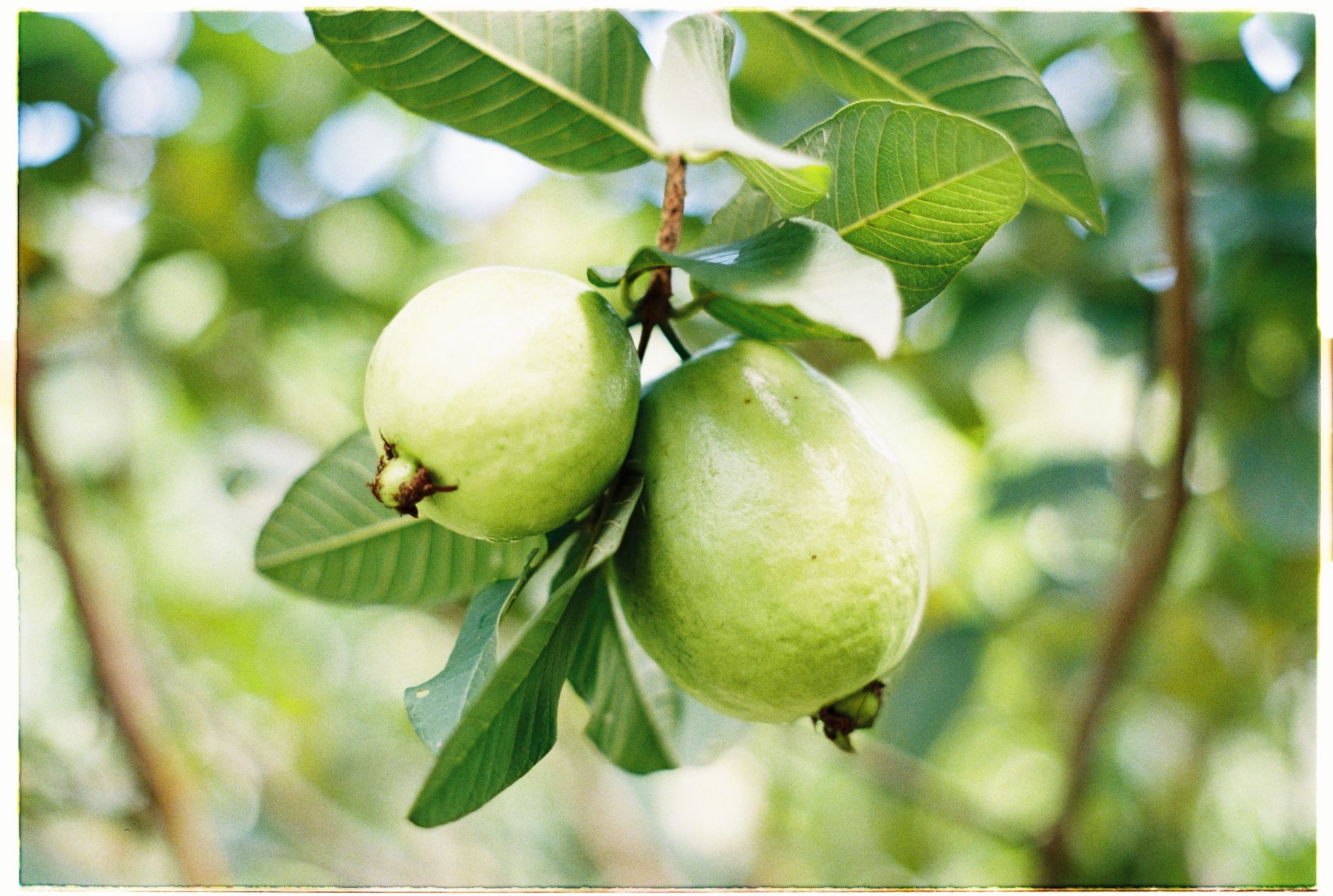
Why Strawberry Guava Leaves Deserve a Spot in Your Wellness Routine When most people think of guava, they picture the sweet, fragrant fruit. But the leaves of the strawberry guava plant — Psidium cattleyanum — hold a treasure trove of wellness potential that often goes unnoticed. The health benefits of strawberry guava leaves have been celebrated in traditional medicine across tropical regions for centuries. Today, modern herbalists and wellness enthusiasts are rediscovering what indigenous communities in Brazil, Southeast Asia, and the Pacific Islands have long known: these leaves are powerful, practical, and surprisingly versatile. This post goes beyond a general overview. We're diving into the science-supported properties, traditional applications, and — most importantly — three distinct, easy-to-make recipes you can prepare at home to start experiencing these benefits for yourself. A Brief Look at Traditional Uses Across Cultures Strawberry guava leaves have a rich ethnobotanical history. In Brazil, where the plant originates, healers used leaf decoctions to calm digestive distress, reduce fever, and cleanse wounds. In parts of Asia and the Pacific, the leaves were traditionally brewed into a tea to manage blood sugar levels and support the body during seasonal illness. Communities valued the plant not just for its fruit but as a holistic botanical resource. These uses weren't arbitrary. They were refined over generations of observation, and many align closely with what contemporary research is beginning to confirm about the plant's active compounds. The Key Properties That Make These Leaves So Valuable So what's actually inside a strawberry guava leaf that makes it so beneficial? The answer lies in a rich concentration of bioactive compounds. Quercetin and other flavonoids are among the most significant. These plant-based antioxidants help neutralize free radicals — unstable molecules that contribute to cellular aging and inflammation. The leaves also contain: Tannins — astringent compounds that support digestive health and may help tighten tissues topically Essential oils — with mild antimicrobial properties useful for both internal and external applications Vitamin C — supporting immune function and collagen synthesis Psidolic acid and guaijaverin — compounds studied for their potential role in blood sugar regulation Together, these compounds create a leaf with genuinely broad wellness applications — from gut health to skin care to immune support. Core Health Benefits of Strawberry Guava Leaves Let's look at the most well-supported benefits and what they mean for your day-to-day wellness. Digestive Support One of the most traditional and consistent uses is for digestive issues. The tannins and flavonoids in strawberry guava leaves have been shown to reduce intestinal spasms, inhibit certain harmful gut bacteria, and soothe inflammation along the digestive tract. A warm leaf tea can be particularly helpful after a heavy meal or during a stomach upset. Blood Sugar Balance Research has pointed to the leaves' ability to slow the absorption of certain sugars in the gut and support more balanced blood glucose levels after meals. This makes them of particular interest to those managing metabolic health naturally. It's worth noting this is supportive, not a substitute for medical care. Antioxidant and Anti-Inflammatory Action The flavonoid content gives these leaves meaningful antioxidant activity. Regular consumption may help reduce low-grade inflammation — a root factor in many chronic wellness challenges. This is one reason the leaves have been incorporated into anti-aging and preventive wellness routines. Immune System Reinforcement The vitamin C content, combined with antimicrobial essential oils, makes these leaves a helpful ally during cold and flu season. Traditional use as a fever-reducing remedy aligns with these immune-supportive properties. Skin and Wound Care Topically, the astringent and antimicrobial nature of strawberry guava leaf preparations has been used to soothe minor skin irritations, support wound healing, and reduce acne-related inflammation. This is where a leaf rinse or poultice can make a real difference. Three Practical Recipes to Try at Home Now for the heart of this post: putting these benefits into practice. Here are three distinct, home-friendly preparations — a classic tea, a soothing skin rinse, and a slow-steeped digestive syrup. --- Recipe 1: Classic Strawberry Guava Leaf Tea This is the simplest and most direct way to experience the health benefits of strawberry guava leaves. Drink it daily for ongoing wellness support or as needed for digestive discomfort. Ingredients: - 5–7 fresh strawberry guava leaves (or 1–2 teaspoons dried, crumbled leaves) - 2 cups filtered water - Optional: a thin slice of fresh ginger - Optional: a drizzle of raw honey to serve Preparation: 1. Rinse fresh leaves gently under cool water. 2. Bring the filtered water to a rolling boil in a small saucepan. 3. Add the leaves (and ginger, if using) and reduce heat to a gentle simmer. 4. Simmer for 10–15 minutes, allowing the water to deepen in color and the compounds to fully extract. 5. Strain the liquid into a mug, discarding the leaves. 6. Sweeten lightly with honey if desired and sip while warm. Drink one to two cups per day. The tea has a mildly earthy, slightly astringent flavor that becomes pleasant and familiar over time. --- Recipe 2: Strawberry Guava Leaf Skin-Soothing Facial Rinse This topical preparation takes advantage of the leaves' tannins and antimicrobial oils to calm irritated skin, reduce redness, and support a clearer complexion. It's particularly useful for oily or acne-prone skin types. Ingredients: - 10–12 fresh strawberry guava leaves (or 3 teaspoons dried) - 3 cups filtered water - Optional: 2–3 drops of tea tree essential oil (for extra antimicrobial action) - A clean glass jar for storage Preparation: 1. Bring the water to a boil and add the guava leaves. 2. Reduce heat and simmer for 20 minutes — you want a stronger extraction than for drinking. 3. Remove from heat and allow to cool to room temperature completely. 4. Strain through a fine mesh strainer or cheesecloth into a clean glass jar. 5. If using, stir in the tea tree essential oil and mix well. 6. Store covered in the refrigerator for up to five days. To use: After cleansing your face, soak a cotton pad in the rinse and apply gently to skin. Allow it to air dry — no need to rinse off. Use morning and evening for best results. Always patch-test on a small area first before full facial use. --- Recipe 3: Slow-Steeped Digestive Honey Syrup This preparation takes more time but produces a concentrated, shelf-stable syrup that you can stir into warm water, drizzle over yogurt, or take by the teaspoon before meals to support digestion and blood sugar balance. Ingredients: - 15–20 fresh strawberry guava leaves (or 4 teaspoons dried) - 1 cup filtered water - 1 cup raw, unfiltered honey - Optional: 1 small cinnamon stick (complements the blood-sugar-supportive properties) - Optional: zest of half a lemon Preparation: 1. Combine the water and guava leaves in a small saucepan. 2. Add the cinnamon stick and lemon zest if using. 3. Bring to a gentle simmer over low-medium heat and maintain for 25–30 minutes until the liquid reduces by roughly half. 4. Remove from heat and allow to cool until it is warm but not hot (below 40°C / 104°F — this preserves the honey's beneficial enzymes). 5. Strain out all solids through a fine mesh strainer, pressing the leaves gently to extract all liquid. 6. Pour the warm leaf infusion into the honey and stir slowly until fully combined. 7. Transfer to a clean glass jar and seal tightly. To use: Take one teaspoon before meals, or stir into a small glass of warm water as a digestive tonic. Stored in a cool, dark place, this syrup will keep for up to three weeks. Refrigeration will extend shelf life further. Incorporating Strawberry Guava Leaves into a Broader Wellness Practice These recipes work beautifully on their own, but they also fit naturally into a broader herbal wellness approach. Many people find that pairing a morning cup of strawberry guava leaf tea with other mindful practices — stretching, breathwork, a nourishing breakfast — amplifies the overall effect. If you enjoy blending different plant medicines into your routine, consider how strawberry guava leaves might complement other botanicals you already use. Their gentle, supportive nature makes them compatible with a wide range of wellness teas and practices. It's also worth sourcing your leaves thoughtfully. Organic, pesticide-free leaves are essential, especially for topical preparations where concentrated phytochemicals come into direct contact with skin. A Few Gentle Cautions to Keep in Mind Strawberry guava leaves are generally considered safe for most healthy adults when used in moderate, traditional amounts. However, a few considerations are worth noting. Pregnant or breastfeeding individuals should consult a qualified practitioner before using medicinal leaf preparations regularly. Those managing diabetes with medication should be aware of the leaves' blood-sugar-influencing properties and monitor accordingly. As with any new botanical, begin with small amounts to assess your personal tolerance. Herbal wellness works best as a complement to — not a replacement for — professional medical guidance. Ready to Explore More? If these recipes and insights have sparked your curiosity about strawberry guava leaves, we'd love to support your journey further. Visit societeapothecary.com/product/health-benefits-of-strawberry-guava-leaves/ to explore what Societe has curated around this remarkable botanical. We believe in making quality plant wellness accessible, approachable, and genuinely enjoyable — and we think you'll feel right at home there.