Fo Ti Root Powder: Ancient Herbal Wisdom for Modern Wellness
Société Team
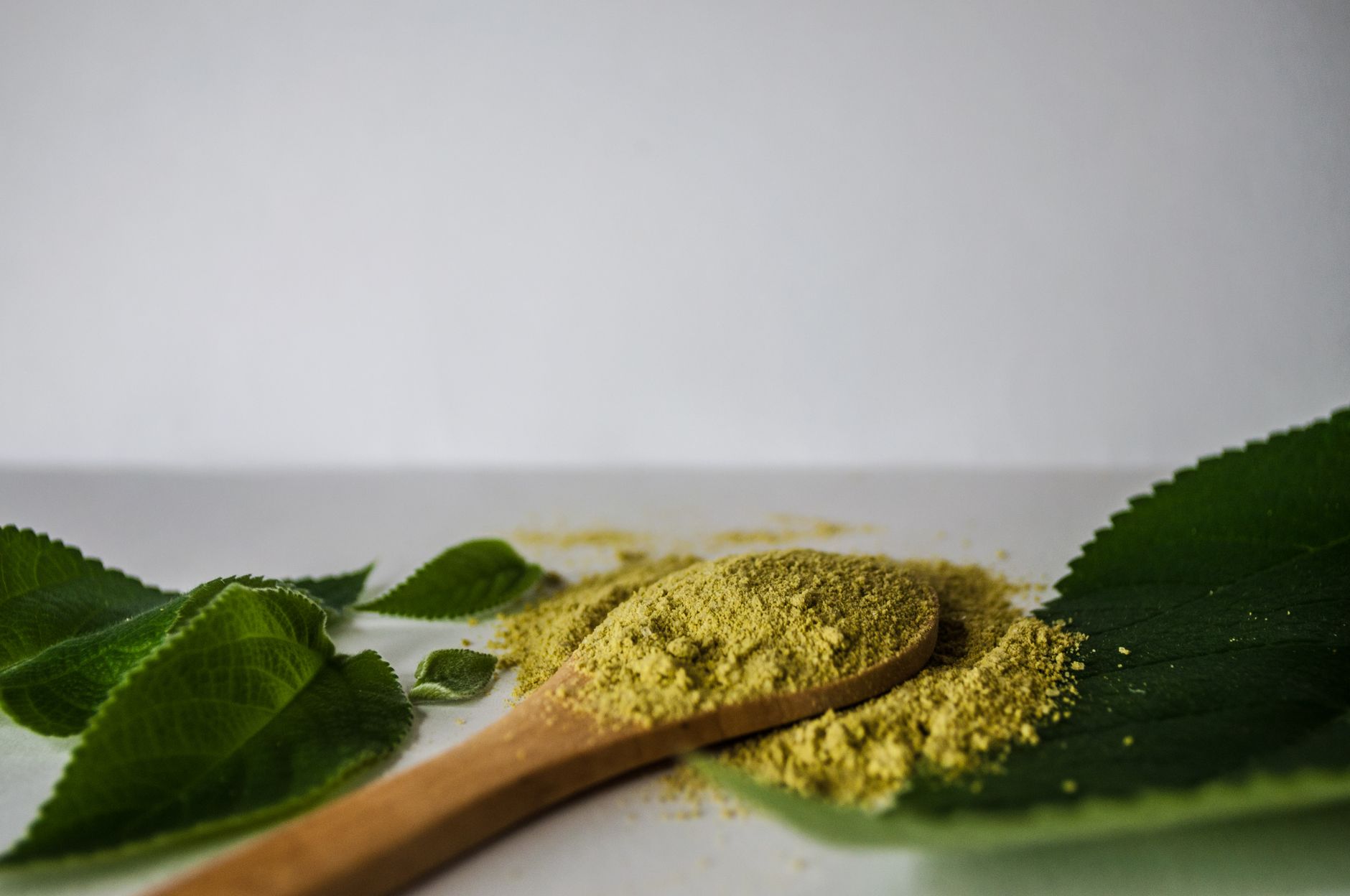
Few herbs carry the weight of legend quite like Fo Ti. Known in Traditional Chinese Medicine as one of the great tonic roots, this remarkable plant has been prized for over a thousand years as a symbol of longevity, vitality, and renewal. Whether you are new to herbal wisdom or a seasoned practitioner of plant-based wellness, Fo Ti Root Powder offers a fascinating entry point into the deep tradition of Eastern botanical medicine — and its applications are as relevant today as they were in ancient China. > "He who discovers the root of eternal youth carries the mountain in his hands." — Traditional Chinese proverb associated with the legend of Fo Ti MATERIA MEDICA Scientific Name: Reynoutria multiflora (syn. Polygonum multiflorum ) Common Names: Fo Ti, He Shou Wu, Flowery Knotweed, Chinese Knotweed, Multiflower Knotweed Family: Polygonaceae Parts Used: Root (prepared or unprepared powder) Fo Ti Root is a woody, perennial climbing vine. Its heart-shaped leaves are deep green, and its slender stems twine readily around neighboring plants and structures. The root itself — the most valued part — is large, tuberous, and brown on the outside with a characteristic reddish-pink cross-section when sliced fresh. Roots harvested from older plants are considered more potent in the herbal tradition, with specimens aged three to five years or more being especially prized. Small white or pale pink flowers appear in dense panicles during late summer to early autumn, followed by small, three-winged fruits. The overall appearance of the plant is vigorous and lush, reflecting the vitality for which it is so celebrated. Habitat and Botanical Characteristics Fo Ti is native to central and southern China, where it thrives in the wild on hillsides, forest margins, and along valley slopes. It has since been naturalized in Japan, Taiwan, and parts of North America, where its robust nature has made it highly adaptable. The plant prefers well-drained, fertile soils in temperate climates and is comfortable growing in partial shade or full sun. Key botanical characteristics at a glance: Perennial climbing vine reaching up to 4 meters in length Tuberous, brown-skinned root with reddish interior Heart-shaped to arrow-shaped leaves with pointed tips Flowers in late summer; small white to pale pink blooms Thrives in loamy, well-drained soils with moderate moisture In cultivation, Fo Ti is often grown on trellises or allowed to climb freely. Its adaptability makes it suitable for herbalists who wish to grow their own supply, though patience is required — the most medicinally valuable roots are those given time to mature fully. Harvest and Collection Harvesting practices for Fo Ti vary depending on intended use, and this distinction matters greatly in the herbal tradition. The root is typically harvested in autumn or early spring , when the plant's energy is concentrated in the root rather than in active above-ground growth. Roots from plants that are at least three years old are preferred, with five-year-old or older roots being considered superior for tonic use. In Traditional Chinese Medicine, there is an important distinction between the unprocessed (raw) root — called bai shou wu — and the prepared (cured) root — called he shou wu . The prepared form is traditionally steamed with black bean liquid multiple times to reduce certain compounds and enhance tonic qualities. Most commercially available organic Fo Ti Root Powder is derived from the prepared root, making it the standard form for general wellness use. Always source your Fo Ti Root Powder from reputable suppliers who practice ethical wildcrafting or sustainable cultivation, as overharvesting has put wild populations under pressure in some regions. Qualities and Energetics Within the framework of Traditional Chinese Medicine, Fo Ti Root carries a rich energetic profile that guides its application in holistic practice. Taste: Bitter, sweet, astringent Temperature: Slightly warm Organ Affinity: Liver, Kidney, Heart Fo Ti is classified as a Jing tonic — meaning it is said to nourish the deep vital essence of the body that governs aging, reproduction, and longevity. This is the foundational lens through which traditional practitioners view its energetic properties. In Ayurvedic terms, the root is considered grounding and nourishing, with a stabilizing quality that supports both physical and subtle vitality. Western herbalists tend to describe it as an adaptogen and tonic herb — one that supports the body's resilience over time with consistent use. Actions and Chemical Constituents Fo Ti Root Powder acts on multiple body systems simultaneously, which is part of why it has maintained such a prominent place in herbal wisdom traditions across cultures. Primary Actions: Tonic (Jing/kidney tonic) Adaptogenic Hepatoprotective (liver-supportive) Antioxidant Anti-inflammatory Mild laxative (unprepared root) Neuroprotective Hair and skin trophorestorative Key Chemical Constituents: Stilbene glycosides (primarily 2,3,5,4′-tetrahydroxystilbene-2-O-β-D-glucoside, or THSG) — the primary active antioxidant compound Anthraquinones (emodin, rhein, physcion) — responsible for mild laxative action in unprocessed root Phospholipids — including lecithin, which supports liver and nervous system health Flavonoids — quercetin and related compounds contributing to antioxidant activity Tannins — providing astringent and antimicrobial properties Resveratrol — a well-studied polyphenol with antioxidant and longevity-associated properties The stilbene glycoside THSG is particularly significant for fo ti root extract benefits , as research has explored its role in protecting against oxidative stress — one of the key drivers of premature aging. Indications and Traditional Uses The traditional uses of Fo Ti Root Powder are extensive, reflecting its broad tonic action on multiple organ systems. In TCM, it is most classically indicated for patterns of Liver and Kidney deficiency , which manifest as premature graying of the hair, thinning hair, dizziness, weakness of the lower back and knees, and fatigue. This is where the famous legend of Fo Ti originates — the story of an elderly man who, after consuming the root, regained his dark hair and youthful vitality. Traditional and Contemporary Indications: Premature gray hair and hair thinning (fo ti root powder hair growth support) Chronic fatigue and low vitality Liver and kidney deficiency patterns Age-related cognitive decline High cholesterol support (via antioxidant and lipid-regulating actions) General immune system toning Constipation (unprepared root, used with care) Support during recovery from illness or long-term stress It is important to note that fo ti root extract side effects can occur, particularly with high doses or prolonged use of unprepared root. Liver sensitivity reactions have been documented in some individuals. Always use the prepared (processed) form for tonic purposes and consult a qualified herbal practitioner if you have existing liver concerns. Three Ways to Use Fo Ti Root Powder at Home One of the great pleasures of working with this herb is how versatile it is in home preparation. Here are three practical, safe ways to incorporate organic Fo Ti Root Powder into your wellness routine. Recipe 1: Fo Ti Root Longevity Tea A gently warming tea that honors the traditional use of this root as a daily tonic. Ingredients: 1 teaspoon Fo Ti Root Powder 2 cups filtered water ½ teaspoon cinnamon powder (optional, for warmth and flavor) 1 teaspoon raw honey or maple syrup (to taste) A squeeze of fresh lemon juice Preparation: 1. Combine the Fo Ti Root Powder and water in a small saucepan. 2. Bring to a gentle simmer over medium-low heat, then reduce and simmer for 15–20 minutes. 3. Strain through a fine-mesh strainer or cheesecloth into a mug. 4. Add cinnamon if using, then sweeten with honey or maple syrup. 5. Add a squeeze of lemon and sip slowly. Enjoy once daily as a nourishing tonic tea. Recipe 2: Fo Ti Root Powder Hair Oil A topical preparation inspired by traditional use of this root for fo ti root extract hair health and scalp nourishment. Ingredients: 2 tablespoons Fo Ti Root Powder ½ cup organic coconut oil or sesame oil 5 drops rosemary essential oil (optional) 3 drops lavender essential oil (optional) Preparation: 1. Gently warm the coconut or sesame oil in a double boiler over low heat — do not overheat. 2. Stir in the Fo Ti Root Powder and allow the mixture to infuse on very low heat for 30–45 minutes, stirring occasionally. 3. Remove from heat and let cool slightly, then strain through cheesecloth, pressing to extract as much oil as possible. 4. Allow to cool fully, then stir in the essential oils if using. 5. Transfer to a clean glass jar. Massage a small amount into the scalp 1–2 times per week, leaving on for at least 30 minutes before washing out. Store in a cool, dark place for up to 4 weeks. Recipe 3: Fo Ti and Date Restorative Elixir A nourishing, food-as-medicine elixir inspired by traditional Chinese tonic preparations — warming, slightly sweet, and deeply grounding. Ingredients: 1 teaspoon Fo Ti Root Powder 1 cup oat milk or almond milk 2 Medjool dates, pitted and chopped ¼ teaspoon ground ginger ¼ teaspoon vanilla extract A pinch of sea salt Preparation: 1. Combine the milk and chopped dates in a small saucepan over medium heat, stirring until dates begin to soften — about 5 minutes. 2. Transfer the warm milk and dates to a blender. Add the Fo Ti Root Powder, ginger, vanilla, and sea salt. 3. Blend on high until smooth and creamy, about 45 seconds. 4. Pour back into the saucepan and warm gently over low heat, stirring, until your desired serving temperature is reached. 5. Pour into a mug and enjoy as a warming evening tonic. This elixir is particularly lovely in autumn and winter months when the body craves deep nourishment. A Note on Safe and Mindful Use Fo Ti Root Powder is a powerful tonic herb, and like all potent botanicals, it deserves to be used thoughtfully. Always choose the prepared (processed) form for daily tonic use, as this form has reduced levels of anthraquinones that can cause digestive discomfort or, rarely, liver strain in sensitive individuals. Start with small doses — ½ teaspoon daily — and observe how your body responds before increasing. Avoid Fo Ti Root Powder if you: Are pregnant or breastfeeding Have a known liver condition or are taking hepatotoxic medications Experience digestive inflammation or loose stools chronically As with any herbal supplement, consulting a qualified practitioner before beginning a new tonic protocol is always a wise step — especially if you are managing an existing health condition. Discover Fo Ti Root Powder from Societe If you are ready to bring the ancient wisdom of this remarkable root into your daily wellness practice, Societe offers high-quality Fo Ti Root Powder thoughtfully sourced for home use. Visit societeapothecary.com/product/fo-ti-root-powder/ to explore this offering and begin your journey with one of herbal medicine's most celebrated tonics. We would love to support your path to vibrant, rooted wellness.