False Unicorn Root: Materia Medica
Société Apothecary
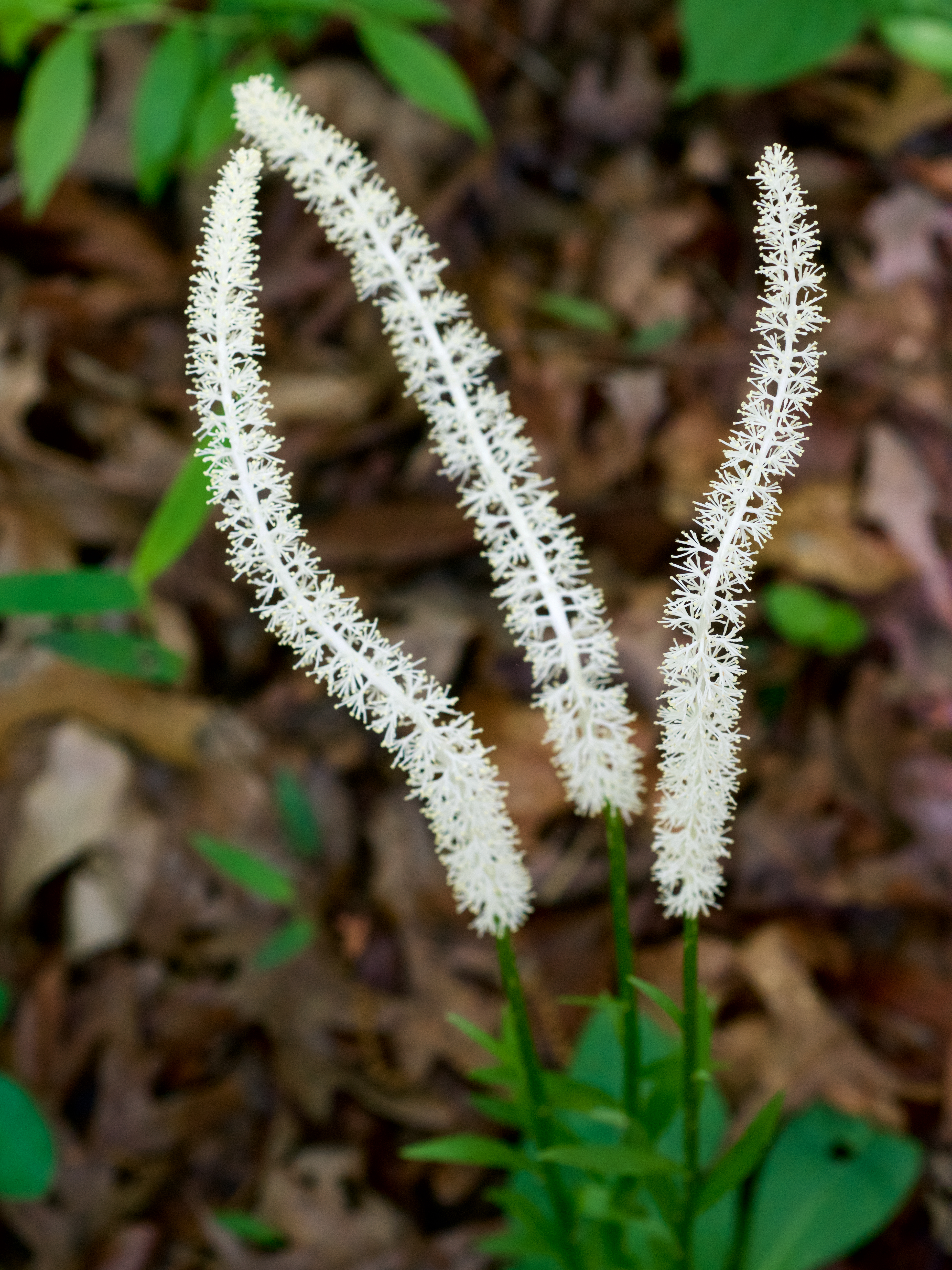
Often whispered about in the world of herbal women’s wisdom, False Unicorn Root is a rare and treasured plant of the Eastern woodlands. With a legacy tied to fertility, vitality, and womb balance, it has earned a place of honor in traditional American herbalism. This bitter, earthy root supports hormonal harmony, strengthens reproductive tone, and offers deep-rooted resilience for cycles out of sync. “False Unicorn Root steadies the center—restoring rhythm, grounding vitality, and offering quiet strength to the sacred feminine.” MATERIA MEDICA Latin Binomial: Chamaelirium luteum Common Names: False Unicorn Root, Star Grub Root, Fairy Wand, Helonias Root Family: Melanthiaceae (Bunchflower family) Physical Description of the Plant A graceful woodland perennial, False Unicorn grows from a slender rhizome and sends up a wand-like spike of tiny white flowers in early summer. Its basal leaves are grass-like, and its flowering stalk resembles a shimmering wand—giving rise to its nickname, “Fairy Wand.” Habitat Native to the rich, shaded forests of eastern North America, from the Appalachians to the Ozarks. Prefers moist, well-drained woodland soil and is increasingly rare in the wild due to overharvesting and habitat loss. Harvest and Collection The root is traditionally harvested in late summer to early autumn when the plant begins to die back and its energy returns to the underground rhizome. Always harvest ethically—False Unicorn is threatened in some areas and should be cultivated or wildcrafted with great care and intention. Parts of the Plant Used Rhizome and root Qualities Earthy, bitter, slightly sweet Energetics Temperature: Neutral to slightly warming Moisture: Drying Actions: Uterine tonic Hormonal modulator Adaptogenic (mild) Diuretic Anti-inflammatory Digestive bitter Chemical Constituents Saponins (notably chamaelirin) Steroidal compounds Bitter principles Triterpenoids Indications Irregular or painful menstruation Threatened miscarriage (traditional use, only under professional supervision ) Ovarian and uterine weakness Low libido (especially hormonal in origin) Pelvic congestion or prolapse Infertility with signs of depletion Lack of vitality in reproductive system Diagnostic Picture False Unicorn Root is indicated in cases of fatigue or deficiency with reproductive imbalance—particularly where there is uterine atony, dragging pelvic sensation, or loss of tone post-birth or from long-term hormonal depletion. Suited for the “cold and tired” reproductive system—where blood is not moving well, and energy is low. Contraindications & Cautions Do not use during pregnancy unless under trained guidance —traditionally used in early miscarriage prevention, but needs expert supervision. Use with care in individuals with high blood pressure —the tonic effect may be stimulating for some. Sustainability concern: Due to overharvesting, use only organically cultivated sources. Drug Interactions No well-documented interactions, but use caution when combining with hormone therapies or fertility medications. Dosage Tincture: 1–2 mL up to 3 times daily Decoction: 1 tsp dried root simmered in water for 15–20 minutes; drink 1–2x/day Capsules: 300–500 mg dried root, taken 1–2x daily Combinations With Vitex for menstrual regulation and progesterone support With Black Cohosh for menopausal transition and pelvic circulation With Red Raspberry Leaf for uterine tone pre-conception With Dandelion Root for hormonal detox and liver support Folklore & Historical Use Cherished in 19th-century American Eclectic and Native