Eyebright Herb: The Ancient Remedy Your Eyes (and Whole Body) Have Been Waiting For
Société Team
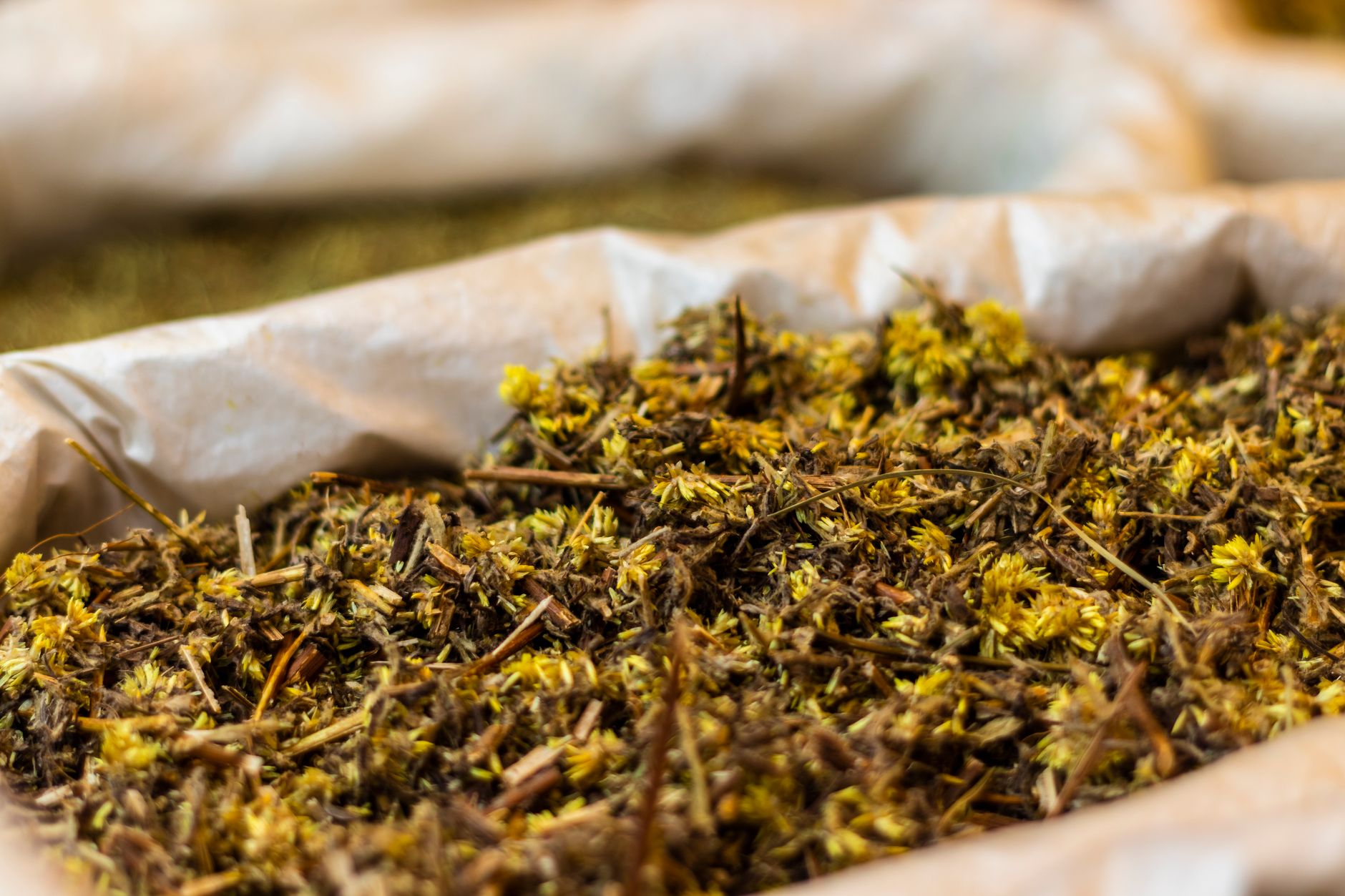
What Is the Eyebright Plant? If you've ever wandered through a wildflower meadow in Europe or Western Asia, you may have passed by a tiny, delicate flower without a second glance. That unassuming little bloom could well have been eyebright ( Euphrasia officinalis ), one of herbalism's most celebrated and enduring remedies. The eyebright plant is a semi-parasitic annual herb, meaning it draws some of its nutrients from the roots of neighboring grasses. It grows low to the ground, producing small white or lilac flowers streaked with purple veins and a distinctive yellow spot — a pattern that, to early herbalists, resembled the human eye. That visual resemblance is no coincidence when it comes to the herb's name and legacy. For centuries, healers interpreted this signature as a sign from nature that eyebright was meant to support vision and eye health. And remarkably, modern research is beginning to back up what traditional practitioners have long believed. A Rich History: Traditional Uses of Eyebright Herb Eyebright herb has been documented in European herbal medicine since at least the 14th century. The poet Michael Drayton even referenced it in verse, and legendary herbalist Nicholas Culpeper enthusiastically promoted it for conditions affecting the eyes and head. Traditional European herbalists used eyebright in a wide variety of preparations — teas, poultices, tinctures, and washes — to address issues like: Tired, irritated, or inflamed eyes Conjunctivitis and eye redness Seasonal allergies and hay fever Sinus congestion and upper respiratory catarrh Headaches associated with sinus pressure Minor memory complaints and mental fatigue The concept of the Doctrine of Signatures — the idea that plants reveal their medicinal purpose through their appearance — played a strong role in eyebright's early reputation. Its flower's eye-like markings made it a natural go-to for anything vision-related. Beyond Europe, similar traditions emerged in other cultures where related Euphrasia species grew. Indigenous uses ranged from wound healing to digestive support, pointing to a broader spectrum of potential benefits that modern herbalists continue to explore. Eyebright Benefits: What This Herb Can Do for You When people search for eyebright benefits , they're usually starting with the eyes — and for good reason. But this herb's gifts extend far beyond vision support. Eye Health and Comfort The most celebrated of all eyebright benefits for eyes comes from its naturally occurring compounds, including iridoid glycosides (like aucubin), flavonoids, tannins, and phenolic acids. These constituents are known for their anti-inflammatory, astringent, and antioxidant properties. Aucubin, in particular, has attracted attention for its ability to reduce inflammation and support cellular health. For the eyes, this can translate to soothing irritation, calming redness, and helping the body manage allergic responses. Many people have long reached for eyebright eye drops or eyewashes made from the herb to address conjunctivitis, blepharitis (eyelid inflammation), and general eye strain. While topical applications require careful preparation and sterile conditions, the tradition is deeply rooted and widespread. Respiratory and Sinus Support Eyebright's astringent and anti-inflammatory properties make it a natural ally for the respiratory tract. Herbalists frequently recommend it for: Hay fever and seasonal allergies Sinus congestion and post-nasal drip Coughs associated with excess mucus General upper respiratory irritation The tannins in eyebright help tone and tighten mucous membranes, which can reduce excessive mucus secretion. This makes eyebright herb particularly popular during allergy season, often combined with elderflower or nettle in herbal blends. Antioxidant and Anti-Inflammatory Properties The flavonoids found in eyebright — including luteolin, apigenin, and quercetin derivatives — are well-recognized antioxidants. They help the body neutralize free radicals and reduce systemic inflammation. This broader antioxidant activity suggests that eyebright supplement use may support overall wellness, not just isolated symptoms. Some herbalists recommend it as part of a general anti-inflammatory protocol, particularly during periods of high environmental stress or allergen exposure. Liver and Digestive Wellness Less commonly discussed but historically noted, eyebright has been used to support liver function and improve sluggish digestion. Its bitter compounds gently stimulate digestive secretions, promoting more efficient breakdown of food. While this isn't eyebright's primary claim to fame, it speaks to the whole-body approach that traditional herbalism has always championed — treating the whole person, not just the symptom. Eyebright Tea: A Simple, Soothing Ritual One of the easiest and most enjoyable ways to experience eyebright herb benefits is through a simple cup of eyebright tea . Brewing an herbal infusion allows you to absorb the herb's water-soluble compounds while enjoying a quiet, mindful moment in your day. Here's how to prepare a classic eyebright tea: Measure 1 to 2 teaspoons of dried eyebright herb per cup of water Boil fresh, filtered water and allow it to cool for 30–60 seconds (around 90–95°C) Steep the herb in hot water for 10–15 minutes, covered, to retain volatile compounds Strain thoroughly and sip slowly Add a touch of raw honey or lemon if desired for flavor Eyebright tea has a mildly astringent, slightly bitter taste with subtle floral notes. Many people find it pleasant on its own, and it blends beautifully with other herbs like chamomile, elderflower, or peppermint. For seasonal allergy support, drinking 2–3 cups of eyebright tea daily during peak pollen season is a popular and time-honored approach. As with all herbs, consistency matters — the benefits tend to build gently over time. Eyebright Eye Drops and Topical Applications: What You Need to Know The idea of using eyebright eye drops or an herbal eyewash is one of the herb's most intriguing traditional applications. Historically, cooled eyebright tea was used as a gentle eye rinse to soothe irritated, red, or tired eyes. However, it's essential to approach topical eye use with great care and awareness. The eyes are extremely sensitive, and any liquid introduced to them must be: Prepared in completely sterile conditions Strained meticulously to remove all plant material Free from preservatives or contaminants Used fresh and never stored for reuse For most people today, commercial preparations formulated by qualified herbalists or pharmacists are the safest route if you're interested in topical eyebright applications. Always consult with a healthcare professional before using any herbal preparation directly on the eyes. Oral use — through teas, tinctures, or eyebright supplements — is generally considered safe for healthy adults and may still provide systemic benefits that support eye health from the inside out. Eyebright Supplement Options: Finding What Works for You Beyond tea, eyebright is widely available as a supplement in several forms, each with its own advantages: Dried herb for making teas or infusions at home — the most traditional and often most economical option Tinctures — alcohol-based liquid extracts that preserve the herb's constituents and offer flexible dosing Capsules or tablets — convenient for those who prefer a no-fuss approach Herbal blends — combined formulations with complementary herbs like elderflower, nettle, or goldenrod for allergy support When choosing an eyebright supplement, quality sourcing matters enormously. Look for herbs that are organically grown or sustainably wildcrafted, clearly labeled with the botanical name ( Euphrasia officinalis or related species), and ideally third-party tested for purity. Dosage varies depending on the form and individual needs, but typical recommendations for dried herb range from 2–4 grams per day in tea form. Tincture dosages vary by concentration, so always follow the product's guidance or consult a qualified herbalist. Eyebright in Modern Wellness Practices Eyebright's resurgence in popularity is part of a broader cultural movement toward plant-based, holistic wellness . As more people seek natural approaches to managing allergies, eye strain from screen use, and everyday inflammation, herbs like eyebright are finding a new generation of devoted fans. Interestingly, eyebright in Strange Horticulture — the beloved indie herbalism game — has also introduced this herb to a younger, curious audience. Many players who encountered eyebright in the game have gone on to research its real-world properties, creating an unexpected bridge between gaming culture and traditional plant medicine. This speaks to something important: the stories we tell about plants matter. When we understand an herb's history, its uses, and its relationship with human culture, we develop a deeper, more meaningful connection to our wellness practices. Eyebright pairs beautifully with a mindful, intentional approach to health. Brewing a cup of eyebright tea in the morning, taking a moment to appreciate the ritual, and tuning in to how your body responds — this is herbalism at its most accessible and its most profound. Who Should Exercise Caution? Eyebright is generally considered safe when used as directed, but as with any herb, some precautions apply. Pregnant or breastfeeding individuals should consult a healthcare provider before use. Those with known plant allergies — particularly to the Orobanchaceae family — should introduce eyebright slowly. And anyone considering topical eye applications should always seek professional guidance first. Bringing Eyebright Into Your Life Eyebright is one of those herbs that rewards curiosity. The more you learn about it — its centuries-long history, its elegant little flower, its surprising range of benefits — the more you appreciate the depth of wisdom embedded in traditional plant medicine. Whether you're drawn to it for its eye health benefits , its support for seasonal allergies, or simply its beautiful heritage as a wildflower with a remarkable story, eyebright deserves a place in your herbal repertoire. Start simply. Brew a cup of eyebright tea. Notice the gentle astringency, the faint floral quality, the warmth spreading through you. Let the ritual be as nourishing as the herb itself. Nature has been offering us this remedy for millennia. We're just rediscovering it. Ready to Explore Eyebright? If you're ready to experience the benefits of this extraordinary herb, Societe has a beautiful, high-quality eyebright herb waiting for you. Visit societeapothecary.com/product/eyebright/ to explore their thoughtfully sourced eyebright and begin your herbal journey. We'd love to be part of your wellness story. Three Eyebright Recipes to Try at Home Eyebright Tea for Eye Comfort 1 teaspoon dried eyebright herb 1 cup boiling water Optional: honey or lemon for taste Place the dried eyebright herb in a teacup. Pour boiling water over the herb and cover the cup. Allow the mixture to steep for 10 minutes. Strain the tea and add honey or lemon if desired. Sip slowly to enjoy its soothing benefits. Eyebright Tincture for Respiratory Support 1 cup dried eyebright herb 2 cups vodka or apple cider vinegar A glass jar with a tight-fitting lid Fill the glass jar with dried eyebright herb. Pour vodka or apple cider vinegar over the herb, leaving a little space at the top. Seal the jar tightly and store it in a cool, dark place for 4-6 weeks, shaking it gently every few days. Strain the liquid into a clean dropper bottle for easy use. Take 1-2 droppers full as needed, diluted in water or juice. Eyebright Facial Steam for Rejuvenation 2 tablespoons dried eyebright herb 4 cups boiling water A large heatproof bowl A towel Place the dried eyebright herb in the bowl. Carefully pour boiling water over the herb. Lean over the bowl, covering your head with the towel to