Exploring Red Raspberry Leaf: Benefits, Uses, and Harvesting Tips
Société Apothecary
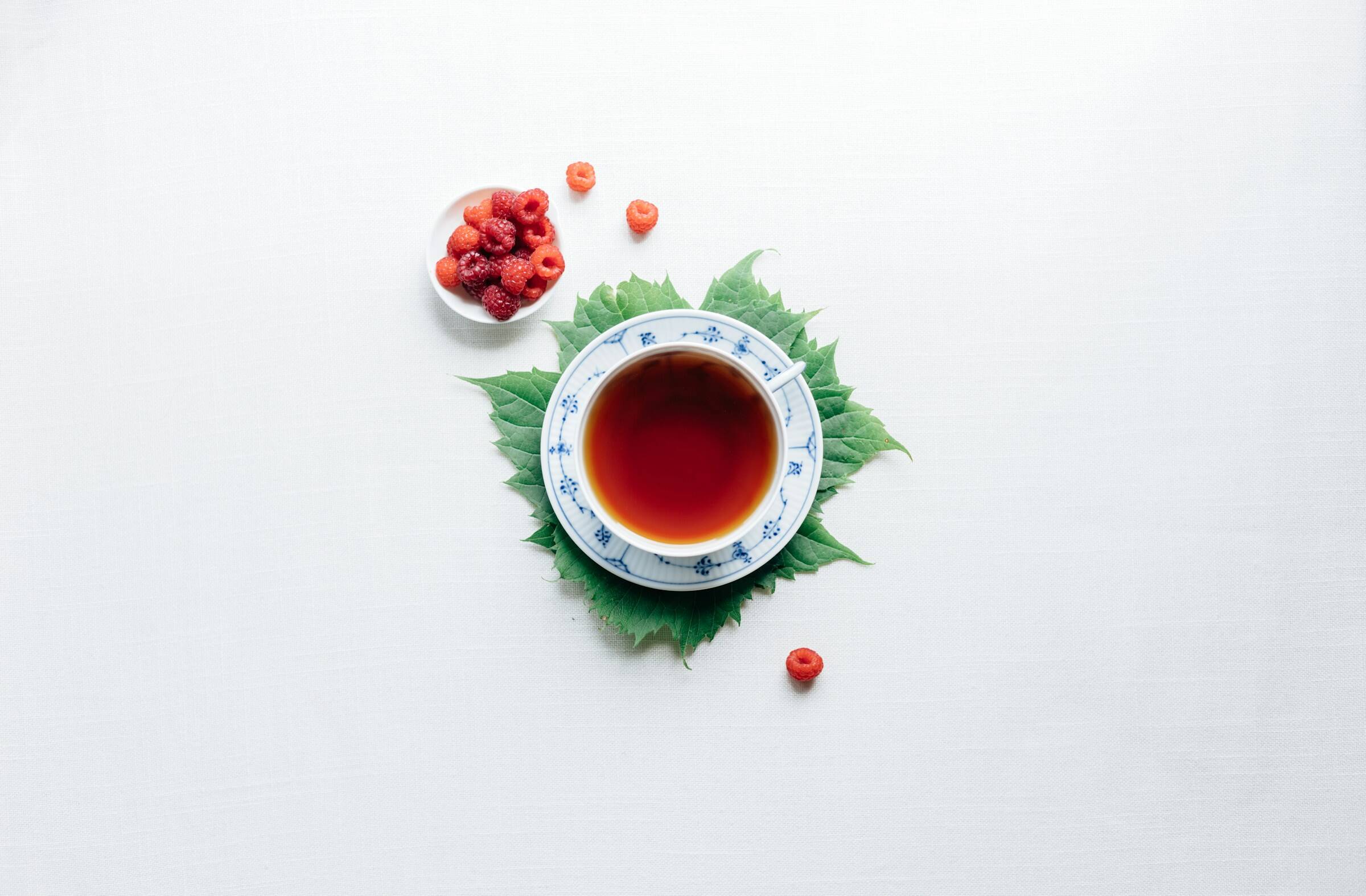
Let's take a closer look at red raspberry leaf — one of our most beloved herbs at Société Apothecary. The benefits of red raspberry leaf tea are wide-reaching: from nourishing the skin and supporting hormonal balance to carrying a rich spiritual meaning that has been honoured across cultures for centuries. Whether you're new to this herb or a long-time devotee, there is always something new to discover. From gardening to wellness and even folklore, red raspberry leaf has something to offer for everyone. Join us as we delve into its various applications and learn how to make the most of this natural wonder. Planting Red Raspberry If you're considering growing red raspberries, they're relatively easy to cultivate. Plant them in a sunny spot with well-drained soil, spacing them adequately for growth. With proper care, you'll soon have thriving raspberry bushes ready to yield an abundance of leaves and berries. When to Harvest Red Raspberry Knowing when to harvest red raspberries ensures optimal flavor and freshness. Typically, they're ready for picking in late summer to early fall. Look for ripe, plump berries that easily detach from the plant. Harvesting in the morning preserves their sweetness and quality. Uses of Red Raspberry Tea Brewing red raspberry leaf tea is a popular way to enjoy its health benefits. Rich in antioxidants and nutrients, it's a nourishing beverage that can be enjoyed hot or cold. Whether you're seeking a soothing drink or a natural tonic, red raspberry tea is a delightful option. Red Raspberry Magical Properties In folklore and spiritual practices, red raspberry leaf is associated with protection, fertility, and abundance. It's believed to carry energetic qualities that can be harnessed in rituals and spells related to love and healing. Whether used in sachets or as incense, it adds a touch of natural magic to spiritual practices. Red Raspberry Uses Beyond its medicinal and magical properties, red raspberry leaf has practical applications. It can be dried and used in herbal preparations like tinctures and salves, or incorporated into skincare products for its soothing properties. With its versatility, red raspberry leaf offers a range of benefits for holistic well-being. Red Raspberry Skin Benefits Red raspberry leaf offers a range of benefits for the skin, including its anti-inflammatory properties, which can help soothe conditions like eczema and acne. Rich in antioxidants such as vitamins A and C, it also protects the skin from oxidative stress, promoting a more youthful complexion. Additionally, its hydrating and collagen-supporting properties contribute to skin firmness and elasticity, while its soothing nature helps alleviate redness and irritation, leaving the skin looking and feeling refreshed and revitalized. Benefits for Horses Red raspberry leaf isn't just for humans - horses can benefit from it too. Adding dried red raspberry leaves to your horse's feed can help support their overall health, particularly in mares. It may help with hormonal balance and reproductive wellness, offering a natural alternative for equine care. Red raspberry leaf is a versatile herb with numerous benefits and uses. Whether you're growing it in your garden, brewing a cup of tea, or incorporating it into your spiritual practice, red raspberry leaf invites exploration and appreciation. With its rich history and diverse applications, it's a natural treasure worth exploring. Red raspberry is one of our favorite herbs at Société: Moon Balance Tea After Birth Sitz Bath Root Chakra Tea Cup of Joy Tea Conceive Tincture Conceive Tea Cool Goddess Tea Mother's Milk Tea Tea for Two Mother's Milk Tea Hydrating Facial Steam Explore Société teas and skincare to discover the magic of red raspberry! 🌾🍵 Benefits of Red Raspberry Leaf Tea: A Deeper Look The benefits of red raspberry leaf tea go well beyond a warming cup on a cold morning. Revered by herbalists for generations, this gentle yet effective herb is rich in fragarine — a plant compound traditionally associated with toning the uterine muscles — alongside magnesium, iron, potassium, and B vitamins. Here is what regular ritual use of red raspberry leaf tea may support: Hormonal balance: Traditionally used to ease menstrual discomfort, reduce cramping, and support cycle regularity, red raspberry leaf is a cornerstone herb in women's wellness. Pregnancy and postpartum support: Long used as a uterine tonic in the third trimester and postpartum recovery, though always under the guidance of a midwife or qualified practitioner. Digestive ease: Its mild astringent action may help calm an unsettled stomach, ease bloating, and support overall gut tone. Immune nourishment: The vitamin C content and antioxidant profile lend gentle immune support when taken as part of a consistent herbal practice. Mineral replenishment: Particularly valuable during menstruation, when iron and magnesium levels can dip. Research into red raspberry leaf is still emerging, and while traditional use is rich and well-documented, we always recommend consulting a qualified herbalist or healthcare practitioner before making it a core part of your wellness routine — especially during pregnancy or if you are managing a health condition. Raspberry Leaf Tea Benefits for Skin: Your Herbal Glow Guide If you have not yet considered red raspberry leaf as part of your skincare ritual, now is the moment. The raspberry leaf tea benefits for skin are rooted in its impressive antioxidant and anti-inflammatory profile — and they translate beautifully into both ingestible and topical use. When consumed as a tea, the antioxidants in red raspberry leaf — particularly vitamins A, C, and E — work from within to neutralise free radicals that accelerate skin ageing. Over time, this internal nourishment can contribute to a more luminous, even-toned complexion. The leaf's naturally high tannin content also supports skin elasticity, while its iron-rich makeup helps maintain a healthy, rosy glow by supporting circulation. Topically, red raspberry leaf is a wonderful addition to facial steams, infused toners, and botanical salves. Its anti-inflammatory action soothes reactive and sensitised skin, and it is particularly gentle for those managing redness, rosacea-prone skin, or post-blemish healing. You will find it in our Hydrating Facial Steam for exactly this reason — it softens, calms, and prepares the skin beautifully for further ritual care. For a simple at-home treatment, brew a strong cup of red raspberry leaf tea, allow it to cool completely, and use it as a refreshing facial rinse or toner. Your skin will drink it in. Raspberry Spiritual Meaning: Magic, Myth, and the Heart Long before red raspberry leaf found its place in the apothecary, it held deep significance in the world of plant spirit and folklore. The raspberry spiritual meaning is one of protection, love, and feminine power — themes that run as a golden thread through its traditional uses across many cultures. In European folk magic, raspberry canes were hung above doorways to ward off negative energy and protect the home, particularly during pregnancy. The leaves and berries were used in love sachets and carried as charms to attract affection, strengthen bonds, and encourage fertility. In some traditions, raspberry is associated with the planet Venus and the element of Water — both deeply connected to emotion, intuition, and the cycles of the feminine. The heart-shaped leaves and jewel-bright berries of the raspberry plant speak symbolically of the heart chakra: abundance, sweetness, and the willingness to open. In modern spiritual practice, red raspberry leaf is sometimes burned or used in herbal smoking blends as a ceremonial offering, or brewed as a tea to accompany moon rituals, intention-setting, or self-love practices. At Société, we honour this lineage in every blend that contains red raspberry leaf. It is not simply an ingredient — it is an invitation into something older, sweeter, and wiser. Smoking Red Raspberry Leaf: What You Need to Know Smoking red raspberry leaf is a practice with roots in both Indigenous North American traditions and Victorian-era herbal smoking blends, where it was used as a milder alternative to tobacco and as part of ceremonial or medicinal smoking rituals. Today, it is growing in interest among those who practise herbal smoking as a mindfulness ritual or who are looking to reduce their tobacco intake. Red raspberry leaf has a mild, slightly sweet flavour when smoked, and burns relatively smoothly. It is often blended with other herbs such as mullein, lavender, or rose in herbal smoking mixtures. Traditionally, it was thought to carry calming and grounding properties when used this way — an extension of the very qualities it offers in tea form. Important considerations: Smoking any herb — including red raspberry leaf — introduces combustion byproducts into the lungs, and is not without risk. It is not recommended for those with respiratory conditions, asthma, or compromised lung health. Red raspberry leaf is not addictive and contains no nicotine, making it a popular choice in herbal smoking blends intended to support people reducing tobacco use. However, it is not a clinically proven cessation tool. If you are pregnant, smoking red raspberry leaf is not advised, even though the herb itself is widely used in pregnancy wellness in other forms. As with all herbal practices, please consult a qualified practitioner if you have any health concerns before introducing herbal smoking into your ritual. At Société, we approach smoking herbs as a ritual act — one to be undertaken with intention, respect, and awareness. If you are curious about herbal smoking blends, seek out a trusted herbalist who can guide you toward a combination that supports your specific needs and constitution. Three Red Raspberry Leaf Recipes to Try at Home Red Raspberry Leaf Tea 1 tablespoon dried red raspberry leaves 1 cup boiling water Honey or lemon (optional) Place the dried red raspberry leaves in a tea infuser or teapot. Pour the boiling water over the leaves. Let the tea steep for 10-15 minutes for a robust flavor. Strain and serve warm, adding honey or lemon if desired for extra taste. Red Raspberry Leaf Syrup 1 cup fresh or dried red raspberry leaves 2 cups water 1 cup honey Combine the red raspberry leaves and water in a saucepan over medium heat. Bring to a gentle simmer, cover, and let it simmer for about 30 minutes. Strain the mixture to remove the leaves, returning the liquid to the saucepan. Add honey and stir until completely dissolved. Allow the syrup to cool before storing it in a jar in the refrigerator for up to a month. Red Raspberry Leaf Vinegar 1 cup dried red raspberry leaves 2 cups apple cider vinegar Glass jar with lid Place the dried red raspberry leaves in a clean glass jar. Pour the apple cider vinegar over the leaves, ensuring they are fully submerged. Seal the jar tightly and store it in a cool, dark place for 4-6 weeks, shaking occasionally. Strain the vinegar into a clean bottle, discarding the leaves. Use this infused vinegar as a tangy salad dressing or a flavorful addition to marinades. Always consult a qualified healthcare practitioner before introducing new herbal remedies, especially if you are pregnant, nursing, or have underlying health conditions. Red Raspberry Leaf Tea Benefits for Skin Red raspberry leaf tea contains antioxidants and plant compounds that may support healthy-looking skin by helping protect against oxidative stress. While research is still emerging, many herbal traditions have long used raspberry leaf as part of an overall wellness routine. Some enjoy it daily as a gentle, mineral-rich tea, while others add cooled raspberry leaf infusions to facial steams and baths as part of a simple skincare ritual.