Elecampane Root: The Ancient Lung Herb Rooted in Herbal Wisdom
Société Team
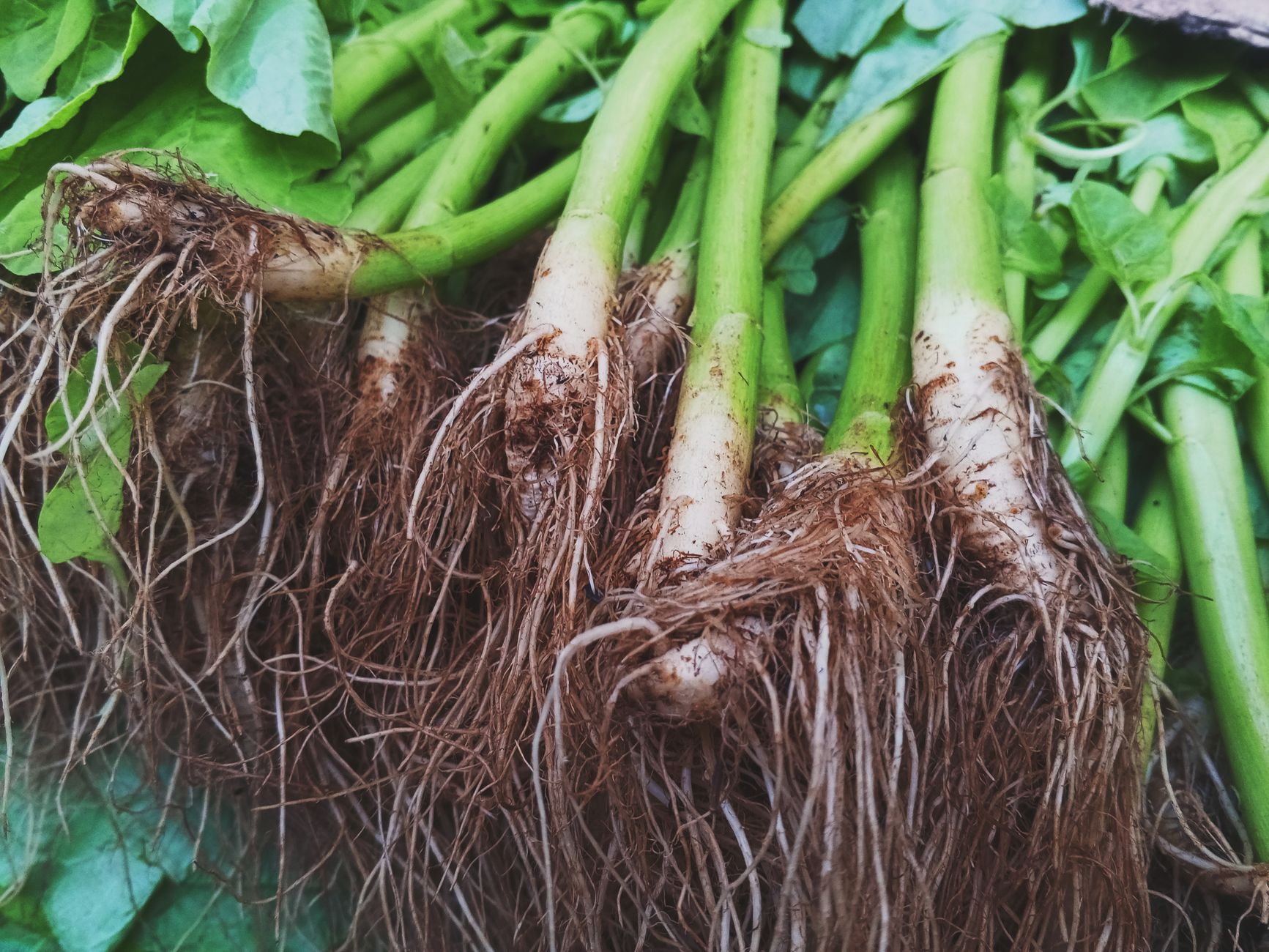
A Root That Has Stood the Test of Time Few herbs carry the weight of history quite like elecampane root. Used for more than two thousand years across Europe, Asia, and eventually the Americas, this tall, sunflower-like plant has earned a permanent place in the canon of herbal wisdom as a premier remedy for the lungs, digestion, and deep-seated, lingering illness. It was cherished by ancient Greek physicians, woven into Anglo-Saxon medical texts, and carried by colonists to the New World where it naturalized with remarkable ease. Elecampane is not a subtle herb — its roots are large, resinous, and intensely aromatic, and its actions in the body are equally bold. Understanding elecampane means understanding what it means to work with herbs that act deeply, slowly, and powerfully over time. > "Elecampane will the spirits sustain." > — Traditional English folk saying, recorded in medieval herbals MATERIA MEDICA Scientific Name: Inula helenium Common Names: Elecampane, Elecampe Root, Horse Heal, Scabwort, Wild Sunflower, Velvet Dock, Elf Dock Family: Asteraceae (Daisy family) Parts Used: Root and rhizome Taste: Bitter, pungent, slightly sweet Temperature: Warm Moisture: Drying Physical Description Elecampane is an impressive perennial that can reach heights of four to six feet, making it one of the more statuesque plants in the medicinal herb garden. Its leaves are enormous — the basal leaves can grow up to two feet long — with a soft, velvety underside and a rough upper surface. Bright yellow, daisy-like flowers bloom from midsummer into early autumn, giving the plant a cheerful, golden appearance despite its potent medicinal character. The roots are the real treasure: thick, fleshy, and branching, they develop a grayish-brown exterior with a white, aromatic interior that smells distinctly of camphor and violets when freshly cut. Dried and powdered, the root produces a pale yellow dust with a warm, earthy, slightly sweet fragrance that is immediately recognizable to anyone familiar with traditional respiratory formulas. Habitat and Growing Conditions Native to central Asia and southeastern Europe, elecampane has naturalized widely across temperate regions of North America and the British Isles. It thrives in moist, rich soils and is commonly found growing along roadsides, in meadows, on woodland edges, and near streams and rivers. Elecampane prefers partial shade to full sun and tolerates a range of soil types, though it performs best in loamy, well-drained ground with consistent moisture. Once established, it is a vigorous, low-maintenance plant that spreads readily through both seed and root division. In the home garden, it makes an excellent back-of-border plant — beautiful, medicinal, and a reliable pollinator attractor throughout its long bloom season. Harvest and Collection Elecampane root is typically harvested in the autumn of its second or third year, when the plant's energy has fully concentrated into the root system and inulin content is at its peak. First-year roots are often too thin to be of significant medicinal value. Best harvest practices include: Dig roots in early-to-mid autumn after the aerial parts begin to die back Use a garden fork to loosen the soil and lift the entire root mass carefully Wash roots thoroughly, scrubbing away soil, and pat dry Slice roots into thin rounds or chunks before drying, as whole roots dry poorly and can mold Dry at low heat (95–115°F) in a dehydrator or in a warm, well-ventilated space until completely moisture-free Store in airtight glass jars away from light and heat for up to two years Freshly harvested roots have a stronger, more complex aroma than dried; both forms have valuable medicinal application. Energetics and Qualities Within traditional Western herbal wisdom , elecampane is classified as a warm and drying herb — making it especially suited to conditions involving cold, damp, and stagnant energy in the lungs and digestive tract. It was historically used for the kind of chronic, productive coughs associated with excess mucus that has lingered too long. Its pungent, aromatic quality helps disperse and move stagnation, while its bitter notes stimulate digestive secretions and tonify sluggish organ function. Elecampane is not a quick-acting, symptom-suppressing herb — it is a deep-acting restorative tonic best used over weeks or months to shift underlying imbalances. In Ayurvedic energetic terms, elecampane has parallels with herbs used to reduce kapha (dampness and heaviness) while gently supporting vata through its warming, grounding nature. Actions and Chemical Constituents Elecampane's wide range of traditional uses is backed by a rich and complex chemistry. Its botanical characteristics — particularly the thick, inulin-dense root — make it one of the most biochemically interesting roots in Western herbalism. Primary Actions: Expectorant (promotes the expulsion of mucus from the respiratory tract) Antitussive (reduces coughing) Antimicrobial and antifungal Bitter tonic (stimulates digestion and liver function) Carminative (relieves gas and bloating) Diaphoretic (promotes perspiration in acute illness) Anthelmintic (traditionally used against intestinal parasites) Adaptogenic (supports resilience under stress over time) Anti-inflammatory Key Chemical Constituents: Inulin (up to 44% in fresh root) — a prebiotic polysaccharide that feeds beneficial gut bacteria Alantolactone and isoalantolactone — sesquiterpene lactones with potent antimicrobial and anti-inflammatory properties Azulene — an anti-inflammatory compound also found in chamomile and yarrow Essential oils — including camphor, thymol, and other aromatic terpenes Resins and mucilage — soothing and coating to irritated mucosal tissue Bitter compounds — supporting liver and digestive secretions Flavonoids — antioxidant and anti-inflammatory activity Indications and Traditional Uses The traditional uses of elecampane root are broad, though it is most consistently and powerfully associated with the respiratory system. Across European folk medicine, Ayurveda-influenced traditions, and early American botanical practice, elecampane was the herb of choice for chronic, stubborn lung conditions. Primary indications include: Chronic or lingering coughs with abundant mucus Bronchitis (both acute and chronic) Respiratory infections that are slow to resolve Asthma with a damp, mucousy presentation Sluggish digestion, bloating, and gas Loss of appetite and impaired digestive secretion Intestinal dysbiosis (imbalanced gut flora) — supported by high inulin content Traditionally used for intestinal parasites Skin conditions with an internal damp/stagnant root cause Elecampane is particularly well-suited for the individual who catches every cold and has trouble fully recovering, whose lungs never quite clear, or whose digestion has become sluggish and unresponsive. It is a deeply restorative herb for those who need strengthening from the inside out. Three Practical Recipes Using Elecampane Root Recipe 1: Elecampane Root Decoction Tea for Respiratory Support This warming decoction is ideal for chronic coughs, bronchitis, and lingering respiratory congestion. Roots require simmering — not just steeping — to fully extract their medicinal compounds. Ingredients: 1 tablespoon dried elecampane root, roughly chopped 2 cups filtered water 1 teaspoon dried thyme (optional, for added antimicrobial support) Raw honey to taste A slice of fresh ginger (optional) Preparation: 1. Combine elecampane root and water in a small saucepan. 2. Bring to a gentle boil, then reduce heat and simmer uncovered for 20–25 minutes. 3. Add thyme in the final 5 minutes of simmering if using. 4. Remove from heat and steep for an additional 10 minutes. 5. Strain through a fine mesh strainer into a mug. 6. Add honey and ginger to taste. 7. Drink one cup two to three times daily during acute illness, or once daily as a tonic during cold and flu season. --- Recipe 2: Elecampane Root Honey Syrup This old-fashioned syrup is a beautiful way to preserve elecampane's benefits in a form that is easy to take daily, especially for children or those sensitive to bitter tastes. Raw honey acts as both a preservative and a soothing agent for irritated airways. Ingredients: 1 cup dried elecampane root 3 cups filtered water 1 cup raw honey (added after cooling) ½ teaspoon cinnamon powder (optional) 10 drops of thyme essential oil (optional, for adults only) Preparation: 1. Combine elecampane root and water in a saucepan and bring to a boil. 2. Reduce heat and simmer until the liquid reduces by roughly half — approximately 30–40 minutes. 3. Remove from heat and allow to cool to room temperature. 4. Strain through cheesecloth or a fine strainer, pressing the root mass to extract all liquid. 5. Once the liquid is below 110°F, stir in raw honey until fully dissolved. 6. Add cinnamon if desired. 7. Pour into a sterilized glass jar and refrigerate. 8. Take 1–2 teaspoons up to three times daily for respiratory support. Keeps refrigerated for up to 3 months. --- Recipe 3: Elecampane Digestive Bitters Tincture This simple alcohol extract harnesses elecampane's bitter and carminative properties to support sluggish digestion, gas, and bloating. Take a small amount before meals to stimulate digestive secretions and improve nutrient absorption. Ingredients: ½ cup dried elecampane root, roughly chopped 1 cup 80-proof vodka or brandy (at least 40% alcohol) A clean glass jar with a tight-fitting lid Optional additions: dried orange peel, fennel seed, or gentian root for a more complex digestive bitters Preparation: 1. Place the chopped elecampane root into the glass jar. 2. Pour alcohol over the root, ensuring it is fully submerged with at least one inch of liquid above the plant material. 3. Seal tightly and label with the date. 4. Store in a cool, dark location and shake the jar gently once daily. 5. Allow to macerate for 4–6 weeks minimum. 6. Strain through cheesecloth, pressing the root firmly to extract all liquid. 7. Transfer the finished tincture to a dark glass dropper bottle. 8. Take ¼ to ½ teaspoon (approximately 1–2 dropperfuls) in a small amount of water 15–20 minutes before meals to activate digestive function. Note: Consult a qualified herbalist before using elecampane root during pregnancy or if you are sensitive to plants in the Asteraceae family. Bringing Elecampane Root Into Your Wellness Practice Elecampane root is one of those foundational herbs that every home apothecary deserves to have on hand — particularly heading into the colder months when the lungs and digestion need the most support. Its combination of antimicrobial, expectorant, and prebiotic actions makes it genuinely multi-functional in a way that few herbs can claim. Whether you work with it as a daily decoction tea, a slow-built tincture, or a warming honey syrup, elecampane rewards patience and consistent use. It is an herb for the long game — supporting restoration at a deep level rather than simply masking symptoms. Its rich history across multiple healing traditions, combined with growing scientific interest in its sesquiterpene lactones and prebiotic inulin content, places elecampane in that rare category of herbs that are simultaneously ancient and remarkably relevant to modern wellness. Find Quality Elecampane Root for Your Apothecary If you're ready to bring this extraordinary root into your practice, sourcing high-quality, properly dried root is essential for therapeutic results. Explore Societe's carefully sourced elecampane root at societeapothecary.com/product/elecampe-root/ and take the first step toward adding this ancient lung herb to your home wellness toolkit. We'd love to be part of your herbal journey.