Elderberries Whole: The Ancient Berry That Modern Herbalists Still Swear By
Société Team
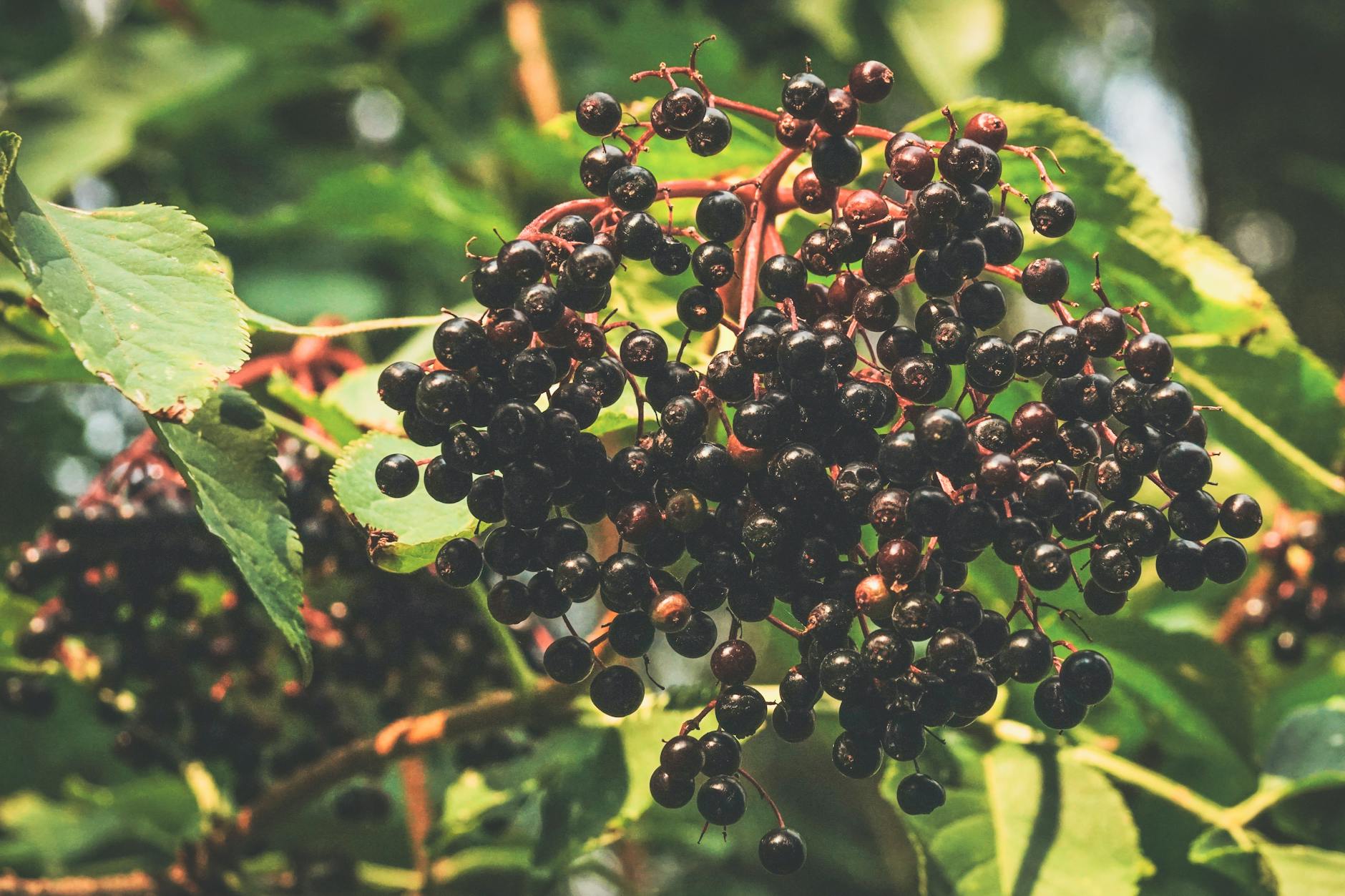
Few plants have woven themselves so deeply into the fabric of herbal wisdom as the elder tree. For thousands of years, cultures across Europe, North America, and beyond have turned to its dark, jewel-toned berries as a cornerstone of seasonal wellness — and with very good reason. Whole elderberries carry a legacy that spans folk medicine, culinary tradition, and modern botanical research. Whether you are curious about what to do with whole elderberries you found at a market, or you are deepening an existing herbal practice, this profile will walk you through everything you need to know. > "Elder is the medicine chest of the country people." — Traditional European herbal saying, passed down through generations of village healers and folk practitioners. MATERIA MEDICA Scientific Name: Sambucus nigra (European elder); Sambucus canadensis (American elder) Common Names: Elderberry, Black Elder, European Elder, Common Elder, Bore Tree, Bour Tree Family: Adoxaceae (formerly Caprifoliaceae) Parts Used: Ripe berries (whole, dried, or fresh); flowers, bark, and leaves are used separately in other preparations — but this profile focuses on the whole berry . Physical Description: The elder is a fast-growing, multi-stemmed shrub or small tree that can reach 10 to 30 feet in height. Its bark is light gray and deeply furrowed, and its branches are filled with a soft, pithy center that hollows easily. Leaves are pinnately compound with five to seven toothed leaflets, dark green on top and paler beneath. In early summer, the plant produces large, flat-topped clusters of tiny, creamy-white flowers with a sweet, musky fragrance. By late summer and early autumn, those flower clusters transform into drooping corymbs of deep purple-black berries — small, round, and densely packed. Each berry is roughly 5–6 mm in diameter. The ripe berries have a tart, earthy, slightly winey flavor that deepens beautifully when cooked or dried. Habitat and Ethical Harvesting Elder thrives in moist, disturbed soils and is remarkably adaptable. It grows readily along roadsides, woodland edges, riverbanks, hedgerows, and the borders of fields throughout temperate regions of North America, Europe, and western Asia. It is considered both a wild plant and a cultivated one — many homesteaders and herbal gardeners grow elder specifically for harvest. When foraging wild elder, always confirm identification carefully , as several toxic look-alikes exist in similar habitats. Harvest and Collection: Harvest ripe berries in late August through October, when clusters are fully dark purple-black and slightly soft to the touch. Cut entire clusters with scissors or pruning shears and collect into baskets — individual berries detach easily from the stems. Remove berries from stems promptly , as the stems, leaves, and unripe berries contain cyanogenic glycosides that can cause nausea. Dry whole elderberries in a dehydrator at low heat (95–115°F) or spread on screens in a warm, well-ventilated space away from direct sunlight. Properly dried whole elderberries will keep for up to two years in an airtight container stored in a cool, dark place. Qualities and Energetics Understanding the energetic properties of whole elderberries helps herbalists work with them in a nuanced and holistic way. Qualities: - Taste: Tart, sour, slightly sweet, astringent - Temperature: Cooling - Moisture: Slightly drying - Tissue State: Relaxant, astringent Energetics: In traditional Western herbal energetics, elderberries are considered cool and slightly dry — qualities that make them particularly well-suited to addressing hot, damp conditions such as feverish colds, sinus congestion with inflammation, and boggy immune states. This cooling, astringent nature helps tone and tighten mucous membranes, making elderberries a classic herb for the respiratory system. Their affinity for the immune system, lymphatic system, and upper respiratory tract has been recognized across many healing traditions simultaneously and independently — a powerful testament to their effectiveness. Actions and Chemical Constituents Actions: Antiviral Immunomodulant Diaphoretic (promotes healthy sweating) Antioxidant Anti-inflammatory Mild laxative (in large amounts) Astringent Lymphatic Nutritive Chemical Constituents: Anthocyanins (primarily cyanidin-3-glucoside and cyanidin-3-sambubioside) — the deep pigments responsible for much of the berry's antiviral and antioxidant activity Flavonoids (quercetin, rutin, kaempferol) Polyphenols Vitamins (Vitamin C, Vitamin A, Vitamin B6) Minerals (iron, potassium, phosphorus) Dietary fiber Tannins (contributing to astringent quality) Sambunigrin — a cyanogenic glycoside present in raw, unripe berries and plant material (destroyed by heat) This is why cooking or thoroughly drying whole elderberries is essential before consumption. Properly prepared dried whole elderberries are safe and deeply nourishing. Raw, unripe, or improperly processed berries can cause gastrointestinal distress. Traditional Uses and Indications The question what are the benefits of eating elderberries has been answered by traditional healers for centuries before modern science began to confirm their findings. Traditionally, whole elderberries have been indicated for: Seasonal colds, influenza, and upper respiratory infections Feverish conditions where gentle diaphoresis is desired Sinus congestion and catarrhal conditions Immune system support, particularly during high-exposure seasons Lymphatic sluggishness and swollen glands Mild constipation and sluggish digestion General nutritive support and antioxidant protection Skin conditions associated with poor lymphatic drainage (used internally) Many herbalists note that elderberry works best as a preventive and early-stage remedy — taken at the first sign of immune challenge rather than at the height of acute illness, though it can certainly support recovery throughout. How to Use Whole Dried Elderberries at Home One of the most common questions people have is simply: how do I actually use these? Whole dried elderberries are incredibly versatile. They can be simmered into syrups, steeped into teas, incorporated into culinary dishes, or prepared as tinctures. The key rule to remember: always apply heat or use an alcohol-based preparation to neutralize any residual sambunigrin before consuming. Properly sourced dried elderberries have a greatly reduced risk compared to fresh raw ones, but simmering is still the preferred approach. Below are three practical, time-tested preparations you can make in your own kitchen. --- Recipe 1: Classic Elderberry Tea (Simple Decoction) This is the most foundational way to use whole dried elderberries and the easiest entry point for beginners. Ingredients: - 2 tablespoons whole dried elderberries - 2 cups filtered water - 1 cinnamon stick (optional) - 2–3 whole cloves (optional) - Raw honey to taste Preparation: 1. Combine elderberries and water in a small saucepan. Add cinnamon and cloves if using. 2. Bring to a gentle boil, then reduce heat and simmer uncovered for 15–20 minutes , until the liquid is deep purple and reduced by about a third. 3. Remove from heat and allow to cool for 5 minutes. 4. Strain out the berries (they can be composted or used a second time for a weaker brew). 5. Stir in honey after the tea has cooled slightly to preserve enzymes. 6. Drink 1–2 cups daily during cold and flu season, or 3–4 cups at the first sign of illness. --- Recipe 2: Elderberry Immune Syrup This is the classic herbal preparation that so many people discover first — and return to every year. It is rich, concentrated, and deeply nourishing. Ingredients: - 1 cup whole dried elderberries - 3 cups filtered water - 1 tablespoon fresh grated ginger (or 1 teaspoon dried) - 1 teaspoon dried cinnamon chips or 1 cinnamon stick - ½ teaspoon whole cloves - 1 cup raw honey (added after cooling) Preparation: 1. Combine elderberries, water, ginger, cinnamon, and cloves in a medium saucepan. 2. Bring to a boil, then reduce heat to a gentle simmer. Simmer uncovered for 45 minutes to 1 hour , until the liquid reduces by approximately half. 3. Remove from heat and allow to cool until just warm — not hot. 4. Mash the berries lightly with the back of a spoon to release remaining juice. 5. Strain through a fine mesh strainer or cheesecloth, pressing the berries to extract all liquid. 6. Once the liquid has cooled to room temperature, stir in raw honey until fully dissolved. 7. Pour into a clean glass jar and refrigerate. Use within 60–90 days. 8. Dosage: 1 tablespoon daily for adults as a preventive; 1 tablespoon every 3–4 hours during acute illness. --- Recipe 3: Elderberry Oat Porridge (Culinary Preparation) For those wondering can you eat whole elderberries in food — the answer is yes, absolutely, once properly cooked. This warming breakfast recipe is a beautiful way to incorporate elderberries nutritively into your daily rhythm. Ingredients: - 1 cup rolled oats - 2 cups water or oat milk - 2 tablespoons whole dried elderberries - 1 tablespoon maple syrup or honey - ½ teaspoon cinnamon - Pinch of sea salt - Fresh fruit, nuts, or seeds to top Preparation: 1. In a small saucepan, pre-simmer the whole dried elderberries in ½ cup of water for 10 minutes. This step is important — it fully softens the berries and ensures they are thoroughly cooked. 2. Add remaining liquid, rolled oats, cinnamon, and salt to the pan. 3. Bring to a gentle boil, stirring frequently, then reduce to medium-low heat. 4. Cook for 5–7 minutes, stirring often, until oats reach desired consistency. 5. Stir in maple syrup or honey and serve immediately, topped with your choice of fresh fruit or nuts. 6. The elderberries will have plumped up and become tender, jammy, and delicious — an entirely different experience from the dried form. --- A Note on Safety and Sourcing Whole elderberries are considered very safe when properly prepared. A few important considerations to keep in mind: Always cook or decoct dried whole elderberries before consuming — never eat them raw in large quantities. Those with autoimmune conditions should consult a knowledgeable herbal practitioner before using elderberry long-term, as its immunostimulating properties may require careful consideration. Source quality matters enormously. Look for whole elderberries that are deeply colored, fully intact, and free of stems, seeds from other plants, or signs of mold. Elderberry is generally considered safe for children over one year of age (honey-based syrups should not be given to infants under 12 months). Elderberry is non-toxic when properly prepared and is considered a nutritive herb — meaning it can be used regularly and over longer periods. Bring Elderberry Wisdom Into Your Home Whether you are exploring whole elderberries for the first time or returning to a beloved seasonal tradition, there is something quietly powerful about working with a plant this ancient and this well-loved. If you are ready to stock your herbal pantry with high-quality, thoughtfully sourced elderberries, Societe has you covered. Explore our whole dried elderberries and start your first batch of syrup or tea this week at societeapothecary.com/product/elderberries-whole/ . We would love to be part of your herbal journey.