Elderberries: Nature's Dark Berry with Ancient Roots and Modern Wellness Power
Société Team
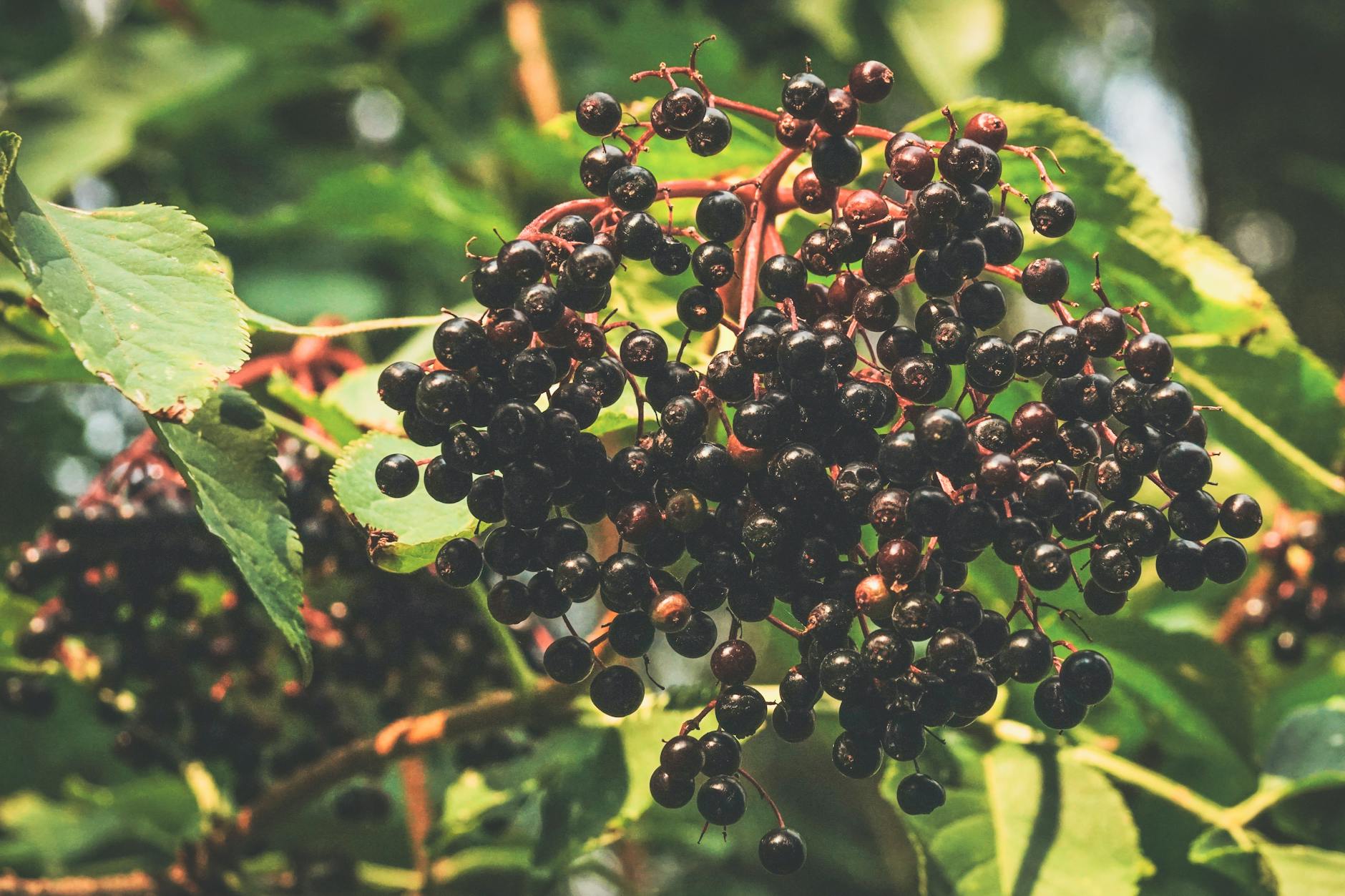
A Berry Steeped in History and Tradition For thousands of years, the elder tree has held a place of reverence in cultures across Europe, North America, and beyond. Ancient Egyptians used elderberry preparations to improve their complexions and heal burns, while Native American tribes relied on the plant for everything from fever reduction to pain relief. In medieval Europe, the elder tree was so deeply woven into folk medicine and spiritual practice that it was often called the "medicine chest of the country people." Virtually every part of the tree — the flowers, bark, leaves, and berries — served a purpose in traditional healing. Today, that long legacy of use is being validated by modern science, and elderberries are having a well-deserved renaissance in kitchens, herbal apothecaries, and wellness routines around the world. What Exactly Are Elderberries? Elderberries are the small, dark purple-to-black fruits of the Sambucus tree, most commonly Sambucus nigra , or European elder. They grow in dense, umbrella-shaped clusters and ripen in late summer and early autumn. One important note: elderberries are edible only when properly prepared . Raw, unripe elderberries contain a compound called sambunigrin, which can cause nausea and digestive upset. Cooking or drying the berries neutralizes this compound completely, making them perfectly safe and deeply nourishing. This is also why the question "are elderberries poisonous?" comes up so often. The answer is nuanced — raw berries and other raw parts of the plant can be mildly toxic, but properly processed elderberries are not only safe but extraordinarily beneficial. Stick to dried or cooked preparations, and you're in wonderful hands. Elderberries' Impressive Health Benefits The elderberries benefits that modern research continues to uncover are genuinely impressive, aligning beautifully with centuries of traditional use. Immune System Support Perhaps the most celebrated benefit is elderberry's powerful effect on the immune system. Rich in anthocyanins — the pigments that give the berries their deep, jewel-like color — elderberries are potent antioxidants that help protect cells from oxidative stress. Multiple clinical studies have shown that elderberry extracts can reduce the duration and severity of colds and flu. One well-known study found that elderberry supplementation cut the duration of influenza by an average of four days compared to a placebo. Rich in Vitamins and Antioxidants Elderberries are a surprisingly rich source of several key nutrients: Vitamin C — a single cup of elderberries provides over 50% of the recommended daily intake Vitamin A — important for skin, eye, and immune health Potassium and iron — supporting cardiovascular and blood health Flavonoids and phenolic acids — powerful antioxidant compounds This nutrient density makes elderberries one of the most valuable berries you can incorporate into a regular wellness practice. Anti-Inflammatory Properties Chronic inflammation is increasingly recognized as a root driver of many modern health challenges. Elderberries contain compounds that have demonstrated meaningful anti-inflammatory effects in research settings. Regular consumption may help ease the kind of low-grade systemic inflammation associated with stress, poor diet, and environmental exposure. This is part of why elderberries feel so supportive during times of seasonal change. Elderberries Benefits for Men When it comes to elderberries benefits for men specifically, there's good reason to pay attention. The antioxidant compounds in elderberries support cardiovascular health — an area of particular concern for men statistically. Some research also points to elderberry's potential to support healthy blood pressure and cholesterol levels, both significant factors in long-term heart health. The anti-inflammatory and immune-supportive benefits, of course, apply equally to everyone. What Do Elderberries Taste Like? If you're curious about elderberries taste, it's one of the more interesting flavor profiles in the herbal world. Raw elderberries are tart, earthy, and slightly bitter — not something most people would enjoy eating straight off the cluster. Once cooked or processed with a little sweetener, however, something magical happens. They develop a deep, rich, wine-like flavor with notes of dark fruit and a pleasant tartness. Think somewhere between a blackberry and a blueberry, but with more complexity and depth. This is why elderberry syrup is almost universally beloved — the preparation method transforms the flavor into something genuinely delicious. It's also why elderberries pair so beautifully with honey, cinnamon, cloves, and ginger in traditional recipes. How to Prepare and Use Elderberries One of the most wonderful things about elderberries is their versatility. There are many ways to bring them into your daily routine, and most preparations are surprisingly simple. Elderberry Syrup This is probably the most popular and well-known preparation, and for good reason — it's effective, delicious, and easy to make. To prepare a basic elderberry syrup: Simmer dried elderberries in water with cinnamon, cloves, and fresh ginger for about 45 minutes Strain and cool the liquid Stir in raw honey once cooled (heat destroys honey's beneficial enzymes) Store in the refrigerator for up to two to three weeks A tablespoon daily as a preventative, or more frequently during illness, is a time-honored approach. Elderberry Tea Brewing dried elderberries as a tea is another simple and lovely option. Elderberries rosehips hibiscus tea is a particularly popular combination — the tartness of each ingredient complements the others beautifully, and together they create an antioxidant powerhouse that is as gorgeous in color as it is beneficial. This trio has become something of a beloved classic in the herbal tea world. Rosehips contribute vitamin C and a bright, tangy flavor, while hibiscus adds a floral depth and additional antioxidant support. Elderberries anchor the blend with their earthy, dark-fruit richness. Elderberry Gummies Elderberries gummies have become enormously popular, particularly for families with children who may not love the taste of syrups or teas. Making your own at home using elderberry syrup and a natural gelling agent like agar or gelatin is simple and satisfying. Commercially produced elderberries gummies are also widely available and can be a convenient way to incorporate this herb into a daily supplement routine. Look for products that use minimal added sugars and real elderberry extract rather than artificial flavoring. Tinctures and Extracts For those who prefer a more concentrated format, elderberry tinctures and liquid extracts offer a potent alternative. These preparations use alcohol or glycerin to extract the beneficial compounds from the berries. A few drops in water or juice makes for a quick and easy daily dose, and tinctures tend to have a long shelf life compared to syrups. The Elderberries Plant: Growing Your Own For those with a garden or outdoor space, the elderberries plant is a rewarding one to cultivate. Sambucus nigra is a fast-growing, relatively low-maintenance shrub that can reach up to twelve feet in height under good conditions. The elder thrives in moist, well-drained soil and tolerates partial shade, though it produces more fruit in full sun. It's also a generous plant in the ecosystem — the fragrant white flower clusters attract pollinators in late spring, and the berries feed birds and wildlife in late summer. If you're searching for "elderberries near me" or "elderberries plant" to grow at home, local nurseries often carry Sambucus nigra varieties, and many regions have native elder species as well. Be sure to source your plant from a reputable grower and confirm the species before harvesting. For those without garden space, high-quality dried elderberries for sale from trusted herbal sources are equally excellent for all preparations. Dried berries are convenient, shelf-stable, and retain their nutritional and medicinal value beautifully. Elderberries in a Modern Wellness Practice Elderberries fit beautifully into a holistic, plant-based approach to wellbeing. They represent exactly the kind of wisdom that is at the heart of herbal medicine — working with the body's natural systems rather than against them. During the colder months, elderberry syrup or tea becomes a daily ritual for many herbalists and wellness practitioners. It's proactive care — nourishing the immune system before challenges arise rather than scrambling to respond afterward. But elderberries aren't only for winter. Their antioxidant properties make them a year-round ally for anyone interested in reducing oxidative stress, supporting cardiovascular health, and simply adding more plant-based nutrients to their diet. They also carry something intangible but real — the sense of connection to a long lineage of plant wisdom. When you brew a cup of elderberry tea or stir a spoonful of dark, glossy syrup into warm water, you're participating in a tradition that stretches back through centuries of human ingenuity and care. That is, perhaps, one of the most underrated benefits of working with herbs like elderberries: the mindful, intentional quality they bring to everyday self-care routines. Cautions and Considerations Elderberries are wonderfully safe when used correctly, but a few common-sense guidelines are worth keeping in mind. Always use ripe, properly cooked or dried elderberries. Raw or unripe berries, leaves, bark, and roots contain compounds that can cause gastrointestinal discomfort and should be avoided. If you are pregnant, breastfeeding, taking immunosuppressive medications, or managing an autoimmune condition, it's wise to speak with a knowledgeable healthcare provider before adding elderberry to your routine in therapeutic amounts. While elderberries are generally regarded as safe, their immune-stimulating properties may warrant consideration in certain individual contexts. For most healthy adults and children, elderberries are an excellent, time-tested, and deeply nourishing addition to a wellness-focused lifestyle. Bring Elderberries Into Your Wellness Routine If elderberries aren't already part of your herbal pantry, now is a beautiful time to start. At Societe, we're passionate about connecting people with high-quality, thoughtfully sourced herbs that genuinely support everyday wellbeing. You can explore our dried elderberries — perfect for syrups, teas, tinctures, and more — at societeapothecary.com/product/elderberries/ . We'd love to be part of your journey toward a more plant-supported, intentional way of living. Three Elderberry Recipes to Try at Home Elderberry Immune-Boosting Syrup 1 cup dried elderberries 4 cups water 1 cup raw honey 1 cinnamon stick 3 whole cloves 1 tablespoon fresh ginger, grated Combine the dried elderberries, water, cinnamon stick, cloves, and ginger in a medium saucepan. Bring the mixture to a boil, then reduce heat and let it simmer for about 45 minutes, until the liquid is reduced by half. Remove the saucepan from heat and let it cool slightly before straining the liquid through a fine mesh strainer into a clean jar or bowl. Stir in the raw honey until well combined, then pour the syrup into a sterilized glass bottle. Store in the refrigerator and take 1 tablespoon daily to support immune health. Comforting Elderberry Tea 2 tablespoons dried elderberries 1 tablespoon dried chamomile flowers 1 teaspoon dried lemon balm 4 cups boiling water Honey or lemon, to taste (optional) Place the dried elderberries, chamomile flowers, and lemon balm in a teapot or heatproof bowl. Pour the boiling water over the herb mixture and cover with a lid or a small plate. Let the tea steep for about 15 minutes, allowing the flavors to meld. Strain the tea into mugs and sweeten with honey or a squeeze of lemon if desired. Enjoy this soothing brew warm, perfect for a relaxi