Echinacea Purpurea: The Purple Coneflower That's Been Healing for Centuries
Société Team
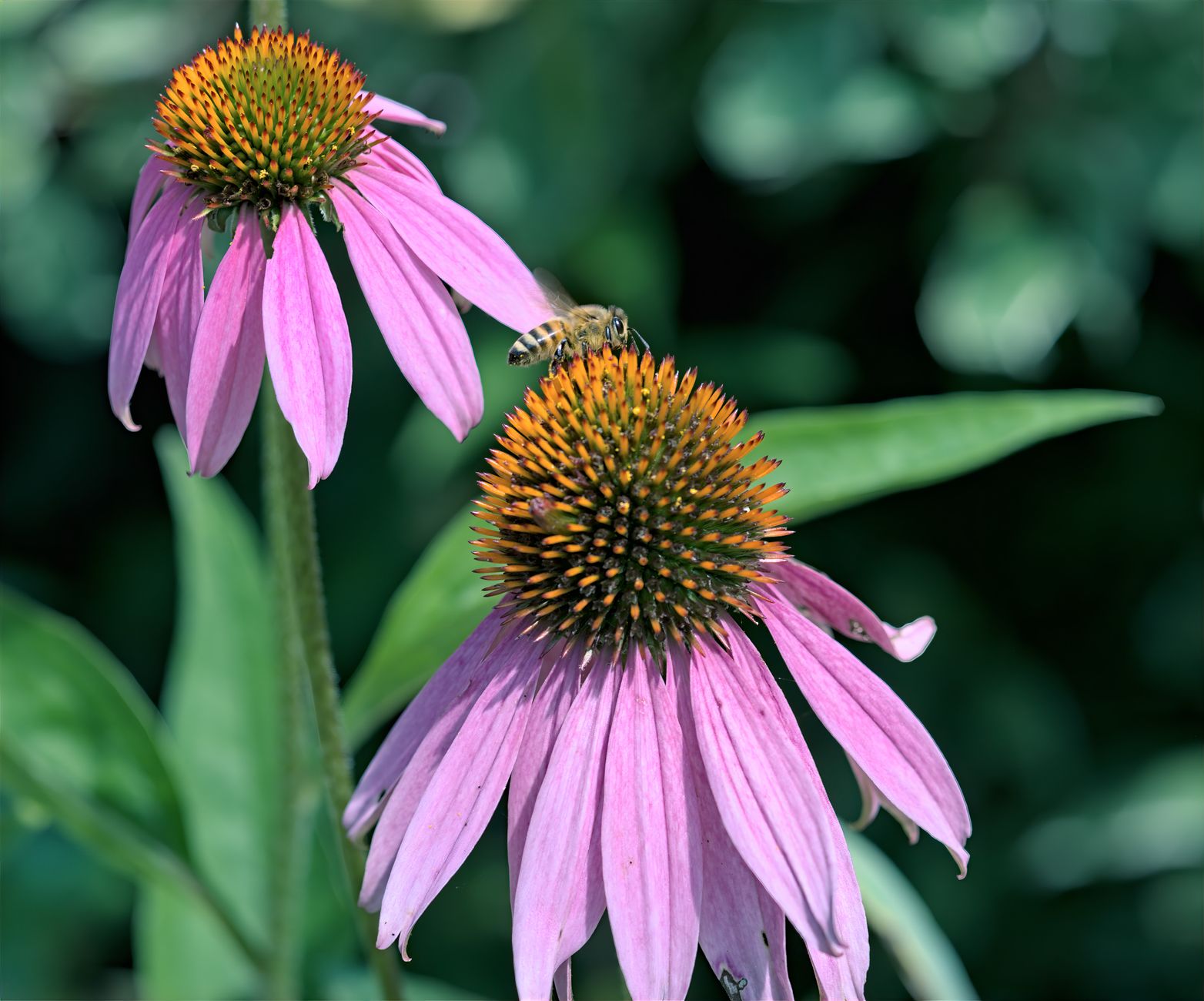
A Wildflower with Deep Roots in Healing Tradition Few herbs carry the kind of quiet authority that Echinacea purpurea does. With its striking purple petals and bold, spiky center, it's as beautiful to look at as it is powerful to use. Long before it became a staple of herbal medicine cabinets and wellness shops, this radiant flower was growing wild across the central and eastern regions of North America. Its echinacea purpurea native range stretches from the open prairies of the Great Plains to the woodland edges of the eastern United States — places where Indigenous peoples first recognized its remarkable healing potential. Nations including the Cheyenne, Sioux, and Comanche used parts of the plant to treat everything from toothaches and sore throats to snakebites and infections. This centuries-long tradition of use is not a footnote in herbal history — it's the very foundation upon which modern echinacea research is built. What Makes Echinacea Purpurea So Special? Echinacea purpurea is one of several species in the echinacea genus, but it's arguably the most widely studied and widely used. It's worth pausing to understand what sets it apart — especially if you've ever wondered about echinacea purpurea vs echinacea angustifolia , its close cousin. Echinacea angustifolia has a narrower leaf, a more concentrated root, and has historically been favored in traditional Western herbalism. Echinacea purpurea, on the other hand, is more vigorous in growth, more accessible in cultivation, and has been the subject of far more clinical research. The aerial parts — including the flowers, leaves, and stems — are commonly used in echinacea purpurea extract preparations, while the echinacea purpurea root carries its own distinct profile of active compounds. Together, they offer a comprehensive herbal ally that works on multiple levels in the body. The key active constituents include: Alkylamides — compounds that directly interact with the immune system Polysaccharides — complex sugars that stimulate immune cell activity Caffeic acid derivatives (like cichoric acid) — potent antioxidants Glycoproteins — compounds that may support immune modulation Echinacea Purpurea Benefits: What the Research Says The conversation around echinacea purpurea benefits is rich, nuanced, and growing. While it would be dishonest to call any single herb a cure-all, echinacea has earned a well-deserved reputation as one of the most effective immune-supportive plants available to us. Studies have shown that echinacea preparations can reduce the duration of the common cold, lessen the severity of symptoms, and may even reduce the likelihood of developing an upper respiratory infection in the first place. A landmark meta-analysis published in The Lancet Infectious Diseases found that echinacea use was associated with a 58% reduction in cold incidence and a 1.4-day reduction in cold duration. Beyond immune support, research points to several other compelling areas: Anti-inflammatory action — echinacea may help calm systemic inflammation, which underlies many chronic conditions Antioxidant properties — the plant's caffeic acid derivatives neutralize harmful free radicals Antiviral activity — some compounds appear to interfere with viral replication Wound healing support — topical preparations have historically been used to speed skin healing These benefits apply broadly, but there's also growing interest in echinacea purpurea benefits for men specifically. Some preliminary research suggests that its anti-inflammatory properties may support prostate health, while its immune-modulating effects are equally relevant across all demographics. Men who spend time in high-stress environments, travel frequently, or engage in intense physical training may find echinacea particularly supportive during demanding seasons. Growing Your Own: Seeds, Height, and Garden Beauty One of the most delightful things about echinacea purpurea is that it's not just a medicinal herb — it's a genuinely gorgeous garden plant. If you've ever considered growing your own, there's never been a better time to start. Echinacea purpurea seeds are widely available and relatively easy to germinate. They benefit from a period of cold stratification before planting, which mimics the natural winter dormancy they'd experience in the wild. Starting seeds indoors six to eight weeks before the last frost, or direct sowing in autumn, both yield reliable results. Once established, echinacea is impressively hardy. It's drought-tolerant, deer-resistant, and thrives in full sun with well-drained soil. And when people ask about echinacea purpurea height , they're often pleasantly surprised — mature plants typically reach between 2 and 5 feet tall, making them a striking vertical element in any perennial garden. For those who want to grow a particularly showstopping variety, echinacea purpurea 'Magnus' is a standout cultivar. Recognized by the Perennial Plant Association as Plant of the Year, Magnus produces extra-large, deep rose-purple blooms with a more horizontal petal arrangement than the standard species. It's a pollinator magnet and a visual feast from midsummer through fall. Of course, if you're looking for echinacea purpurea for sale in its prepared herbal form rather than as a plant, high-quality extracts, tinctures, and dried herbs are the way to go — and we'll talk about that more in a moment. Preparation Methods: How to Use Echinacea Effectively Knowing how to prepare and use echinacea is just as important as knowing why to use it. The herb is versatile, and different preparations suit different needs and preferences. Tinctures and liquid extracts are among the most bioavailable forms of echinacea purpurea extract. A tincture made from fresh or dried plant material in an alcohol base preserves a broad spectrum of active compounds and is quickly absorbed. Most practitioners suggest using echinacea in cycles — taking it consistently at the first sign of illness or for several weeks during cold and flu season, then taking a break before resuming. Teas and infusions offer a gentler, more ritual-oriented approach. Dried echinacea flowers and leaves can be steeped in hot water for 10 to 15 minutes, producing a mildly earthy, slightly tingly brew. That characteristic tingling on the tongue is actually a sign of the alkylamides at work — and a useful indicator of quality. Echinacea purpurea root preparations tend to be more concentrated and are often used when a stronger immune response is desired. The root can be decocted (simmered rather than steeped) for a more potent extraction. Some herbalists prefer root-based preparations for longer-term use, while others rotate between root and aerial part preparations depending on the season. Capsules and standardized extracts offer convenience and dosing consistency. These are a practical choice for people who want the benefits of echinacea without the preparation time. When choosing a capsule product, look for standardization to key compounds like cichoric acid or alkylamides. Echinacea and the Art of Seasonal Wellness In the world of herbal wellness , timing and intention matter enormously. Echinacea purpurea fits beautifully into a seasonal approach to health — one that honors the rhythms of nature and anticipates the body's changing needs throughout the year. Many herbalists and naturopathic practitioners recommend beginning an echinacea protocol in late summer or early autumn, just as the seasons begin to shift and immune vulnerability tends to increase. Using echinacea proactively — before illness sets in — is often more effective than waiting until you're already run down. There's also a philosophy in herbal medicine that values whole plant synergy — the idea that the full spectrum of compounds in a plant work together more effectively than any isolated ingredient. This is one reason why high-quality, minimally processed echinacea preparations are preferred by many experienced herbalists over highly refined extracts. Echinacea also pairs beautifully with other immune-supportive herbs. Elderberry, astragalus, and andrographis are frequent companions in wellness protocols designed for seasonal resilience. Each herb brings its own mechanisms and strengths, and together they create a layered, multi-faceted approach to keeping the immune system humming. A Few Considerations Before You Begin Echinacea purpurea is generally considered safe for most adults when used appropriately. That said, a few considerations are worth keeping in mind as you begin incorporating it into your wellness routine. People with autoimmune conditions should consult with a healthcare provider before using echinacea, as its immune-stimulating properties could theoretically exacerbate certain conditions. Individuals with allergies to plants in the daisy family (Asteraceae) should also exercise caution, as cross-reactivity is possible. Short-term use — typically up to 8 to 10 weeks at a time — is well-supported by available safety data. Extended continuous use beyond that timeframe is less studied, which is one reason cyclical use is commonly recommended. Echinacea is not typically recommended during pregnancy or breastfeeding without professional guidance. As with any herbal supplement, quality matters enormously. Choosing products from reputable sources that prioritize transparent sourcing, proper identification of plant species, and quality testing is essential to getting real results. Bring Echinacea Purpurea into Your Wellness Practice If this deep, beautiful plant has sparked something in you — a curiosity, a desire to reconnect with time-honored healing traditions, or simply a wish to feel more supported heading into the colder months — we'd love to help you take the next step. At Societe , we're passionate about offering thoughtfully sourced, high-quality herbal preparations that you can trust. You can explore our Echinacea purpurea offering directly at societeapothecary.com/product/echinacea-purpurea/ — crafted with the care and intention this remarkable herb deserves. We invite you to make it part of your seasonal wellness ritual and experience the difference that quality herbalism can make. Three Echinacea Recipes to Try at Home Echinacea Immune-Boosting Tea 1 tablespoon dried echinacea purpurea root 1 tablespoon dried echinacea purpurea leaves 1 teaspoon dried peppermint leaves 1 teaspoon dried lemon balm leaves 2 cups boiling water Honey or lemon (optional, to taste) Combine the echinacea root and leaves, peppermint, and lemon balm in a teapot or heat-safe container. Pour boiling water over the herbs and cover, allowing the mixture to steep for 15-20 minutes. Strain the tea into a cup, discarding the herbs. Add honey or lemon if desired, and enjoy the soothing warmth. Echinacea Herbal Syrup 1 cup dried echinacea purpurea root 4 cups water 1 cup raw honey 1 teaspoon cinnamon powder 1 teaspoon freshly grated ginger Place the echinacea root, cinnamon, and ginger in a saucepan and cover with water. Bring to a gentle boil, then reduce heat and simmer until the liquid reduces by half (about 30-40 minutes). Strain the mixture into a clean jar, pressing the roots to extract all the liquid. Stir in the raw honey while the liquid is still warm, mixing until fully incorporated. Seal the jar and store in the refrigerator, taking a teaspoon daily when needed. Echinacea-Infused Honey 1 cup dried echinacea purpurea petals 1 cup raw honey A clean, dry jar with a tight-fitting lid Fill the jar with dried echinacea petals, leaving about an inch of space at the top. Pour raw honey over the petals, ensuring they are fully submerged and the jar is filled. Stir gently to remove any air bubbles and seal the jar tightly. Let the honey infuse for 4-6 weeks in a cool, dark place, shaking gently every few days. Strain out the petals if desired, or leave them in for a more robust flavor, using the honey as a sweetener or a soothing throat remedy. Always consul