Digestive Bitters: How to Make Them at Home + 10 Recipes
Société Team
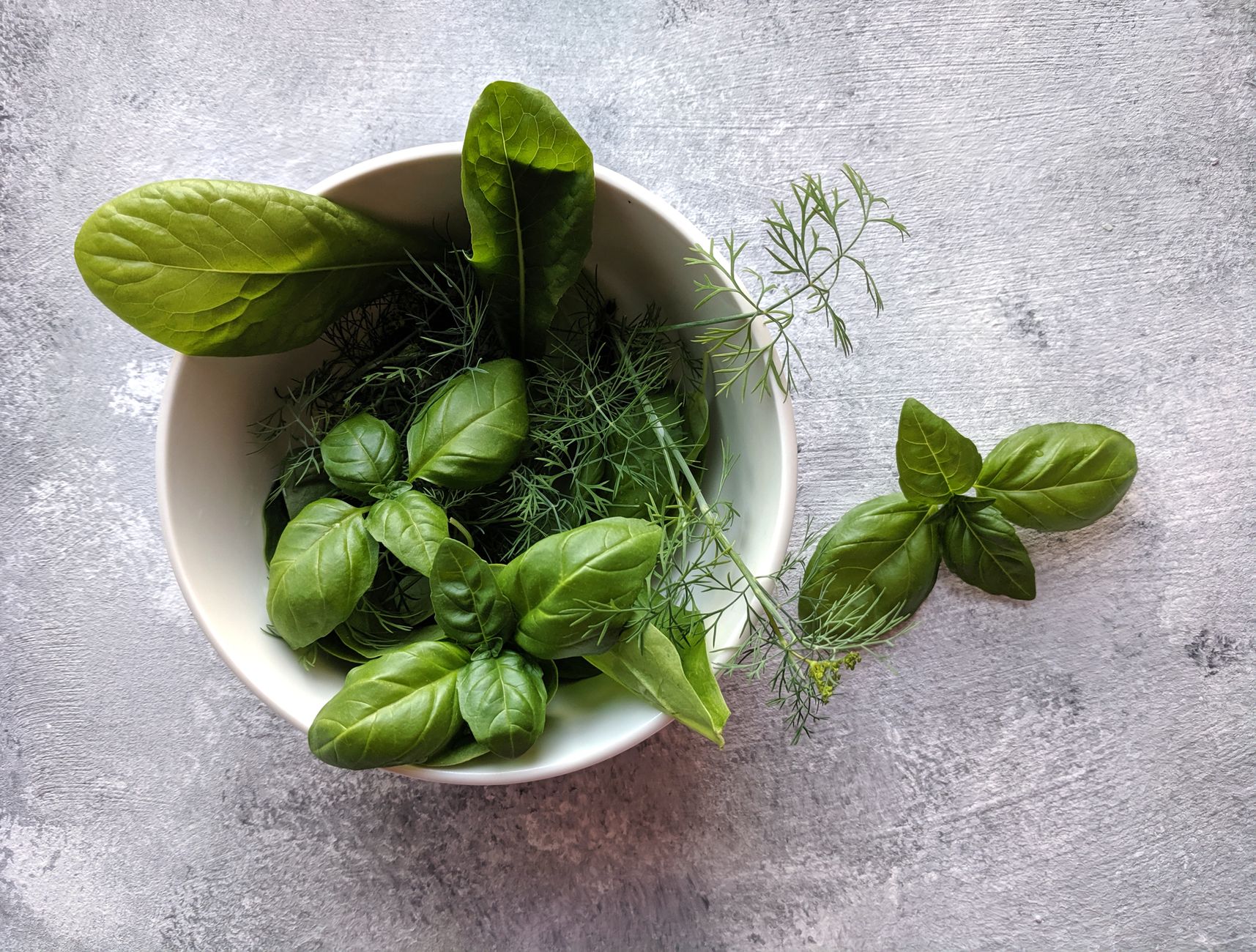
What Are Digestive Bitters, and Why Should You Make Them? Digestive bitters are herbal preparations — typically tinctures — made by macerating bitter-tasting roots, barks, peels, and leaves in alcohol or vegetable glycerin. They have been used for centuries across cultures to stimulate digestion, ease bloating, and encourage the body's natural enzyme production. The bitter taste itself is the medicine. When bitter compounds touch your taste receptors, they trigger a cascade of digestive juices — stomach acid, bile, and pancreatic enzymes — that prime your gut for a meal. Think of bitters as a wake-up call for your entire digestive system. Late summer is honestly the perfect time to start making your own. Gardens are overflowing with fresh herbs, citrus zest is easy to source, and the slower pace of the season gives you space to experiment in the kitchen. Digestive Bitters Ingredients: What Goes Into Them A solid homemade bitters recipe is built on a few key categories of botanicals: Bitter roots and barks: dandelion root, burdock root, gentian, yellow dock, angelica root Aromatic herbs: fennel seed, cardamom, ginger, cinnamon, cloves Citrus peels: orange, lemon, grapefruit (dried or fresh) Digestive herbs: chamomile, peppermint, lemon balm, artichoke leaf, milk thistle Your base liquid is equally important. High-proof alcohol (vodka, brandy, or rye whiskey at 40–50% ABV) extracts the widest range of plant compounds and preserves the finished product beautifully. For an alcohol-free version, food-grade vegetable glycerin diluted with distilled water (roughly 60/40) works well, though extraction is gentler. The Basic Homemade Bitters Method The core process for any homemade digestive bitters recipe is simple: macerate, wait, strain, and bottle. Here is the foundational method you will apply across all 10 recipes below. Step 1 — Combine herbs and base. Place your dried botanicals in a clean glass jar. Pour your chosen alcohol or glycerin mixture over the top, making sure all plant material is fully submerged. Step 2 — Macerate. Seal the jar tightly and store it in a cool, dark place. Shake once daily. Most bitters need 2–4 weeks to fully extract. Roots and barks take longer (4 weeks); delicate flowers and aromatic herbs are often ready in 2 weeks. Step 3 — Strain. Pour the mixture through a fine-mesh strainer lined with cheesecloth. Squeeze the plant material firmly to extract every last drop. Step 4 — Bottle and label. Transfer your finished bitters into dark glass dropper bottles or small swing-top bottles. Label with the date and ingredients. Dosing: The standard serving for bitters for digestion is 1–2 dropperfuls (roughly ¼–½ teaspoon) in a small amount of still or sparkling water, taken 15–20 minutes before meals. You can also add them to a digestive bitters cocktail or soda water for a pleasant after-dinner drink. Storage life is typically 2–5 years for alcohol-based bitters stored away from heat and light. --- ⭐ Featured Recipe: Classic Late-Summer Orange & Dandelion Bitters This is the herbal bitters recipe to start with if you are new to the craft. Dandelion root is one of the most time-honored bitters for digestion — it gently stimulates bile flow and supports the liver, making fatty meals easier to process. Paired with sweet orange peel, warming ginger, and a whisper of cardamom, these bitters smell like late summer in a bottle: bright, earthy, and a little spicy. Ingredients: - 2 tablespoons dried dandelion root, coarsely chopped - 1 tablespoon dried orange peel (or zest of 2 fresh oranges, white pith removed) - 1 teaspoon fresh ginger, thinly sliced (or ½ teaspoon dried) - ½ teaspoon cardamom pods, lightly crushed - ½ teaspoon fennel seeds - ¼ teaspoon dried chamomile flowers - 1 cup high-proof vodka or brandy (40–50% ABV) Instructions: 1. Combine all botanicals in a clean 8 oz glass jar. 2. Pour the vodka or brandy over the herbs, ensuring everything is fully submerged by at least ½ inch of liquid. Add a small splash more if needed. 3. Seal the jar and shake vigorously for 30 seconds. 4. Store in a cool, dark cupboard for 3–4 weeks , shaking once daily. After 2 weeks, taste a small drop on your tongue — the liquid should taste distinctly bitter with a warm, citrusy finish. At 3–4 weeks, the color will deepen to a rich amber-gold. 5. Strain through a cheesecloth-lined mesh strainer into a clean measuring cup, squeezing the plant bundle firmly. 6. Pour into dark glass dropper bottles and label with the date. Serving suggestions: Add 2 dropperfuls to a glass of sparkling water with a slice of orange for a beautiful digestive aperitif. These also shine in an Old Fashioned-style digestive bitters cocktail with rye whiskey and a cube of sugar. Storage: Keeps for up to 4 years in a cool, dark location. Variations: - Swap orange peel for grapefruit peel for a more intensely bitter, floral result. - Replace vodka with apple cider vinegar for a completely alcohol-free version (use within 6 months). --- 10 Digestive Bitters Recipes to Try at Home 1. Gentian Root & Ginger Bitters (Classic Digestive Tincture) Gentian is one of the most bitter substances found in nature — a little goes a very long way in this digestive bitters tincture recipe . Ingredients: - 1 teaspoon dried gentian root - 1 tablespoon fresh ginger slices - ½ teaspoon fennel seed - 1 cup high-proof vodka Instructions: 1. Combine all ingredients in a 4 oz jar. 2. Macerate for 3–4 weeks, shaking daily. 3. Strain and bottle. Use 1 dropperful before meals. --- 2. Artichoke Leaf & Lemon Bitters Artichoke leaf is rich in cynarin, a compound shown to stimulate bile production and ease sluggish digestion. Ingredients: - 2 tablespoons dried artichoke leaf - Zest of 1 lemon (dried) - ½ teaspoon dried peppermint - 1 cup brandy Instructions: 1. Combine in a jar and cover with brandy. 2. Macerate 3–4 weeks, shaking daily. 3. Strain, bottle, and take 1–2 dropperfuls before meals. --- 3. Chamomile & Fennel Gentle Bitters Perfect for sensitive stomachs, this herbal digestive bitters recipe is mild yet effective, especially for gas and bloating. Ingredients: - 2 tablespoons dried chamomile flowers - 1 tablespoon fennel seed - 1 teaspoon dried lemon balm - 1 cup vodka Instructions: 1. Combine in a jar and cover with vodka. 2. Macerate for 2 weeks (chamomile extracts quickly). 3. Strain and bottle. Excellent stirred into warm water after meals. --- 4. Burdock Root & Cardamom Bitters Burdock root is a gentle liver tonic with mild bitterness, making this a wonderfully balanced formula. Ingredients: - 2 tablespoons dried burdock root - ½ teaspoon cardamom pods, crushed - ½ teaspoon dried orange peel - 1 cup rye whiskey Instructions: 1. Combine all in a jar, cover with rye whiskey. 2. Macerate for 4 weeks, shaking daily. 3. Strain, bottle, and enjoy in sparkling water or cocktails. --- 5. Grapefruit & Milk Thistle Liver Bitters Milk thistle seed supports liver function, and grapefruit peel brings bold, refreshing bitterness to this bright formula. Ingredients: - 1 tablespoon crushed milk thistle seed - 1 tablespoon dried grapefruit peel - ½ teaspoon dandelion root - 1 cup high-proof vodka Instructions: 1. Combine in a jar, cover with vodka. 2. Macerate 3–4 weeks. 3. Strain and bottle. Take before meals or add to tonic water. --- 6. Peppermint & Yellow Dock Cooling Bitters Yellow dock is rich in anthraquinones that gently support digestive motility. Peppermint cools and soothes. Ingredients: - 1 tablespoon dried yellow dock root - 1 tablespoon dried peppermint leaf - ½ teaspoon dried ginger - 1 cup vodka Instructions: 1. Combine all ingredients in a jar. 2. Macerate for 3 weeks, shaking daily. 3. Strain and bottle. Use 1 dropperful in cold water after rich meals. --- 7. Warming Cinnamon & Angelica Root Bitters Angelica root has a naturally complex, almost bittersweet flavor that pairs beautifully with warming spices. Ingredients: - 1 tablespoon dried angelica root - 1 cinnamon stick, broken - ¼ teaspoon whole cloves - 1 cup brandy Instructions: 1. Combine in a jar, cover with brandy. 2. Macerate for 4 weeks. 3. Strain and bottle. Wonderful in a warming winter-style digestive cocktail even in late summer. --- 8. Alcohol-Free Glycerin Bitters (for Digestion Without Alcohol) This gentle digestive bitters tincture recipe uses vegetable glycerin — ideal for those avoiding alcohol. Ingredients: - 1 tablespoon dried dandelion root - 1 teaspoon dried orange peel - ½ teaspoon fennel seed - ¾ cup food-grade vegetable glycerin - ¼ cup distilled water Instructions: 1. Combine glycerin and water, then pour over herbs in a jar. 2. Macerate for 4–6 weeks (glycerin extracts more slowly), shaking daily. 3. Strain well and bottle. Use within 12–18 months. Take 1–2 dropperfuls before meals. --- 9. Lemon Balm & Chamomile Stress-Digestion Bitters Stress is one of the biggest disruptors of digestion. This calming formula addresses both at once. Ingredients: - 2 tablespoons dried lemon balm - 1 tablespoon dried chamomile - ½ teaspoon dried lavender buds - 1 cup vodka Instructions: 1. Combine in a jar, cover with vodka. 2. Macerate for 2–3 weeks. 3. Strain, bottle, and take 1 dropperful before stressful meals or meetings. --- 10. Five-Spice Inspired Digestive Bitters Cocktail Blend This bold, complex formula is designed specifically as a digestive bitters cocktail base — it transforms sparkling water or rye whiskey into something truly special. Ingredients: - 1 tablespoon dried orange peel - ½ teaspoon star anise - ½ teaspoon fennel seed - ¼ teaspoon Sichuan peppercorn - ¼ teaspoon cinnamon chips - ½ teaspoon dandelion root - 1 cup rye whiskey Instructions: 1. Combine all in a jar, cover with rye whiskey. 2. Macerate for 3 weeks, shaking daily. 3. Strain and bottle. Add 2 dropperfuls to soda water, tonic, or your favorite whiskey cocktail. --- Tips for Getting the Best Results from Your Bitters A few small habits make a significant difference in the quality of your finished homemade bitters . Use dried herbs for most recipes — fresh plant material introduces water, which dilutes alcohol strength and can encourage mold. Label everything with the start date, herbs used, and base liquid. Future you will be grateful. Taste weekly after the first two weeks. Trust your palate — if the bitterness is where you want it, strain early. Start with a light hand on dosing. One dropperful is plenty for most people. You can always increase gradually. For the best digestive bitters recipe results, source your botanicals from a trusted, quality supplier whenever possible. Freshness and ethical sourcing of dried herbs matters enormously for both potency and safety. A Note on Safety While the herbs in these recipes have long histories of traditional use and are generally considered safe for most healthy adults, this post is not medical advice . Some herbs — including gentian, angelica, and yellow dock — are not recommended during pregnancy or for those with certain health conditions such as gallstones or gastroesophageal reflux disease. Bitters can interact with some medications. Please consult a qualified herbalist or healthcare practitioner before incorporating new herbal preparations into your routine, especially if you are pregnant, nursing, managing a chronic condition, or taking prescription medications. Explore More at Societe Apothecary Ready to stock your herbal pantry and start crafting? Visit societeapothecary.com to browse a thoughtfully curated collection of dried herbs, botanicals, and apothecary supplies perfect for your bitters-making journey. We would love to be part of your herbal practice — come say hello and find everything you need to get started.