Cramp Bark: Materia Medica
Société Apothecary
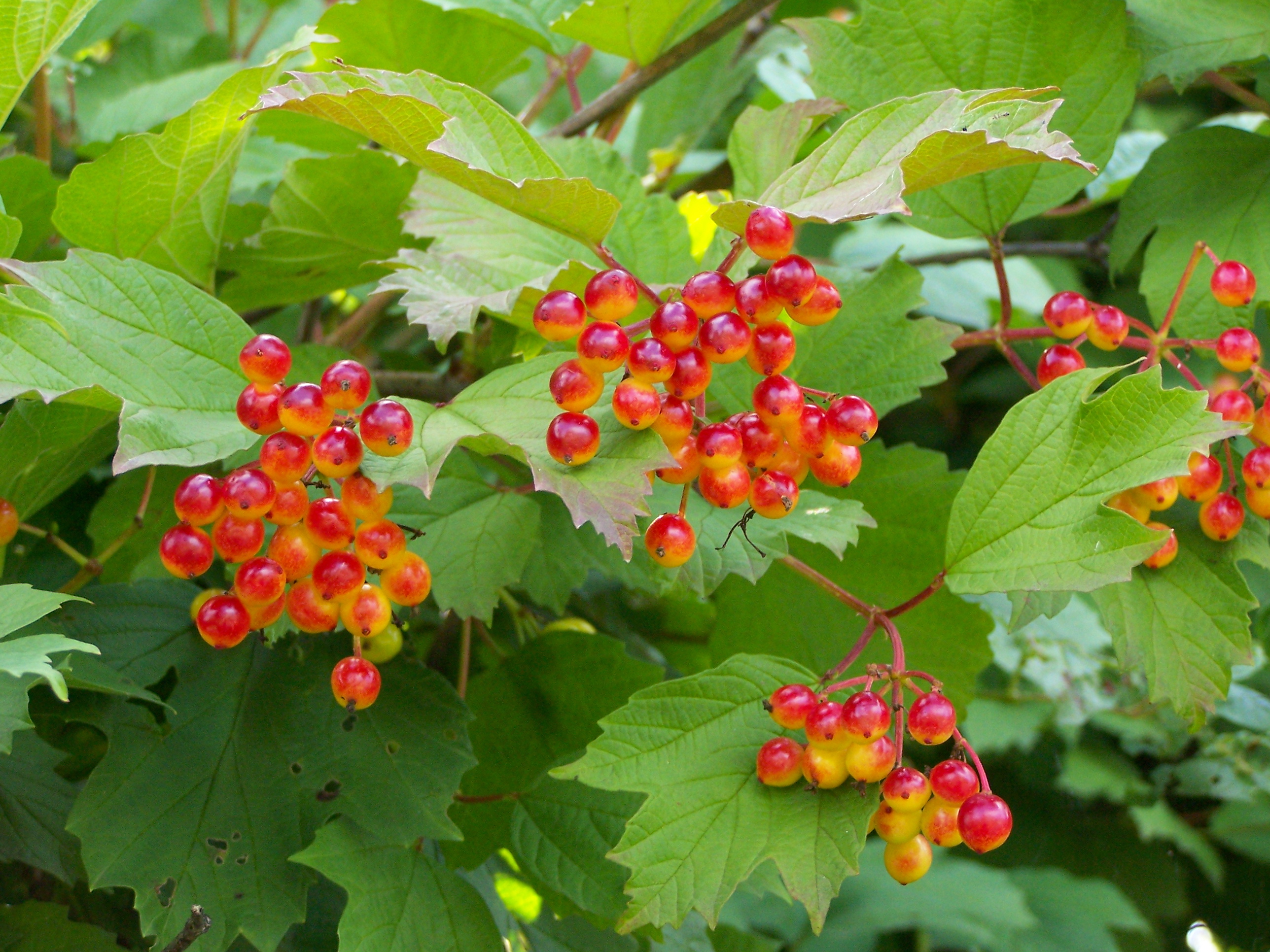
Cramp Bark: Materia Medica Cramp Bark is a soothing and reliable herb for easing spasms, especially in smooth muscle tissue. Traditionally used by Native American and European herbalists, it shines in formulas for menstrual pain, muscle tension, and nervous system overstimulation. “Cramp Bark loosens the grip of pain—easing tightness, calming nerves, and restoring flow.” MATERIA MEDICA Latin Binomial: Viburnum opulus Common Name(s): Cramp Bark, Guelder Rose, Highbush Cranberry (not a true cranberry) TCM Name: Not traditionally used Ayurvedic Name: No direct analog, but similar to Ashoka in menstrual use Family: Adoxaceae (formerly Caprifoliaceae) Physical Description of the Plant: A deciduous shrub with lobed, maple-like leaves, clusters of white flowers, and bright red berries. Bark is grayish-brown and relatively smooth on younger stems. Habitat: Native to Europe, North Africa, and parts of Asia. Naturalized in North America and prefers moist, wooded habitats and streambanks. Harvest and Collection: The bark is harvested in early spring or fall from young branches. It should be dried thoroughly and stored in airtight containers. Parts of the Plant Used: Bark (dried); not to be confused with berries, which are mildly toxic raw Qualities: Bitter, slightly astringent Energetics: Cooling, drying, relaxing Chemical Constituents: Coumarins (scopoletin) Salicylates Valerenic acid (trace) Flavonoids Tannins Volatile oils Actions: Antispasmodic Nervine (mild) Uterine relaxant Analgesic (mild) Astringent Muscle relaxant Indications: Menstrual cramps and uterine spasm PMS-related tension and low back pain Smooth muscle spasm (intestinal, bronchial, gallbladder) Muscle tension and general body aches Threatened miscarriage (historically, under supervision) Stress-related tension and neuralgia Diagnostic Picture: Cramp Bark suits individuals with tension held in the body—especially when nerves and emotions heighten physical pain. Excellent for uterine and pelvic tension, anxiety-induced spasms, or a “tight and trembling” state. Contraindications/Cautions: Avoid in early pregnancy unless under qualified supervision (traditionally used later in pregnancy for spasm prevention) May interact with blood-thinners (due to coumarin content) Not to be used as a primary abortifacient—traditionally used to prevent miscarriage Drug Interactions: Use caution with anticoagulant medications (theoretical due to coumarins and salicylates) Dosage: Tincture: 2–5 mL, up to 3x daily (during acute cramping or tension) Decoction: 1 tsp dried bark per cup; simmer 15–20 min; take 1/2–1 cup up to 3x/day Capsules: 300–500 mg extract, 1–2x/day (less common than tincture) Combinations: With Black Cohosh or Motherwort for menstrual and perimenopausal pain With Valerian or Skullcap for nervous tension and muscle cramping With Ginger or Cinnamon for warming uterine flow With Wild Yam for digestive or gallbladder colic Folklore: Cramp Bark was used by various Native American tribes as a remedy for cramps, pain, and afterbirth pains. In European folklore, the Guelder Rose (Cramp Bark’s other name) was a symbol of protection and sacred femininity, sometimes planted to guard homes or burial grounds. Applications: Cramp Bark is a go-to herb for menstrual cramps, muscle spasms, and nervous system imbalances that manifest in the body. It is ideal for acute pain or preemptively in formulas for PMS and tension-related disorders. Recipes: Menstrual Cramp Formula Cramp Bark tincture Black Cohosh Ginger Take every 3–4 hours at onset of cramps Muscle Tension Tea Cramp Bark Skullcap Chamomile Drink warm as needed for tight shoulders or back Calming Belly Blend Cramp Bark Wild Yam Fennel For stress-induced GI spasm and bloating Scientific Research: Cramp Bark’s antispasmodic effects are linked to its coumarin and salicylate content, which relax smooth muscle and reduce pain. Clinical research is limited, but traditional and empirical use supports its role in treating muscle and menstrual cramps effectively. References: Hoffmann, D. “Medical Herbalism” Mills & Bone “Principles and Practice of Phytotherapy” Eclectic Materia Medica, King’s Dispensatory PubMed articles on Viburnum opulus Earthwise Herbal, Matthew Wood Check out our cramp bark products Three Cramp Bark Recipes to Try at Home Cramp Bark Herbal Tea 1 tablespoon dried cramp bark 2 cups water Honey or lemon (optional) Bring the water to a gentle boil in a small saucepan. Add the dried cramp bark and reduce the heat to a simmer. Let it simmer for about 10-15 minutes. Strain into a mug and add honey or lemon to taste, if desired. Sip slowly to help relieve muscle tension. Cramp Bark Tincture 1 cup dried cramp bark 2 cups 80-proof vodka or brandy Glass jar with lid Place the cramp bark in a clean glass jar. Pour the vodka or brandy over the bark, ensuring it is fully submerged. Seal the jar with a lid and store it in a cool, dark place for 4-6 weeks, shaking it gently every few days. After the infusion period, strain the liquid through a fine mesh or cheesecloth into a dark glass bottle. Use 1-2 droppers full as needed, up to three times a day. Cramp Bark Massage Oil 1/2 cup dried cramp bark 1 cup carrier oil (such as olive or almond oil) Glass jar with lid Place the dried cramp bark in the glass jar. Pour the carrier oil over the bark, ensuring it is completely covered. Seal the jar and let it infuse in a warm, sunny spot for 2-4 weeks, shaking occasionally. Strain the oil through a cheesecloth into a clean bottle. Massage onto sore muscles to ease tension and discomfort. Always consult a qualified healthcare practitioner before starting any new herbal regimen, especially if you have existing health concerns or are pregnant.