Coriander Seed: Ancient Wisdom, Modern Wellness, and Everything In Between
Société Team
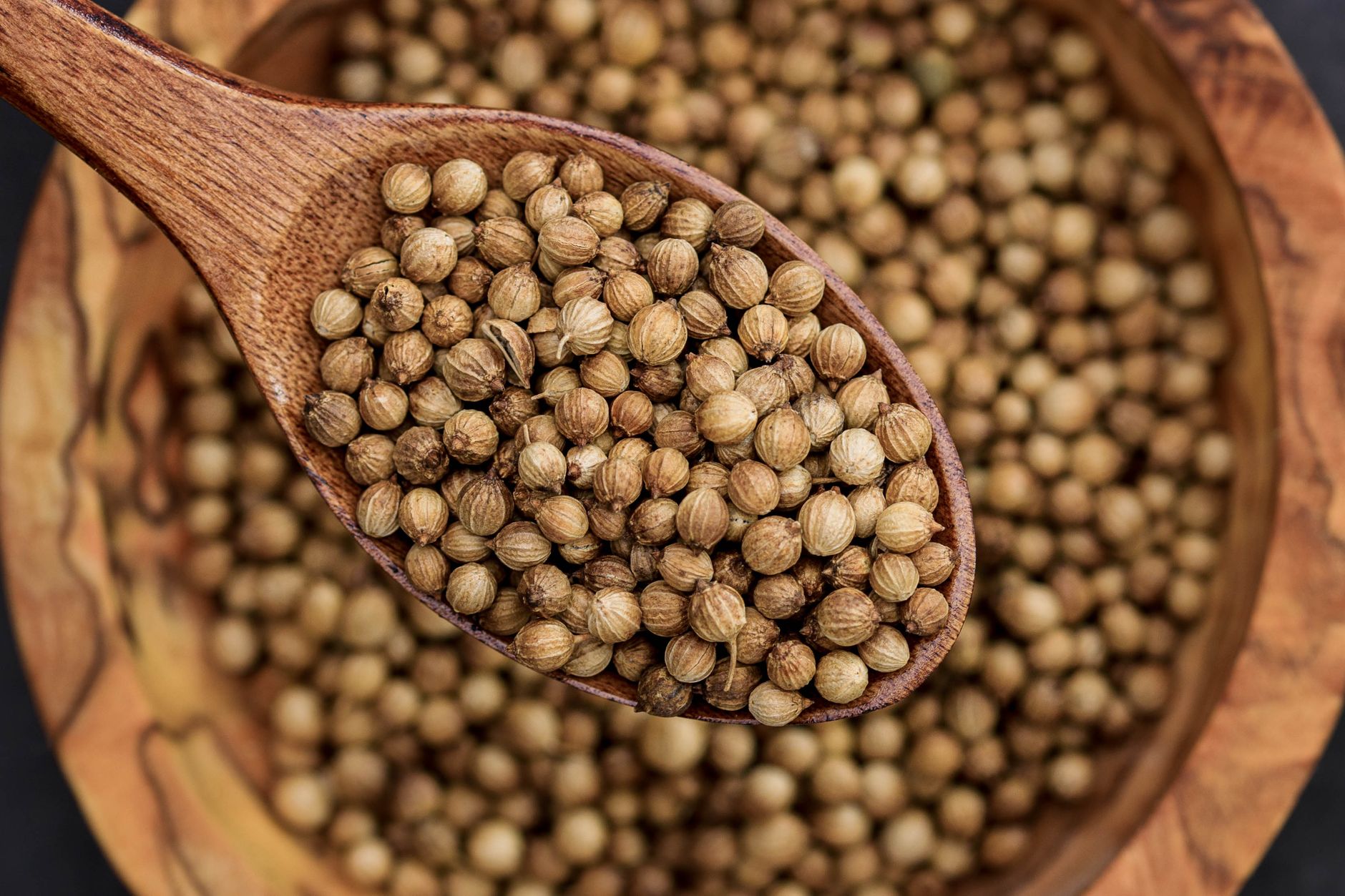
A Spice That Has Stood the Test of Time Few spices carry as much history in such a tiny package as the coriander seed. Dating back over 7,000 years, coriander ( Coriandrum sativum ) is one of the oldest recorded herbs in human history, found in ancient Egyptian tombs and referenced in Sanskrit texts. In Spanish-speaking cultures, coriander seeds are known as semillas de cilantro — a name that reflects just how deeply this plant is woven into global culinary traditions. Whether you call them coriander seeds in Hindi ( dhania ), Spanish, or English, they carry the same warming, citrus-kissed character the world has come to love. Today, coriander seeds are experiencing a well-deserved renaissance in wellness circles, valued not just as a pantry staple but as a genuinely powerful botanical ally. --- What Exactly Is a Coriander Seed? While many people are familiar with fresh cilantro leaves, the coriander seed is actually the dried fruit of the same plant — and it tastes completely different. Where the leaves are bright and herbaceous (famously polarizing!), the seeds are warm, nutty, and gently citrusy. The seeds are small, round, and golden-brown when dried, and they contain a complex blend of volatile oils, antioxidants, and phytochemicals that give them their distinctive character. You can find them whole or pre-ground in most grocery stores — a quick search for coriander seeds near me will usually reveal them at your local health food shop, spice market, or even coriander seeds at Walmart in the international foods aisle. When you crack a whole seed between your fingers, the aroma that blooms is something genuinely special — warm, slightly floral, with a hint of lemon peel. --- Traditional Uses Across Cultures Coriander seeds have played a central role in healing traditions across Asia, the Middle East, Europe, and the Americas for millennia. This is a spice that has earned its place in both the kitchen and the apothecary. In Ayurvedic medicine , coriander seeds are considered tridoshic — meaning they are believed to balance all three doshas (Vata, Pitta, and Kapha). They were traditionally used to support digestion, cool inflammation, and calm the nervous system. In Traditional Chinese Medicine , coriander was used to promote healthy digestion and support the movement of qi. Ancient Greek and Roman physicians, including Hippocrates, recommended it as a medicinal herb. Across the Middle East and North Africa , coriander seeds have been used in remedies for thousands of years — ancient Egyptians even placed them in tombs as offerings. In Indian culinary and Ayurvedic traditions, dhania (the coriander seed in Hindi) remains one of the most essential healing spices used daily. Some key traditional applications have included: Supporting digestive comfort after meals Calming bloating, gas, and cramping Cooling the body during fevers Promoting restful sleep and reducing anxiety Supporting urinary tract health This is a spice that human beings have trusted for a very long time — and modern research is increasingly vindicating that trust. --- Coriander Seed Benefits: What the Research Says One of the most exciting things about coriander seeds is that their traditional reputation is now being supported by a growing body of scientific research. The coriander seed benefits extend across several body systems, making this one of nature's most well-rounded botanical remedies. Digestive Support This is where coriander seeds truly shine. They have long been celebrated as a carminative herb — meaning they help relieve gas, bloating, and digestive discomfort. Research suggests that the volatile oils in coriander seeds (particularly linalool) help stimulate digestive enzyme production and ease gut spasms. If you've ever felt that uncomfortable post-meal heaviness, a warm cup of coriander seed tea is one of the gentlest and most time-honored remedies you can reach for. Blood Sugar Balance Several studies have pointed to coriander's potential role in supporting healthy blood sugar levels. Animal studies have shown that coriander seed extracts may help stimulate insulin secretion and improve glucose metabolism — a finding that's generating real interest in metabolic wellness research. Antioxidant and Anti-Inflammatory Properties Coriander seeds are rich in flavonoids and phenolic compounds, including quercetin and tocopherols, which are powerful antioxidants. These compounds help neutralize free radicals and support the body's natural anti-inflammatory responses. Chronic, low-grade inflammation is increasingly understood to be at the root of many modern health challenges — making antioxidant-rich herbs like coriander a valuable part of any wellness practice. Heart and Cholesterol Health Some research suggests that coriander seeds may support healthy cholesterol levels by promoting the excretion of LDL cholesterol while potentially supporting HDL levels. Their diuretic properties may also help support healthy blood pressure in some individuals. Antimicrobial Activity Coriander seed oil has demonstrated antimicrobial properties in laboratory studies, showing activity against a range of bacteria and fungi. Historically, coriander was even used as a food preservative for this reason — a fascinating testament to ancient intuitive wisdom. Nervous System and Sleep Support Linalool, the primary volatile oil in coriander seeds, has been studied for its calming, anxiolytic properties. Traditional herbalists have long recommended coriander seed preparations for stress, restlessness, and difficulty sleeping — and modern pharmacology is beginning to explain why. --- How to Make Coriander Seed Tea (and Why You Should) One of the most accessible and effective ways to enjoy the benefits of coriander seeds is through a simple, soothing tea. Coriander seed tea benefits are well-documented in both traditional and contemporary herbalism, and the preparation couldn't be easier. Here's a simple method: Lightly crush 1–2 teaspoons of whole coriander seeds using a mortar and pestle or the back of a spoon (this releases their essential oils) Place the crushed seeds in a cup or small pot Pour over 1–2 cups of freshly boiled water Steep for 8–10 minutes, covered (covering the cup helps retain volatile oils) Strain and enjoy warm The resulting tea is gentle and pleasant — mildly citrusy, slightly earthy, and naturally soothing. Many people find it especially helpful after heavy meals or in the evening when they want to unwind. You can also combine coriander seed tea with complementary herbs like fennel seeds, ginger, or cardamom for a warming digestive blend. Honey pairs beautifully with it as a natural sweetener. Coriander seed tea benefits are particularly appreciated for digestive ease, gentle detoxification, and calming the nervous system before bed. It's a small ritual that can have a meaningful impact on daily wellbeing. --- Other Ways to Use Coriander Seeds Beyond tea, coriander seeds are wonderfully versatile and easy to incorporate into your wellness routine and everyday cooking. In the Kitchen Whole coriander seeds can be dry-toasted in a pan for a few minutes before grinding — this dramatically deepens their flavor and is a technique used in Indian, Middle Eastern, and Latin American cooking. Ground coriander seed is a staple in curry powders, spice rubs, pickling blends, and marinades. As a Cooking Spice Substitute If you're looking for a coriander seed substitute in a recipe, the closest options are caraway seeds or cumin, both of which share some of that warm, earthy quality — though nothing quite replicates coriander's unique citrus undertone. In a pinch, a combination of ground cumin and a small amount of lemon zest can approximate the flavor. In Herbal Preparations Coriander seeds can be infused in oil, added to herbal tinctures, or incorporated into digestive bitters. They also blend beautifully into homemade chai spice blends alongside cinnamon, cardamom, and clove. For Planting For those interested in growing their own, coriander seeds for planting are widely available and surprisingly easy to grow. Coriander prefers cool weather and well-drained soil, making it a wonderful addition to a kitchen garden or herb pot. Growing your own means having access to both the fresh leaves and the seeds at harvest — a double gift from one plant. --- Coriander Seeds and the Modern Wellness Movement In an era when so many people are turning toward natural, plant-based approaches to health, coriander seeds stand out as one of the most accessible and evidence-supported herbs you can add to your life. They are gentle enough for everyday use, affordable, widely available, and backed by both centuries of traditional wisdom and emerging modern research. Wellness practices that emphasize whole-body balance — like Ayurveda, herbalism, and integrative nutrition — have long recognized coriander seeds as a cornerstone herb. They support digestion (the foundation of so much else in the body), calm inflammation, nourish the nervous system, and offer antioxidant protection against daily oxidative stress. What makes coriander particularly special in a wellness context is its gentleness. Unlike some powerful botanicals that require careful dosing, coriander seeds are food-grade herbs with an impressive safety profile, making them accessible to almost everyone. There is something deeply grounding about reaching for the same remedy that healers across ancient Egypt, India, Greece, and China trusted — and knowing that modern science is confirming what they knew intuitively. That continuity across time and culture is part of what makes herbalism so meaningful. --- A Few Things to Keep in Mind Coriander seeds are generally very well tolerated, but as with any herb, it's worth being thoughtful about how you use them. People with allergies to plants in the Apiaceae family (which includes celery, fennel, and carrot) should introduce coriander seeds carefully If you are pregnant, nursing, or managing a health condition, it's always wise to consult with a qualified healthcare provider before significantly increasing herbal intake Coriander seeds are wonderful as a complement to — not a replacement for — professional medical care At their heart, coriander seeds are a nourishing food-herb that most people can enjoy freely and joyfully as part of a balanced lifestyle. --- Discover Coriander Seeds at Societe If you're ready to welcome coriander seeds into your herbal pantry, we'd love to help you get started. Societe offers thoughtfully sourced coriander seeds that honor both quality and tradition — you can explore and purchase them directly at societeapothecary.com/product/coriander-seed/ . At Societe, we believe that the most meaningful wellness practices are rooted in real plants, real wisdom, and real intention — and coriander seed is a beautiful place to begin. Three Coriander Seed Recipes to Try at Home Coriander Seed Digestive Tea 1 tablespoon coriander seeds 2 cups water Honey or lemon, to taste Lightly crush the coriander seeds using a mortar and pestle to release their oils. Bring the water to a boil in a small saucepan. Add the crushed coriander seeds to the boiling water, reduce the heat, and let it simmer for about 10 minutes. Strain the tea into a mug and add honey or lemon to taste for a soothing digestive drink. Coriander Seed Infused Oil 1/4 cup coriander seeds 1 cup olive oil Lightly crush the coriander seeds to release their aromatic oils. In a small saucepan, gently heat the olive oil over low heat. Add the crushed coriander seeds to the warm oil, stirring occasionally, and let it infuse for about 30 minutes. Remove from heat and allow the mixture to cool, then strain the oil into a clean glass bottle for use in dressings or drizzling over dishes. Coriander Seed Spice Blend 2 tablespoons coriander seeds 1 tablespoon cumin seeds 1 tablespoon fennel seeds 1 teaspoon black peppercorns Combine all the seeds and peppercorns in a