Cloves: The Ancient Spice with Extraordinary Healing Power
Société Team
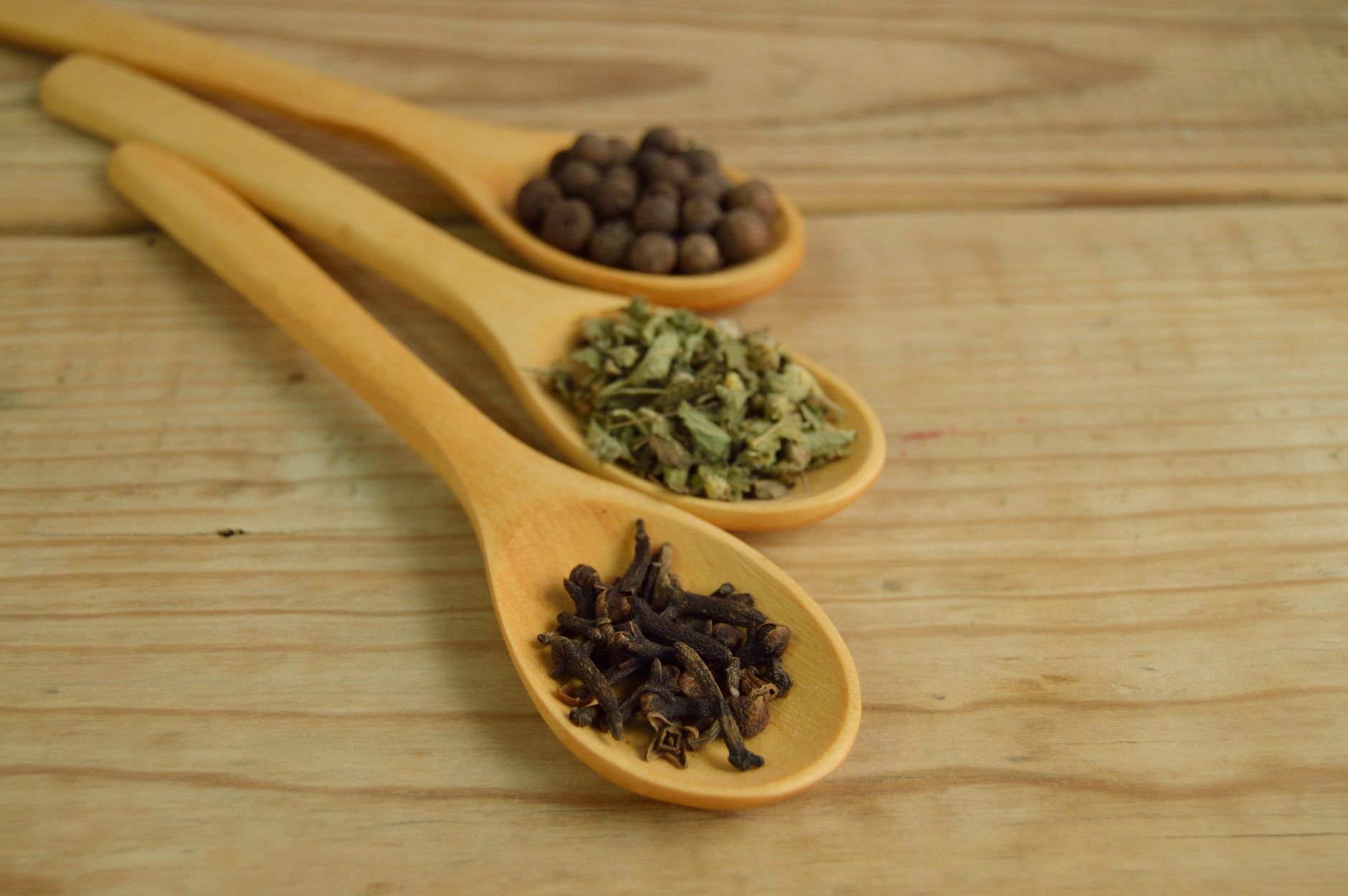
A Spice That Changed the World Few herbs carry as much history in their tiny, nail-shaped buds as cloves do. For centuries, these dried flower buds from the Syzygium aromaticum tree were so coveted that they fueled wars, inspired ocean voyages, and shaped the global spice trade. Native to the Maluku Islands of Indonesia — once known as the Spice Islands — cloves were among the most prized commodities in the ancient world. Arab traders controlled their distribution for centuries before European powers fought bitterly for dominance over their cultivation. Today, we don't have to sail across the world to access this remarkable herb. But understanding its deep roots helps us appreciate just how extraordinary this small, aromatic bud truly is. What Are Cloves, Exactly? Cloves are the dried flower buds of an evergreen tree that thrives in tropical climates. They are harvested by hand before the buds open into flowers, then sun-dried until they develop that characteristic dark, reddish-brown color. The name "clove" comes from the Latin clavus , meaning nail — which perfectly describes their distinctive shape. When you hold a clove between your fingers and inhale, you're immediately met with a warm, rich, slightly sweet, and intensely spicy aroma. That signature scent comes primarily from a compound called eugenol , which makes up roughly 70–90% of clove essential oil. Eugenol is the powerhouse behind many of cloves' most celebrated health properties, and it's the reason this herb has been used in medicine, dentistry, food, and spiritual practice for thousands of years. Traditional Uses Through the Ages The traditional use of cloves spans virtually every major civilization in recorded history. Ancient Chinese texts from as early as 200 BCE describe court officials chewing cloves to freshen their breath before addressing the emperor — an early and elegant form of oral hygiene. In Ayurvedic medicine, cloves have been used for millennia to support digestive health , warm the body, and stimulate circulation. Traditional practitioners classified cloves as a heating herb — one that stokes the digestive fire and helps move stagnant energy through the body. Across the Islamic world, cloves were incorporated into both medicine and cuisine, appearing in texts alongside other warming spices as remedies for toothache, nausea, and cold-related ailments. In Europe during the Middle Ages, cloves were so valuable they were sometimes used as currency. Physicians of the time used them to treat everything from digestive complaints to infections, and they were a key ingredient in early perfumes and plague remedies. Indigenous healing traditions in the Spice Islands themselves regarded cloves as sacred, burning them in rituals and using them in protective and purifying ceremonies. This spiritual dimension of cloves is one that many modern wellness practitioners are rediscovering today. The Remarkable Health Benefits of Cloves Modern science has spent considerable time examining what traditional healers already knew — and the research is genuinely impressive. Cloves are one of the most antioxidant-rich foods on the planet , consistently ranking at the top of ORAC (Oxygen Radical Absorbance Capacity) scores, which measure a substance's ability to neutralize free radicals. Here's a closer look at some of the most well-documented health benefits: Antimicrobial properties: Eugenol and other compounds in cloves have demonstrated strong antibacterial, antifungal, and antiviral activity in multiple studies, making cloves a natural ally for immune support. Oral health support: Cloves have long been used to relieve toothache and gum inflammation. Eugenol is actually a recognized dental analgesic used in some professional dental preparations. Digestive support: Cloves stimulate the production of digestive enzymes, helping to ease bloating, gas, nausea, and general digestive discomfort. Anti-inflammatory action: The active compounds in cloves inhibit inflammatory pathways in the body, which may support joint comfort and overall inflammatory balance. Blood sugar regulation: Emerging research suggests that cloves may help improve insulin sensitivity and support healthy blood sugar levels, making them a worthy addition to a metabolically conscious lifestyle. Liver support: Some animal studies have found that eugenol may help protect the liver from oxidative stress and support healthy liver function over time. Cloves are also a meaningful source of nutrients, providing manganese (critical for bone health and enzyme function), vitamin K, vitamin C, and small amounts of calcium and magnesium — all packed into those tiny buds. Cloves and the Nervous System One of the lesser-discussed but deeply fascinating aspects of cloves is their relationship with the nervous system. Eugenol has been shown to have mild analgesic and anesthetic properties , which is part of why cloves have such a long history of use for pain relief. Beyond direct pain management, the aromatic compounds in cloves may also have a calming effect on the nervous system. Inhaling clove essential oil has been studied for its potential to reduce stress markers and support a sense of warmth and grounded comfort. This is one reason cloves appear so often in seasonal wellness rituals — the scent alone can signal safety, warmth, and nourishment to a nervous system that's been running on high alert. In colder months especially, the act of simmering cloves on the stove or brewing them into a chai can be as much a nervous system ritual as it is a health practice. The warming, grounding quality of cloves makes them particularly well-suited to vata-balancing practices in Ayurveda — those intended to calm an anxious, scattered, or depleted nervous system and bring a sense of rootedness and ease. How to Prepare and Use Cloves One of the most wonderful things about cloves is how easy they are to work with. Whether you're drawn to their culinary versatility, their medicinal properties, or their ceremonial energy, there are many beautiful ways to bring them into your daily life. As a tea or decoction: Simmer 3–5 whole cloves in two cups of water for 10–15 minutes. You can drink this on its own or combine it with cinnamon, ginger, and cardamom for a warming spiced brew. Add a little raw honey and a splash of plant milk for a deeply nourishing beverage that's especially lovely on cold mornings or evenings. In cooking: Cloves are a core ingredient in spice blends like garam masala, Chinese five-spice, and ras el hanout. Add a few whole cloves to rice while it cooks, stud an onion with cloves and simmer it in soups or stews, or incorporate ground cloves into baked goods, oatmeal, or spiced sauces. As an oral rinse: Steep 5–6 cloves in hot water, allow to cool, and use as a gentle mouth rinse to support gum health and freshen breath. Aromatherapy and home fragrance: Simmer whole cloves with orange peel, cinnamon sticks, and star anise on the stovetop to fill your home with a warming, grounding aroma. This simple practice is both a wellness ritual and a beautiful way to create atmosphere. In a compress: Brew a strong clove decoction, soak a cloth in the warm liquid, and apply to areas of muscle tension or discomfort for localized warmth and relief. When working with ground cloves , less is often more — the flavor and potency are concentrated, and a small amount goes a long way. Start with a pinch and build from there. Cloves in Modern Wellness Practices In recent years, cloves have experienced a genuine renaissance in the wellness world, showing up in everything from adaptogenic spice blends to herbal tinctures, tooth powders, and immunity-supporting elixirs. This resurgence makes perfect sense. In a world increasingly interested in returning to plant-based, ancestral approaches to health, cloves represent everything that makes herbal medicine compelling — they are ancient, potent, multifaceted, and accessible. Many herbalists and wellness practitioners today use cloves as part of seasonal immune protocols , particularly in autumn and winter when the body needs extra support. Their warming, antimicrobial, and antioxidant properties align beautifully with what the body needs during those months of increased exposure and lower sunlight. Cloves also pair exceptionally well with other healing herbs and spices. Ginger amplifies their digestive and anti-inflammatory benefits. Cinnamon complements their blood-sugar balancing effects. Black pepper increases bioavailability of their active compounds. Together, these herbs create synergistic blends that are greater than the sum of their parts. For those exploring the intersection of spirituality and herbal medicine , cloves have long been associated with protection, abundance, and clarity. They appear in smudge blends, ritual baths, and ceremonial cooking across many traditions — an invitation to use plant medicine as a holistic practice that nourishes body and spirit together. A Few Gentle Precautions Cloves are generally very safe when used in culinary amounts, and even therapeutic doses are well-tolerated by most people. That said, a few considerations are worth keeping in mind. Undiluted clove essential oil is extremely potent and can be irritating to skin and mucous membranes — always dilute it appropriately before any topical application. Clove supplements or concentrated extracts should be used thoughtfully, especially if you take blood-thinning medications, as eugenol may have mild anticoagulant effects. Pregnant women are generally advised to use cloves in food amounts freely but to avoid high-dose therapeutic preparations without guidance from a qualified healthcare provider. As with any herb used medicinally, it's always wise to consult with a practitioner if you have specific health concerns. For most people, working with whole or ground cloves as a tea, in cooking, or as a gentle home remedy is a beautifully safe and nourishing practice with meaningful benefits. Bring the Magic of Cloves Into Your Life Cloves are one of those rare herbs that offer so much — history, flavor, aroma, healing, and a genuine sense of warmth and connection to something ancient and wise. Whether you're sipping a spiced tea, cooking a nourishing meal, or simply filling your home with their extraordinary scent, working with cloves is an act of care for yourself. If you're ready to explore the power of this remarkable herb, we warmly invite you to discover Societe's carefully sourced whole cloves — available at societeapothecary.com/product/cloves/ . At Societe, quality and intention are woven into everything we offer, so you can trust that what you're bringing into your home and body is the very best. Let cloves become a cherished part of your wellness ritual — your body, your senses, and your spirit will thank you. Three Clove Recipes to Try at Home Clove-Infused Honey 1 cup raw honey 10 whole cloves In a small saucepan, gently warm the honey over low heat — do not let it boil. Add the whole cloves to the warm honey, stirring occasionally. Allow the mixture to infuse on low heat for about 30 minutes. Remove from heat and let it cool to room temperature. Strain the cloves out and transfer the honey to a clean jar. Use this aromatic honey to sweeten teas or drizzle over breakfasts for a warming touch. Spiced Clove Tea 2 cups water 4 whole cloves 1 cinnamon stick 1 black tea bag or 1 tablespoon loose leaf black tea Honey or lemon to taste Bring the water to a boil in a small pot. Add the cloves and cinnamon stick, allowing them to simmer for 5 minutes. Remove from heat and add the black tea. Steep for 3 to 5 minutes. Strain the tea into a cup and sweeten with honey or lemon as desired. Enjoy this spiced tea for a cozy, soothing experience. Clove-Infused Oil for Muscle Relief 1/2 cup carrier oil (e.g., almond or coconut oil) 10 whole cloves Place the whole cloves in a small glass jar. Pour the carrier oil over the cloves, ensuring they are fully subme