Cardamom Pods (Elettaria cardamomum): Materia Medica
Société Apothecary
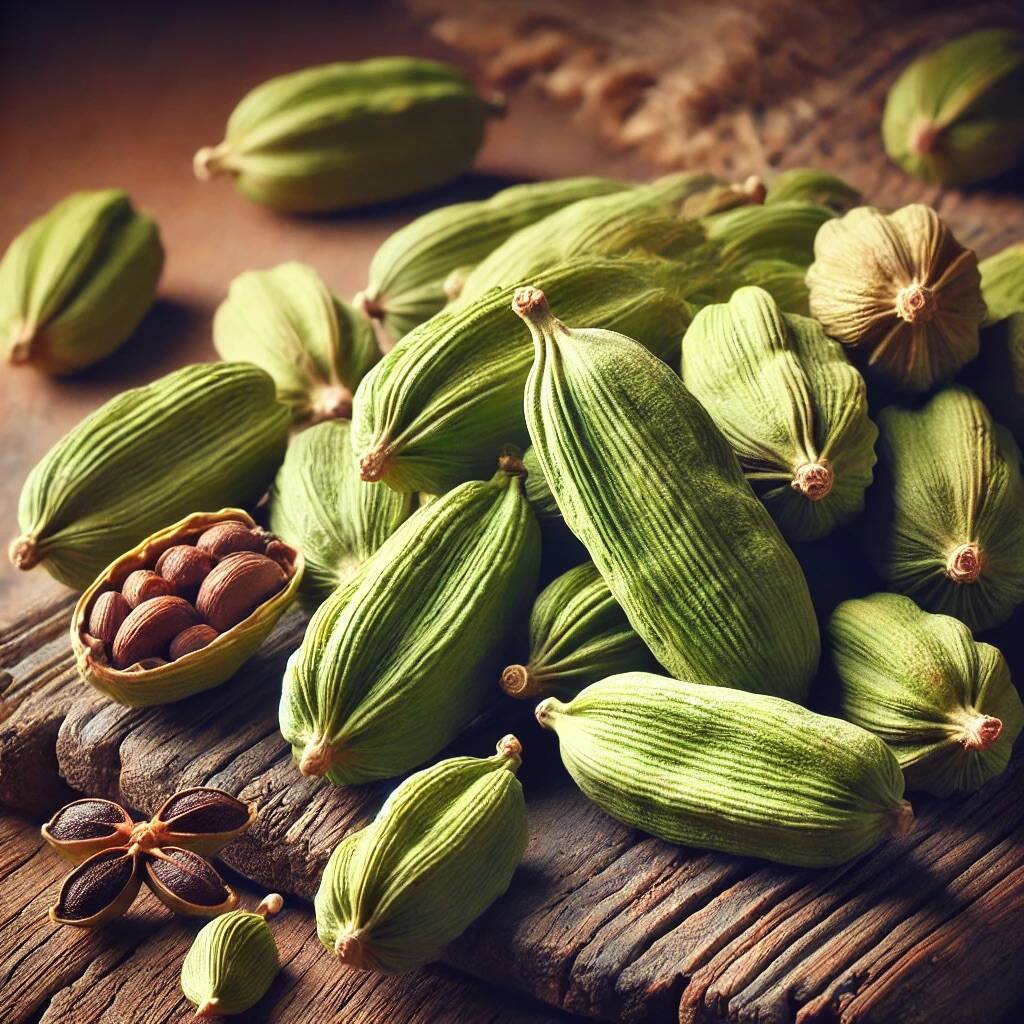
Cardamon Pods Summary Cardamom ( Elettaria cardamomum ) is a highly aromatic spice prized for its digestive, carminative, and warming properties . Known as the “Queen of Spices,” cardamom is widely used to support digestion, freshen breath, improve circulation, and balance metabolism . It has been a staple in both culinary and medicinal traditions across the world, from Ayurvedic medicine to modern herbalism. Materia Medica Latin Binomial: Elettaria cardamomum Common Names: Cardamom, Green Cardamom, True Cardamom TCM Name: Bai Dou Kou Ayurvedic Name: Ela Family: Zingiberaceae (Ginger family) Physical Description of the Plant Cardamom is a perennial herbaceous plant that grows up to 10 feet tall , with long, lance-shaped leaves and small, pale green flowers . The plant produces green pods , each containing tiny, aromatic black seeds , which are the primary medicinal and culinary component. Habitat Native to India, Sri Lanka, and Southeast Asia , cardamom thrives in tropical rainforests with rich, moist soil and high humidity . It is now cultivated in Guatemala, Tanzania, and other tropical regions . Harvest and Collection Pods are harvested just before full ripeness to preserve their essential oils. Sun-dried or shade-dried for optimal flavor and medicinal potency. Stored in airtight containers to retain freshness and potency. Parts of the Plant Used Pods and Seeds (most commonly used for medicine and culinary purposes) Qualities & Benefits Key Actions: Carminative (relieves bloating and gas) Digestive stimulant (supports enzyme production) Expectorant (clears mucus from the respiratory tract) Circulatory enhancer (supports healthy blood flow) Aphrodisiac (traditionally used to enhance libido) Mood booster (uplifts spirits and relieves stress) Energetics: Taste: Sweet, pungent, aromatic Temperature: Warming Chemical Constituents Volatile Oils (cineole, terpinene, limonene) Flavonoids (antioxidant properties) Alkaloids (mild stimulant effects) Fixed Oils (nourishing and aromatic compounds) Tannins (astringent and digestive benefits) Traditional Uses & Applications Western Herbalism Digestive Support : Eases bloating, indigestion, and nausea. Respiratory Aid : Helps clear phlegm and soothes coughs. Circulatory Health : Supports heart function and healthy blood pressure. Mood & Stress Relief : Used to ease tension and enhance focus. Breath Freshener : Naturally fights bad breath and oral bacteria. Eastern Herbalism Meridians: Lung, Spleen, Stomach Warms the Digestive System: Used for indigestion, bloating, and sluggish digestion . Clears Dampness & Phlegm: Supports respiratory function and lung health . Promotes Qi Circulation: Stimulates blood flow and relieves stagnation . Indications Indigestion, bloating, and gas Respiratory congestion and mucus buildup Poor circulation and cold extremities Anxiety, stress, and mental fog Bad breath and oral hygiene concerns Contraindications & Drug Interactions Avoid excessive use in cases of high stomach acidity or ulcers. Use with caution during pregnancy in large doses. May interact with blood-thinning medications due to circulatory effects. Dosage & Preparations Tincture 2-4 mL up to twice daily in water or juice. Infusion (Tea) 1 teaspoon crushed cardamom pods per cup of boiling water. Steep for 10-15 minutes , strain, and drink once or twice daily . Capsules 250-500 mg daily , standardized extract. Combinations With Ginger for enhanced digestion. With Cinnamon for metabolic balance. With Licorice Root for respiratory health. Folklore & Historical Uses Ancient Egyptian medicine used cardamom as a natural breath freshener and digestive aid. In Ayurvedic medicine , cardamom is known as a “tridoshic” herb, meaning it balances all three doshas: Vata, Pitta, and Kapha . Traditional Arabic medicine considers cardamom an aphrodisiac and a symbol of hospitality, often adding it to coffee. In Scandinavian traditions , cardamom is widely used in baked goods and winter tonics. Scientific Research & Studies Studies support cardamom’s anti-inflammatory, antioxidant, and digestive-enhancing properties. Research suggests that its essential oils help lower blood pressure, reduce inflammation, and support metabolic health . Recipes Cardamom Digestive Tea Ingredients: 1 teaspoon crushed cardamom pods 1 teaspoon fresh ginger 1 cup hot water Instructions: Steep ingredients in hot water for 10 minutes . Strain and drink after meals for digestive support. Cardamom Golden Milk Ingredients: 1 cup warm milk (or plant-based alternative) ½ teaspoon ground cardamom ½ teaspoon turmeric 1 teaspoon honey Instructions: Heat milk and whisk in spices. Sweeten with honey and enjoy before bedtime for relaxation and warmth . Conclusion Cardamom is a fragrant and versatile herbal remedy that supports digestion, respiratory health, and circulation . Whether used in teas, tinctures, or culinary dishes , this spice remains a powerful tool in herbal medicine . Would you like to explore more ways to integrate cardamom into your wellness routine? Let us know in the comments!