Cacao Nibs: Ancient Superfood, Modern Herbal Ally
Société Team
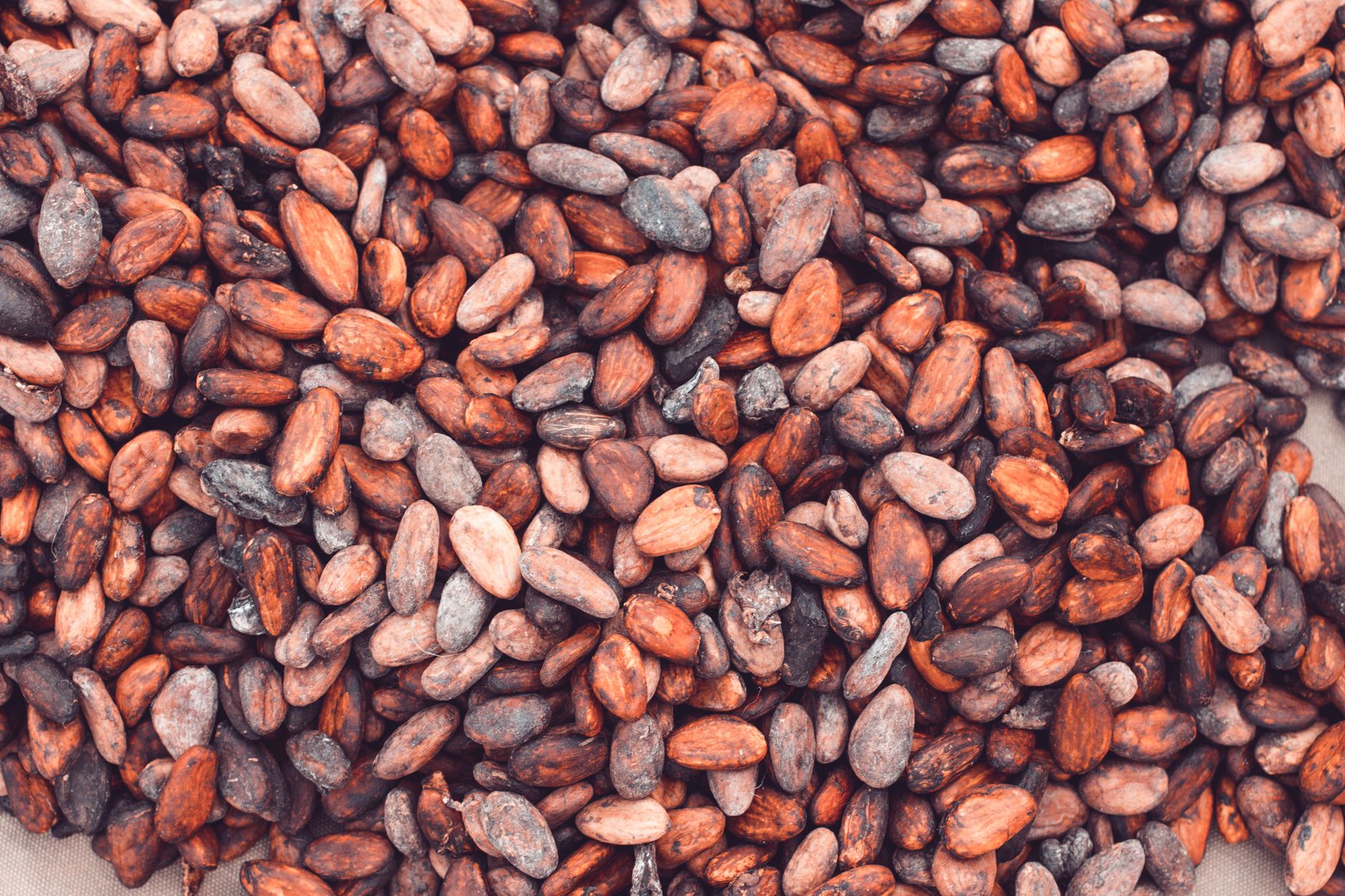
The Sacred Seed That Became a Global Treasure Long before cacao nibs found their way into smoothie bowls and wellness pantries, they were considered a gift from the gods. Ancient Mesoamerican cultures ground raw cacao seeds into ritual drinks, traded the beans as currency, and revered the plant as a source of divine energy and earthly vitality. Today, herbal wisdom from these traditions continues to inform how we work with this remarkable food-medicine. Cacao nibs — the crushed, minimally processed pieces of roasted cacao bean — sit at the intersection of nutrition, herbalism, and ancestral healing. Understanding cacao nibs through a botanical and energetic lens transforms them from a trendy pantry item into a genuinely powerful wellness ally. --- > "The cacao bean is a phenomenon, for nowhere else has nature concentrated such a wealth of valuable nourishment in so small a space." > — Traditional herbal record on Theobroma cacao --- MATERIA MEDICA Scientific Name: Theobroma cacao L. Common Names: Cacao, Raw Cacao Nibs, Cacao Bean Pieces, Food of the Gods Family: Malvaceae (Mallow family) Parts Used: Fermented, dried, and crushed seed kernels (nibs); also whole beans, shells, and powder Taste: Bitter, slightly astringent, rich, complex Temperature: Warming Moisture: Slightly drying --- Physical Description and Botanical Characteristics Theobroma cacao is a small, evergreen understory tree growing 4–8 meters tall in its native tropical habitat. Its botanical characteristics are distinctive — it is one of the few trees that produces flowers and fruit directly on the trunk and older branches, a phenomenon known as cauliflory. The large, leathery pods (called cherelles or cabosses) grow in vivid shades of yellow, orange, red, and purple. Each pod contains 20–50 seeds embedded in a sweet white pulp. Cacao nibs are the result of fermenting, drying, roasting, and then cracking those seeds. They retain the full nutritional density of the raw bean without added sugar or dairy. --- Habitat and Cultivation Cacao thrives within 20 degrees of the equator, in humid, tropical climates with rich, well-drained soils. It requires shade, particularly when young, making it a natural companion plant in biodiverse agroforestry systems. Major growing regions include West Africa, South and Central America, and Southeast Asia. Ecuador and Peru are celebrated for producing fine-flavor heirloom varieties with complex, nuanced profiles prized in both culinary and herbal traditions. When sourcing cacao nibs, quality matters enormously. Whether you shop for cacao nibs near me at a local apothecary or seek cacao nibs whole foods options, look for certifications indicating single-origin, organic, or fair-trade sourcing. --- Harvest and Collection The journey from pod to nib is a labor-intensive, multi-step process that directly affects the final product's flavor and medicinal potency. Harvesting: Pods are hand-cut from trees at peak ripeness. Fermentation: Seeds and pulp are piled under banana leaves for 5–7 days. This critical step develops flavor compounds and reduces bitterness. Drying: Beans are sun-dried for 1–2 weeks to reduce moisture content. Roasting: Light roasting at low temperatures preserves heat-sensitive antioxidants while developing depth of flavor. Cracking and Winnowing: Beans are cracked open and the papery husks are removed by airflow, leaving behind the pure cacao nibs . Minimal processing at each stage preserves the plant's full spectrum of chemical constituents and energetic integrity. --- Energetic Properties and Traditional Uses In traditional Mesoamerican cosmology, cacao was a heart-opening medicine — offered at weddings, used in ceremony, and consumed before battle to fortify warriors. This speaks directly to its energetic properties : cacao is considered a heart medicine in many indigenous healing frameworks. From an Ayurvedic-adjacent perspective, cacao nibs are warming and stimulating, making them best suited for Kapha and Vata constitutions, used moderately by Pitta types given their stimulating alkaloids. In Western folk herbalism, traditional uses of cacao center on its ability to lift mood, support cardiovascular tone, and provide sustained energy without the sharp crash of coffee. The bitter flavor profile aligns cacao with liver support and digestive stimulation — a principle well understood in classical herbal wisdom. --- Actions and Chemical Constituents Cacao nibs are among the most chemically complex plant foods on Earth, containing over 300 identified compounds. Understanding these helps contextualize the many cacao nibs benefits documented in both traditional use and modern research. Primary Actions: - Cardiotonic - Nervine stimulant - Antioxidant - Mild antidepressant - Vasodilator - Adaptogenic (mild) - Astringent - Nutritive Key Chemical Constituents: - Theobromine — the primary alkaloid; a gentle, long-acting stimulant and bronchodilator - Phenylethylamine (PEA) — associated with mood elevation and the so-called "bliss" effect - Anandamide — an endocannabinoid-like compound that supports feelings of wellbeing - Flavonoids (epicatechin, catechin, procyanidins) — potent antioxidants supporting cardiovascular and cognitive health - Magnesium — abundant in cacao; essential for muscle relaxation, sleep, and hormonal balance - Iron, zinc, copper, manganese — trace minerals present in meaningful amounts - Tryptophan — a serotonin precursor supporting mood and sleep - Healthy fats (stearic and oleic acids) — neutral to beneficial for lipid profiles Cacao nibs nutrition is genuinely impressive: a one-ounce serving provides roughly 130 cacao nibs calories , 4g of protein, 9g of fiber, and nearly 25% of the daily recommended magnesium intake. --- Indications and Wellness Applications Cacao nibs are indicated in herbal practice for a wide range of conditions and wellness goals. Cacao nibs benefits for female health are particularly noteworthy — the high magnesium content supports hormonal regulation, eases menstrual cramping, and may reduce PMS-related mood fluctuations. Generally, cacao nibs are indicated for: Low mood or mild depressive states Cardiovascular support and circulatory sluggishness Mental fatigue and need for sustained focus Antioxidant-rich dietary support Hormonal balance and menstrual support Digestive bitters support (the bitter compounds stimulate bile flow) Immune resilience (via zinc and antioxidant content) Compared to cacao nibs vs cacao powder , nibs retain more of the whole-food fiber matrix, making them slower to digest and more sustaining. Compared to cacao nibs vs chocolate chips , nibs contain no added sugar, dairy, or emulsifiers — making them a far more therapeutic choice for daily use. --- 3 Practical Recipes Using Cacao Nibs Recipe 1: Ancient Cacao Ceremonial Drink (Hot Infusion) This warming, spiced cacao drink honors the traditional use of cacao as a ritual heart-opening beverage. Ingredients: - 2 tablespoons raw cacao nibs - 1.5 cups filtered water or oat milk - 1/4 teaspoon cinnamon - 1/4 teaspoon cardamom - 1 pinch cayenne pepper - 1 teaspoon raw honey or maple syrup (optional) - 1 pinch sea salt Preparation: 1. Gently simmer cacao nibs in water or oat milk over low heat for 10–12 minutes. 2. Remove from heat and allow to steep for 5 additional minutes. 3. Strain out the nibs using a fine mesh strainer (reserve them for granola or yogurt — they remain delicious). 4. Stir in cinnamon, cardamom, cayenne, salt, and sweetener. 5. Froth gently if desired, pour into a mug, and sip slowly and intentionally. Note: The nibs may also be blended directly into the liquid for a thicker, more textured drink. --- Recipe 2: Cacao Nib and Rose Herbal Elixir Syrup This simple syrup can be stirred into warm drinks, drizzled over oatmeal, or taken by the teaspoon as a mood-supportive herbal preparation. Ingredients: - 1/2 cup cacao nibs - 2 tablespoons dried rose petals - 1 tablespoon dried hawthorn berries (optional, for extra heart support) - 2 cups filtered water - 1 cup raw honey - 1/2 teaspoon vanilla extract Preparation: 1. Combine cacao nibs, rose petals, and hawthorn berries with water in a small saucepan. 2. Bring to a gentle simmer and cook uncovered for 20 minutes until reduced by roughly half. 3. Remove from heat and steep an additional 15 minutes. 4. Strain through cheesecloth, pressing the solids firmly to extract all liquid. 5. Allow the liquid to cool to below 40°C (104°F) before stirring in honey to preserve its beneficial enzymes. 6. Add vanilla extract, stir to combine, and pour into a sterilized glass jar. 7. Store refrigerated for up to 3 weeks. Use 1–2 teaspoons daily in warm water, tea, or directly. --- Recipe 3: Nourishing Cacao Nib Energy Bites (Culinary-Herbal Preparation) These no-bake energy bites combine the nutritive and stimulating properties of cacao nibs with adaptogenic and grounding whole foods for a powerful daily snack. Ingredients: - 1 cup rolled oats - 1/3 cup cacao nibs - 1/2 cup natural almond or sunflower seed butter - 3 tablespoons raw honey or maple syrup - 1 tablespoon maca powder (optional, for hormonal and energy support) - 1 teaspoon vanilla extract - 1 pinch sea salt - 2 tablespoons shredded coconut (for rolling, optional) Preparation: 1. Combine all ingredients in a large mixing bowl and stir until fully incorporated. 2. Refrigerate the mixture for 20–30 minutes until it firms up enough to handle. 3. Roll into balls approximately 1 inch in diameter. 4. Optionally roll each ball in shredded coconut. 5. Store in an airtight container in the refrigerator for up to 10 days. 6. Enjoy 1–2 bites daily as a nourishing, mood-supporting snack. These are particularly well-suited as a pre-workout treat or afternoon energy support. --- A Note on Quality, Sourcing, and Daily Use As with all herbal preparations, the quality of your starting material determines the depth of benefit you receive. Raw, organic, minimally processed cacao nibs preserve the highest concentration of active constituents — particularly the heat-sensitive flavonoids and phenylethylamine compounds. For most adults, 1–2 tablespoons of cacao nibs per day is a reasonable therapeutic dose. Those sensitive to stimulants or with heart arrhythmias should introduce cacao gradually. Pregnant individuals should consult a qualified herbalist before using cacao therapeutically, though culinary amounts are generally considered safe. Cacao nibs recipes lend themselves beautifully to everyday integration — in morning porridge, blended into smoothies, sprinkled over salads, or brewed into warming drinks. Unlike cacao nibs walmart options that may be heavily processed or mixed with sweeteners, choosing high-quality, single-origin nibs makes all the difference in both flavor and medicinal value. --- Explore Cacao Nibs at Societe Apothecary If cacao nibs have captured your curiosity, we'd love to be part of your herbal journey. Societe sources thoughtfully, with quality and intention at every step — visit societeapothecary.com/product/cacao-nibs/ to explore our offering and bring this ancient heart medicine into your home practice. We're here whenever you're ready to deepen your relationship with plant allies.