Bupleurum: The Ancient Root of Harmony and Herbal Wisdom
Société Team
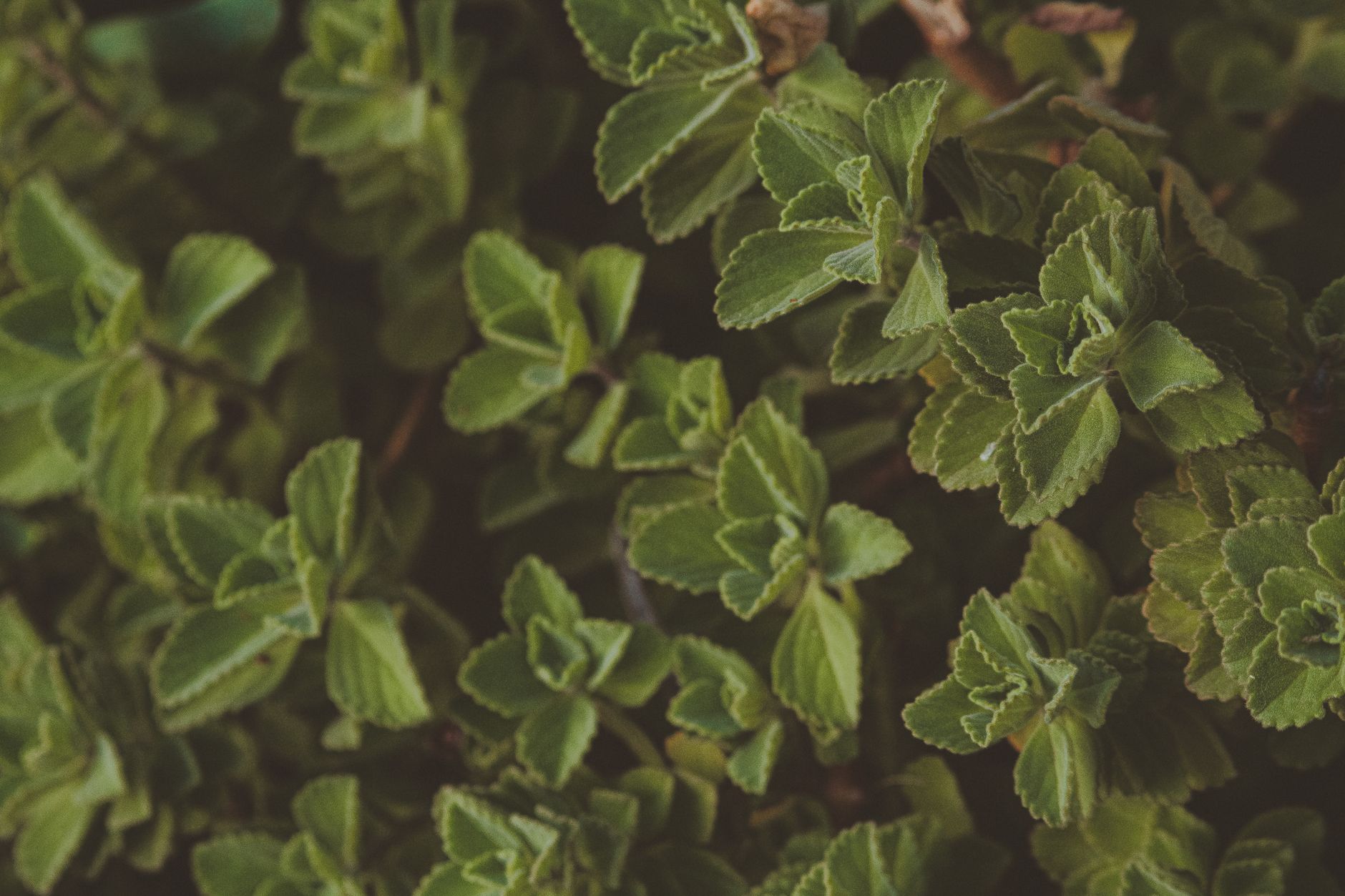
A Root Steeped in Centuries of Healing Few plants carry the depth of legacy that Bupleurum does. Known across traditional Chinese medicine as Chai Hu , this slender, unassuming herb has been a cornerstone of Eastern healing systems for over two thousand years. Its reputation is one of elegant complexity — a plant that bridges the body and the spirit, addressing physical stagnation while lifting emotional heaviness. Herbalists who work with it often describe it as a plant that "moves what has become stuck." In the modern revival of herbal wisdom , Bupleurum has earned fresh attention from practitioners and plant lovers alike who are rediscovering its profound and multifaceted gifts. --- > "Chai Hu is the herb of the pivot — it turns what is inward outward, and what is stagnant into flow. It is the hinge upon which harmony swings." > — Traditional teaching from classical Chinese herbal texts --- MATERIA MEDICA Scientific Name: Bupleurum chinense (also Bupleurum falcatum , Bupleurum scorzonerifolium ) Common Names: Bupleurum, Chai Hu, Hare's Ear Root, Thoroughwax Family: Apiaceae (Carrot/Umbellifer family) Parts Used: Dried root (primary); aerial parts in some traditions Taste: Bitter, acrid Temperature: Slightly cool Organ Systems Affected (Traditional): Liver, Gallbladder, Pericardium, Triple Burner meridians --- Physical Description and Botanical Characteristics Bupleurum is a perennial herb growing between 40 and 85 centimeters tall, with slender, branching stems that carry a graceful, airy quality typical of the Apiaceae family. Its leaves are lance-shaped to elliptical, smooth, and often with a slightly bluish-green hue — the feature that gives one species the name "Hare's Ear." The botanical characteristics of Bupleurum are modest at first glance. Small yellow flowers cluster in compound umbels during summer, giving it a delicate, almost wild-carrot appearance. The root — the true medicinal treasure — is long, cylindrical, and fibrous. When dried, it takes on a brownish-tan color with a faintly aromatic, slightly resinous scent. --- Habitat and Growing Conditions Bupleurum thrives across a wide range of habitats throughout East Asia, particularly in China, Japan, and Korea. It favors dry hillsides, open grasslands, and the edges of forests where drainage is excellent and sunlight is plentiful. Some species have naturalized in parts of Europe and are cultivated in North America by dedicated herb growers. It prefers well-drained, slightly alkaline soils and tolerates cooler temperatures well. In cultivation, it is a relatively undemanding plant — a fitting reflection of its understated elegance in the herbal world. --- Harvest and Collection The root of Bupleurum is the primary part harvested for medicinal use. Timing and technique matter greatly for potency. Roots are typically harvested in autumn , after the aerial parts have begun to die back. Plants should be at least 2–3 years old before harvest to ensure adequate root development. The roots are carefully dug, cleaned of soil, and sliced before being dried slowly at low temperatures. Avoid over-drying — the volatile aromatic compounds that contribute to its action can be diminished by excessive heat. In traditional practice, the roots were sometimes briefly dry-fried with vinegar ( cu chao ) to enhance their liver-directing properties — a preparation technique still used in classical Chinese pharmacy. --- Qualities and Energetics Understanding the energetic properties of Bupleurum is essential to appreciating why it has remained so central to Eastern herbal traditions. It is not simply a "liver herb" in the biochemical sense — it is a plant that addresses the quality of energy flow through the body. Qualities: - Bitter and acrid in taste - Slightly cool in thermal nature - Light and ascending in movement - Drying in character Energetics: In classical Chinese medicine, Bupleurum is said to release the exterior and regulate the Shao Yang — the pivot between the interior and exterior of the body. When pathogenic influences become lodged in this intermediate zone, symptoms like alternating chills and fever, flank pain, and emotional irritability arise. Bupleurum resolves this stuck, half-in/half-out condition. It also spreads Liver Qi — relieving the kind of tension, frustration, and constriction that arises when the liver's natural desire for free flow is obstructed. In Ayurvedic-adjacent Western herbalism, it is sometimes described as bitter, cooling, and dispersive — reducing excess heat and stagnation in the hepatic system. --- Actions and Chemical Constituents Actions: - Hepatoprotective (liver-protective) - Anti-inflammatory - Adaptogenic - Immunomodulatory - Antipyretic (fever-reducing) - Antidepressant and nervine - Cholagogue (promotes bile flow) - Antiviral Chemical Constituents: - Saikosaponins (a, b, c, d) — the primary bioactive triterpenoid saponins responsible for most of the hepatoprotective and anti-inflammatory activity - Polysaccharides — contribute to immune modulation - Flavonoids — including rutin and quercetin; provide antioxidant protection - Volatile oils — contribute to aromatic quality and mild dispersing action - Phytosterols — including stigmasterol and spinasterol - Fatty acids — linoleic and oleic acid fractions The saikosaponins are perhaps the most studied compounds in Bupleurum. Research has consistently pointed to their role in protecting liver cells from damage, modulating cortisol responses, and exerting meaningful anti-inflammatory effects throughout the body. --- Traditional Uses and Indications The traditional uses of Bupleurum are remarkably consistent across thousands of years of documented practice. Classical texts place it at the center of formulas addressing the liver, emotional wellbeing, and febrile conditions. Key Indications Include: Liver Qi stagnation: emotional frustration, irritability, sighing, flank or rib-side distension Hormonal irregularity: premenstrual tension, breast tenderness, irregular cycles related to liver involvement Alternating fever and chills: classic Shao Yang presentations Fatigue and prolapse: when combined with tonifying herbs, used traditionally for lifting sinking Qi Digestive sluggishness: poor bile flow, sensation of fullness, nausea Emotional and psychological tension: anxiety, depression, and irritability tied to stagnant liver energy Immune support: used in classical formulas for chronic viral conditions and compromised immunity Important Note: Bupleurum is traditionally used as part of herbal formulas rather than as a standalone herb. Its power is amplified and balanced in combination — a reflection of the whole-system philosophy at the heart of Eastern herbal wisdom . --- Three Practical Recipes with Bupleurum Recipe 1: Bupleurum Liver-Support Decoction Tea This warming, slightly bitter decoction is a simple way to work with Bupleurum as a daily tonic for liver health and emotional ease. Ingredients: - 1 teaspoon dried Bupleurum root - 1 teaspoon dried licorice root - ½ teaspoon dried ginger root - 2 cups filtered water - Raw honey to taste (optional) Preparation: 1. Combine all roots in a small saucepan with 2 cups of cold water. 2. Bring to a gentle boil, then reduce heat and simmer uncovered for 20–25 minutes. 3. Strain through a fine mesh strainer into a mug. 4. Allow to cool slightly, sweeten with honey if desired, and sip slowly. 5. Drink 1 cup daily, ideally in the morning or early afternoon. This formula gently supports liver function and is well-tolerated by most adults. --- Recipe 2: Bupleurum Root Tincture A simple alcohol tincture concentrates Bupleurum's active saikosaponins and is an effective way to incorporate it into a daily wellness routine with precision and ease. Ingredients: - 1 oz (28g) dried Bupleurum root, chopped or broken - 8 oz (240ml) 60% alcohol (vodka or food-grade grain alcohol work well) - A clean glass jar with a tight-fitting lid - Amber dropper bottles for storage Preparation: 1. Place the dried root into a clean, dry glass jar. 2. Pour the alcohol over the root, ensuring it is fully submerged with at least 1–2 inches of liquid above. 3. Seal the jar tightly and label it with the date and herb name. 4. Store in a cool, dark place for 4–6 weeks , shaking the jar gently every few days. 5. After the maceration period, strain through cheesecloth, pressing the marc firmly to extract all liquid. 6. Bottle in amber dropper bottles and store away from light and heat. Standard adult dose: 2–3 ml (approximately 40–60 drops) in water, 2–3 times daily. Always consult a qualified herbalist or healthcare provider before beginning any new herbal regimen. --- Recipe 3: Bupleurum Herbal Steam Inhalation for Tension Relief This aromatic steam treatment draws on Bupleurum's dispersive, slightly volatile qualities to ease tension headaches and sinus congestion while offering a moment of grounding, mindful self-care. Ingredients: - 1 tablespoon dried Bupleurum root - 1 tablespoon dried peppermint leaf - 1 teaspoon dried rosemary leaf - 4 cups water - A large heatproof bowl - A clean towel Preparation: 1. Bring 4 cups of water to a rolling boil in a medium saucepan. 2. Add all dried herbs to the boiling water, reduce heat, and simmer for 5 minutes. 3. Carefully pour the herbal water into a large heatproof bowl placed on a stable, flat surface. 4. Position your face 10–12 inches above the bowl — not closer, to avoid steam burns. 5. Drape the towel over your head and the bowl to create a steam tent. 6. Breathe deeply and slowly for 5–10 minutes. Take breaks as needed. 7. Follow with a glass of warm water. This is a wonderful evening ritual for releasing the tensions of the day. Do not use if you are pregnant without professional guidance. --- Bringing Bupleurum Into Your Wellness Practice Bupleurum is not a flashy herb — it does not promise quick fixes or dramatic transformations. What it offers is something quieter and more enduring: a gradual restoration of flow, ease, and harmony where there has been stagnation and strain. Whether you are drawn to it for liver support, emotional balance, immune resilience, or simply the desire to connect with a plant of deep herbal wisdom , Bupleurum rewards patient and consistent engagement. As with all medicinal herbs, quality sourcing matters enormously. The potency of Bupleurum depends heavily on proper identification, ethical harvest, and careful preparation — all things worth seeking out. --- Explore Bupleurum with Societe If you're ready to experience the benefits of Bupleurum for yourself, Societe makes it easy to get started with thoughtfully sourced, high-quality preparations. Visit societeapothecary.com/product/bluplereum/ to explore their Bupleurum offering and bring this ancient root into your daily rhythm. We'd love to be part of your herbal journey.