Blackberry Leaf: Materia Medica
Société Apothecary
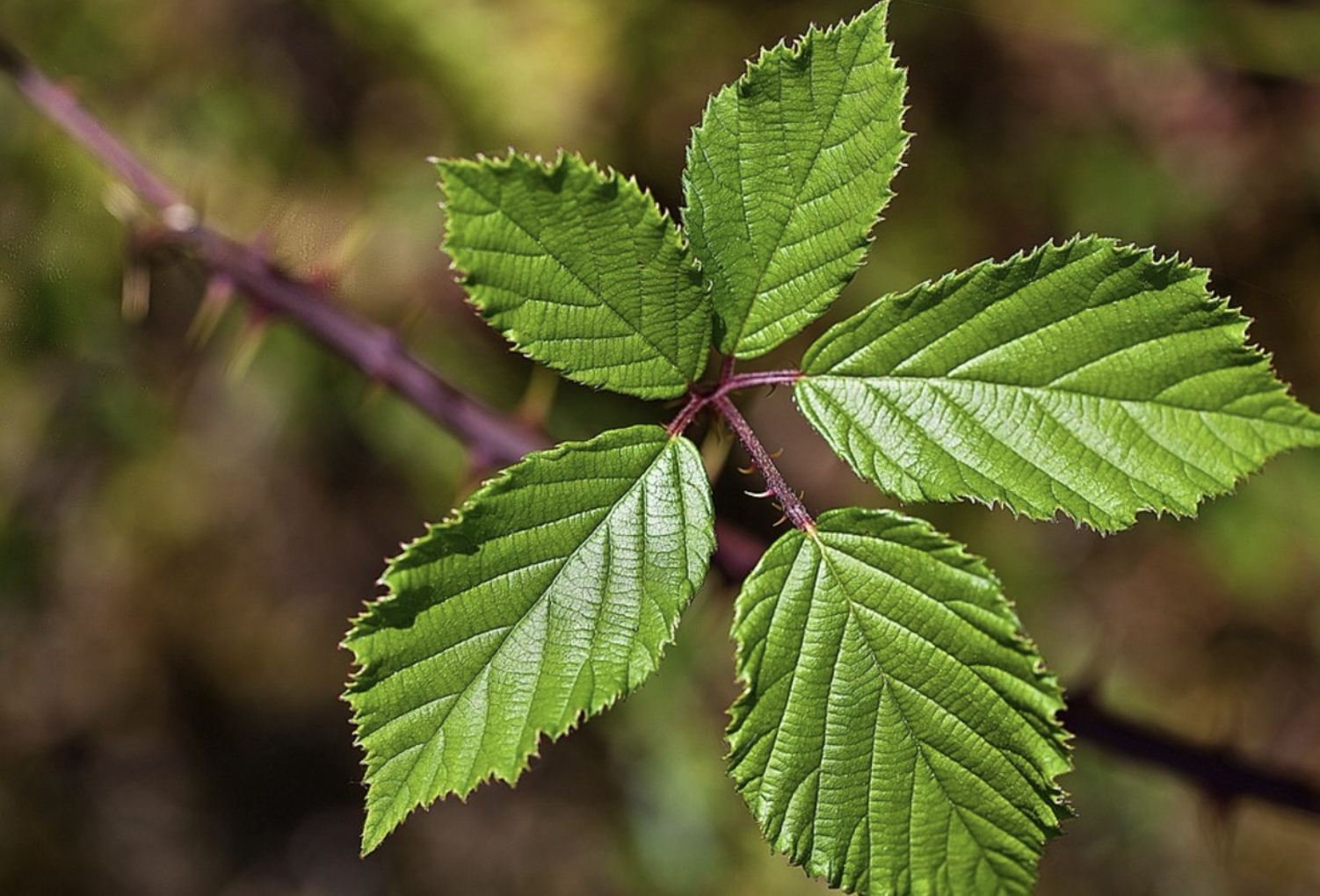
Blackberry Leaf: Materia Medica Often overshadowed by its sweet and tangy berries, Blackberry leaf is a time-honored herbal ally with a long history of medicinal uses . The blackberry leaf benefits are rooted in its astringent and toning nature — traditionally called upon to tighten tissues, soothe sore throats, and relieve diarrhea. Its gentle power makes it a staple in European, Native American, and Western herbal traditions. "Blackberry leaf weaves strength into the weave of the body—firming, calming, and restoring integrity." MATERIA MEDICA Latin Binomial: Rubus fruticosus Common Name(s): Blackberry Leaf, Bramble Leaf TCM Name: Not commonly used Ayurvedic Name: Seempolpatra (in folk usage) Family: Rosaceae Physical Description of the Plant: A thorny, sprawling bramble with compound leaves (3–5 leaflets), white to pink flowers, and edible black fruits. Leaves are toothed, veined, and slightly hairy beneath. Habitat: Native to Europe and naturalized widely in temperate zones. Grows in hedgerows, forest edges, and disturbed ground. Very hardy and invasive in some areas. Harvest and Collection: Leaves are best harvested in late spring or early summer before flowering. Dry in shade with good airflow. Parts of the Plant Used: Leaves (young and tender), sometimes root bark (more astringent) Qualities: Astringent, slightly bitter, earthy Energetics: Cooling, drying, toning Chemical Constituents: Tannins (gallic acid, ellagitannins) Flavonoids (rutin, quercetin) Vitamin C Volatile oils (trace) Phenolic acids Actions: Astringent Anti-inflammatory Tonic Antimicrobial (mild) Hemostatic (mild) Anti-diarrheal Oral mucosa soother Indications: Diarrhea (especially in children and elders) Mouth ulcers and sore throats (as a gargle) Minor bleeding (hemorrhoids, gums, etc.) Varicose veins and tissue laxity (as tonic) Menstrual flooding (short-term support) Mild dermatitis or oozing rashes (topical) Diagnostic Picture: Best for loose, weepy, relaxed tissue states—diarrhea, soft gums, or flaccid skin. Suitable when cooling, drying, and toning are needed, especially in mucous membranes. Contraindications/Cautions: High tannin content may interfere with nutrient absorption if taken long-term Not recommended in cases of constipation or very dry constitutions Avoid large doses during pregnancy without supervision Drug Interactions: May reduce absorption of iron or certain medications due to tannins Separate from pharmaceuticals by at least 2 hours Dosage: Infusion (Tea): 1–2 tsp dried leaf per cup; steep 10–15 minutes; up to 3x daily Tincture: 2–4 mL, 2–3x daily Gargle/Rinse: Strong infusion cooled; swish and spit several times daily Poultice or Wash: For minor wounds, rashes, or oozing eczema Combinations: With Chamomile and Lemon Balm for child-friendly diarrhea blends With Yarrow and Shepherd's Purse for menstrual flooding With Sage and Rose for oral astringency and sore throat With Plantain and Calendula for topical skin care Folklore: In Old European folk magic, blackberry brambles were believed to ward off illness and evil. In parts of England and Appalachia, crawling under a bramble arch was used to cure ailments or break hexes. The leaves were used for burns and ulcers in early European herbalism and were often added to early wound powders. Applications: Excellent as an herbal tea or gargle for gastrointestinal and oral issues. Can be used topically for oozing wounds, rashes, or weeping eczema. A reliable astringent herb for toning tissues and managing inflammation. Recipes: Soothing Throat Gargle Blackberry leaf Sage Salt (pinch) Steep, strain, and gargle as needed for sore throat or mouth ulcers Astringent Gut Tea Blackberry leaf Chamomile Marshmallow root Sip warm for diarrhea or GI inflammation Skin-Wash for Rashes Blackberry leaf infusion Calendula Cool and apply with a cloth to weepy, inflamed skin Scientific Research: Studies highlight the antimicrobial and astringent effects of blackberry leaf due to high tannin and flavonoid content. It has demonstrated mild anti-inflammatory and antioxidant activity in laboratory studies, supporting traditional uses for skin and mucous membrane issues. References: Hoffmann, D. "Medical Herbalism" Mills & Bone "Principles and Practice of Phytotherapy" British Herbal Pharmacopoeia PubMed studies on Rubus fruticosus Earthwise Herbal, Matthew Wood Blackberry Leaf Benefits: What This Herb Can Do for You When we talk about blackberry leaf benefits , we're speaking of an herb that works quietly and steadily — not with dramatic flair, but with the firm, grounding reliability of something the body recognises as deeply nourishing. Here's a closer look at what makes this bramble leaf such a trusted companion in the herbal dispensary. Tones and tightens tissues: The high tannin content — including gallic acid and ellagitannins — gives blackberry leaf its signature astringency. This makes it particularly valuable wherever tissues are lax, weepy, or inflamed: think soft gums, loose stools, or oozing skin. Supports gut health: One of the best-known blackberry leaves uses is for digestive complaints. It is a gentle and effective ally for diarrhea, especially in the more vulnerable — children, the elderly, or those with sensitive constitutions. Soothes the mouth and throat: Used as a warm gargle or rinse, blackberry leaf brings genuine relief to sore throats, inflamed gums, and mouth ulcers. The antimicrobial and anti-inflammatory actions work together beautifully here. Mild hemostatic action: Traditionally used to support minor bleeding — from haemorrhoids to tender gums — blackberry leaf's toning action helps reduce excess secretion and gently encourages tissue repair. Skin support: Applied topically as a cooled infusion or poultice, it can calm weeping rashes, mild eczema, and minor wounds. Its cooling, drying energy is especially well-suited to hot, damp, inflamed skin conditions. Rich in antioxidants: Flavonoids like rutin and quercetin, alongside phenolic acids and Vitamin C, give blackberry leaf a gentle but meaningful antioxidant profile — supporting overall tissue resilience over time. Medicinal Uses of Blackberry Leaves Across Herbal Traditions The medicinal uses of blackberry leaves span centuries and continents. Far from being a modern discovery, this humble bramble has been reaching into the herbalist's basket for generations — each tradition finding its own wisdom in the same leaf. European Folk Herbalism relied on blackberry leaf as a foundational remedy for diarrhea, dysentery, and inflamed mucous membranes. Medieval herbalists noted its cooling, drying quality and used it in wound powders, poultices, and decoctions for burns and skin ulcers. The British Herbal Pharmacopoeia formally recognises its astringent and anti-diarrheal actions. Appalachian and Native American Traditions embraced the plant both medicinally and symbolically. Blackberry leaf teas were brewed for stomach complaints and sore throats, and the bramble itself held a protective, almost magical significance in folk belief — a plant that both guarded and healed. Western Clinical Herbalism continues to draw on these traditions, integrating them with our growing understanding of the plant's phytochemistry. The blackberry leaf uses most supported by both tradition and emerging research include its role in managing diarrhea, supporting oral health, and offering gentle topical astringency for inflamed skin. Across all of these traditions, a consistent thread emerges: blackberry leaf is called upon when the body needs to be gently gathered back to itself — when things are too loose, too weepy, or too open. It brings a quiet, firm restoration. Three Blackberry Leaf Recipes to Try at Home Soothing Blackberry Leaf Tea 1 tablespoon dried blackberry leaves 2 cups boiling water Honey or lemon (optional) Place the dried blackberry leaves in a teapot or heatproof jug. Pour the boiling water over the leaves. Cover and let it steep for 10-15 minutes. Strain the tea into a cup and add honey or lemon if desired. Enjoy this calming tea, perfect for a moment of relaxation. Blackberry Leaf Syrup for Sore Throats 1 cup fresh or ½ cup dried blackberry leaves 2 cups water 1 cup honey Juice of 1 lemon Simmer the blackberry leaves in water for about 20 minutes. Strain the liquid and return it to the pan. Add honey and lemon juice, stirring until the honey is fully dissolved. Pour the syrup into a sterilized jar and let it cool. Take a teaspoon as needed to soothe a sore throat. Blackberry Leaf Skin Toner 1 cup boiling water 1 tablespoon dried blackberry leaves 1 tablespoon witch hazel Steep the dried blackberry leaves in boiling water for 15 minutes. Strain the infusion and allow it to cool completely. Mix the cooled infusion with the witch hazel in a small bottle. Apply to your face using a cotton pad for a refreshing, gentle toner. Always consult a qualified practitioner before using herbal remedies, especially if you are pregnant, nursing, or on medication.