Black Cohosh Root (Actaea racemosa): Materia-medica
Société Apothecary
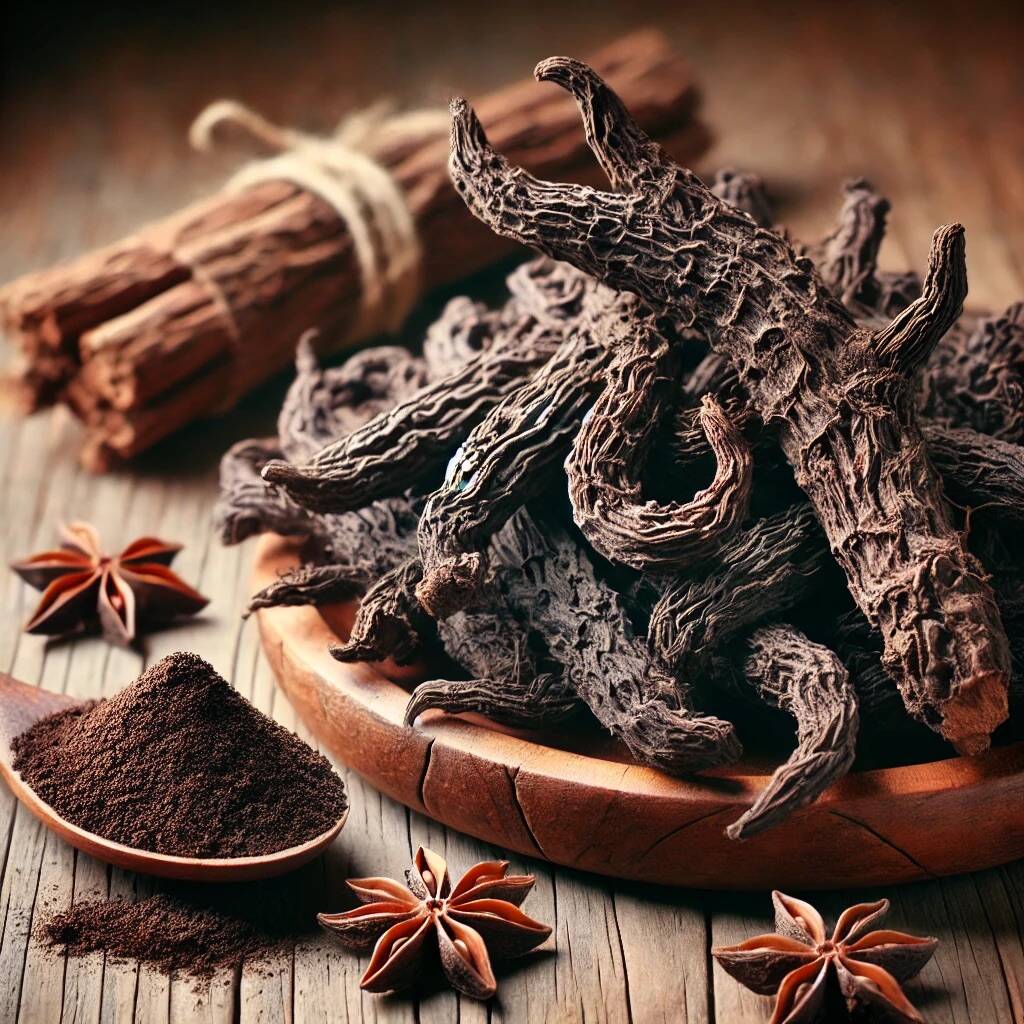
Summary Black cohosh root, derived from the Actaea racemosa plant, has been traditionally used for its hormonal balancing and anti-inflammatory properties . This potent herb is well-known for alleviating menopausal symptoms, menstrual discomfort, and musculoskeletal pain . Additionally, it supports the nervous system and promotes overall reproductive health. Materia Medica Latin Binomial: Actaea racemosa (formerly Cimicifuga racemosa ) Common Names: Black Cohosh, Black Snakeroot, Bugbane TCM Name: Sheng Ma Ayurvedic Name: N/A Family: Ranunculaceae (Buttercup family) Physical Description of the Plant Black cohosh is a perennial herbaceous plant that grows up to 6 feet tall . It features tall, slender stems topped with white, bottlebrush-like flowers. The plant’s thick, knotted black root is the primary medicinal part used. Habitat Native to eastern North America , black cohosh thrives in moist, shady woodlands . It is commonly found in rich forested areas and prefers well-drained, loamy soils. Harvest and Collection Roots should be harvested in late summer or early autumn when the plant’s medicinal compounds are most concentrated. Wash, slice, and dry roots in a warm, well-ventilated area . Store in an airtight container away from moisture and light. Parts of the Plant Used Root and rhizome (medicinal use) Qualities & Benefits Key Actions: Supports hormonal balance (especially during menopause) Reduces hot flashes, night sweats, and mood swings Alleviates premenstrual syndrome (PMS) and menstrual cramps Acts as a mild sedative and nervine Eases joint and muscle pain Supports uterine health and reproductive function Energetics: Taste: Bitter, pungent Temperature: Cooling Chemical Constituents Triterpene glycosides (actein, cimicifugoside) Isoflavones (phytoestrogenic compounds) Alkaloids (anti-inflammatory properties) Salicylic acid (pain-relieving effects) Resins, tannins, and volatile oils Traditional Uses & Applications Western Herbalism Menopause Support : Eases symptoms like hot flashes, mood swings, and sleep disturbances . Menstrual Relief : Reduces cramps, PMS symptoms, and cycle irregularities . Musculoskeletal Health : Supports joint mobility and relieves rheumatic pain . Nervous System Aid : Used for stress, anxiety, and nervous tension . Labor Support : Traditionally used to promote uterine contractions in childbirth. Eastern Herbalism Meridians: Lung, Liver, Spleen Clears Heat & Toxins: Useful for inflammatory conditions . Moves Qi & Blood: Supports circulation and menstrual health . Indications Menopause (hot flashes, insomnia, irritability) Painful menstruation and irregular cycles Musculoskeletal pain (arthritis, back pain) Nervous tension, anxiety, and stress Uterine weakness or reproductive imbalances Contraindications & Drug Interactions Avoid during pregnancy , as it may stimulate uterine contractions. Not recommended for individuals with liver disorders . May interact with hormone therapies , such as birth control or estrogen supplements. Long-term excessive use could lead to gastrointestinal discomfort . Dosage & Preparations Tincture 2-4 mL up to three times daily in water or juice. Infusion (Tea) 1 teaspoon dried root per cup of boiling water. Simmer for 15-20 minutes , strain, and drink up to twice a day . Capsules 40-80 mg daily , standardized to 2.5% triterpene glycosides . Combinations With Chaste Tree (Vitex) for hormonal regulation. With St. John’s Wort for mood balance. With Wild Yam for menstrual and menopausal support. Folklore & Historical Uses Native American tribes used black cohosh as a remedy for pain, fevers, and snake bites . European settlers adopted its use for women’s reproductive health and nervous disorders . Some folklore associates black cohosh with protective spiritual properties , believing it wards off negative energy . Scientific Research & Studies Modern research highlights black cohosh’s phytoestrogenic properties , making it effective in managing menopausal symptoms without significantly altering hormone levels. Studies also support its anti-inflammatory and analgesic effects. Recipes Black Cohosh Menopause Tincture Ingredients: 1 cup dried black cohosh root 2 cups high-proof alcohol (vodka or brandy) Glass jar with lid Instructions: Place dried root in a clean jar and cover with alcohol. Seal and shake daily for 4-6 weeks . Strain and store in a dark bottle. Take 2-4 mL up to three times daily . Black Cohosh Relaxing Tea Ingredients: 1 tsp black cohosh root 1 tsp lemon balm 1 cup hot water Instructions: Steep ingredients in hot water for 15 minutes . Strain and drink before bedtime for stress relief . Conclusion Black cohosh root is a powerful herbal ally for women’s health, musculoskeletal support, and nervous system balance . Whether used in tinctures, teas, or capsules , this herb remains a trusted natural remedy for managing menopause, menstrual irregularities, and inflammatory conditions. Would you like to learn more about how black cohosh can be integrated into your daily wellness routine? Let us know in the comments!