Birch Bark: Materia Medica
Société Apothecary
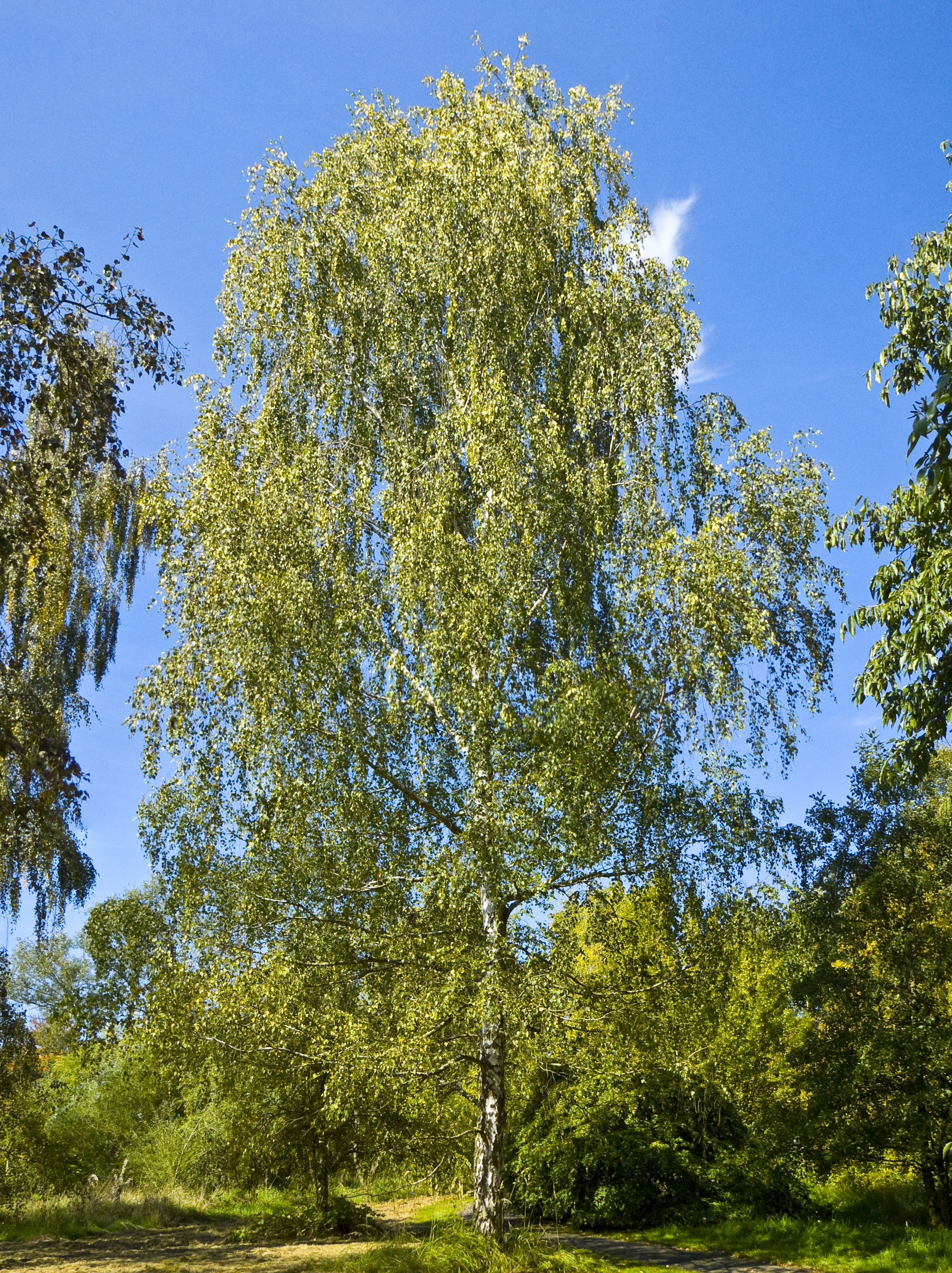
Birch Bark: Materia Medica Elegant and luminous, Birch trees symbolize renewal and resilience. The benefits of birch bark have been treasured for centuries in Northern European, Russian, and Native American herbal traditions—for cleansing, pain relief, and inflammation. Birch bark carries the energy of spring: purifying, awakening, and restoring. "Birch flows like the spring thaw—cleansing the body and softening pain." MATERIA MEDICA Latin Binomial: Betula alba (White Birch), Betula lenta (Sweet Birch), Betula papyrifera (Paper Birch) Common Name(s): Birch, Birch Bark, White Birch, Sweet Birch, Paper Birch TCM Name: Huá shù (rarely used) Ayurvedic Name: Not traditionally used, but similar energetics to neem or guggul Family: Betulaceae Physical Description of the Plant: A deciduous tree with distinctive white, peeling bark and ovate, serrated leaves. Small catkins bear the flowers. Birch species vary by region but share similar uses. Habitat: Native to temperate regions of the Northern Hemisphere—widely found across North America, Europe, and parts of Asia. Harvest and Collection: Bark is harvested in spring or early summer when sap is rising. Only remove thin outer bark from fallen branches or pruned limbs—never girdle living trees. Inner bark and buds are also used. Parts of the Plant Used: Outer and inner bark (mostly from young branches), sap, twigs, buds Qualities: Sweet, slightly bitter, aromatic Energetics: Cooling, drying, detoxifying Chemical Constituents: Methyl salicylate (especially in Betula lenta ) Betulin and betulinic acid Flavonoids Tannins Essential oils Vitamin C Saponins Actions: Anti-inflammatory Analgesic Diuretic Detoxifying Astringent Antibacterial Antirheumatic Skin-soothing Mild febrifuge Indications: Arthritis and rheumatism Joint and muscle pain Urinary tract infections Water retention Eczema and skin irritation (topical use) Minor wounds and scrapes General detoxification and spring cleansing Diagnostic Picture: Birch suits stiff, sore, inflamed states—especially where there's stagnation and fluid retention. It's helpful in springtime formulas to stimulate elimination and reduce chronic inflammation. Contraindications/Cautions: Allergy to aspirin (due to methyl salicylate content) Avoid during pregnancy and lactation unless directed Use caution in kidney conditions if used excessively Do not harvest bark irresponsibly—overharvesting can kill the tree Drug Interactions: May potentiate anticoagulants or NSAIDs Caution with diuretics and salicylate-containing medications Dosage: Infusion (tea): 1–2 tsp dried bark per cup; simmer gently 10–15 minutes Tincture: 1–4 mL, 2–3x daily Topical: Use in infused oils, creams, or salves for aches and skin conditions Bath soak: Add bark decoction to bath water for joint or skin relief Combinations: With Nettle and Dandelion for spring cleansing With Willow or Turmeric for joint inflammation With Juniper and Cleavers for lymphatic and urinary detox With Calendula or Plantain for topical skin healing Folklore: In Slavic and Celtic traditions, Birch is the first tree of spring—a symbol of new beginnings, protection, and purification. In Nordic lore, it is sacred to Freya. Birch bark was used to inscribe messages, make baskets, and protect the home from negative energies. Native American tribes used birch bark as a poultice for wounds and as a decoction for joint and bladder complaints. Applications: Drink as a tea or tincture for detox and inflammation; use topically for skin conditions and joint pain. Birch makes an excellent spring remedy for renewal and rejuvenation, especially after a stagnant winter season. Recipes: Spring Detox Tea Birch bark Dandelion root Nettle leaf Simmer gently and drink 1–2 cups daily for 2–3 weeks Muscle Ease Massage Oil Birch bark-infused oil St. John's Wort and Arnica oils Optional: Wintergreen essential oil (small amount) Apply to sore muscles and joints Birch Bath Soak Birch bark decoction Epsom salts Lavender flowers Soak for 20 minutes to soothe joints and promote circulation Scientific Research: Methyl salicylate in Betula lenta provides natural analgesic effects similar to aspirin. Betulin and betulinic acid have shown anti-inflammatory, antiviral, and anticancer properties in early studies. Birch bark benefits are well-supported by its diuretic and anti-inflammatory chemistry, and research into betulinic acid continues to grow—though many findings remain preliminary and further clinical studies are needed. References: Moore, M. "Medicinal Plants of the Mountain West" Hoffmann, D. "Medical Herbalism" Mills & Bone "Principles and Practice of Phytotherapy" PubMed articles on Betula spp. https://www.ncbi.nlm.nih.gov Click here for our products with birch Key Benefits of Birch Bark: What This Ancient Herb Offers The uses of birch bark span millennia and cultures, but it's worth pausing to look at what this remarkable tree offers through both a traditional and a modern lens. Whether you're new to plant medicine or deepening an existing practice, understanding the birch bark benefits at a glance can help you work with it more intentionally. Joint and muscle pain relief: Birch bark's high methyl salicylate content—the same active compound found in aspirin—makes it a time-honoured ally for aching joints, rheumatic conditions, and sore muscles. Applied topically in an infused oil or salve, or taken internally as a tea, it works gently but effectively to ease discomfort. Natural anti-inflammatory support: Betulin and betulinic acid, two of birch bark's most studied constituents, have demonstrated meaningful anti-inflammatory activity in laboratory research. While human clinical trials are still emerging, traditional herbalists have long relied on birch bark to calm inflamed, stagnant tissue. Urinary tract and kidney support: As a diuretic, birch bark encourages healthy urine flow, making it useful in cases of water retention and as a supportive herb during urinary tract infections. It pairs beautifully with juniper and cleavers for a more targeted urinary formula. Spring detoxification: Perhaps the most celebrated of the uses of birch bark is its role in seasonal cleansing. In Northern European folk traditions, birch was the tree of spring—drunk as a tea or sap tonic to flush the body of winter's stagnation, stimulate lymphatic movement, and revive flagging energy. Skin care and wound healing: The astringent tannins and antibacterial properties of birch bark make it valuable both for minor wound care and for inflammatory skin conditions like eczema. Infused into oil or decocted for a skin wash, it soothes irritation and supports the skin's natural barrier. Antioxidant and antimicrobial activity: Flavonoids and essential oils in the bark contribute antioxidant and antimicrobial actions, supporting the body's resilience more broadly. As with all herbs, the benefits of birch bark are best realized when the plant is used thoughtfully, sustainably harvested, and suited to your individual constitution. Always consult a qualified practitioner before introducing birch bark into a therapeutic regimen, particularly if you are on medication or have a pre-existing health condition. Uses of Birch Bark Across Herbal Traditions One of the most quietly extraordinary things about birch bark is how consistently its uses appear across vastly different healing cultures—a testament to how thoroughly this tree has woven itself into human life wherever it grows. Northern European and Scandinavian traditions prized birch as a purifying spring tonic. Birch sap, tapped in early spring, was consumed fresh as a cleansing drink—rich in minerals and gentle sugars. The bark was decocted for rheumatic complaints and skin conditions, and birch twigs were bound into bundles ( vihta or venik ) for use in the sauna, beaten gently against the skin to stimulate circulation and release the bark's volatile oils. Slavic folk medicine used birch bark extensively for wound care, inflammation, and fever. Bark poultices were applied to swollen joints; bark teas were drunk to support the kidneys and promote detoxification. Birch tar—a thick, dark oil distilled from the bark—was applied topically for eczema, psoriasis, and fungal infections, and is still found in some traditional skin preparations today. Native American traditions across many nations recognized the uses of birch bark in both practical and medicinal ways. The bark's waterproof quality made it ideal for canoes, containers, and shelters. Medicinally, it was used as a poultice for wounds and burns, decocted for joint pain and bladder complaints, and the inner bark was sometimes eaten as an emergency food source rich in nutrients. Russian ethnobotany holds birch (particularly Betula pendula ) as one of its most beloved medicinal trees. Chaga mushroom—a parasitic fungus that grows on birch trees—has become well known in its own right, but the bark, leaves, and buds of birch itself have long been used in Russian folk medicine for everything from hair tonics to liver support. Across all these traditions, a common thread emerges: birch bark is a tree of renewal, cleansing, and gentle but persistent restoration. Its uses honour the rhythms of the natural world—particularly the turning of winter into spring—and invite us to move with those rhythms rather than against them. Three Birch Bark Recipes to Try at Home Birch Bark Tea for Soothing Comfort 1 tablespoon dried birch bark 2 cups boiling water Honey or lemon (optional, to taste) Place the dried birch bark in a teapot or heatproof container. Pour the boiling water over the birch bark and cover. Allow the tea to steep for 10-15 minutes. Strain the tea into a cup and add honey or lemon if desired for added flavor. Sip slowly and enjoy the soothing qualities of birch bark. Birch Bark Infused Oil for Skin Care 1 cup dried birch bark 2 cups carrier oil (such as olive or sweet almond oil) Glass jar with a lid Place the dried birch bark in the glass jar. Pour the carrier oil over the birch bark, ensuring it is completely submerged. Seal the jar tightly and place it in a sunny spot for 4-6 weeks, shaking occasionally. After infusing, strain the oil through a cheesecloth into a clean jar. Use the infused oil as a nourishing moisturizer or massage oil. Birch Bark Vinegar for Culinary Delight 1 cup fresh birch bark, finely chopped 2 cups apple cider vinegar Glass jar with a lid Pack the chopped birch bark into the glass jar. Pour apple cider vinegar over the bark, filling the jar completely. Seal the jar and store in a cool, dark place for 2-4 weeks, shaking daily. Strain the vinegar through a fine mesh strainer or cheesecloth into a clean bottle. Use this birch-infused vinegar in salad dressings or as a zesty marinade. Always consult with a qualified practitioner before starting any new herbal regimen.