Benefits of Yellow Dock Tea (and Who It's For)
Société Team
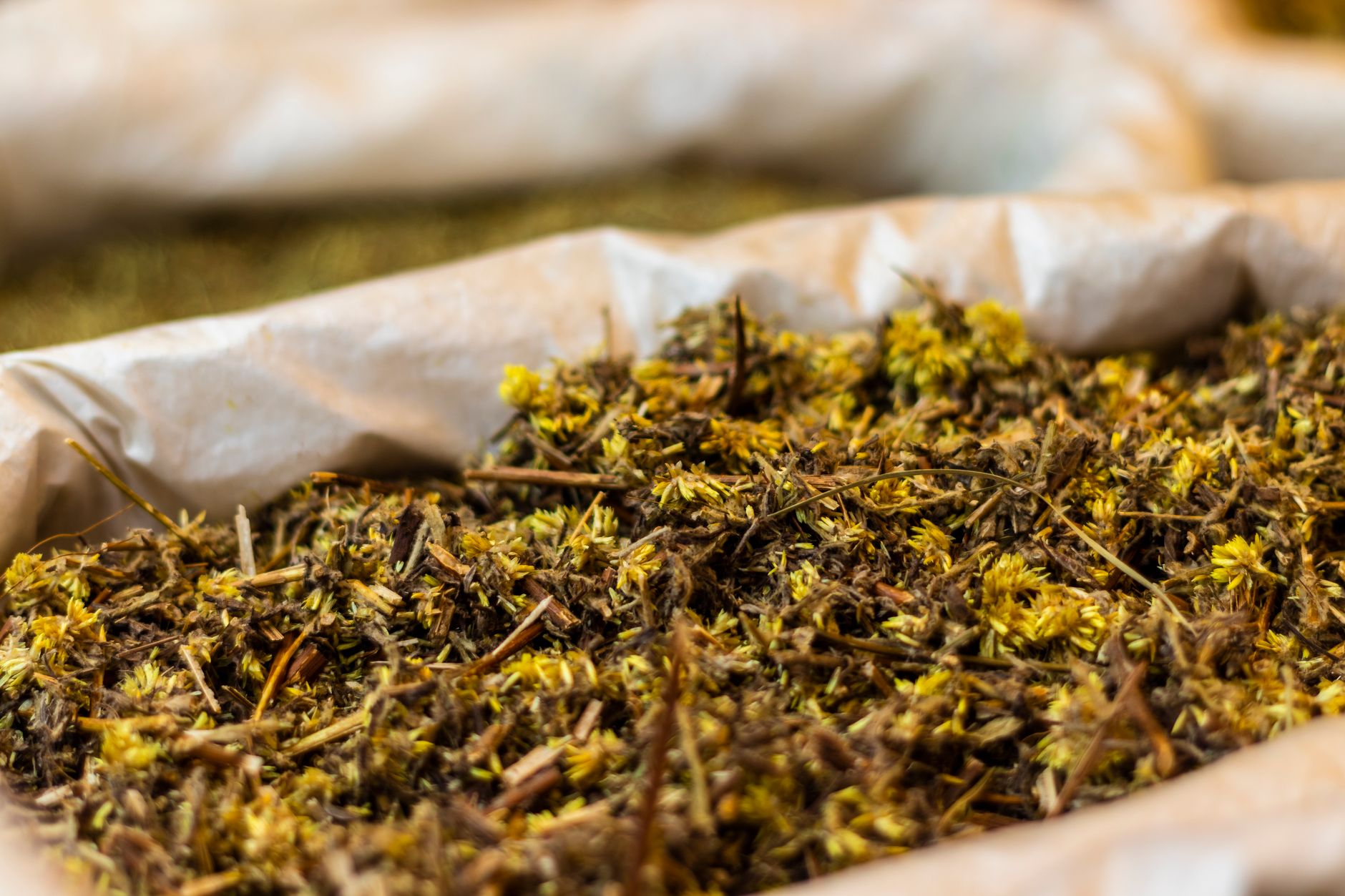
What Is Yellow Dock and Why Are People Talking About It? If you've been exploring the world of herbal teas, you may have come across a humble but powerful root called yellow dock ( Rumex crispus ). The benefits of yellow dock tea have been celebrated in traditional herbal medicine for hundreds of years, and modern herbalists continue to reach for it as a foundational ally. Yellow dock is a perennial plant native to Europe and Asia but now naturalized throughout North America. Its long, spindle-shaped yellow root is the part most commonly used in herbal preparations — particularly as a tea or tincture. Despite its somewhat bitter taste, yellow dock has earned a devoted following. Once you understand what it does in the body, it's easy to see why. A Brief History of Yellow Dock as a Healing Herb Yellow dock has deep roots (pun very much intended) in both European and Native American herbal traditions. Healers used it to support digestion, cleanse the liver, and address sluggishness of all kinds. In the nineteenth century, yellow dock became a fixture in Eclectic medicine, a movement of American physicians who blended botanical knowledge with conventional practice. They prized it especially for conditions they associated with "impure blood" — a traditional way of describing states we might today link to toxin buildup or poor elimination. This long history of use isn't just folklore. It speaks to a plant that has been observed, tested, and refined through generations of careful practice. The Core Health Benefits of Yellow Dock Root Tea So what exactly does yellow dock do? The health benefits of yellow dock root tea are broad, but a few stand out as particularly well-supported by both traditional use and emerging research. Iron Absorption and Blood Support This is perhaps the most talked-about yellow dock root tea benefit. The root contains compounds that are traditionally believed to support the body's uptake of iron, making it a popular choice for people dealing with fatigue or low iron levels. Yellow dock contains anthraquinone glycosides and tannins, but it also provides a modest amount of naturally occurring iron itself. Many herbalists recommend it alongside iron-rich foods for a synergistic effect. Because of this reputation, yellow dock tea is frequently recommended for people who experience tiredness, pale complexion, or difficulty concentrating — all classic signs that the body may be running low on iron. Liver and Digestive Support Yellow dock is a well-known bitter herb, and bitters have a long history of stimulating digestive function. The bitter compounds in yellow dock are believed to encourage bile production, which helps the body break down fats and move things along efficiently. The liver is also thought to benefit from yellow dock's gentle stimulating action. Traditional herbalists often used it as part of a "liver cleanse" protocol, particularly in spring when the body is transitioning from heavier winter foods. If you experience sluggish digestion, occasional bloating, or that heavy feeling after meals, yellow dock tea may be worth exploring. Lymphatic and Skin Health Another cornerstone of yellow dock's reputation is its historical use as a "blood purifier" — language that translates in modern terms to lymphatic and skin support. Herbalists have long connected a congested lymphatic system to skin issues, and yellow dock was a go-to remedy for just this reason. The health benefits of yellow dock tea for skin are largely indirect, working through improved elimination and liver function rather than acting directly on the skin itself. This is a gentle, inside-out approach to clarity. Gentle Laxative Effect The anthraquinone compounds in yellow dock also give it mild laxative properties. This makes it useful for occasional constipation, though it's generally considered gentler than herbs like senna. Because of this, yellow dock is often used as part of a broader digestive support protocol rather than as a standalone laxative. Its action is supportive and rhythmic rather than harsh. Yellow Dock Benefits for Men While yellow dock is frequently discussed in the context of women's wellness — particularly around iron support during menstruation — the yellow dock benefits for men are equally compelling. Men experiencing fatigue, digestive sluggishness, or skin imbalances can benefit from yellow dock in the same ways women do. Additionally, the liver-supportive properties of yellow dock are especially relevant for men who consume alcohol regularly, follow a heavy protein diet, or are exposed to environmental toxins through work. Some traditional herbal formulas for men's vitality include yellow dock alongside other roots like burdock and dandelion, creating a broader tonic effect that addresses both elimination and nourishment. Yellow dock's gentle action makes it a sustainable choice — something that can be incorporated into a daily routine without the intensity of stronger herbal preparations. How to Prepare Yellow Dock Tea Preparing yellow dock tea properly is essential to getting the most from this root. Because it's a root rather than a leaf or flower, yellow dock requires a decoction method rather than a simple steep. Here's how to do it: Add 1–2 teaspoons of dried yellow dock root to 2 cups of cold water in a small saucepan. Bring the water to a boil, then reduce to a gentle simmer. Allow the root to simmer for 20–30 minutes, letting the water reduce slightly and the compounds fully extract. Strain the liquid, allow it to cool slightly, and drink while warm. Yellow dock tea has a distinctly bitter, earthy taste. Many people enjoy blending it with warming herbs like ginger, cinnamon, or even a small piece of licorice root to round out the flavor. A small amount of raw honey added after cooling can also help balance the bitterness without neutralizing the beneficial bitter compounds. Aim for 1–2 cups per day, ideally not too close to meals to allow the digestive stimulation to work most effectively. Yellow Dock in the Context of a Broader Herbal Practice Yellow dock rarely works in isolation in traditional herbalism. It's often paired with other botanicals to create formulas that are greater than the sum of their parts. For example, bilberry leaf benefits the circulatory system and visual health, making it a complementary partner to yellow dock's blood-supportive properties. When combined, these two herbs offer a broader tonic effect for energy and circulation. Bladderwrack benefits include thyroid support and rich mineral content, including iodine and iron. The bladderwrack benefits for women , in particular, are well-documented in herbal traditions — supporting hormonal balance, metabolism, and skin health. Pairing bladderwrack with yellow dock creates a mineral-rich, metabolically supportive combination. Agrimony benefits span liver support, gentle astringency, and digestive toning — making agrimony a natural companion to yellow dock in formulas aimed at gut health and clarity. Beyond the physical, agrimony benefits spiritual practices as well, having long been used in protective and cleansing rituals across European folk traditions. Allspice benefits are often overlooked in herbal discussions, but this warming spice offers antioxidant compounds and digestive support that blend beautifully with yellow dock, particularly when making a spiced herbal decoction for colder months. Understanding these connections deepens your relationship with yellow dock and opens the door to more personalized, layered herbal formulas. Who Is Yellow Dock Tea Best Suited For? Yellow dock tea tends to be most beneficial for people who identify with one or more of the following: Those who experience frequent fatigue or have been told their iron levels are on the lower end of normal People with sluggish digestion, especially those who feel heavy after meals or deal with occasional constipation Individuals interested in supporting liver health, particularly during seasonal transitions Those experiencing skin imbalances they suspect may be connected to internal congestion Anyone building a foundational herbal practice and looking for a versatile, time-tested root Yellow dock is appropriate for adults of all genders, and many herbalists consider it a foundational herb worth having in any home apothecary. Its gentle but meaningful action makes it suitable for longer-term use as a tonic, rather than just an acute remedy. That said, yellow dock benefits are best appreciated when the herb is used consistently over time. Herbal tonics are not quick fixes — they work by gradually supporting the body's own processes. A Note on Safety and Who Should Exercise Caution Yellow dock is generally considered safe for most healthy adults when used in reasonable amounts. However, as with any herb, there are some important considerations to keep in mind. Because yellow dock contains oxalates, it is not recommended for individuals with a history of kidney stones, particularly calcium oxalate stones. Those with inflammatory bowel conditions should also use it cautiously, as its mild laxative action may not be appropriate for their situation. Pregnant and breastfeeding individuals should avoid yellow dock without explicit guidance from a qualified herbalist or healthcare provider. The anthraquinone compounds it contains are generally considered unsuitable during pregnancy. Please note: The information in this post is for educational purposes only and is not intended as medical advice. Always consult a qualified herbalist, naturopath, or healthcare practitioner before beginning any new herbal regimen, especially if you have existing health conditions or take pharmaceutical medications. Explore Yellow Dock and More at Societe If you're ready to experience the yellow dock herb benefits for yourself, we'd love to help you find the right preparation. At Societe, we're passionate about connecting people with high-quality, thoughtfully sourced herbs that support real wellness. Visit us at societeapothecary.com to explore our collection of herbal teas, roots, and botanical blends — including yellow dock and many of the complementary herbs mentioned in this post. We'd be honored to be part of your herbal journey. Three Yellow Dock Recipes to Try at Home Yellow Dock Tea 1 tablespoon dried yellow dock root 2 cups water Optional: honey or lemon for taste Bring the water to a gentle boil in a saucepan. Add the dried yellow dock root to the boiling water. Reduce the heat and let it simmer for about 10-15 minutes. Strain the tea into a cup, and add honey or lemon if desired. Enjoy your warm, earthy brew, perfect for a quiet afternoon. Yellow Dock and Ginger Syrup 1/2 cup dried yellow dock root 1 tablespoon fresh ginger, sliced 4 cups water 1 cup honey Combine yellow dock root, ginger, and water in a pot and bring to a boil. Reduce the heat and let it simmer until the liquid is reduced by half, about 30-40 minutes. Strain the mixture and return the liquid to the pot. Add the honey and stir until fully dissolved. Once cooled, transfer the syrup to a sterilized bottle and store in the refrigerator. Perfect for soothing a sore throat or adding to herbal teas. Yellow Dock Infused Vinegar 1/2 cup dried yellow dock root 2 cups apple cider vinegar A glass jar with a lid Place the dried yellow dock root into the glass jar. Pour apple cider vinegar over the herbs, ensuring they are completely submerged. Seal the jar tightly and store it in a cool, dark place for 4-6 weeks, shaking occasionally. Strain the vinegar into a clean bottle and label it. Use this tangy infusion as a salad dressing or a tonic to support digestion. Always consult a qualified healthcare practitioner before introducing new herbal remedies to your regimen.