Baobab Powder: Ancient Herbal Wisdom from the Tree of Life
Société Team
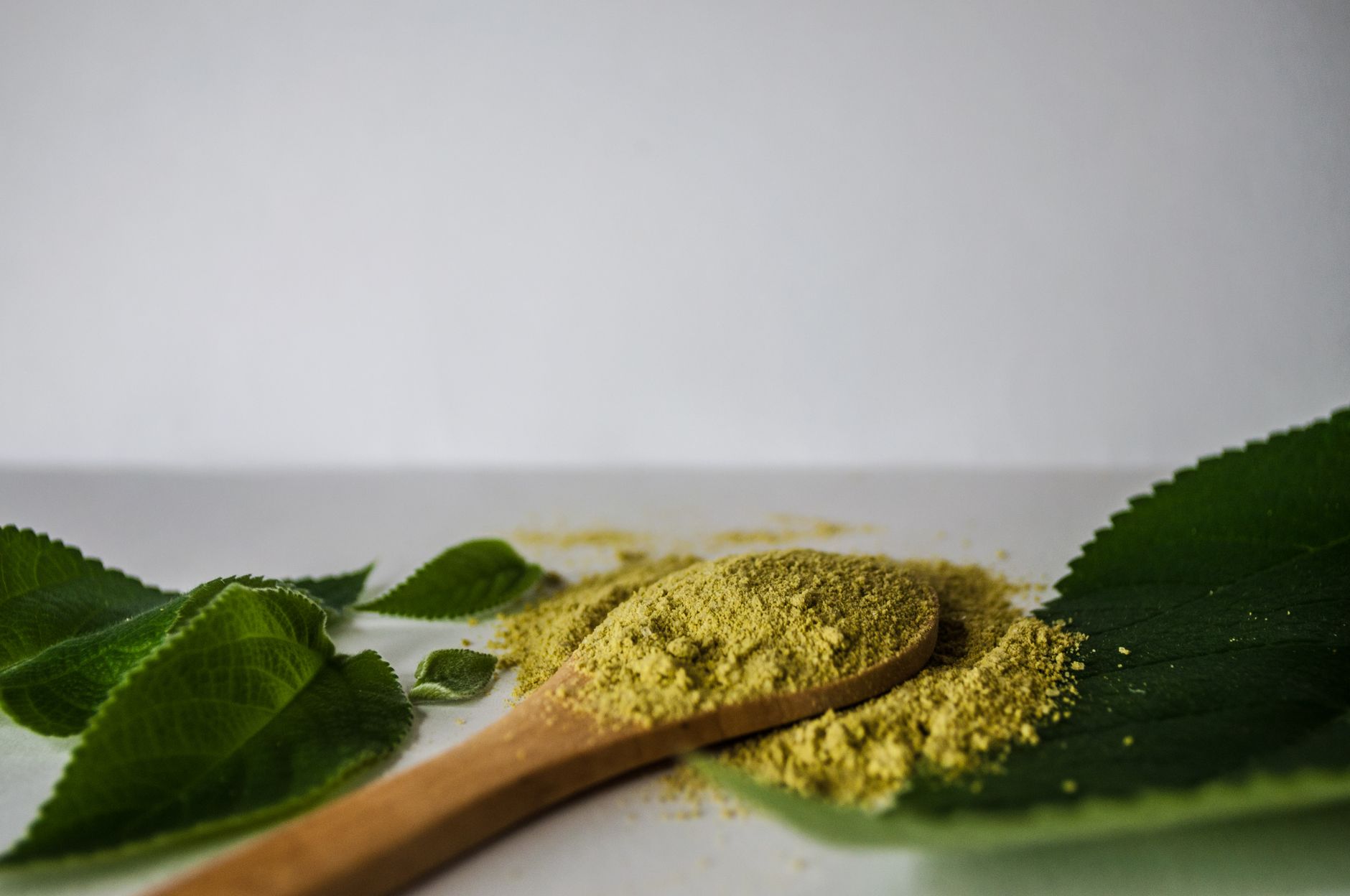
The Tree That Stands at the Center of the World Few plants carry the weight of legend quite like the baobab tree. Rising from the African savanna like a monument to resilience, it has fed, healed, and sheltered communities for thousands of years. Baobab powder — made from the dried pulp of the baobab fruit — has emerged as one of the most celebrated functional foods in modern herbal wellness. Yet its story is far older than any trend. In the language of herbal wisdom, baobab is what practitioners call a trophorestorative — a plant that nourishes and rebuilds the body over time. Its traditional uses span continents and centuries, and its energetic properties align beautifully with modern nutritional science. --- > "The baobab was here before us and will be here after us — it gives without asking, and heals without condition." > — Traditional West African proverb --- MATERIA MEDICA Scientific Name: Adansonia digitata (and related species including A. gregorii , A. madagascariensis ) Common Names: Baobab, Tree of Life, Monkey Bread Tree, Cream of Tartar Tree, Upside-Down Tree Family: Malvaceae (formerly Bombacaceae) Parts Used: Fruit pulp (dried and powdered), seeds, leaves, bark Primary Form Discussed: Dried fruit pulp powder Physical Description The baobab tree is immediately recognizable by its massive, swollen trunk , which can reach up to 10 meters in diameter. The trunk stores enormous reserves of water — up to 120,000 liters — making it one of nature's most extraordinary survival adaptations. The tree can live for over a thousand years, with some specimens believed to be more than 2,000 years old. Its branches, bare for much of the year, spread wide against the sky — giving rise to the legend that it was planted upside down by the gods. The fruit itself is large, oval, and woody — roughly the size of a coconut. Inside, a dry, chalky white pulp surrounds the seeds. This pulp naturally desiccates within the pod, making it one of the only fruits that essentially dries itself — requiring minimal processing to become powder. Habitat and Origin Baobab trees are native to the African continent, with Adansonia digitata found throughout sub-Saharan Africa. Related species grow in Madagascar and northwestern Australia. They thrive in hot, dry climates — savanna woodlands, dry deciduous forests, and semi-arid regions where rainfall is seasonal and scarce. The botanical characteristics of the baobab make it exquisitely suited to drought: its water-storing trunk, deep root system, and deciduous habit allow it to survive months without rain. Today, baobab trees are also cultivated across parts of South Asia, the Caribbean, and tropical regions worldwide. The fruit is harvested sustainably from wild trees, and the powder is produced by sieving the naturally dried pulp away from seeds and fiber. Harvest and Collection One of the most remarkable aspects of baobab's traditional uses is how little intervention is needed at harvest time. Fruits are collected between February and April , depending on region, when the pods have fully matured and dried on the tree. The hard outer shell is cracked open to reveal the powdery interior pulp, which is then sieved to remove seeds and fibrous material. No heat drying is required — the pulp is naturally dehydrated inside its woody shell. Powder is typically milled to a fine consistency and packaged raw, preserving its full nutrient profile. This minimal processing is one reason baobab powder retains such exceptional levels of vitamin C, polyphenols, and prebiotic fiber. Qualities and Energetics In the framework of herbal energetics, baobab powder presents a cooling and moistening profile — making it particularly valuable for states of excess heat, dryness, or depletion. Its sour, slightly sweet taste places it in the category of sour astringent foods in many traditional systems, which are understood to tone tissues, support digestion, and gently clear heat. Traditional practitioners across West Africa have long used baobab to support recovery from illness, fatigue, and nutritional depletion. Its energetic properties resonate with what herbalists call a nourishing trophic action — feeding tissues at a foundational level rather than producing dramatic, immediate effects. Key Qualities: - Taste: Sour, mildly sweet, slightly tangy - Temperature: Cooling - Moisture: Moistening (particularly to mucous membranes and the gut lining) - Tissue State: Indicated for heat, dryness, and deficiency Actions Baobab powder works gently and broadly across multiple body systems. Its actions, well documented in both traditional use and contemporary research, include: Antioxidant — exceptionally high ORAC value from polyphenols and vitamin C Prebiotic — feeds beneficial gut bacteria via soluble fiber content Nutritive — replenishes key micronutrients including calcium, potassium, magnesium, and iron Anti-inflammatory — polyphenols modulate inflammatory pathways Digestive tonic — supports healthy bowel motility and microbiome balance Immune modulating — vitamin C content supports immune cell function Astringent — tones mucous membranes; traditionally used to address diarrhea Alkalizing — supports healthy acid-base balance Chemical Constituents The remarkable efficacy of baobab powder can be traced to its dense and varied chemical profile: Vitamin C (ascorbic acid) — up to 10x more per gram than oranges; primary antioxidant and immune nutrient Polyphenols — including flavonoids, tannins, and procyanidins with potent antioxidant activity Prebiotic fiber — predominantly soluble fiber (pectin) that selectively feeds Lactobacillus and Bifidobacterium species Calcium — higher concentration than many dairy sources Potassium — supports cardiovascular and cellular function Magnesium — essential for over 300 enzymatic reactions Iron — non-heme iron with co-factors (vitamin C) that enhance absorption Tartaric acid — contributes to sour flavor and supports digestive enzyme activity Phytosterols — found in seeds; support healthy cholesterol metabolism Mucilaginous compounds — soothe and protect gut lining Indications Baobab powder's traditional uses and modern applications span a wide range of wellness contexts: Nutritional depletion and convalescence Gut dysbiosis and sluggish digestion Immune insufficiency or frequent illness Oxidative stress and chronic inflammation Blood sugar irregularities (the fiber slows glucose absorption) Skin health concerns related to oxidative damage Fatigue and low energy associated with micronutrient deficiency Diarrhea (astringent, fiber-binding action) General daily wellness maintenance In the tradition of herbal wisdom, baobab is best understood as a daily food-herb — one that builds health gradually through consistent, nourishing use rather than dramatic therapeutic intervention. --- 3 Practical Recipes Using Baobab Powder Recipe 1: Baobab Citrus Morning Tonic (Infusion-Style Wellness Drink) This bright, energizing drink makes an excellent daily ritual — supporting gut health, immunity, and hydration first thing in the morning. Ingredients: - 1–2 teaspoons baobab powder - 1 cup warm water (not boiling — preserves vitamin C) - Juice of ½ lemon or lime - 1 teaspoon raw honey (optional) - Pinch of ground ginger Preparation: 1. Add baobab powder to a mug or glass. 2. Pour in warm water and stir well until fully dissolved — the powder mixes easily due to its naturally dry, soluble consistency. 3. Squeeze in fresh lemon or lime juice. 4. Add honey and a pinch of ginger if desired. 5. Stir once more and drink immediately. Drink daily on an empty stomach for optimal prebiotic and immune benefits. --- Recipe 2: Baobab Honey Elixir Syrup This simple syrup can be drizzled over yogurt, stirred into tea, or taken by the spoonful as a daily nutritive supplement. It keeps well in the refrigerator for up to two weeks. Ingredients: - 3 tablespoons baobab powder - ½ cup raw honey - 2 tablespoons warm water - 1 teaspoon lemon juice - Optional: ½ teaspoon cinnamon Preparation: 1. Warm honey very gently in a small saucepan over the lowest heat — do not boil. 2. Add baobab powder and stir vigorously until fully incorporated. 3. Add warm water gradually, stirring to achieve a smooth, pourable consistency. 4. Stir in lemon juice and cinnamon if using. 5. Pour into a clean glass jar and allow to cool before sealing. 6. Store in the refrigerator and take 1–2 teaspoons daily. This syrup works beautifully as a digestive tonic when taken 20 minutes before meals. --- Recipe 3: Baobab Brightening Face Mask (Topical Preparation) The antioxidant and vitamin C content of baobab powder makes it a genuinely effective topical ingredient. This mask supports skin tone, hydration, and the appearance of dullness or oxidative skin stress. Ingredients: - 1 tablespoon baobab powder - 1 tablespoon plain full-fat yogurt (or coconut cream for a dairy-free version) - 1 teaspoon raw honey - ½ teaspoon rosehip oil (optional, for added antioxidant support) Preparation: 1. Combine baobab powder and yogurt in a small bowl and mix into a smooth paste. 2. Add honey and rosehip oil if using; stir until fully blended. 3. Apply a thin, even layer to clean, dry skin, avoiding the eye area. 4. Leave on for 10–15 minutes. 5. Rinse thoroughly with warm water and follow with your usual moisturizer. 6. Use 1–2 times per week. This mask is gentle enough for most skin types and suitable for regular use. --- Bringing Baobab Into Your Daily Wellness Practice Baobab powder is one of those rare herbal gifts that bridges the ancient and the modern with remarkable grace. Whether you work with it as a daily tonic, a culinary ingredient, or a skin-supportive treatment, its nutritive depth and gentle energetic properties make it a worthy addition to any holistic wellness routine. Its botanical characteristics — forged over millennia in the heart of Africa — speak to a kind of endurance and generosity that translates beautifully into everyday self-care. If you're ready to bring this extraordinary plant into your home, Societe carries a high-quality, thoughtfully sourced baobab powder you can explore at societeapothecary.com/product/boabab-powder/ . We invite you to begin your own relationship with the Tree of Life — one spoonful at a time.